China’s overcapacity is not a bilateral issue; it is a global one
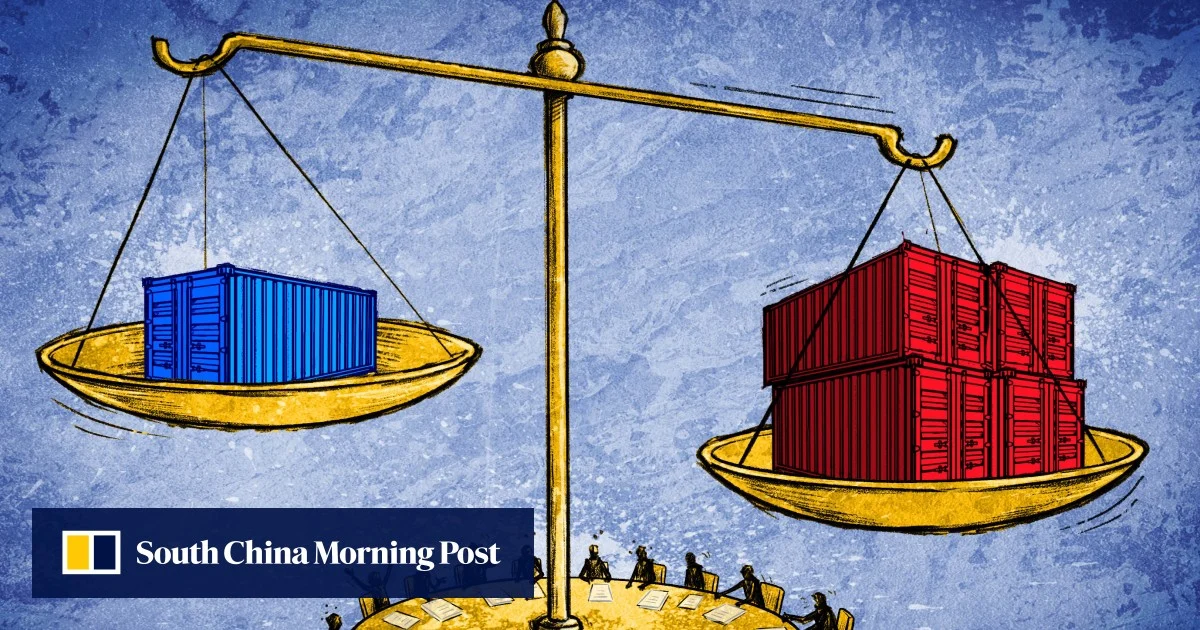
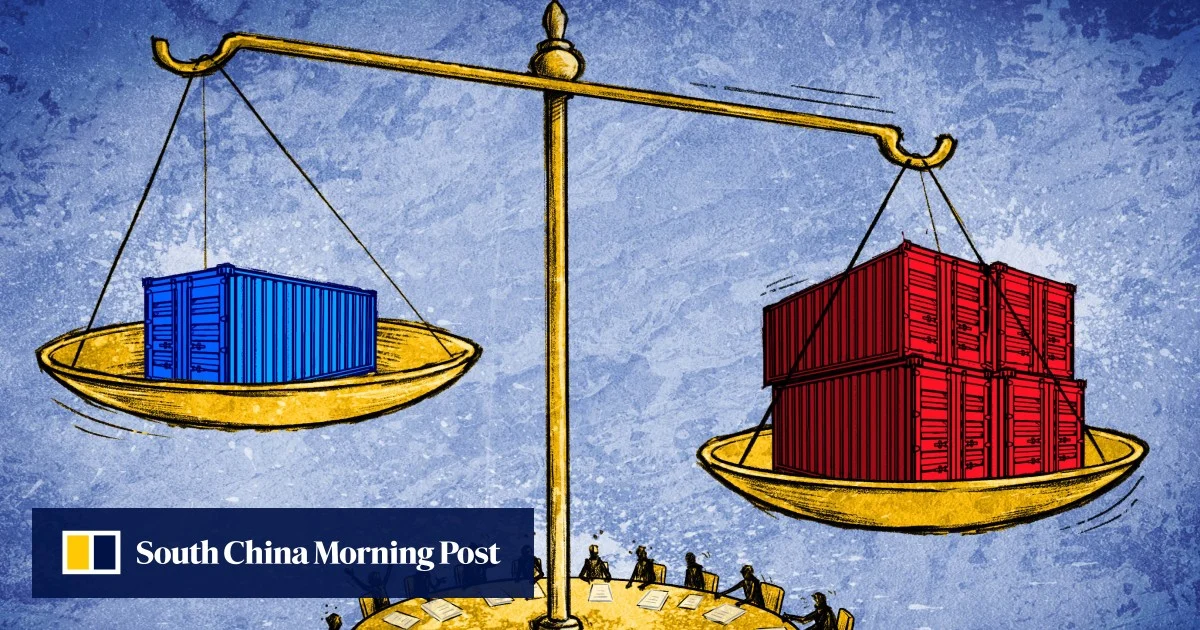
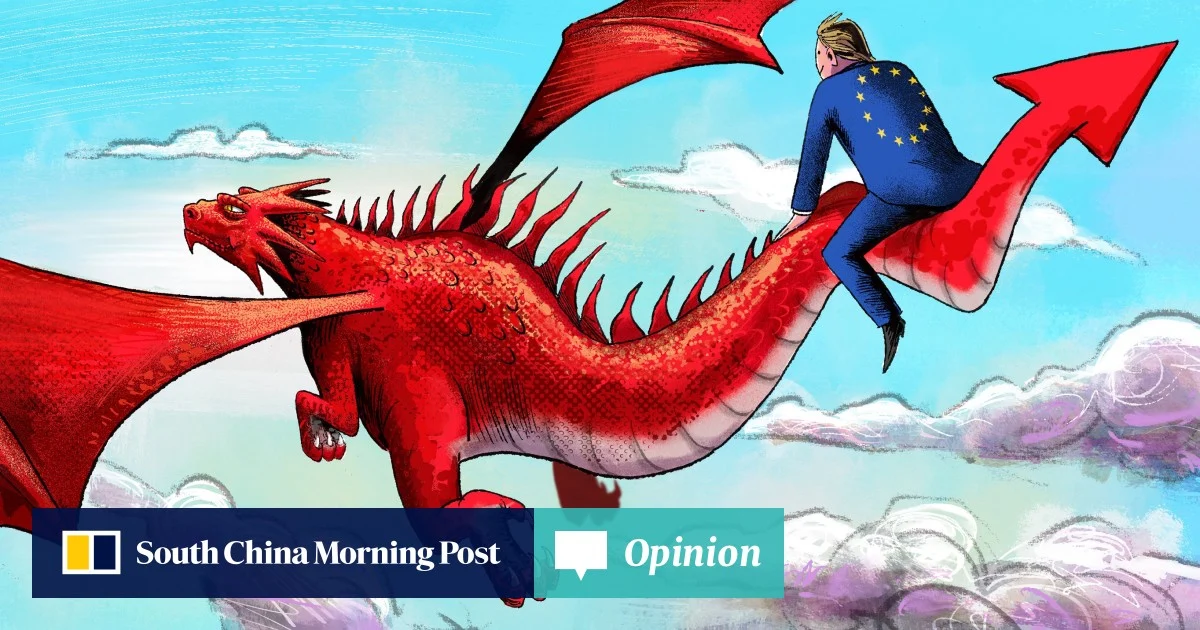
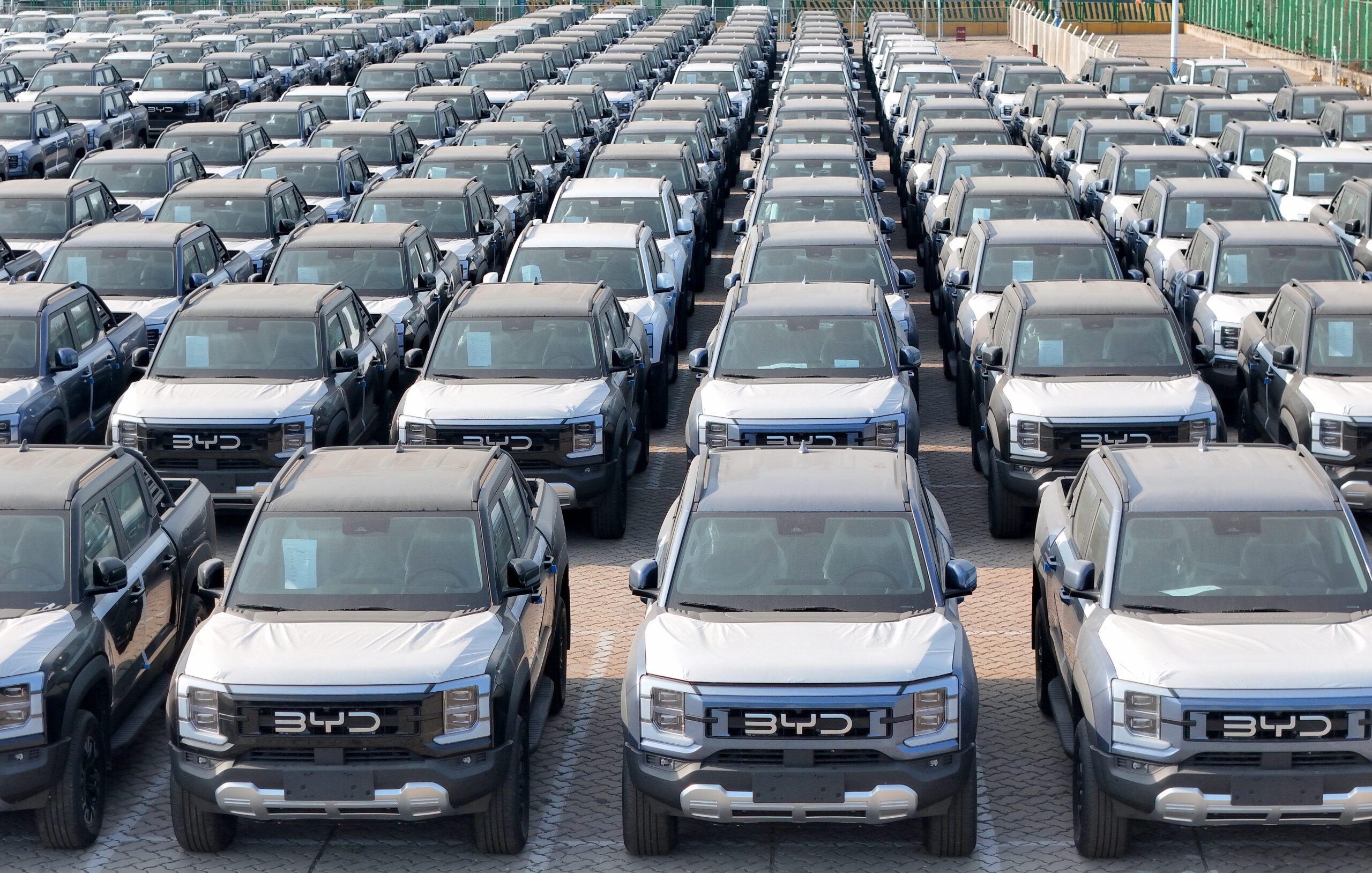
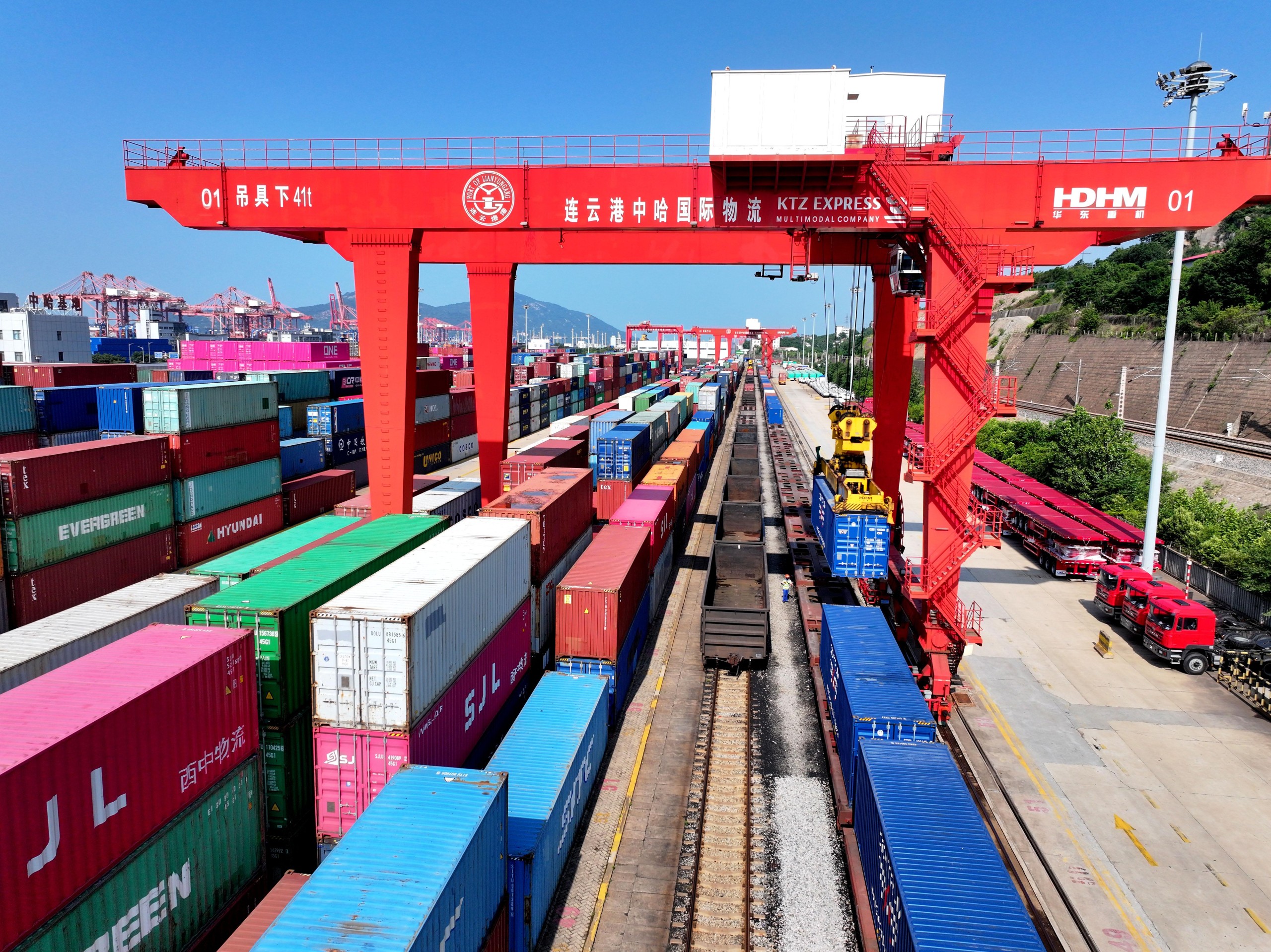
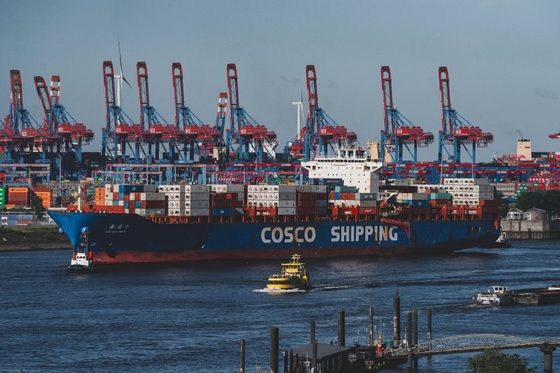
The European Union is on the brink of a full-blown trade confrontation with China. What Brussels calls “China Shock 2.0” – the flood of subsidised exports in electric vehicles, solar panels, batteries, steel and chemicals – is no longer a theoretical risk. It is here.
After the College of Commissioners’ closed-door discussion on China on 29 May, one thing is clear: the threat of Chinese retaliation will not deter the executive from acting.
The EU is arming itself with a new arsenal of autonomous trade instruments. The centrepiece is the so-called “overcapacity instrument”, a cross-sector safeguard designed to restrict Chinese access to EU markets when Beijing’s industrial overcapacity threatens strategic European sectors. It would sit alongside the Anti-Coercion Instrument (ACI), which the Commission has approved but still needs to go through the Council, and tightened cybersecurity rules that could further limit Chinese suppliers in critical digital infrastructure.
Log in to continue reading for free