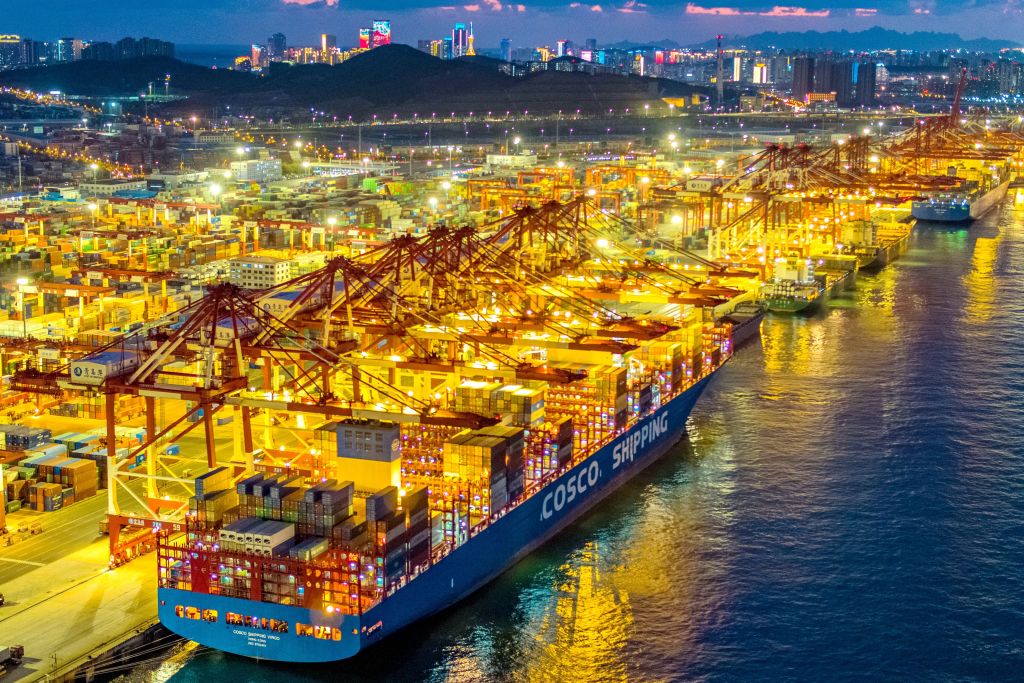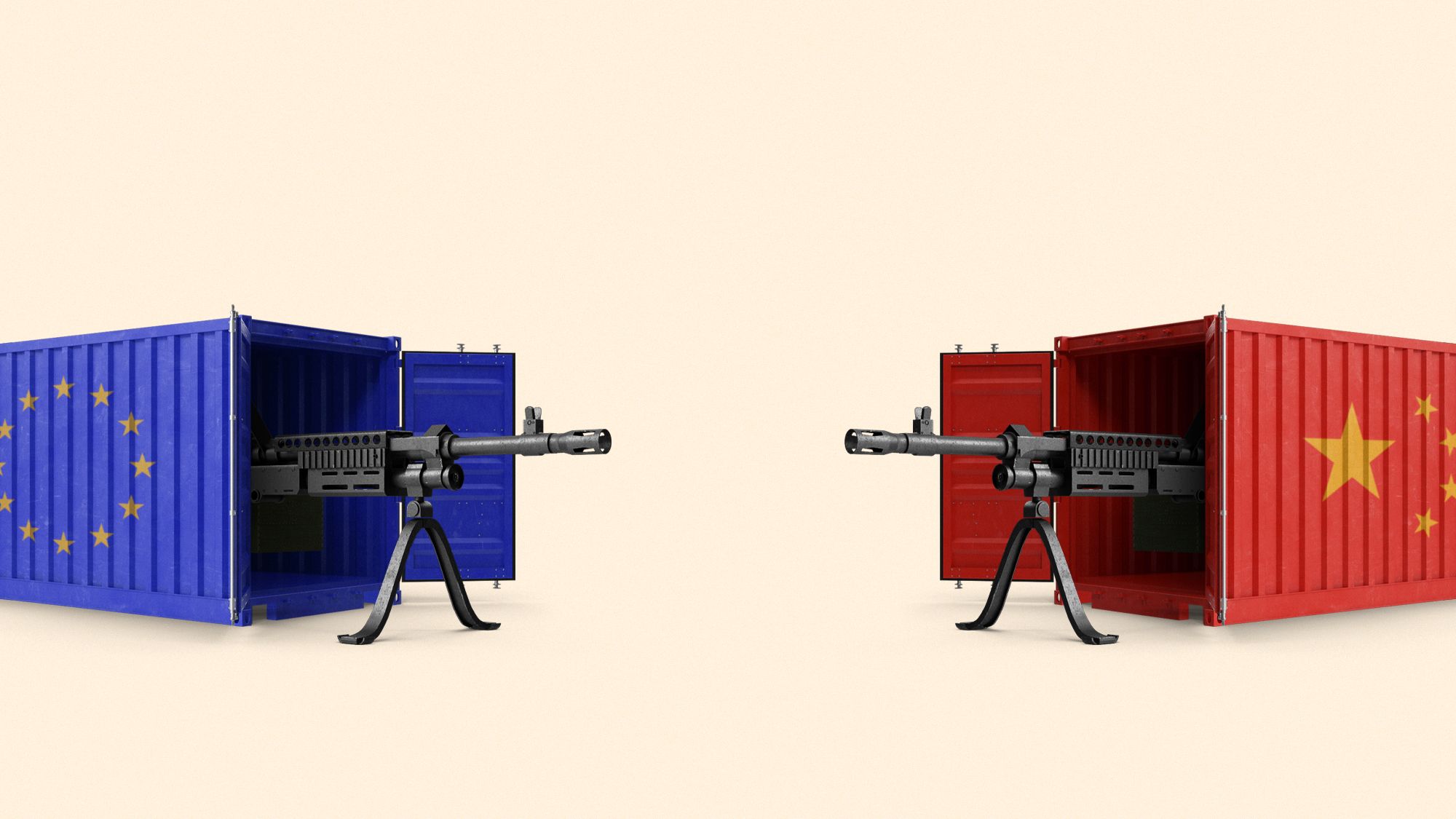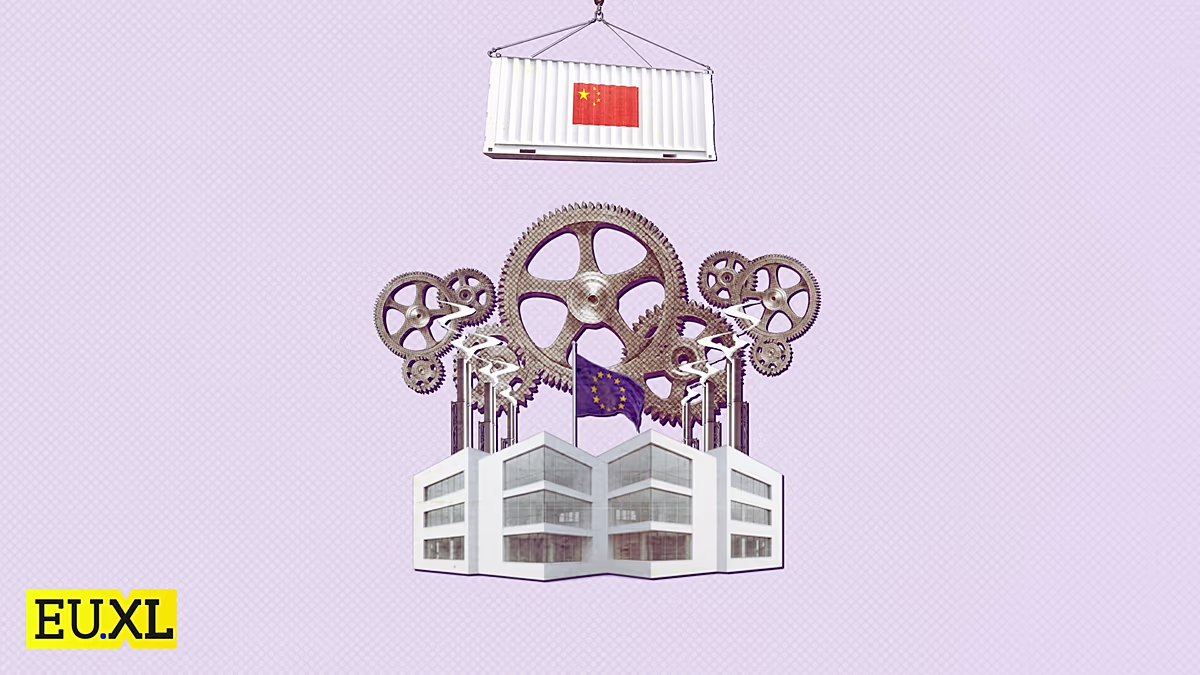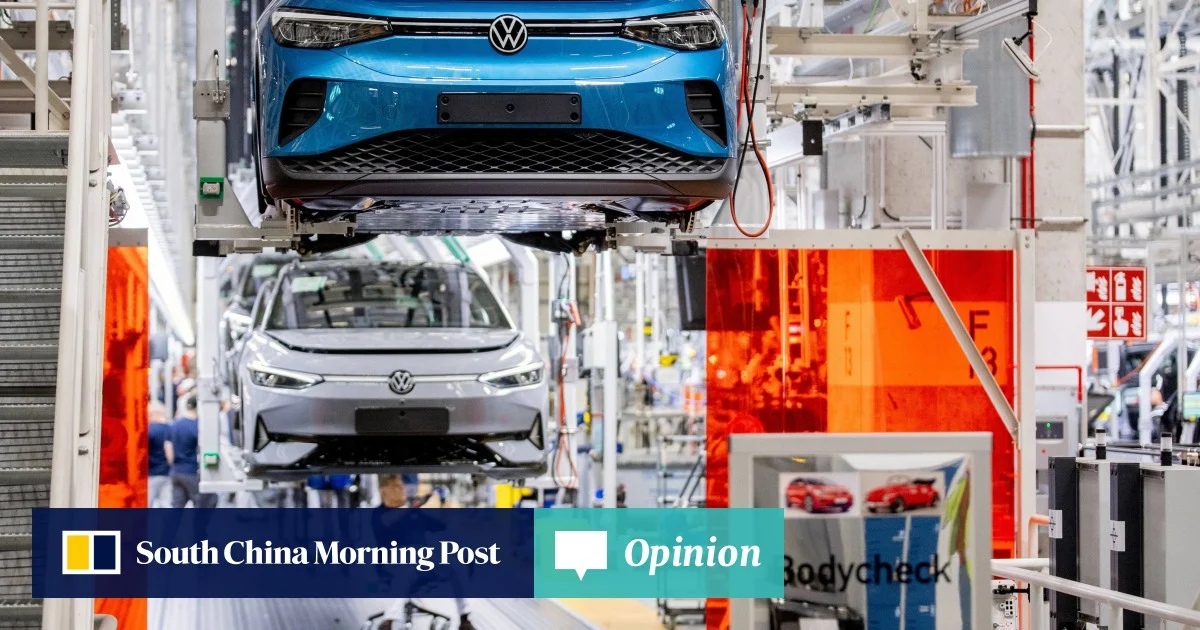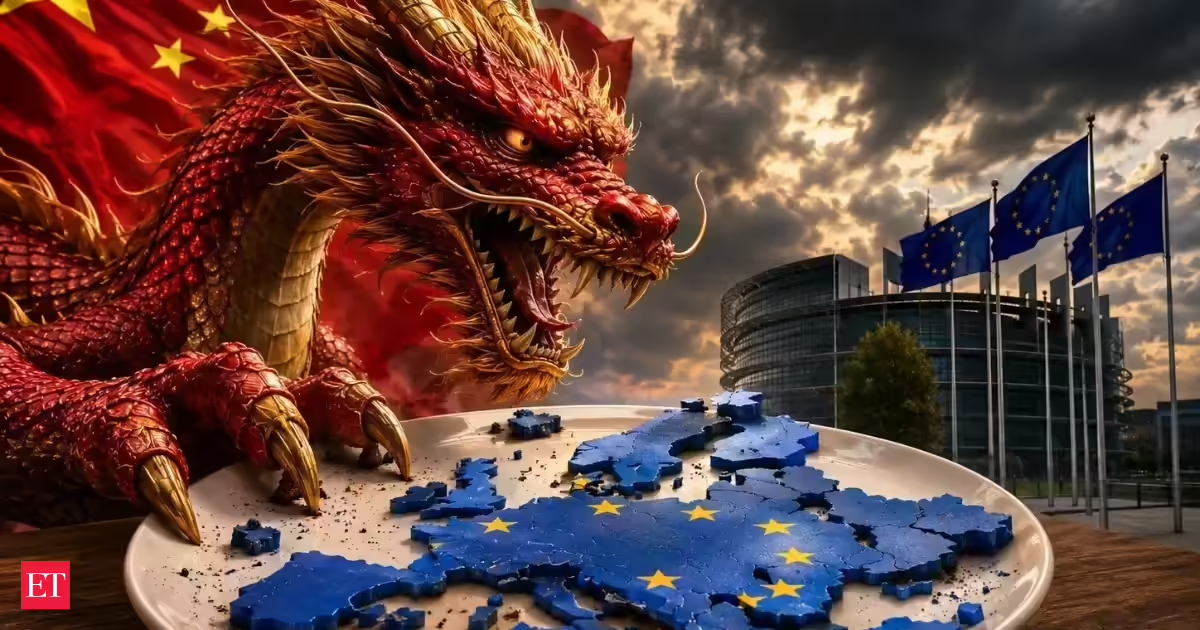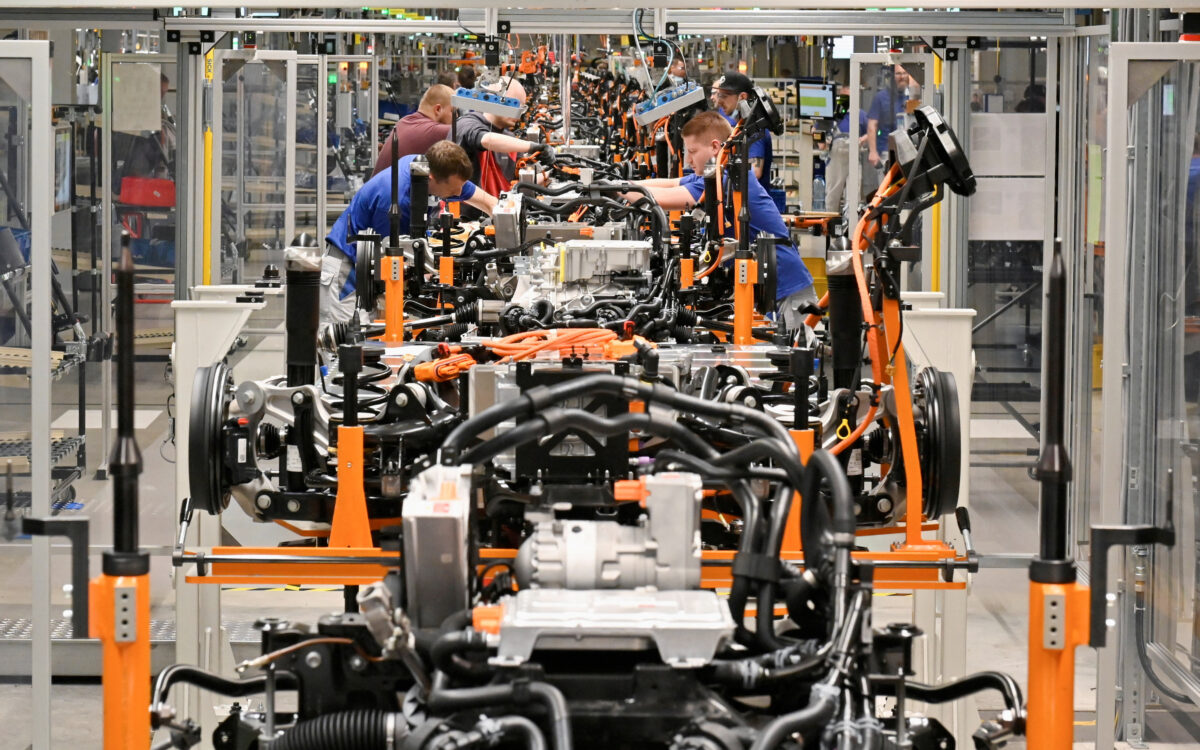
WARSAW—As cheap Chinese cars, batteries, steel, and electronics flood European markets, the European Union (EU) is trying to build a strategy that protects its industrial base without triggering a full-scale trade dispute with Beijing. What started as a debate over Chinese electric vehicles has evolved into a much broader confrontation with the structural consequences of China’s industrial overcapacity.
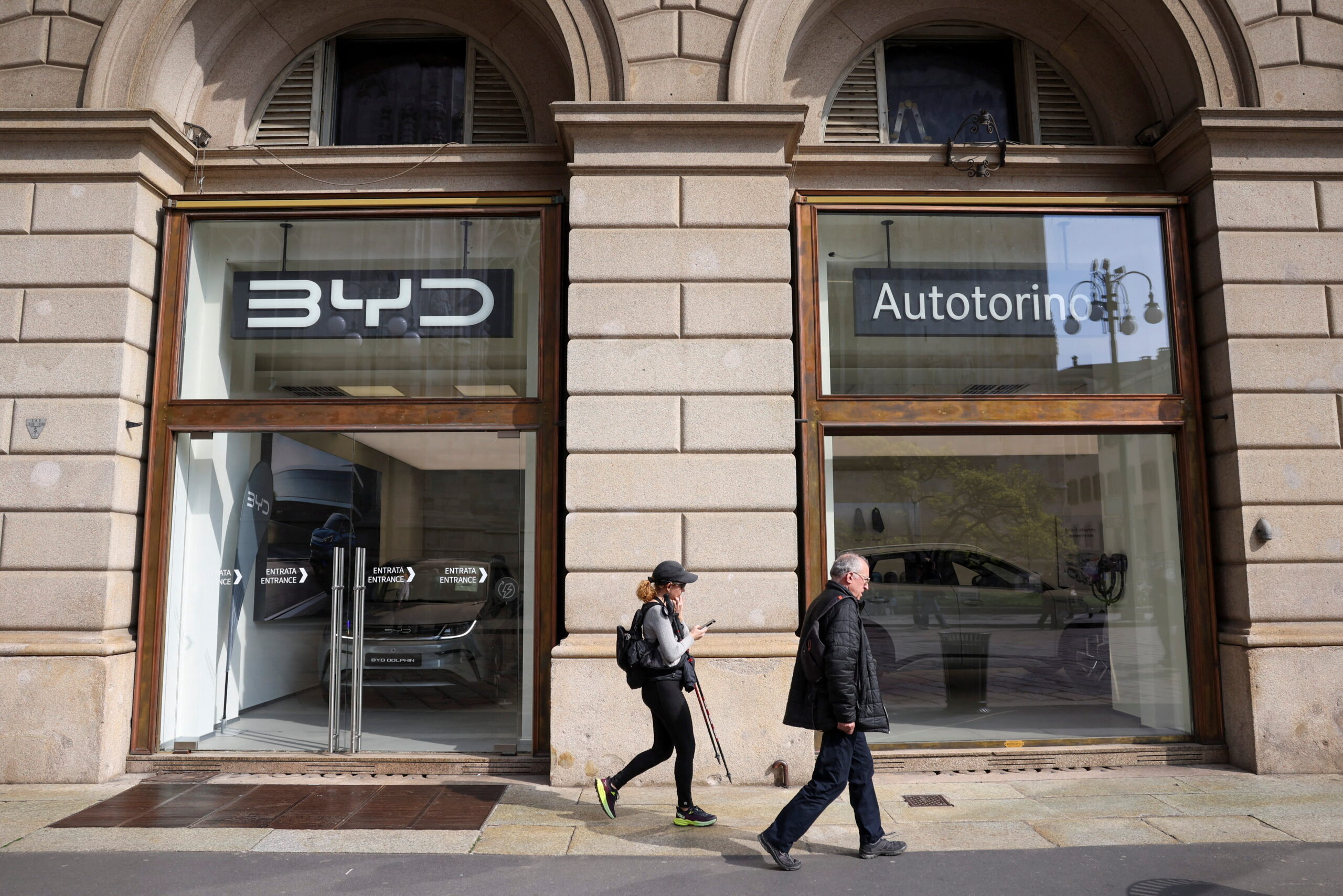
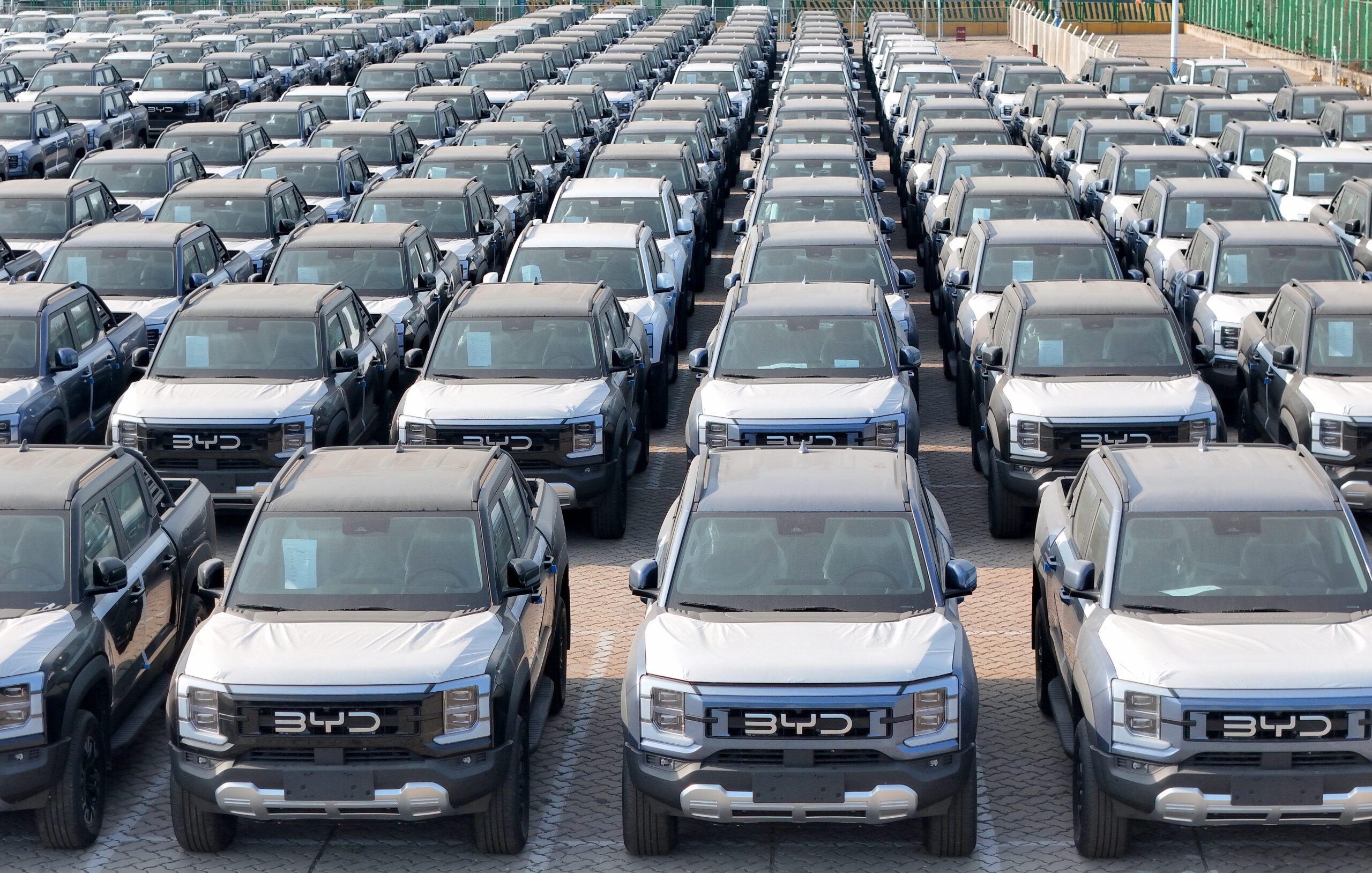
The scale of the challenge explains the scale of the response. China now accounts for roughly 30 percent of global manufacturing output while representing only 13 percent of global consumption. According to European Commission estimates, global steel overcapacity could reach 721 million tonnes by 2027—nearly five times total EU steel consumption. Meanwhile, Chinese car exports to Europe rose 26 percent between 2024 and 2025, to almost 1.2 million vehicles, despite tariffs introduced only a year earlier. Imports of Chinese hybrid vehicles surged by 155 percent.
For Brussels, the conclusion has become unavoidable: product-by-product tariffs cannot contain an economy-wide overcapacity shock. In response, the EU is developing several important new tools to address this issue.
A question of decoupling