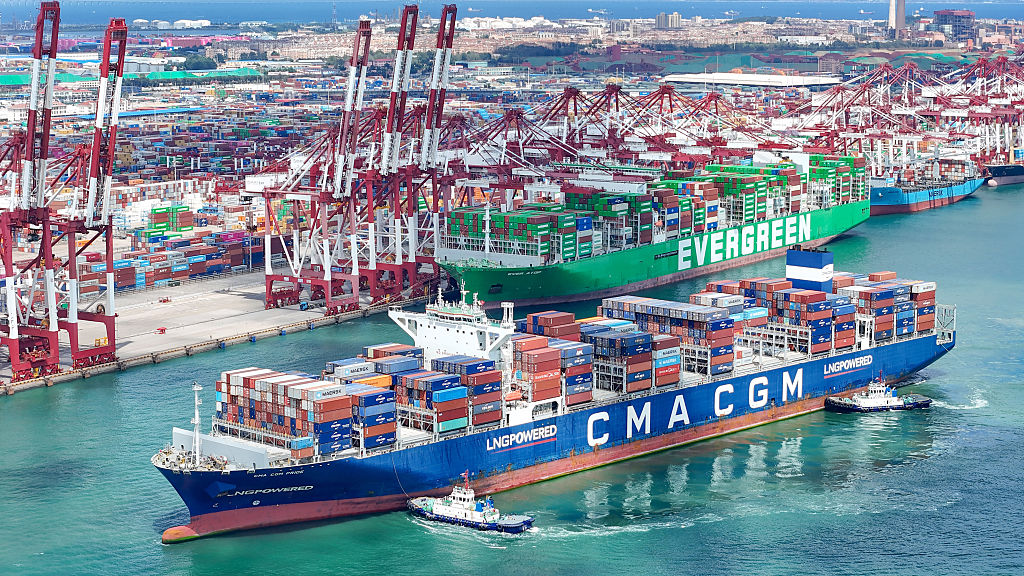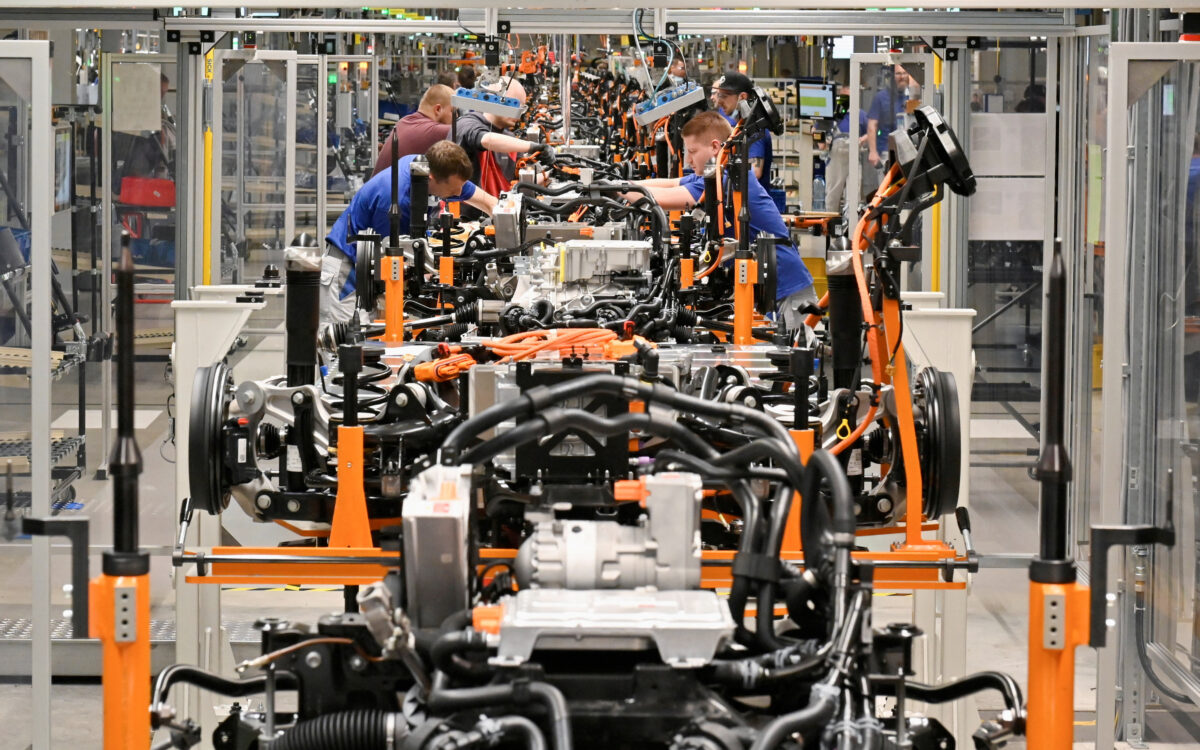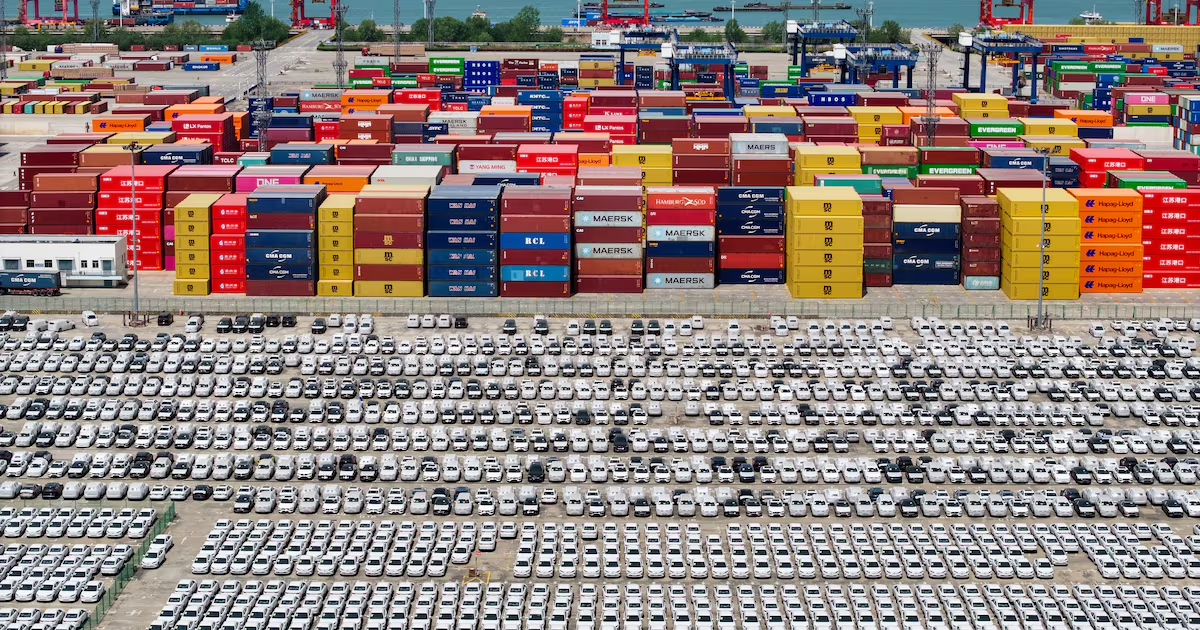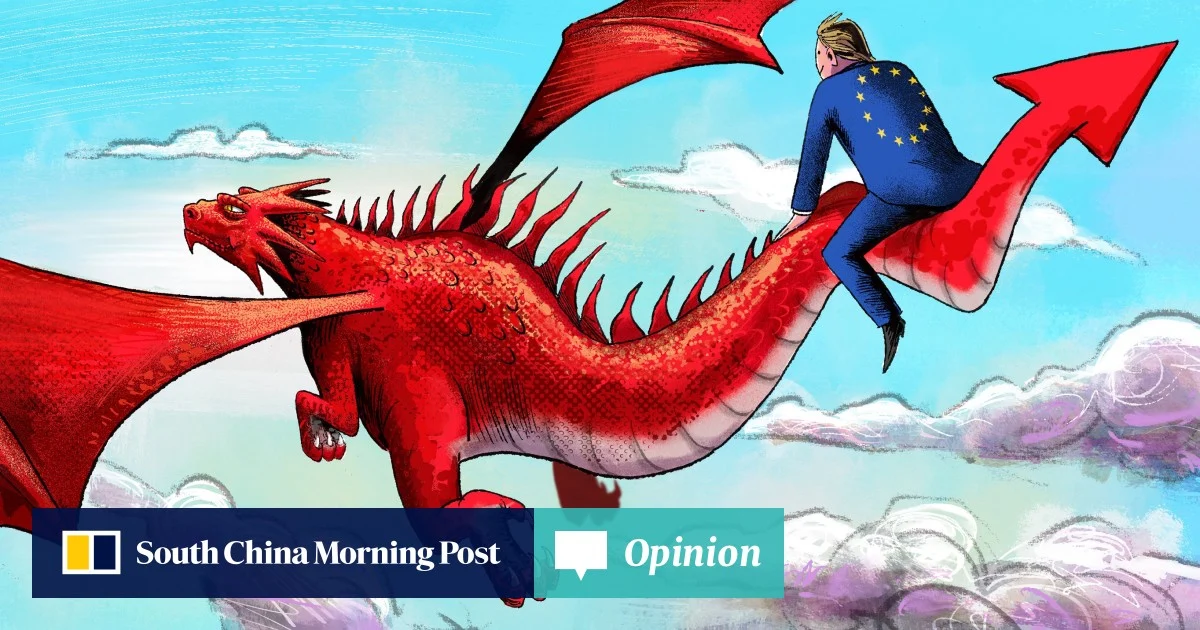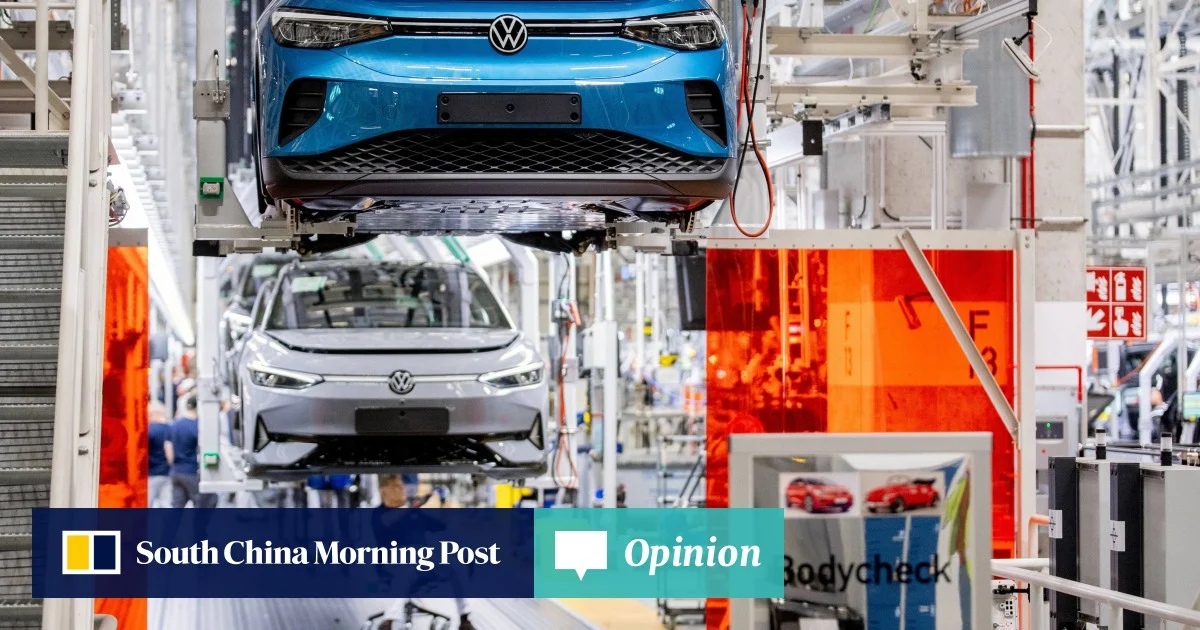
Europe’s political and business leaderships appear to have concluded that China’s economic dominance represents an existential threat – not from intrinsic competitiveness but from subsidies, technology theft, state-owned enterprises and a pervasive industrial policy.Cecilia Malmstrom, former European Commission member and a member of the European Parliament, wrote this week about “an ever more aggressive China”, which “seems to be entering a new phase of industrial policy with an increase of targeted subsidies, dumping and overproduction as strategies to increase exports”.She called for Europe to develop “a coherent updated strategy” to deal with the threat. It is perhaps no coincidence that EU trade commissioner Maros Sefcovic met his Chinese counterpart Li Chenggong on the margins of an Organisation for Economic Cooperation and Development ministerial meeting in Paris on June 4. In addition, China’s Commerce Minister Wang Wentao will hold talks in Brussels at the end of this month as part of a “trade and investment consultation mechanism”.From here in Asia, European companies have much to fear from competitive Chinese enterprises, whether public or private. However, to blame the threat on subsidies and export-focused overproduction is as mistaken as it is inevitable. The alternative is to look inward at Europe’s own competitive shortcomings.European enterprises crying foul against Chinese competitors is no surprise: what self-respecting chief executive is ever going to confess that a sharply declining market share is down to their own failings? Blame will always be placed on those “cheating foreign enterprises” which work hand-in-glove with their governments to tilt the playing field.That is why so many executives rarely call for “free trade” but instead talk of the need for “fair trade”. It is easier to blame subsidies, dumping or overproduction than to focus on their own weaknesses, and on the fundamental foundations of China’s economic competitiveness.
Outside In | Europe’s fears about China trade threat miss the point
How are Beijing’s successful industrial policies any different from those used by Europe, the US or the ‘Asian tigers’ in the past?
296 words~1 min read