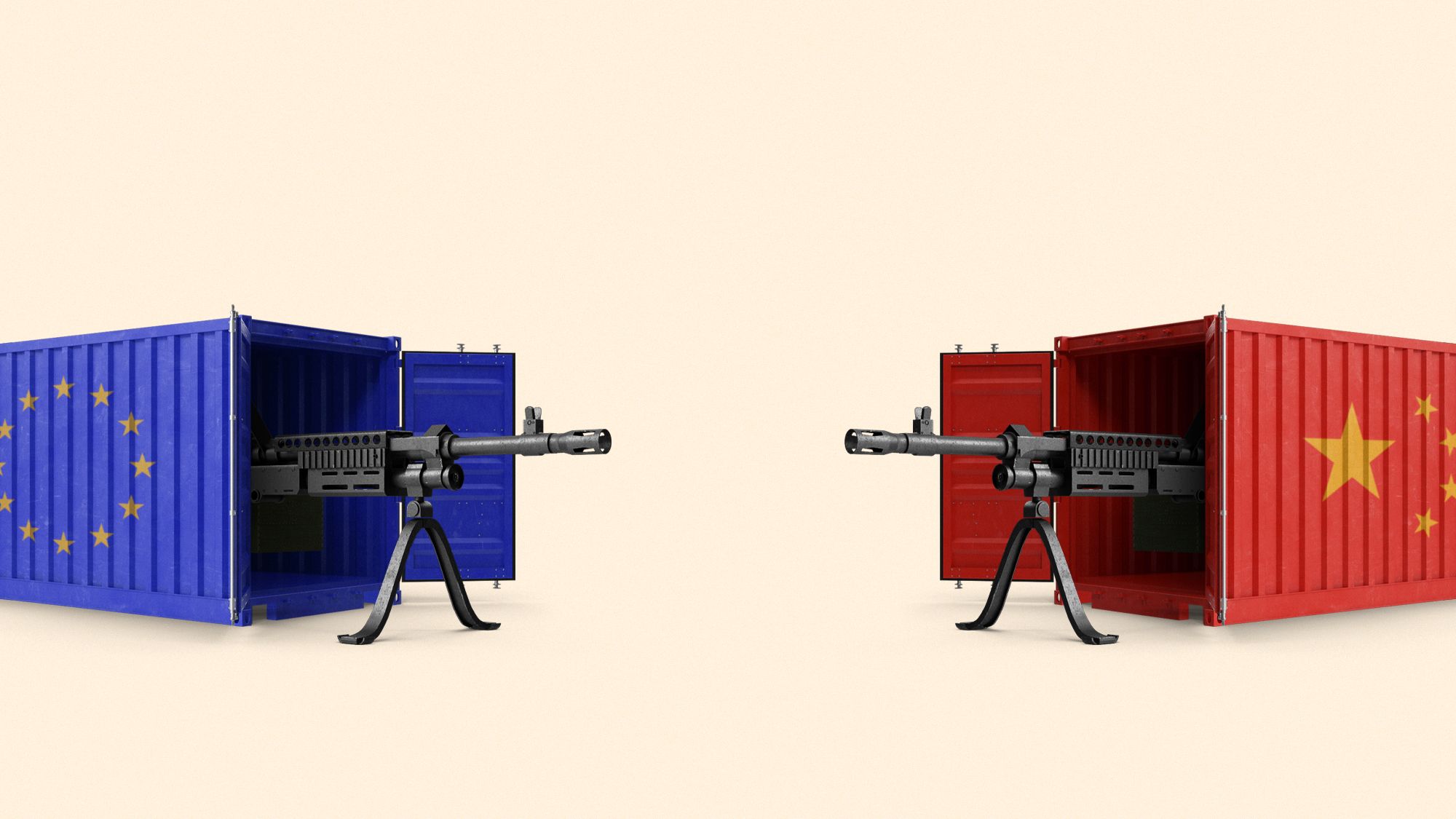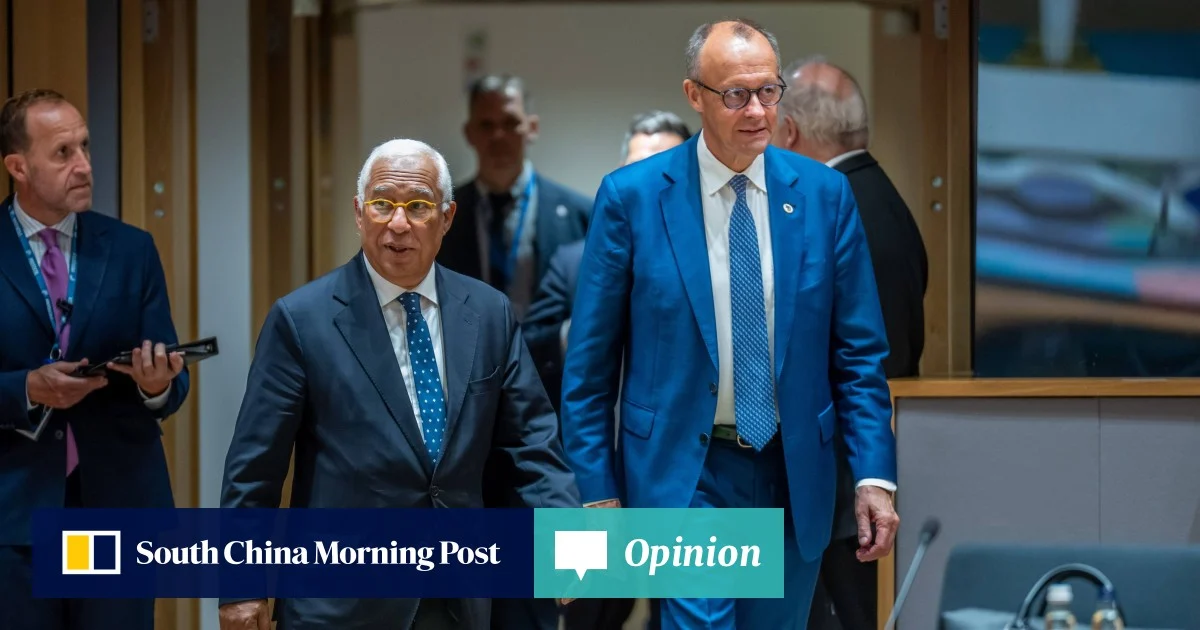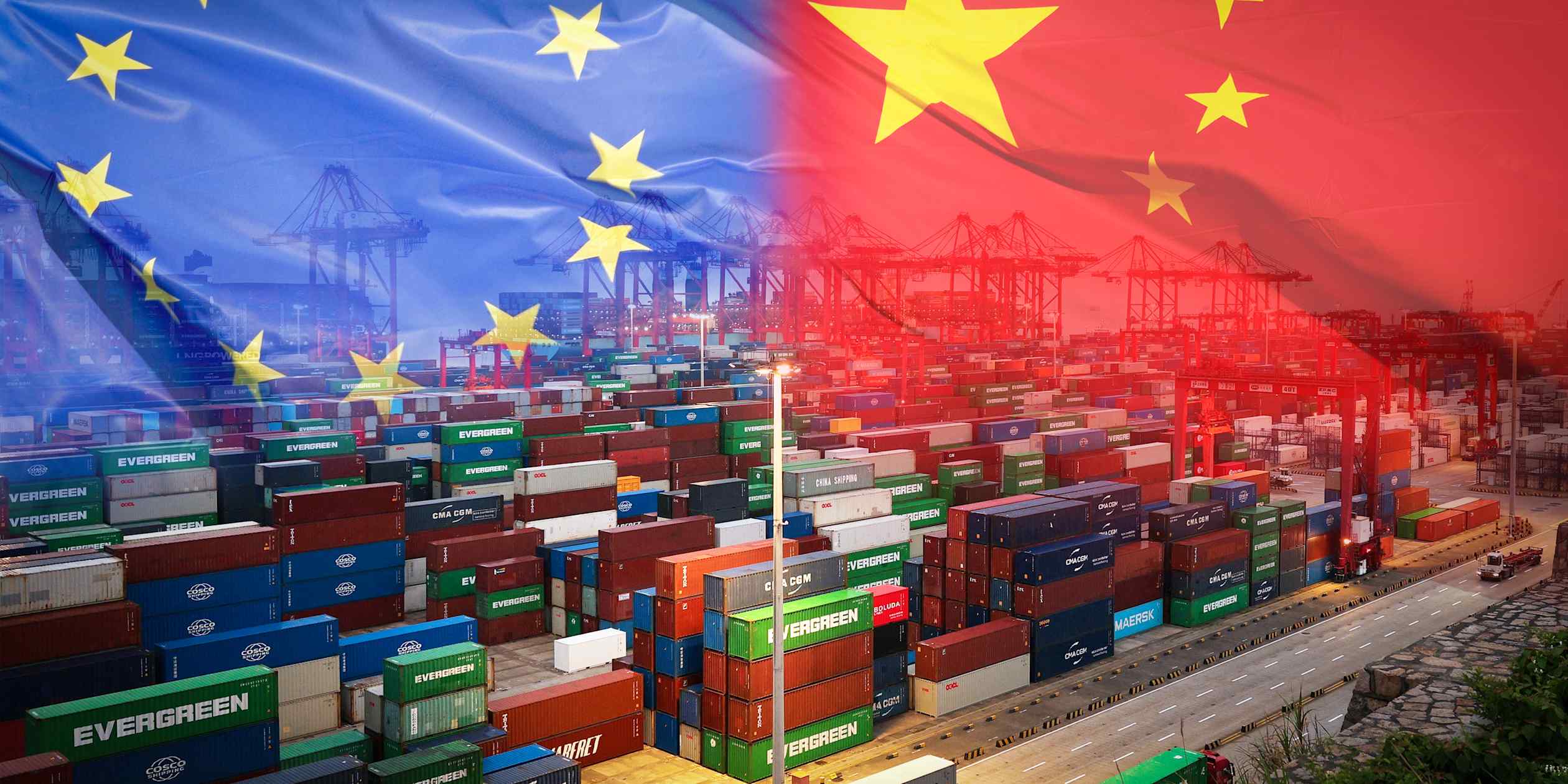
1. [para. 1][para. 2][para. 3] While the U.S.-China trade war has entered a period of relative calm, trade friction between China and the European Union is steadily intensifying. At the upcoming EU summit (June 18-19 in Brussels), discussions on bolstering competitiveness and countering economic challenges from China will be central. Accusations of Chinese industrial subsidies and cheap exports hollowing out European industries have become common in EU-China dialogues.2. [para. 4][para. 5][para. 6] At the G7 summit hosted by France, Western leaders are expected to discuss “China Shock 2.0,” a second wave of manufacturing competition. The current tensions began in September 2023 when the EU launched an anti-subsidy probe into Chinese electric vehicles. Compared to the U.S. and Canada’s steep 100% tariffs, the EU’s final duties of 17.0% to 35.3% are more moderate, leaving room for negotiations.3. [para. 7][para. 8] The EU is widening its investigations from electric vehicles to green energy, medical devices, and light industrial goods. Additionally, the EU recently placed several Chinese companies on sanctions lists for exporting dual-use goods to Russia; Beijing retaliated by placing European firms on its own export-control lists.4. [para. 9][para. 10][para. 11][para. 12] Three major factors strain China-EU relations. First, politically, since the Ukraine war began in February 2022, the EU accuses Beijing of indirectly funding Russia’s war economy; alignment on Ukraine is now a primary yardstick for EU foreign relations. Second, economically, the EU faces a massive trade deficit with China and rising Chinese competition in new-energy sectors, prompting calls for trade barriers. Third, supply chain vulnerabilities are heightened by Beijing’s export controls on critical minerals like rare earths, accelerating the EU’s “de-risking” strategy.5. [para. 13][para. 14][para. 15][para. 16][para. 17][para. 18] Despite these strains, the dispute is unlikely to escalate to the scale of the U.S.-China trade war. The EU remains dependent on certain Chinese goods—for example, Yangzhou Yangjie’s semiconductor chips are widely used in European automotive industry, so restrictions were temporarily lifted. The EU relies on China’s cost and technological advantages in wind power, solar energy, and battery storage for its green transition. The EU’s structure as a union of sovereign states limits its fiscal firepower compared to the U.S., making subsidized domestic production less profitable. Additionally, the EU takes a more rules-based approach, with tiered tariffs on Chinese EVs varying by cooperation level, unlike the aggressive U.S. tariffs of 84% to 145%.6. [para. 19][para. 20][para. 21] Beijing has shown a desire to keep the dispute from spiraling, emphasizing that the EU is a partner rather than a rival. To ease tensions, China could import more European goods, open its services sector, encourage Chinese companies to manufacture locally in Europe, and improve export mechanisms for critical minerals to balance security and efficiency.7. [para. 22] Neither side wants a costly trade war. For Beijing, maintaining a trade truce with the U.S. while tackling domestic challenges is a priority. For Brussels, escalating energy security and inflation risks make a trade conflict with China the last thing it needs. Finding common ground remains the most viable path forward.AI generated, for reference only
Commentary: How China and the EU Can Avert a Costly Trade War
With the U.S. trade truce holding, Beijing and Brussels are carefully managing their own economic disputes. Through localized manufacturing and open dialogue, both sides have strong incentives to find a common denominator
508 words~2 min read