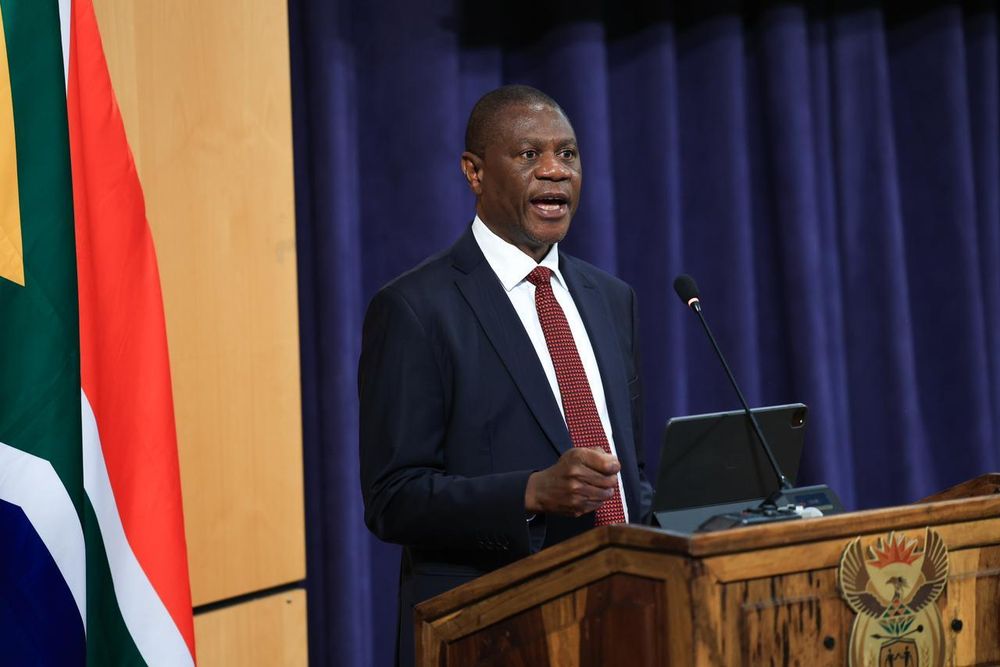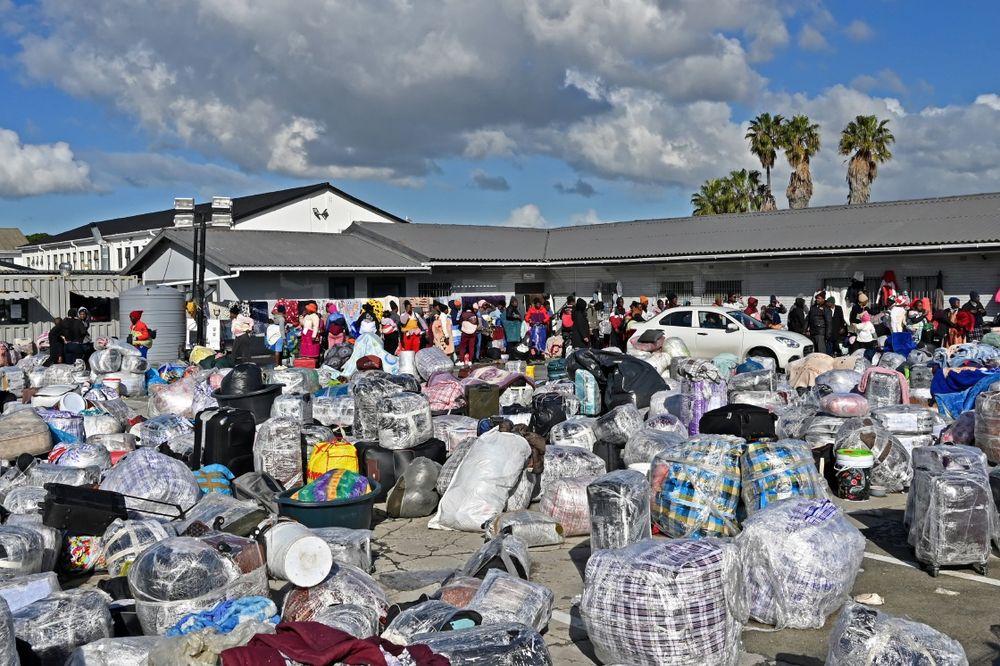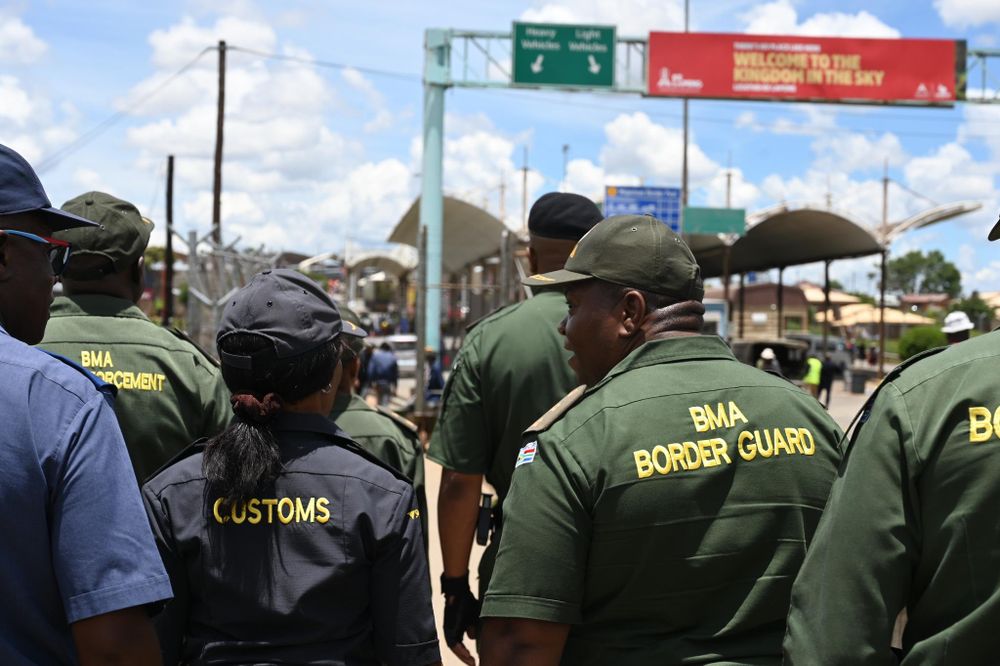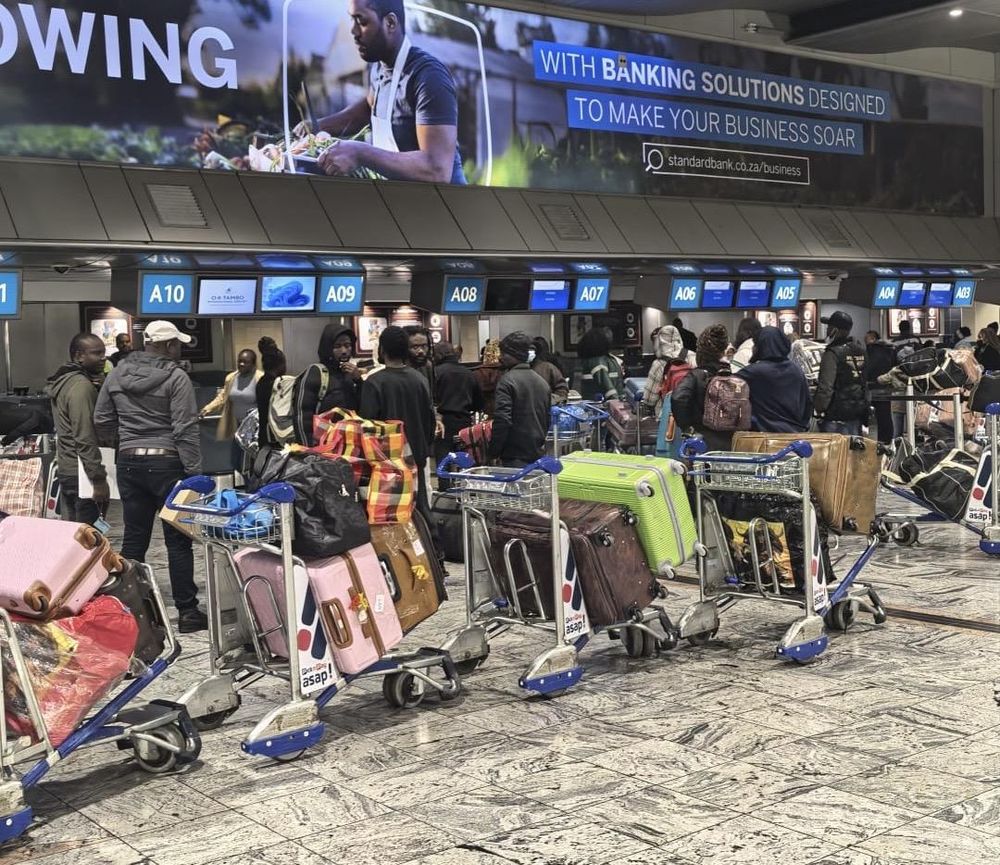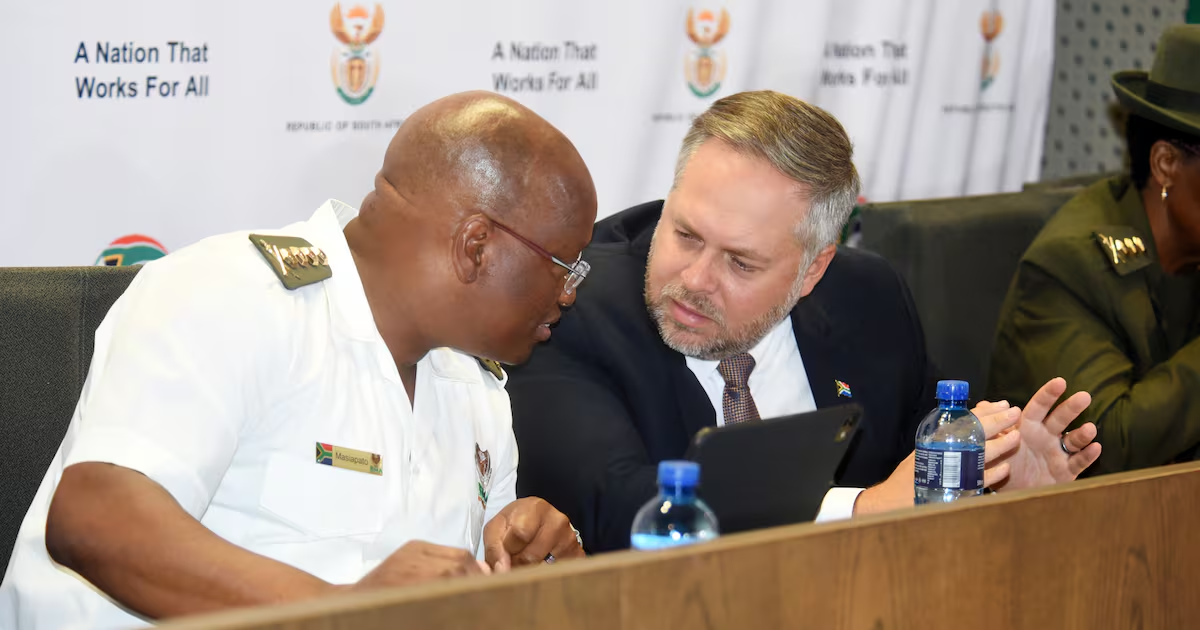
The president’s address to the nation on June 7 brought the theme of national borders and their functioning to the fore once again. While any violence and xenophobia is to be rejected with the utmost horror, the formal processes, particularly recent deportation figures from the department of home affairs, tell a story of a ministry that is doing what it said it would. Deportations do not solve the deeper problems behind xenophobia, such as South Africa’s porous borders, unemployment crisis, weak policing or collapsing state capacity. But they do show that when a department is led with focus, discipline and accountability, the same state machinery that once produced excuses can begin producing results pretty quickly when its focus shifts to results. According to home affairs, South Africa carried out 57,784 deportations in the 2025/26 financial year, up from 51,560 in 2024/25, 39,672 in 2023/24, 22,560 in 2022/23, 20,093 in 2021/22, and 14,859 in 2020/21. In plain terms, deportations have almost quadrupled in five years. Over the past two financial years alone, home affairs said it deported 109,344 illegal immigrants, a 46% cumulative increase since the formation of the government of national unity (GNU). People leave their countries for many reasons, including poverty, conflict, desperation, opportunity, family and to find work, and South Africa remains a place of hope, possibility and opportunity despite our many failures and frustrations. That is why people want to come here. It is also why South Africa must take its own borders, laws and institutions seriously. South Africa should never lose sight of the dignity of the person in front of the official. But compassion can never mean lawlessness. A country that cannot control who enters, who stays, who works and who receives legal status is not being humane or altruistic. It is being reckless. A lawful immigration system is fairer to citizens, fairer to legal immigrants, and ultimately fairer even to those who are desperate enough to risk entering the country unlawfully. Section 49 of the Immigration Act makes it an offence to enter or remain in South Africa in contravention of the act. It also creates offences for failing to depart when ordered to do so, knowingly assisting unlawful entry or stay, and knowingly employing an illegal foreigner. A country that cannot control who enters, who stays, who works and who receives legal status is not being humane or altruistic. It is being reckless.That point must be made without apology or malice: an illegal immigrant is, by definition, in the country unlawfully. No constitutional democracy can function if its laws are treated as suggestions, not even South Africa. The same principle applies to tax, corruption, violent crime, procurement fraud and immigration. On this point, Leon Schreiber’s tenure at home affairs deserves fair credit. The department has long been one of the most frustrating in South Africa. It is where whole days went to die long and sunburnt deaths. It is where ordinary citizens queued, and continue to queue, for identity documents, where parents register births and young people apply for passports, and where foreign investors decide whether South Africa is serious about the world. For many years it was also a symbol of the worst kind of state failure epitomised by endless queues, mysterious delays, blocked IDs, visa backlogs, corruption and paper-based processes that seemed designed to punish honest people and reward fixers. The difference under Schreiber’s leadership at home affairs is not that every idea is new or unique to him and his party. The difference is that more things are getting done. Home affairs has extended operating hours at key moments, encouraged the use of appointment systems, and introduced dedicated collection counters to help citizens receive essential documents more efficiently. It has also pushed a broader digital reform agenda, including visa reform, biometric verification and the planned expansion of electronic travel authorisation systems. Again, none of this means the department is fixed, but it doesn’t seem as broken as it once was. The immigration enforcement numbers are illustrative of that shift. The department has credited increased deportations to greater efficiency, intensified enforcement, Operation New Broom, biometric verification tools, and co-operation with law enforcement partners. The numbers are moving. When home affairs fails the whole economy pays for it. Skilled workers wait months or years for permits. Tourists choose easier destinations. Investors lose confidence. South African businesses struggle to hire scarce skills. Citizens cannot get identity documents, which means they cannot study, work, vote, open bank accounts or participate fully in the economy. A broken home affairs is a brake on growth. Schreiber has argued that attracting tourists, capital and skills through visa reform is one of the most powerful short-term steps South Africa can take to support economic growth. Reforms have included a points-based work visa system and a remote work visa, both aimed at reducing administrative barriers and improving South Africa’s attractiveness to skilled workers and investors. This is the balance South Africa needs, where it is firm against illegality, welcoming to lawful visitors, serious about skills, and efficient for citizens. A serious country does not choose between border control and economic openness. It does both. It says no to unlawful entry, document fraud and corrupt officials, while saying yes to tourists, entrepreneurs, investors, scarce skills and legal migration. The problem with South Africa’s old approach was that it too often achieved the opposite. It was soft on illegality and hostile to legality. That is the worst of both worlds. A report earlier this year described findings from a government investigation into corruption in immigration processes, including allegations of officials accepting bribes for visas and residency permits. The report said the Special Investigating Unit had made 275 criminal referrals to the National Prosecuting Authority, while Schreiber pointed to digital transformation as central to closing the space for fraud. Corruption thrives in discretion, so a modern home affairs must be digital, transparent, trackable and harder to manipulate. DA ministers, hoping to emulate Schreiber’s success, must understand drafts and speeches and reports are all secondary, at least in the eye of the citizen, to a functional government that works, that gladly shoulders its responsibility, and that shows backbone where real reform is needed. The first months of Geordin Hill-Lewis’s tenure have suggested a welcome firmness. The VAT debate showed the DA can be constructive without being compliant. That is the balance South Africa has to learn in this new era of coalition politics. No party can behave as if it won the national election outright, but the task of the parties in the GNU, particularly those not ideologically aligned to the transformationist agenda of the ANC, is to be constructive, principled and co-operative, yet never captured. Home affairs gives us a glimpse of what that might look like. South Africa has had enough policy romanticism. We do not need another minister who can describe the problem beautifully while presiding over its continuation. We need ministers who can make the queue shorter, the border firmer, the visa faster and the system cleaner. • Maritz is campaigns director at Free SA.
PAUL MARITZ | Is home affairs a glimpse of what might be, or a lone star?
Balancing border control and economic openness shapes a new era for SA
TL;DRAI
South Africa's Home Affairs deported 57,784 illegal immigrants in 2025/26, nearly quadrupling five-year enforcement totals under minister Leon Schreiber's leadership through biometric verification and operational discipline. A functioning immigration system signals state capacity and attracts scarce talent and capital, positioning visa reform and digital travel authorisation as economic growth levers for emerging markets balancing border control with competitiveness.
1,176 words~5 min read