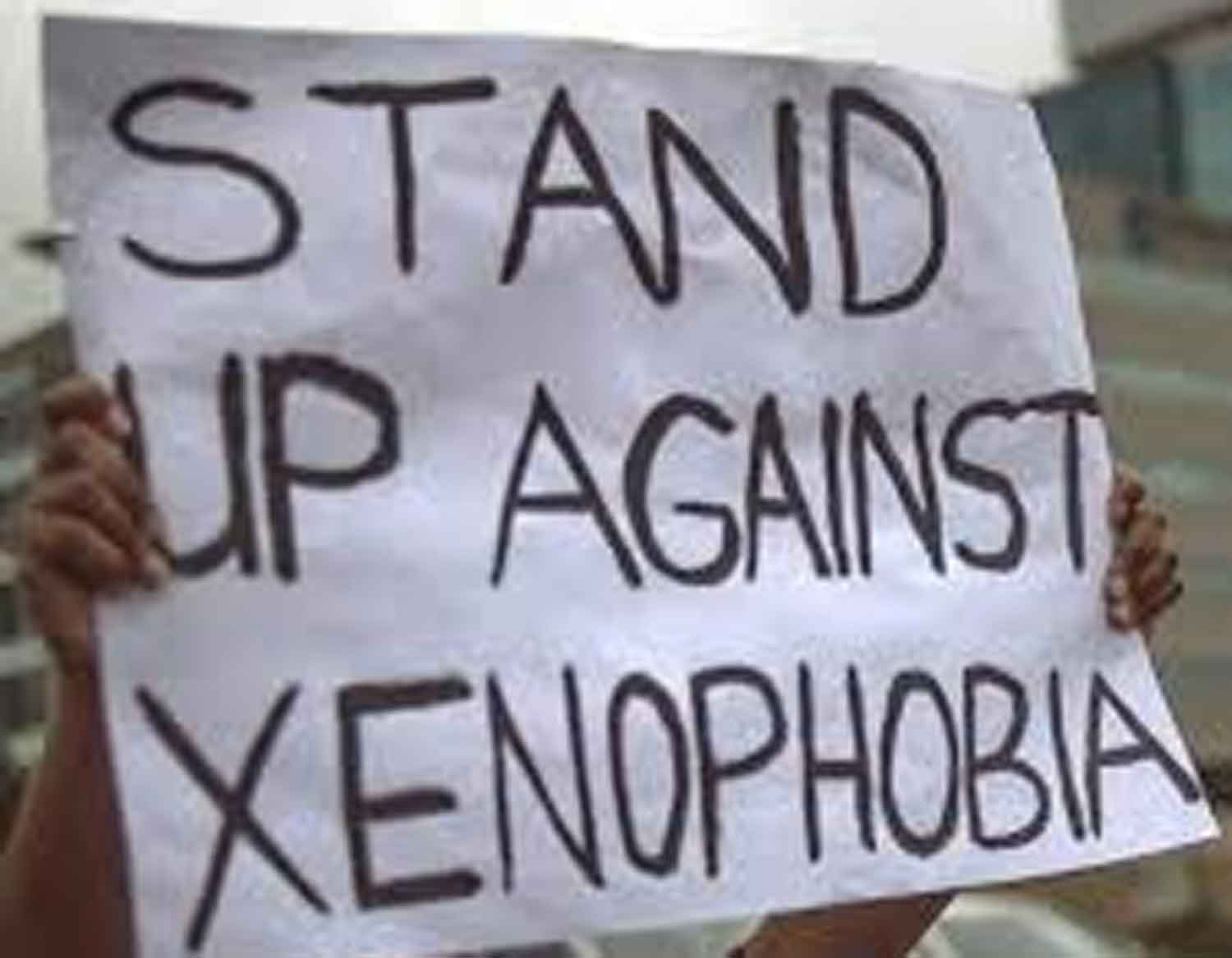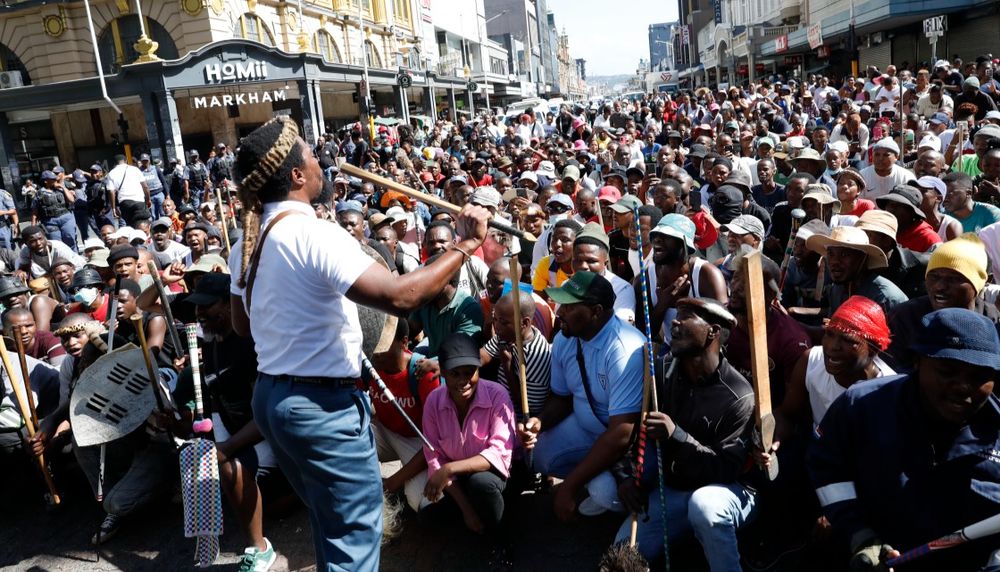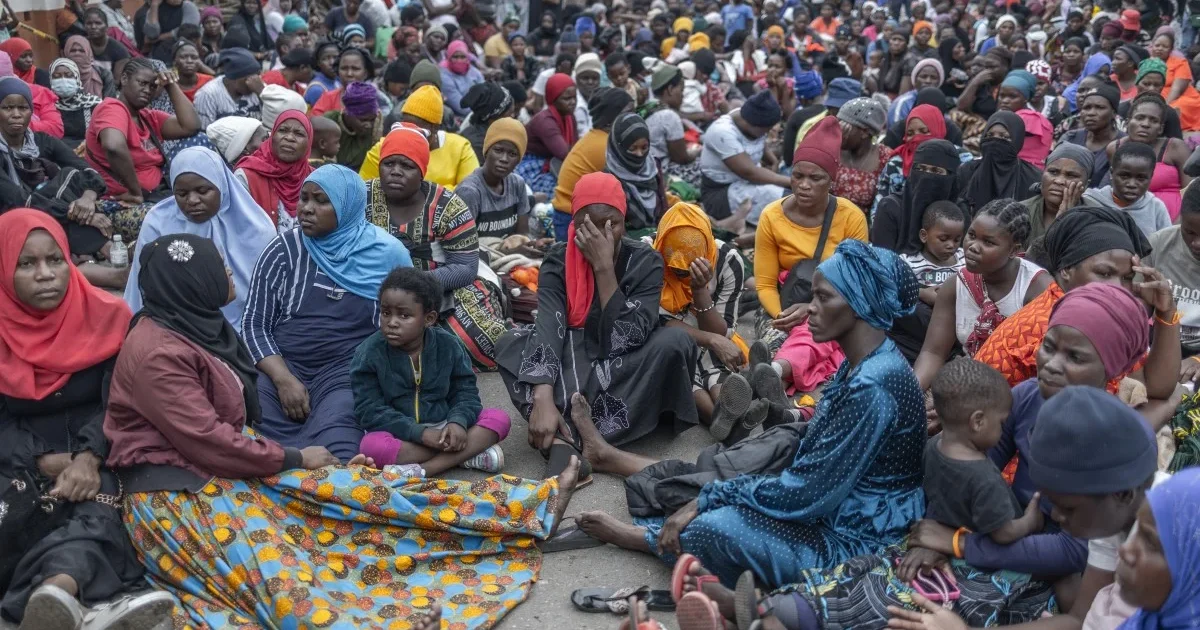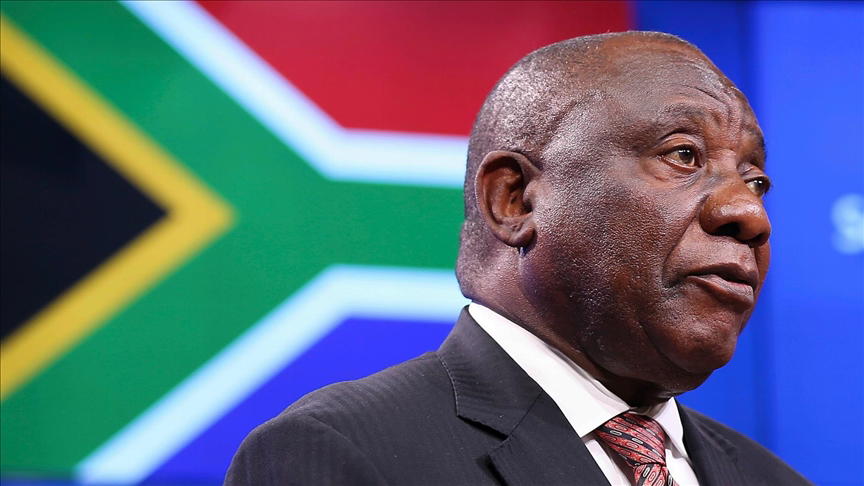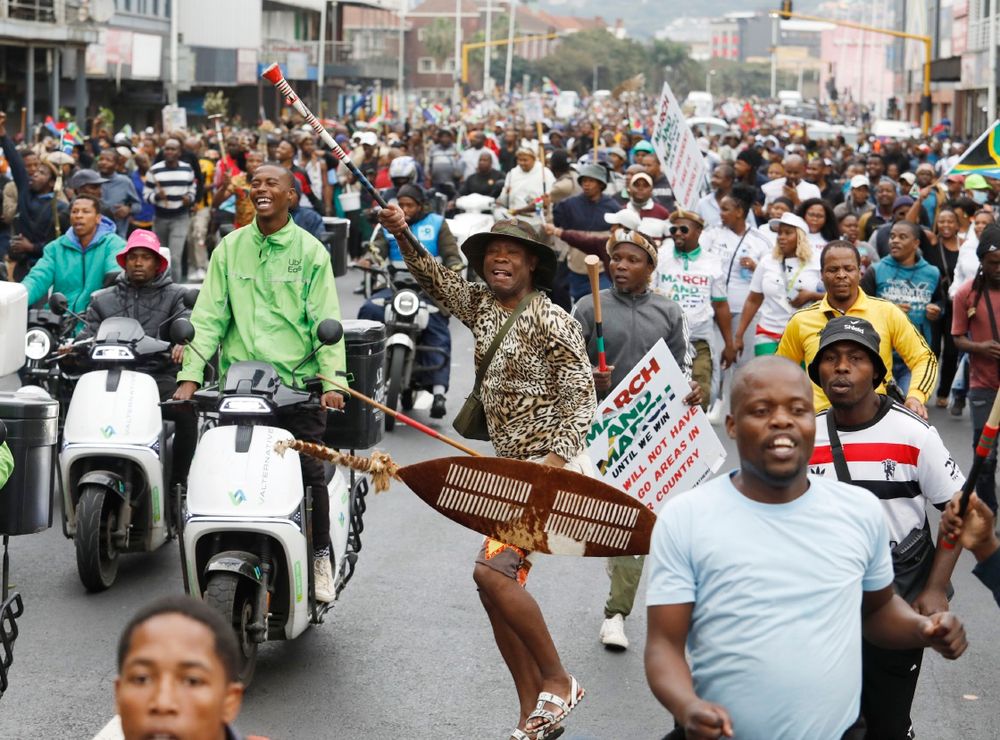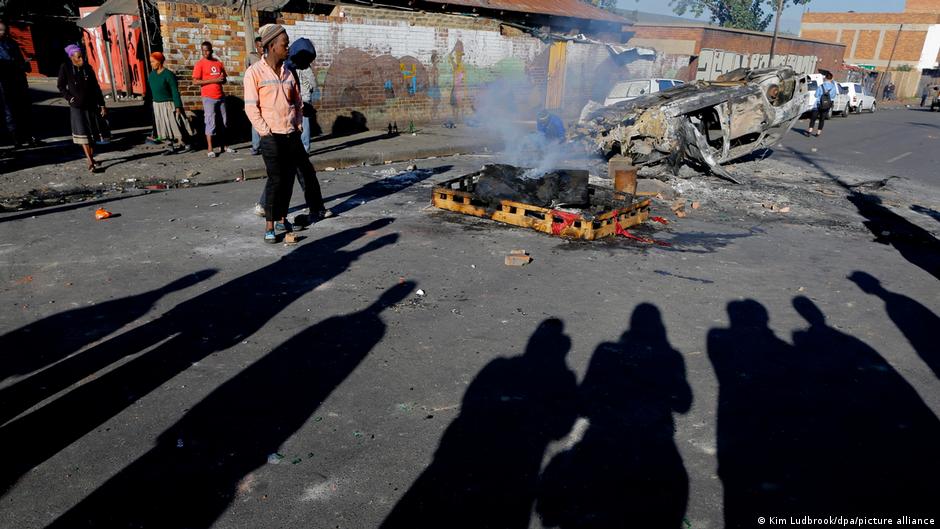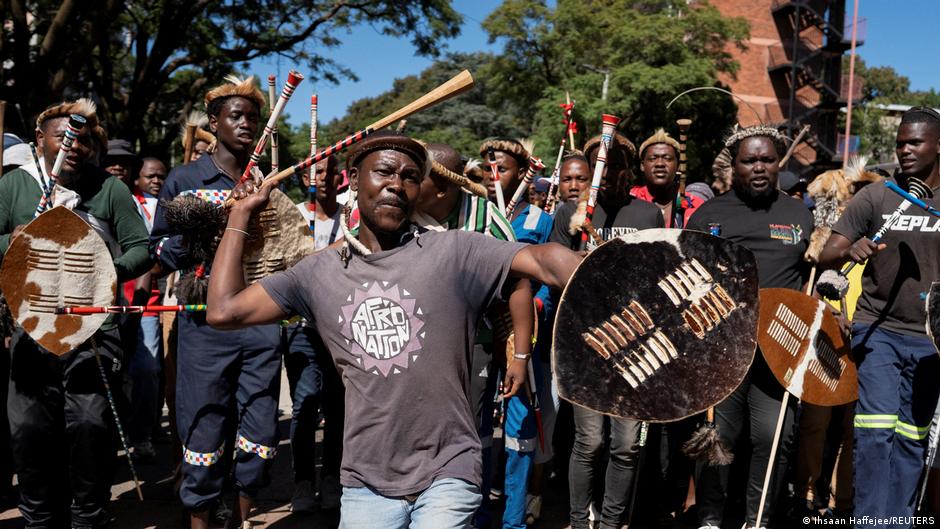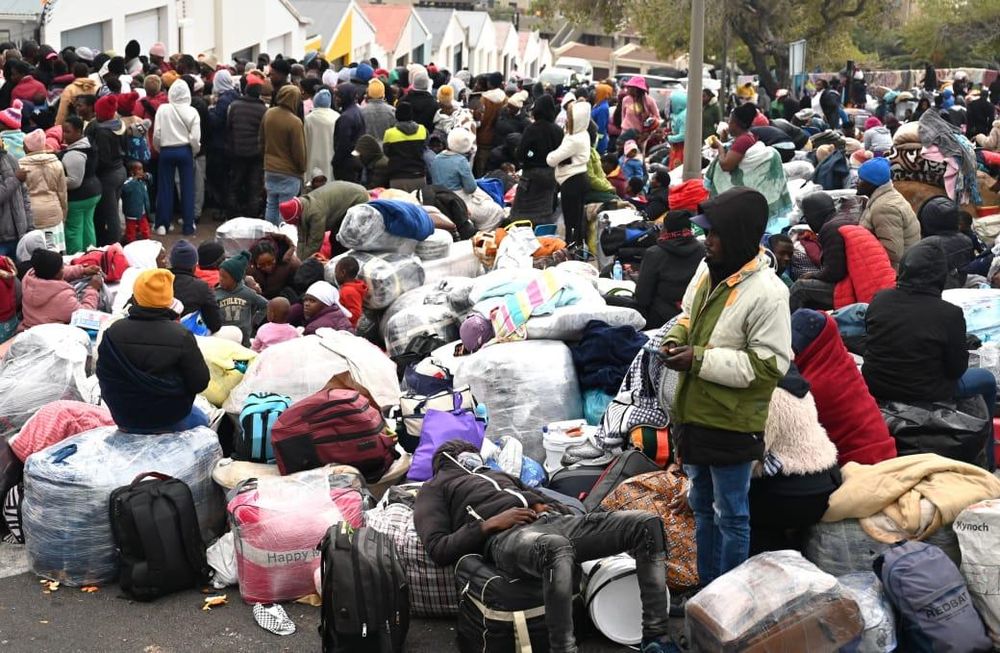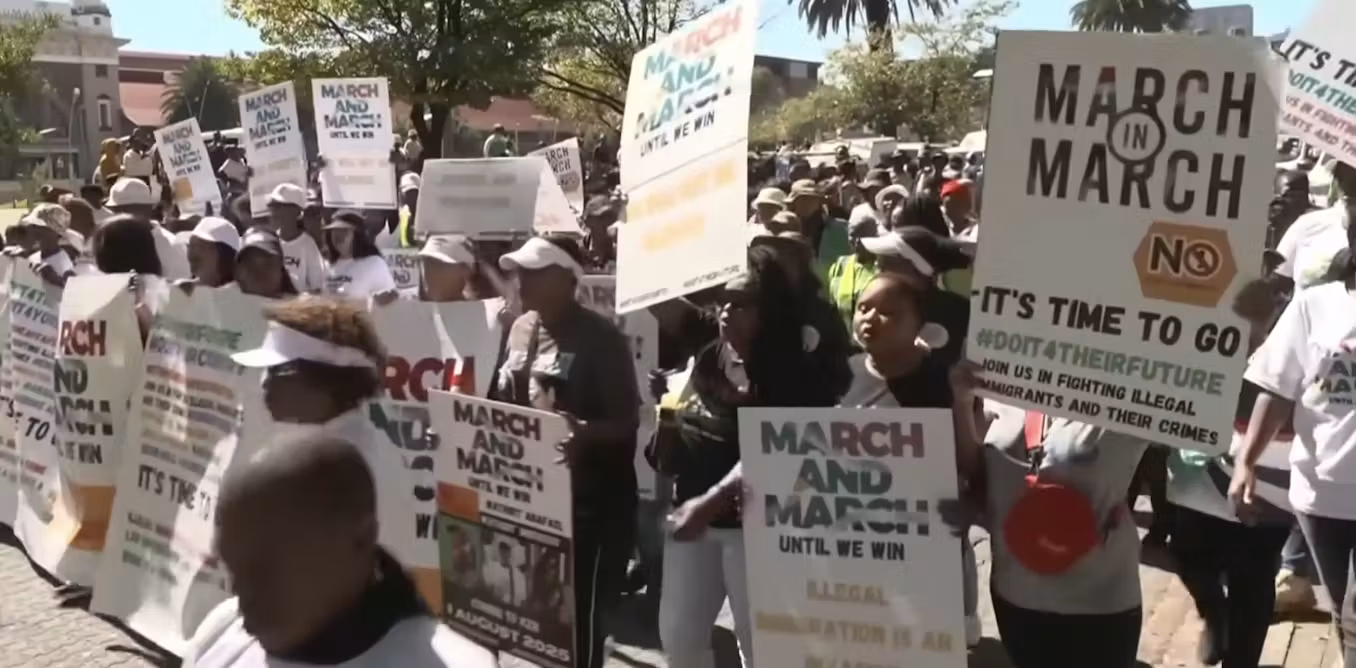
Marches, Mozambicans murdered, state-sponsored evacuations, a nationally televised presidential address. Anti-immigrant mobilisation has again drawn the world’s attention to South Africa. The continental backlash threatens tourism, trade, diplomacy and investment opportunities in Africa’s largest economy, and is derailing its constitutional democracy.
Many citizens demand the country restore its sovereignty – the state’s ability to govern itself and determine its own laws within its borders – by tightening border controls. Parties promise to deliver walls, raids and deportations.
What these popular debates over sovereignty and border control overlook is that politics is not defined on the borders. It comes from control over resources and production. In South Africa’s past, this was mines. Now it is cities, townships, and the infrastructure that connects them. This is where the country’s political future is being forged. This is where sovereignty is being lost. And the state is helping to make this happen.
Over the past 20 years, we have investigated the politics of migration and xenophobia in South Africa. Together we founded Xenowatch and the Mobility Governance Lab to document incidents of xenophobic discrimination and evaluate strategies to promote secure mobility and social cohesion.