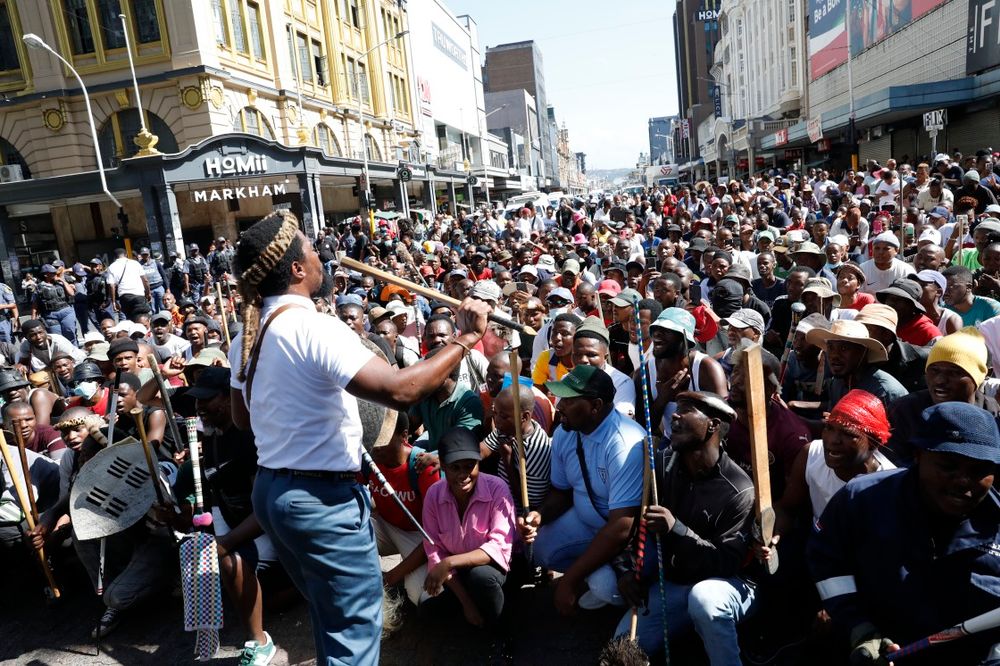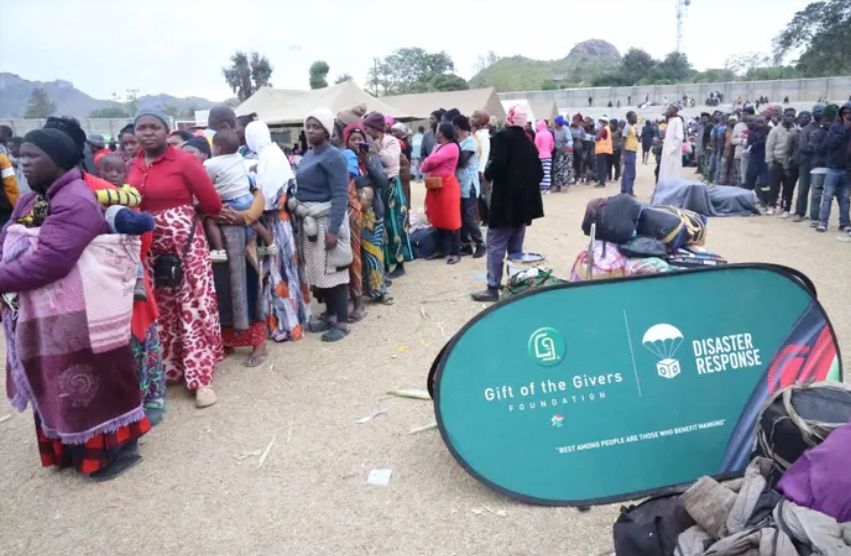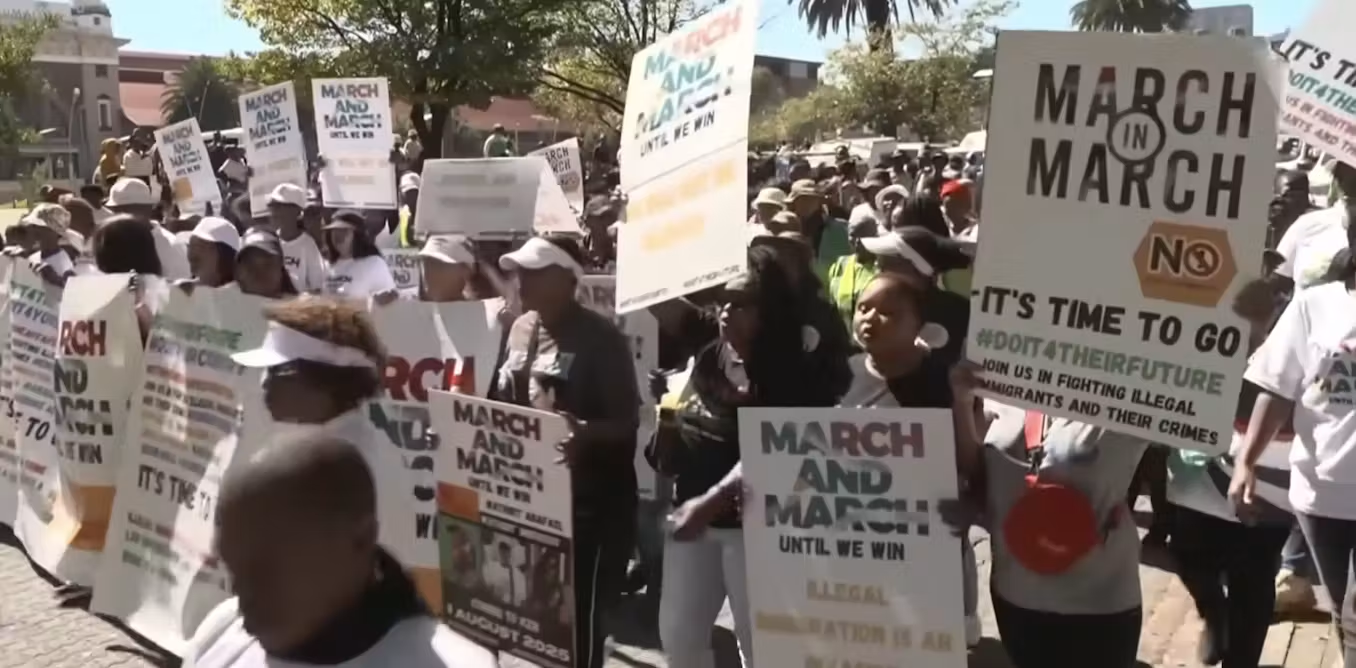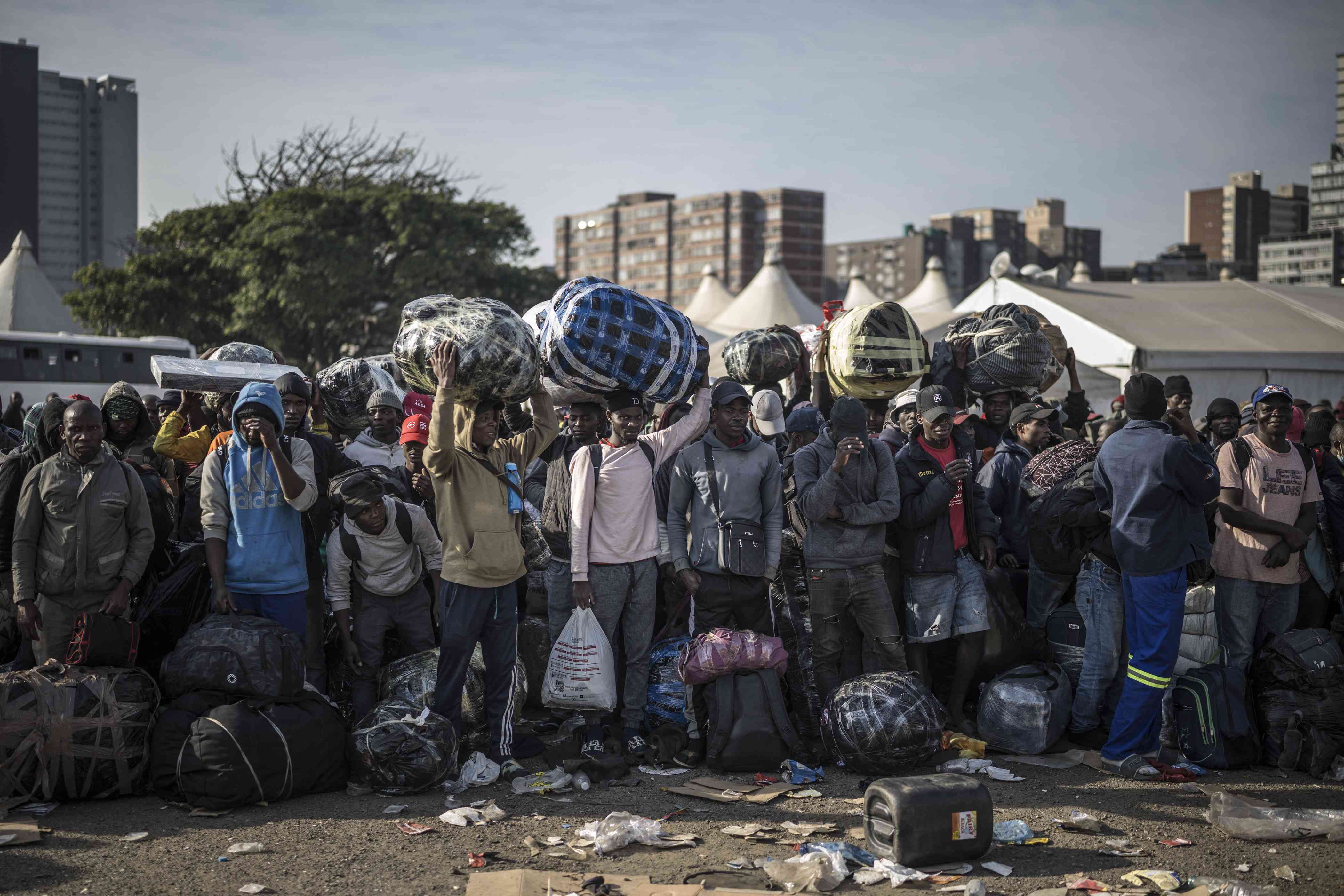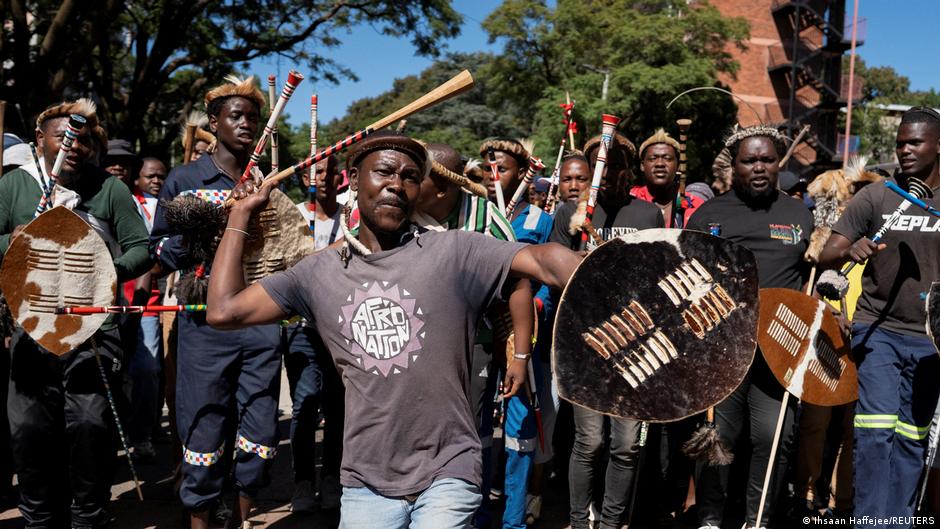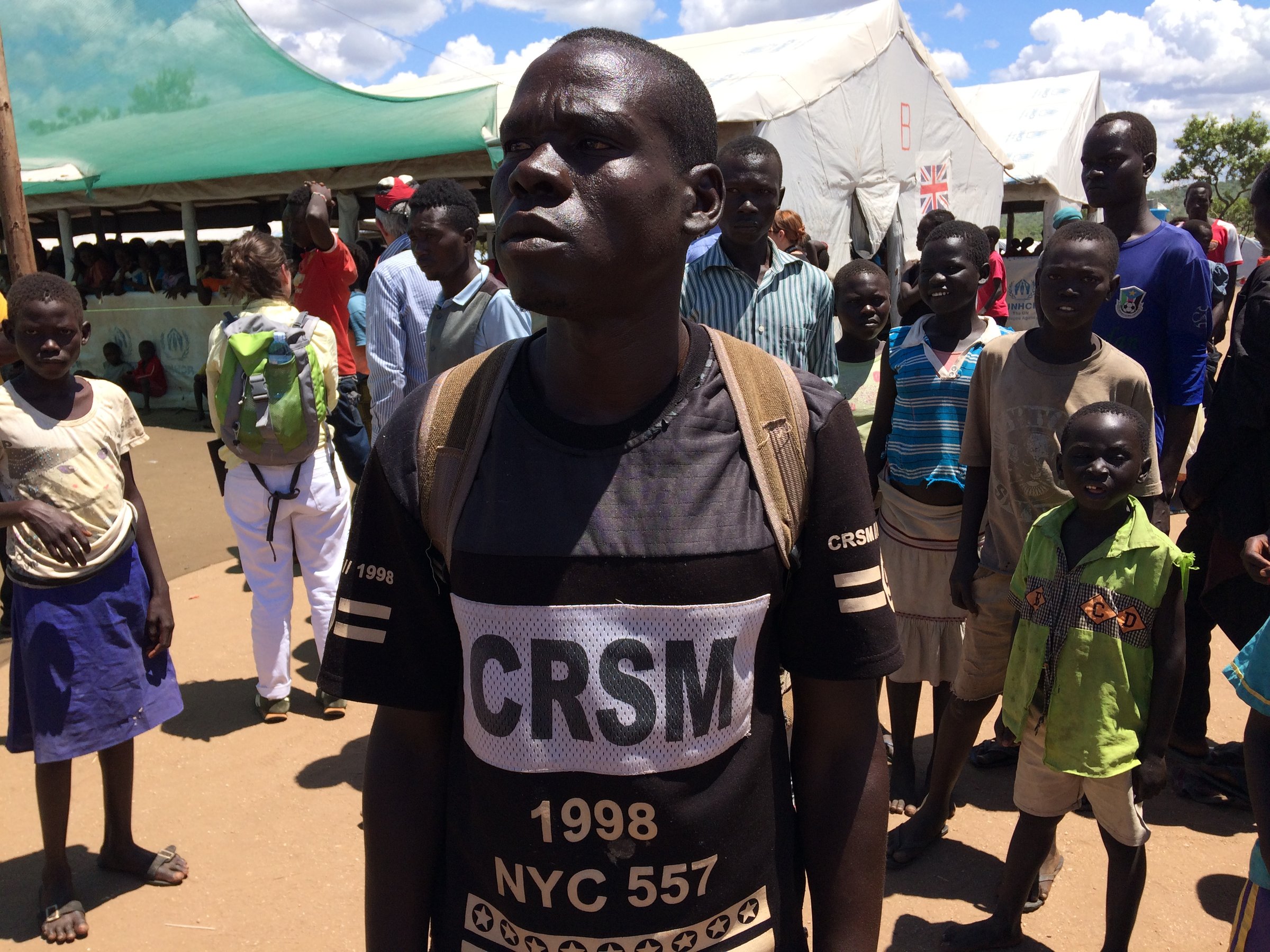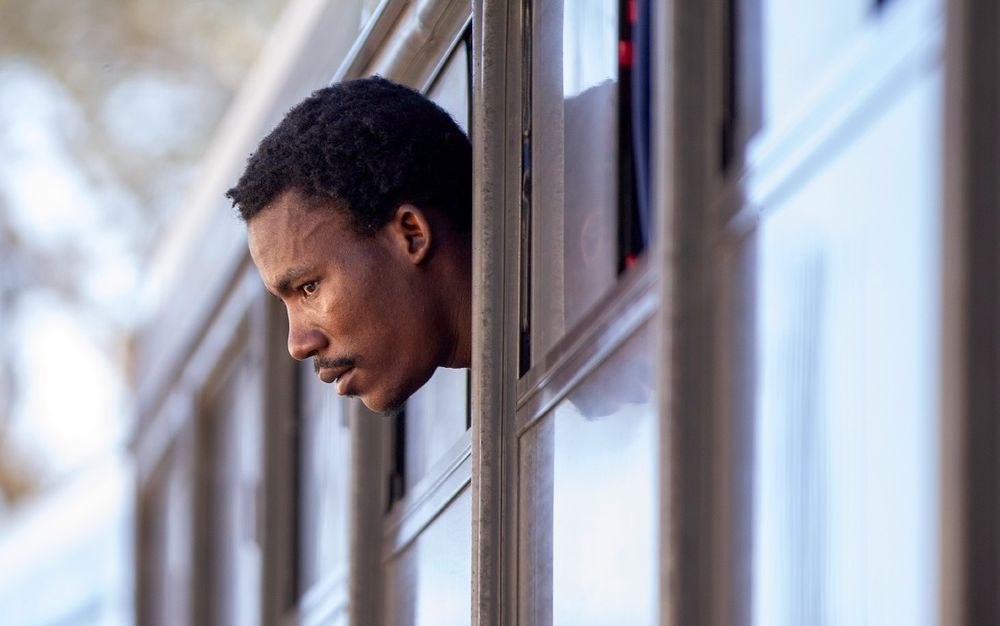
Scores of Malawian migrants board buses to their hometowns as xenophobia tension continues to build in South Africa.
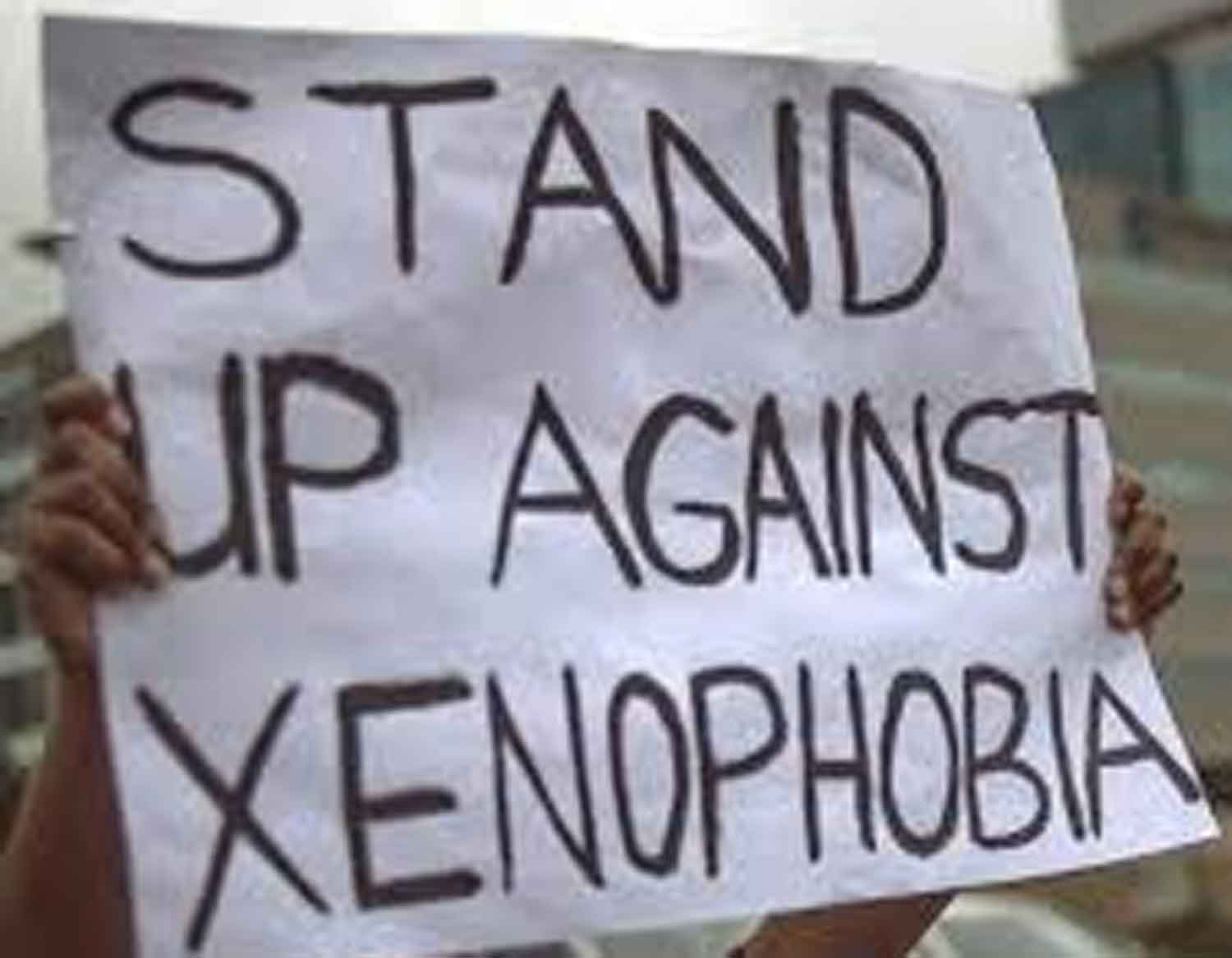
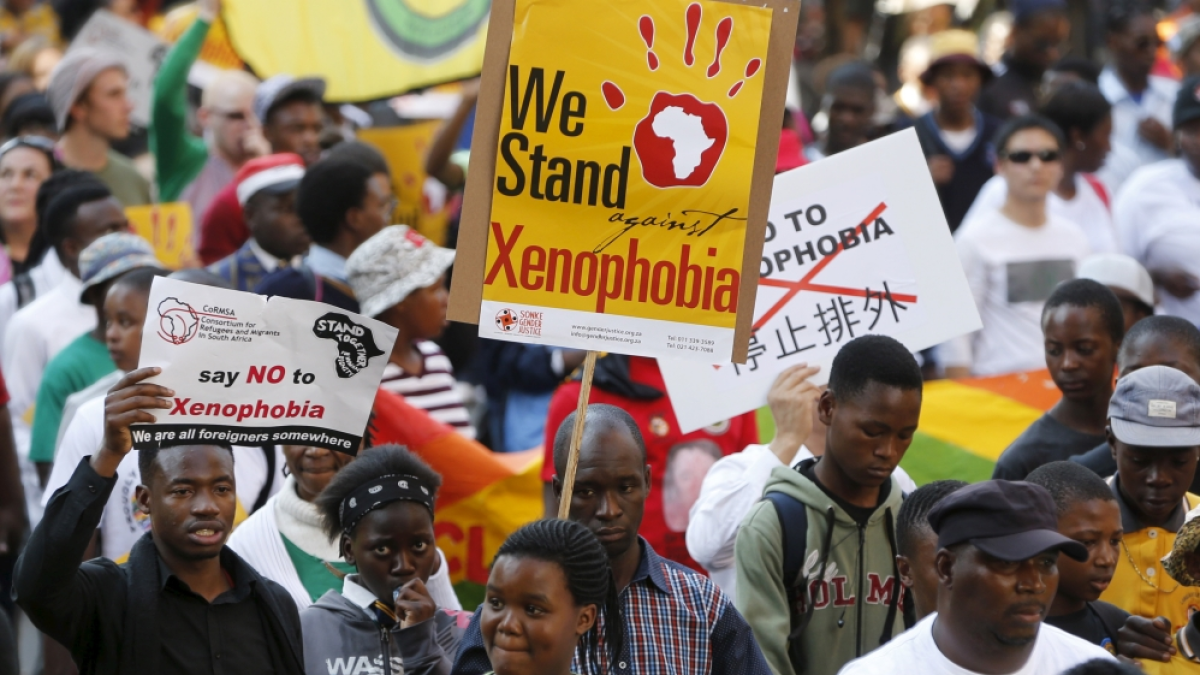
South Africa’s democratic transition in 1994 promised a society founded on human dignity, equality and non-racialism. Yet, three decades later, a disturbing trend has emerged: the transformation of legitimate frustrations about poverty, unemployment, crime, and state failure into hostility towards foreign nationals. This shift can be described as a movement from “zerophobia”, the fear and resentment arising from having nothing, to xenophobia, the fear and hatred of those perceived as outsiders who are the cause of zerophobia.
South Africa remains one of the most unequal societies in the world. (The World Bank's most recent comparable data for South Africa report a Gini coefficient around 0.63, while earlier estimates were approximately 0.67. Both values place South Africa at the top of the global rankings.) Millions of citizens face unemployment, poor service delivery, inadequate housing and limited economic opportunities. When people experience chronic deprivation, they seek explanations for their circumstances.
The challenge is that structural causes; corruption, state capture, poor governance, economic stagnation, failing education systems and global economic pressures, are complex and difficult to confront. Foreign nationals, by contrast, become visible and convenient targets. Migrants often occupy informal trading spaces, work in sectors avoided by locals, or establish successful small businesses. Their visibility, their success, creates the illusion that they are the cause rather than fellow victims of economic hardship.