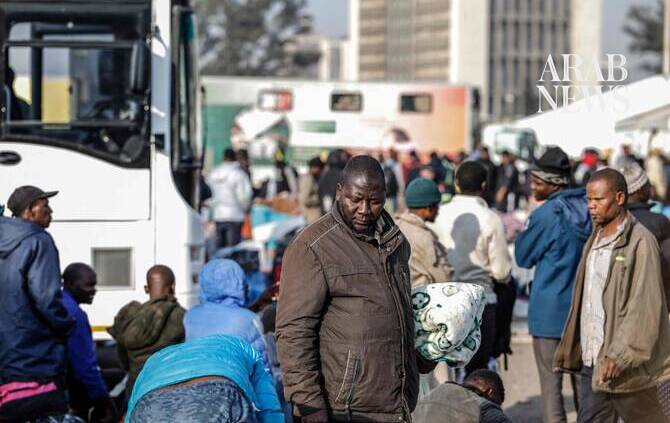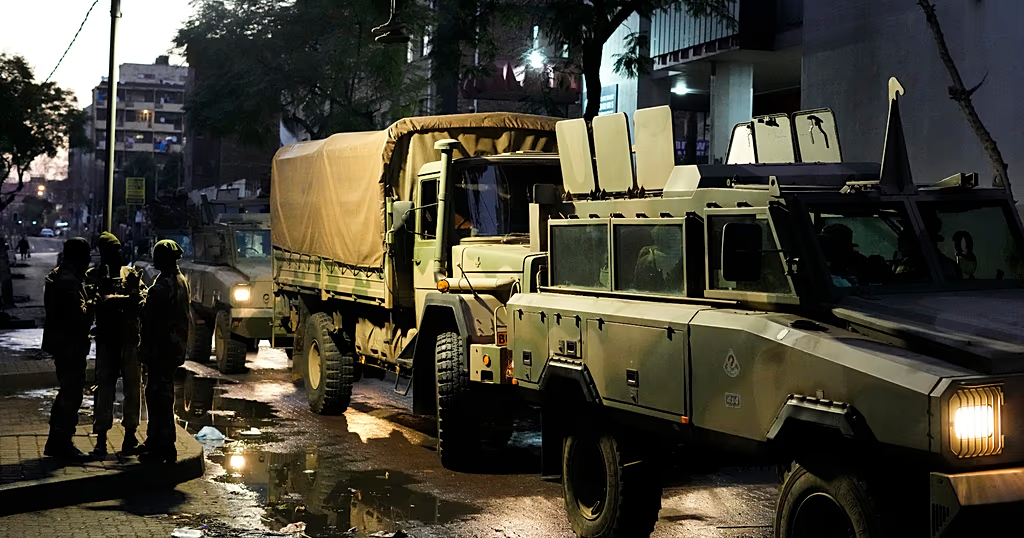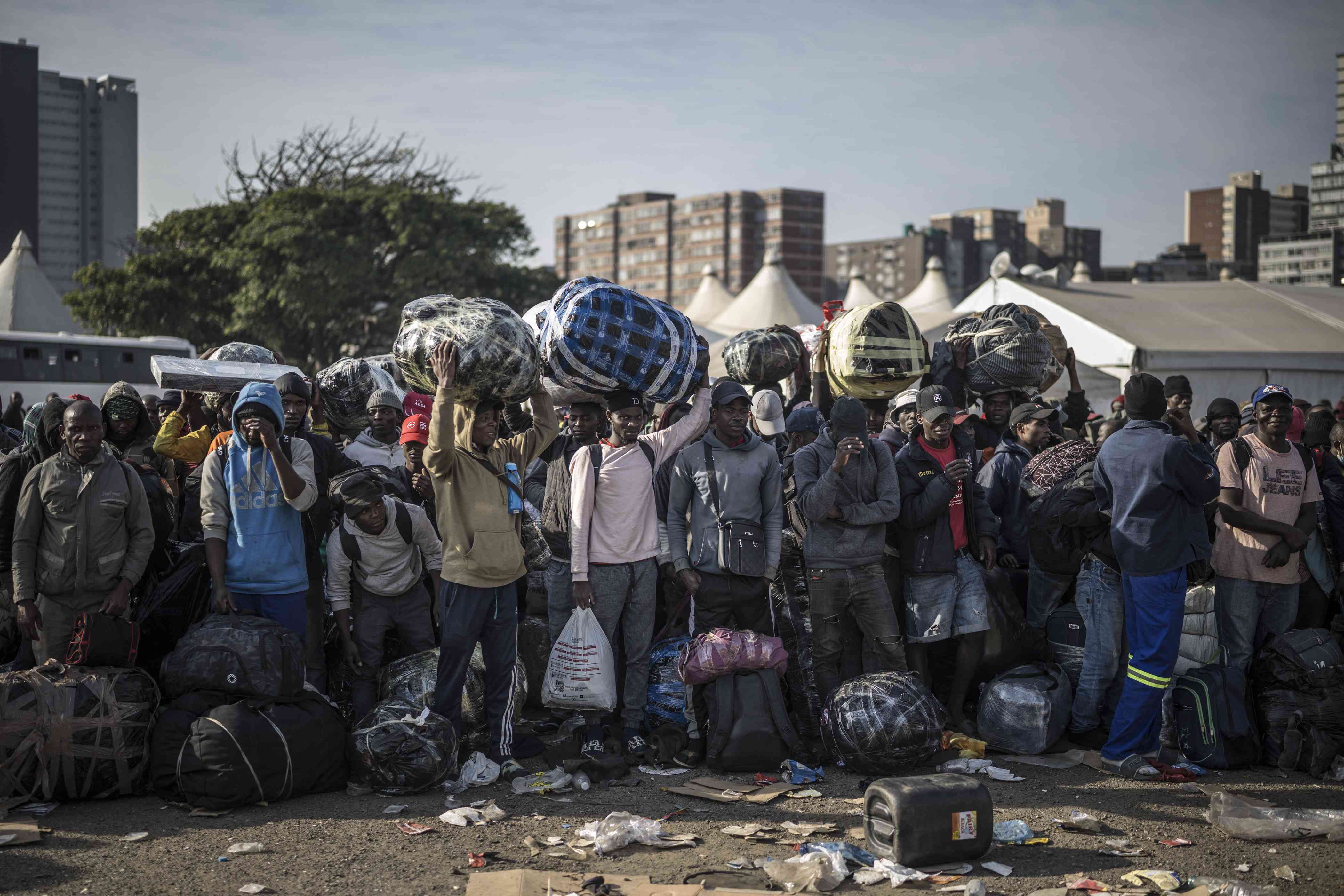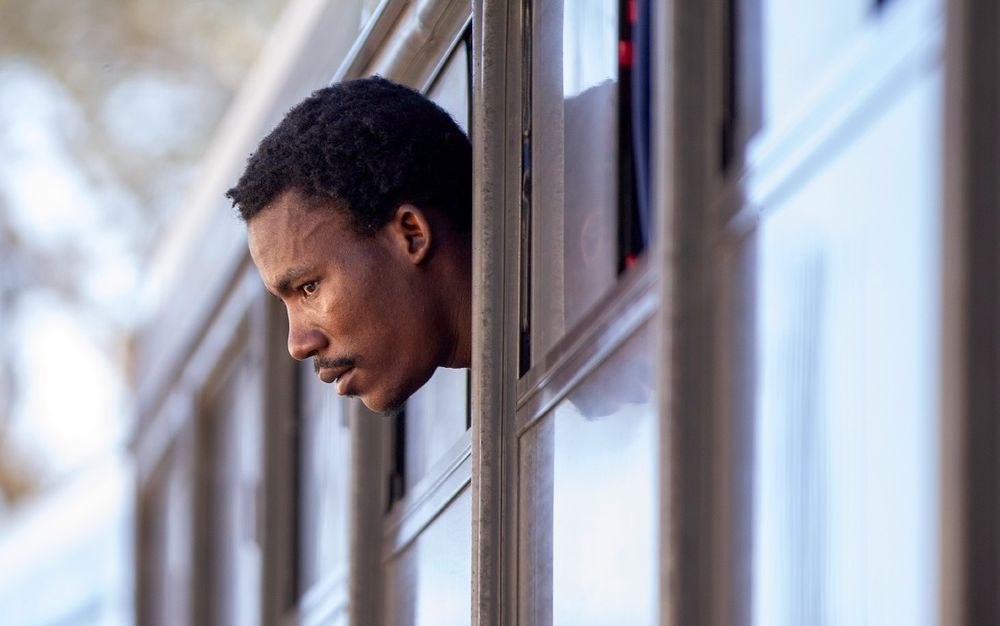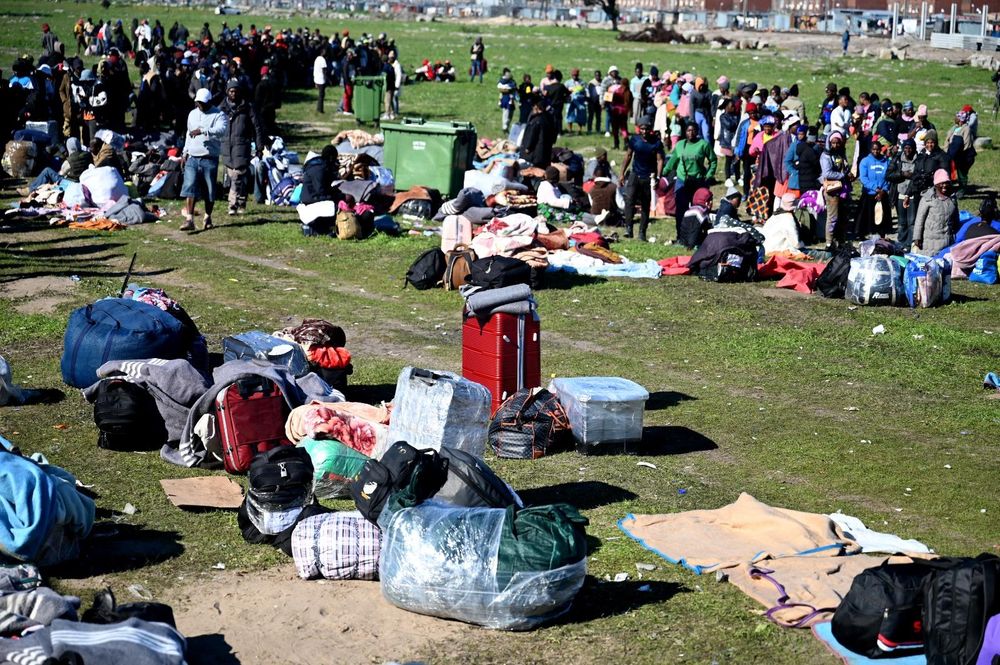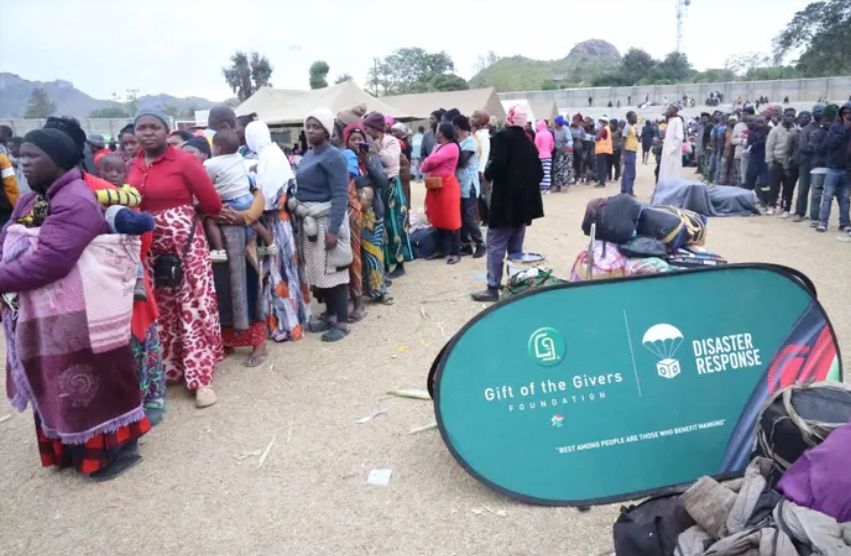
Humanitarian efforts ease the return of Malawians fleeing violence in South Africa.
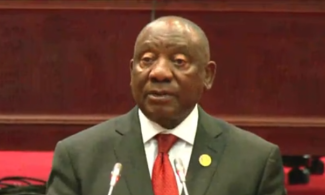
There is a meaningful distinction between opposing illegal immigration and opposing Africans. President Cyril Ramaphosa's address to the nation drew that line explicitly, insisting South Africans are not, by disposition, xenophobic, while acknowledging that undocumented migration places real pressure on the labour market and public services. His five-pillar strategy, tighter enforcement, dedicated immigration courts, border security, anti-corruption measures within Home Affairs, and continental cooperation, is not the architecture of a nation rejecting its neighbours. It is a state trying, belatedly, to govern its own borders, a right every sovereign nation claims without apology.
None of this excuses what has happened on the ground. Vigilante violence has no legitimate place in immigration policy, and no economic grievance justifies mob action against another human being. That must be said plainly. However, criminal violence carried out by opportunists exploiting public frustration does not retroactively delegitimise a legitimate concern about an unmanaged migration system. Two wrongs can co-exist. Ramaphosa has been unambiguous that only the state holds authority to enforce immigration law , not private citizens, not vigilante groups. Condemning the violence and acknowledging the crisis are not contradictory. They are, in fact, the only intellectually honest positions available.