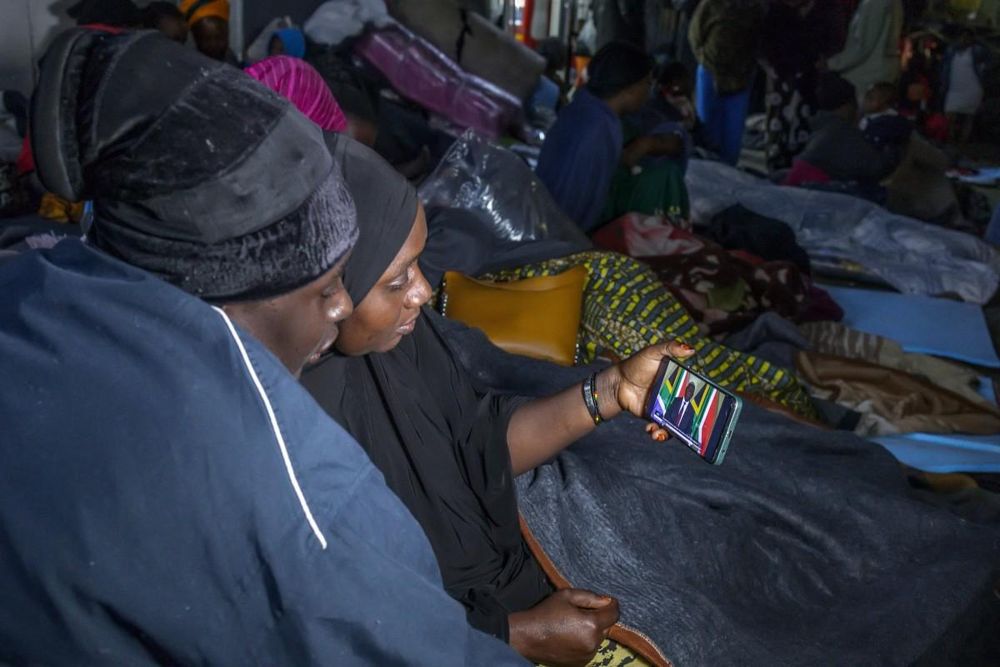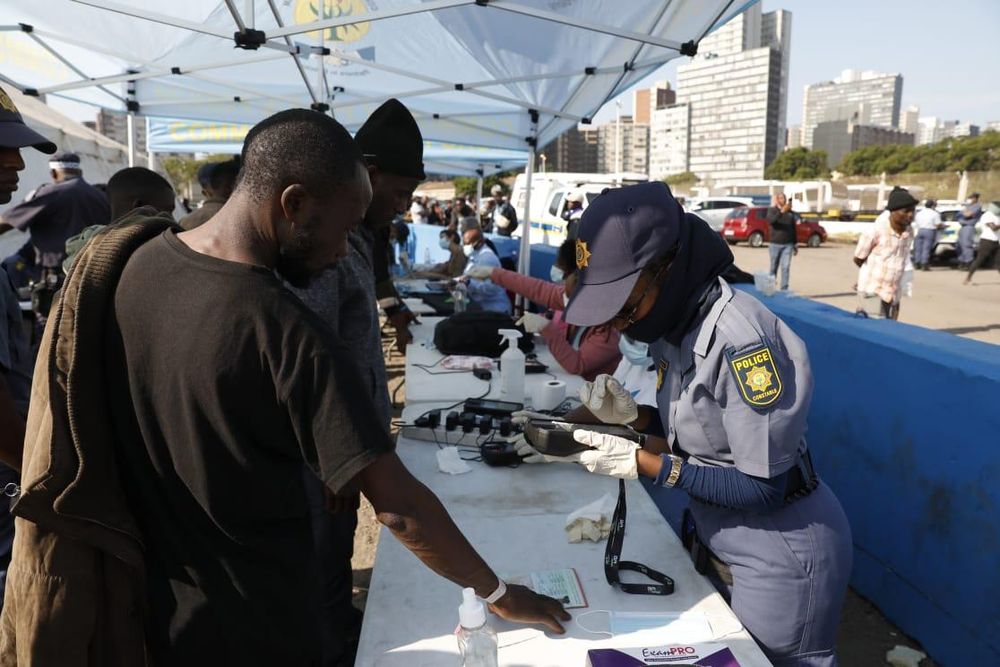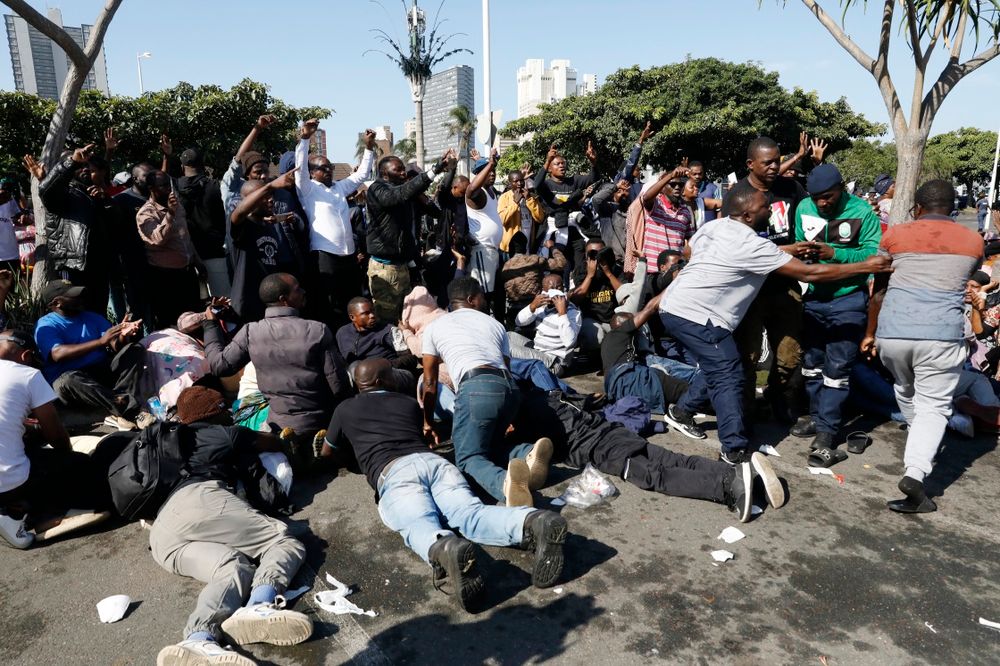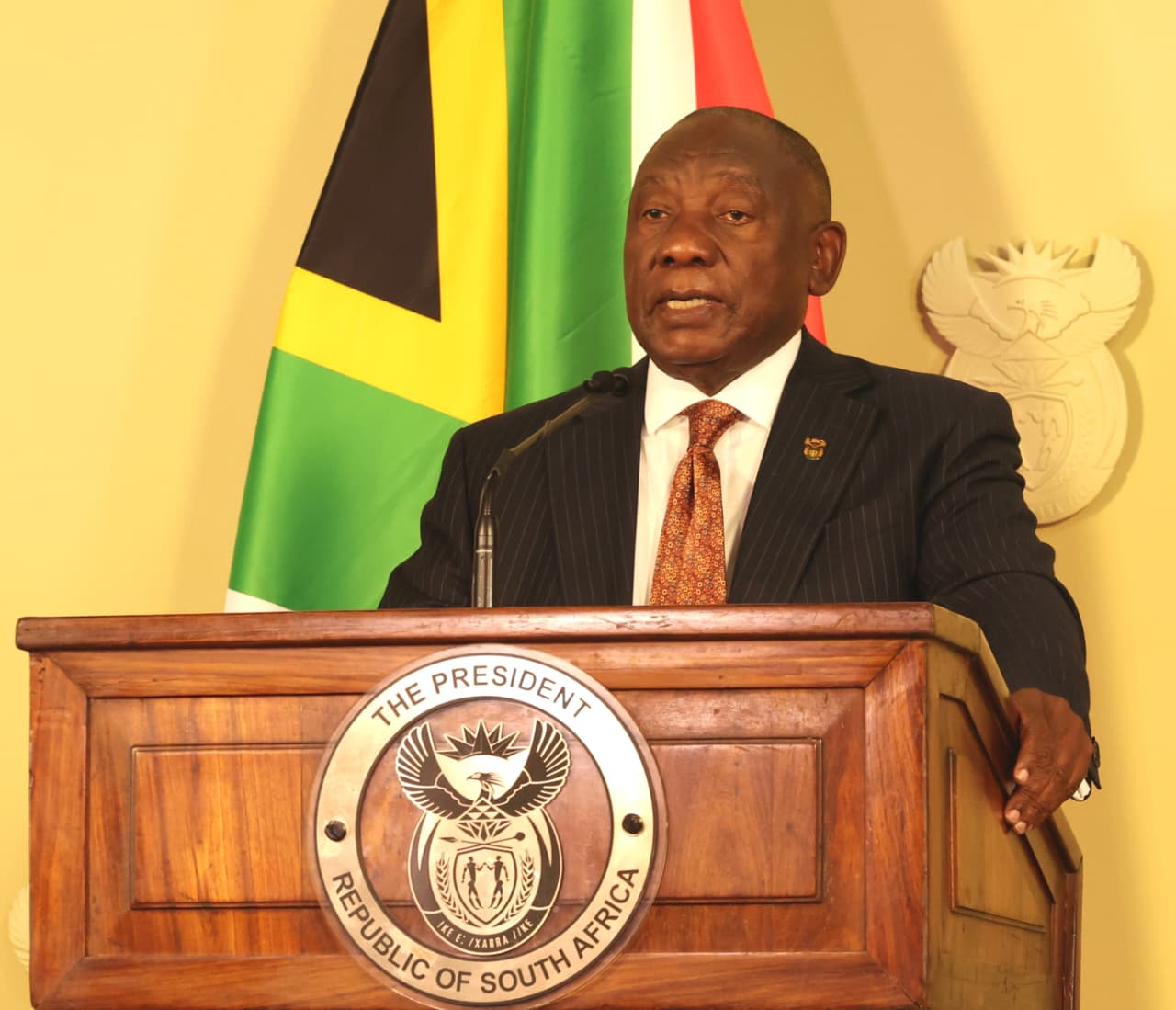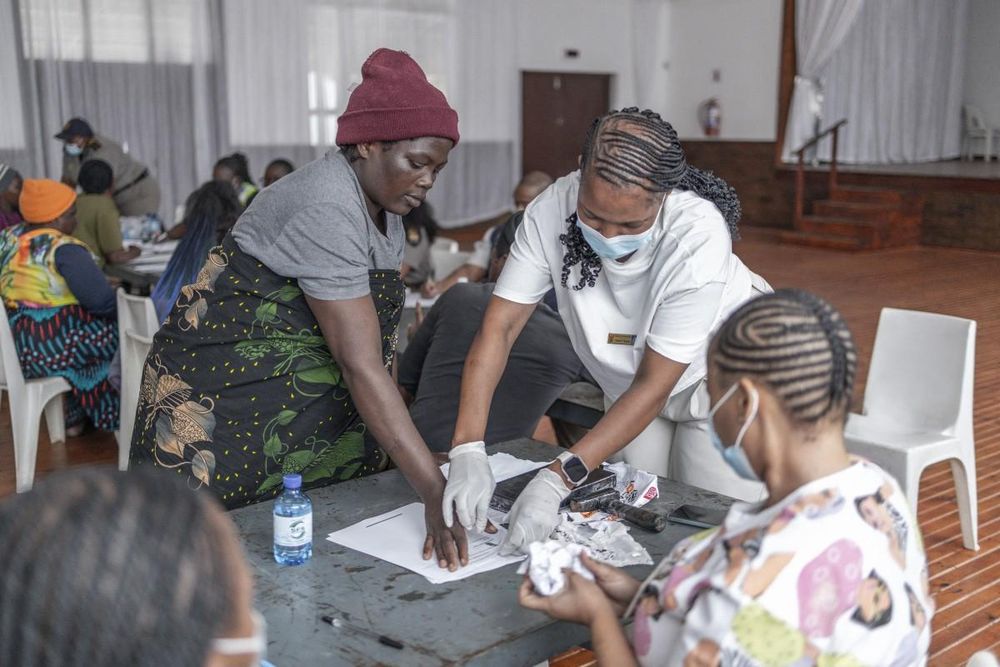
Immigration officials from the Department of Home Affairs take finger prints in order to verify documents of foreign nationals in Durban on June 12. Maintaining sovereignty in immigration policy while managing relations within the continent and the SADC region demands pragmatic leadership, says the writer.
Prof. Sipho Seepe
While on the 2019 election campaign trail, a buoyant President Cyril Ramaphosa told an excitedly obsequious crowd: "Everybody just arrives in our townships and rural areas and sets up businesses without licenses and permits. We are going to bring this to an end. And those who are operating illegally, wherever they come from, must now know".
At the time of making this promise, those eating out of his hands believed him. They also believed that he understood their plight. This was one of the many of President Ramaphosa’s election promises that could not be sustained beyond the election season. By now, many South Africans have come to accept that with Ramaphosa, it is all talk and zero delivery.
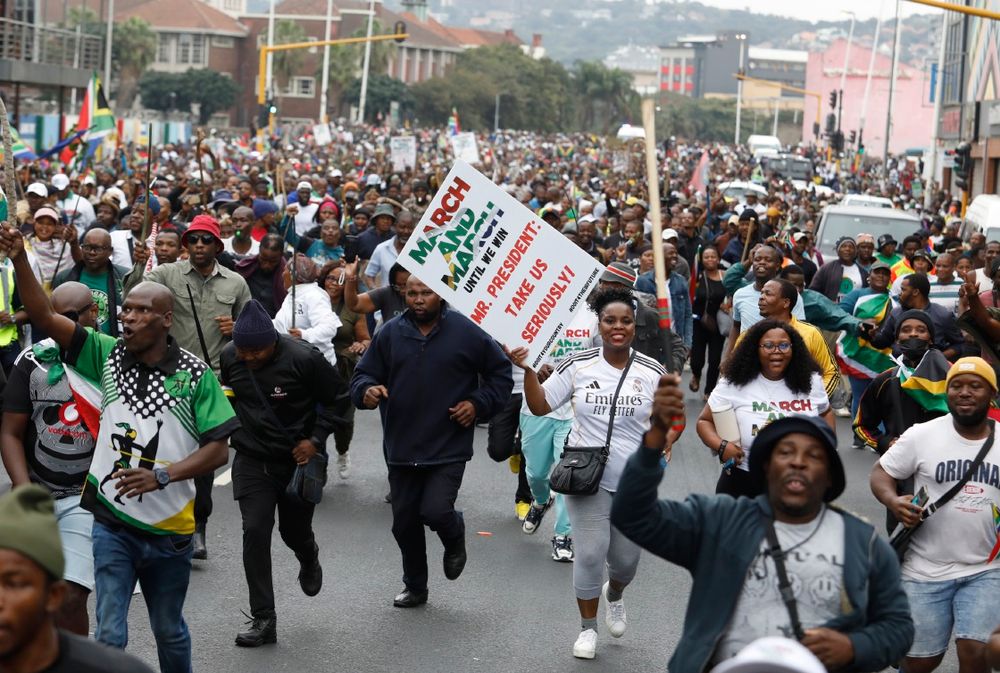
Since the formation of March and the March movement, a citizen-led grassroots organisation focused on stricter immigration enforcement and citizen-focused advocacy, founded in March 2025 by Jacinta Ngobese-Zuma, there have been concerted efforts by privileged and highly placed voices to delegitimise its concerns.