Story audio is generated using AI
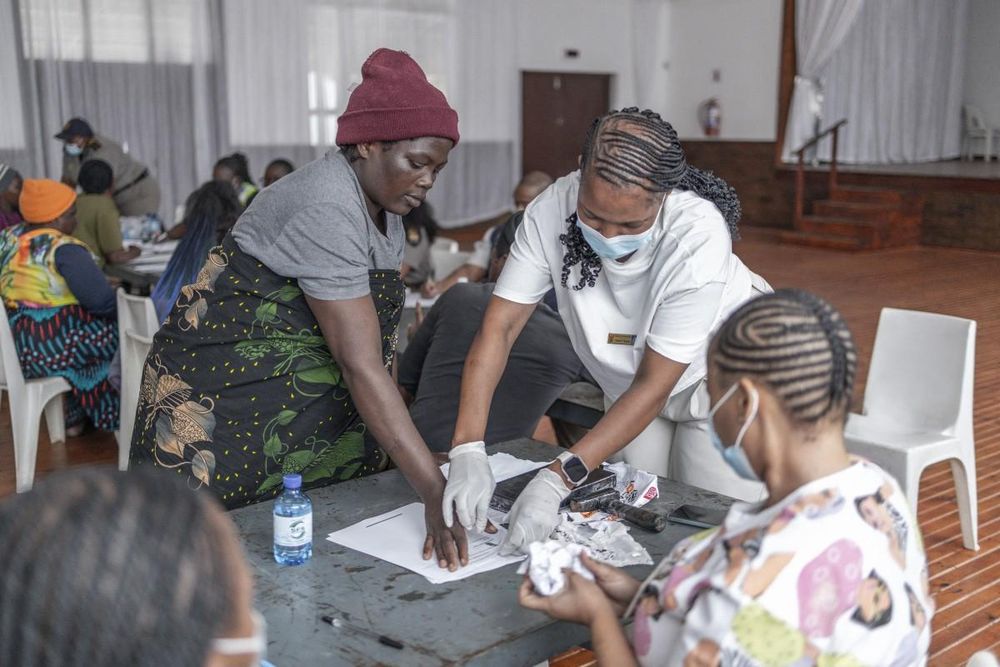
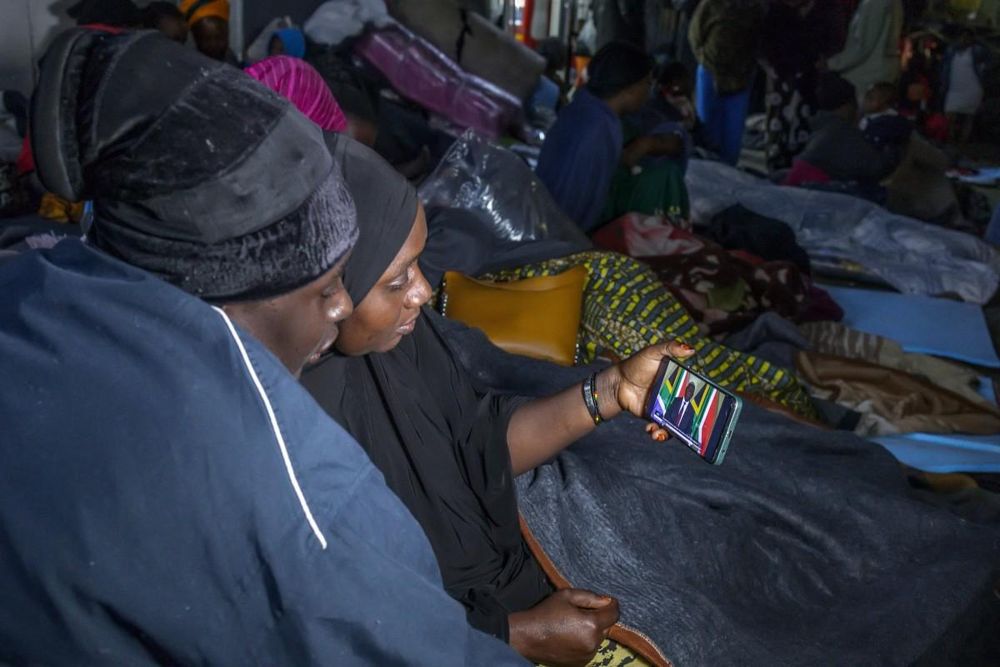
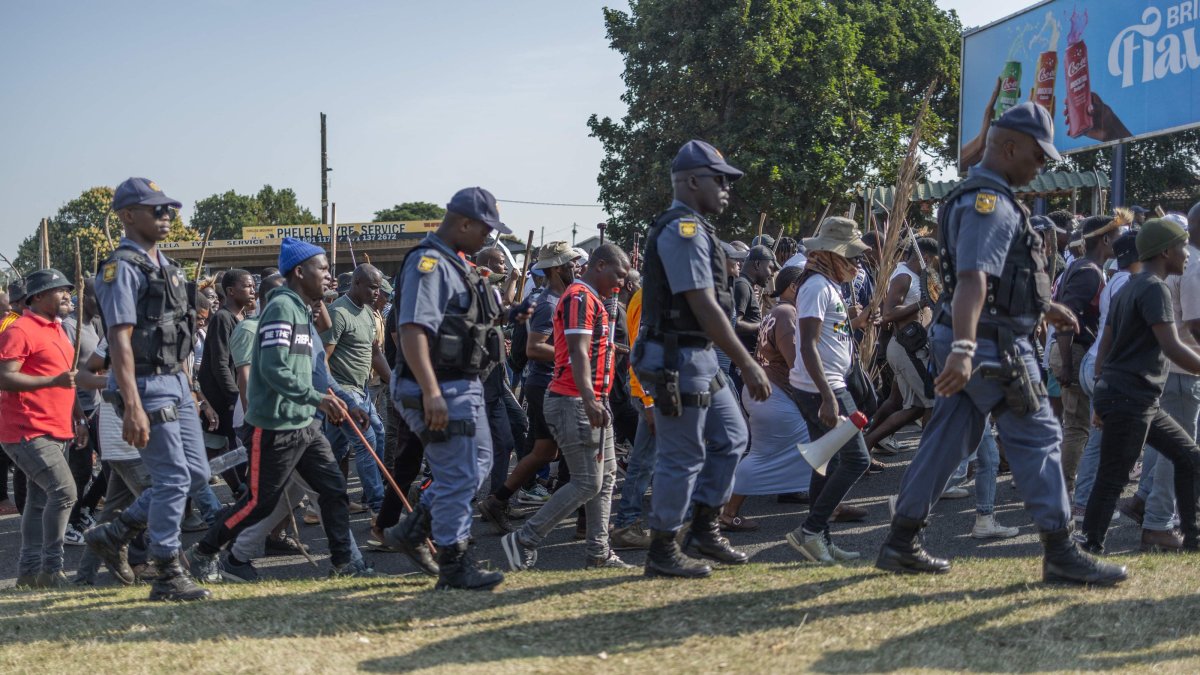
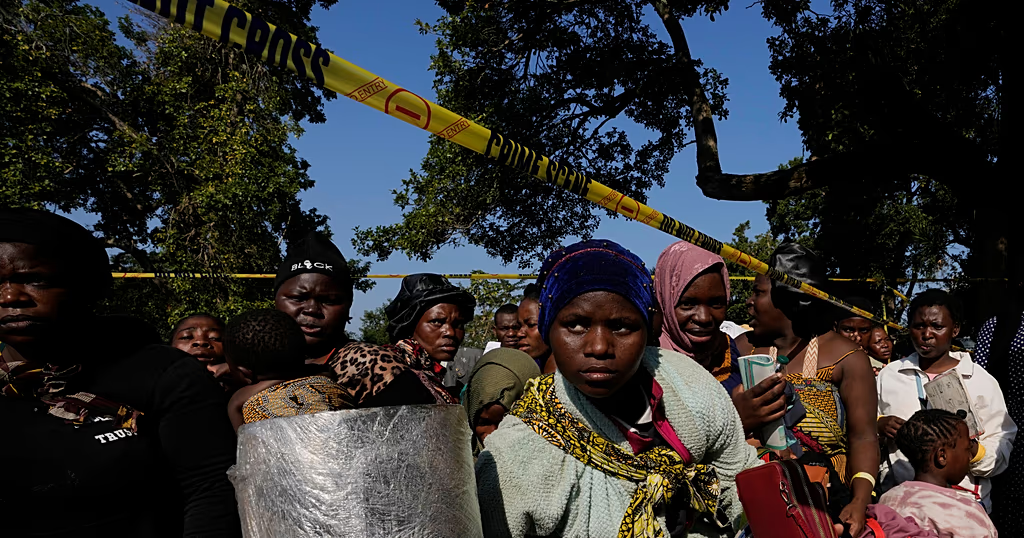
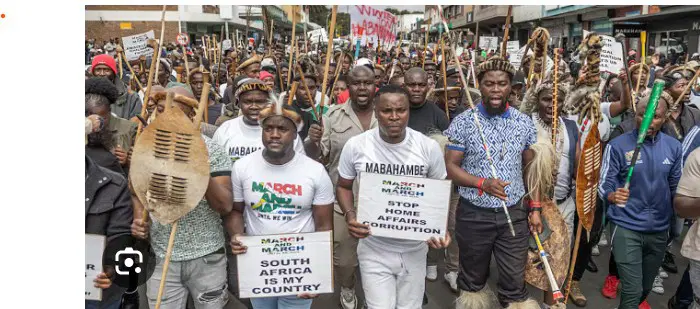
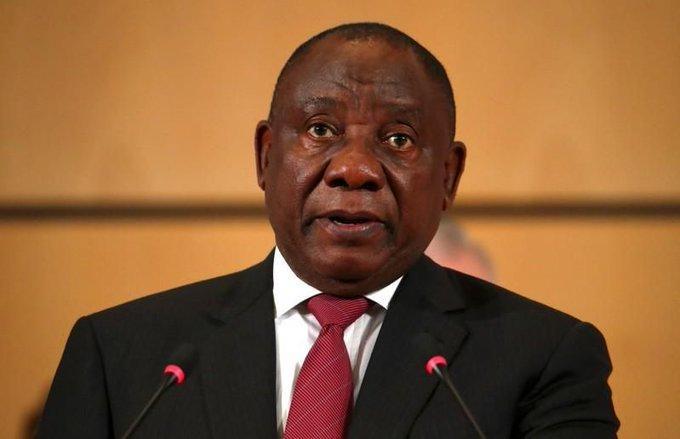
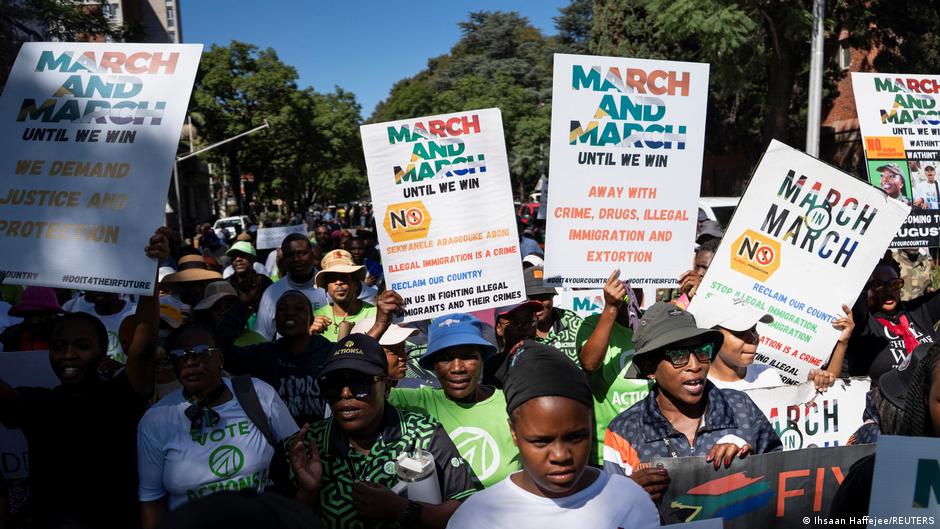
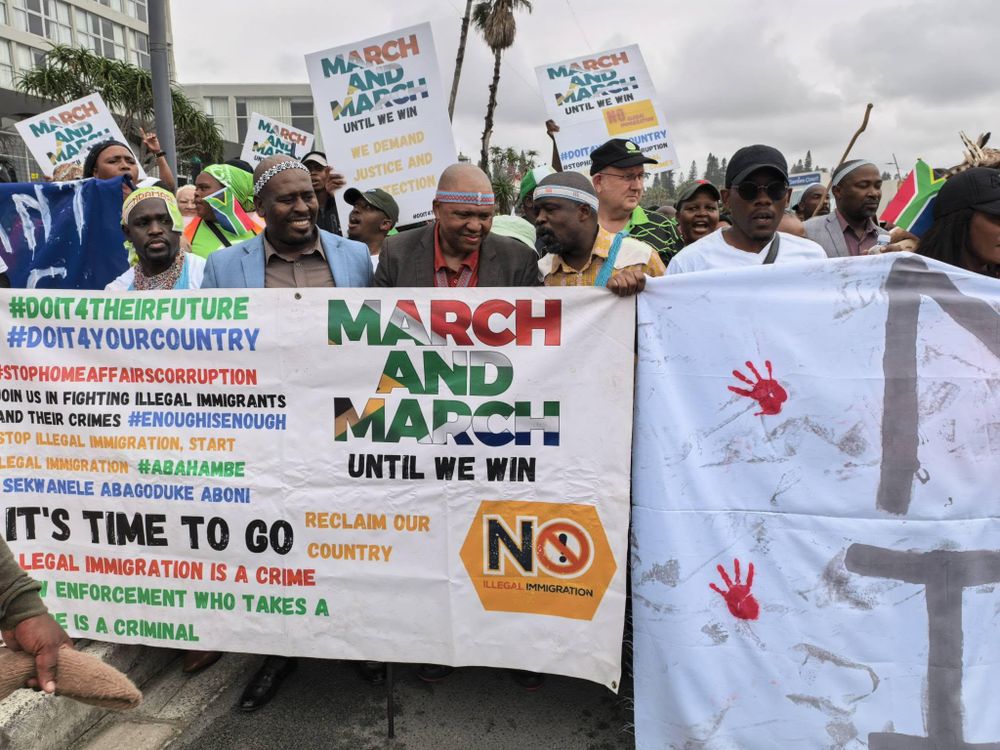
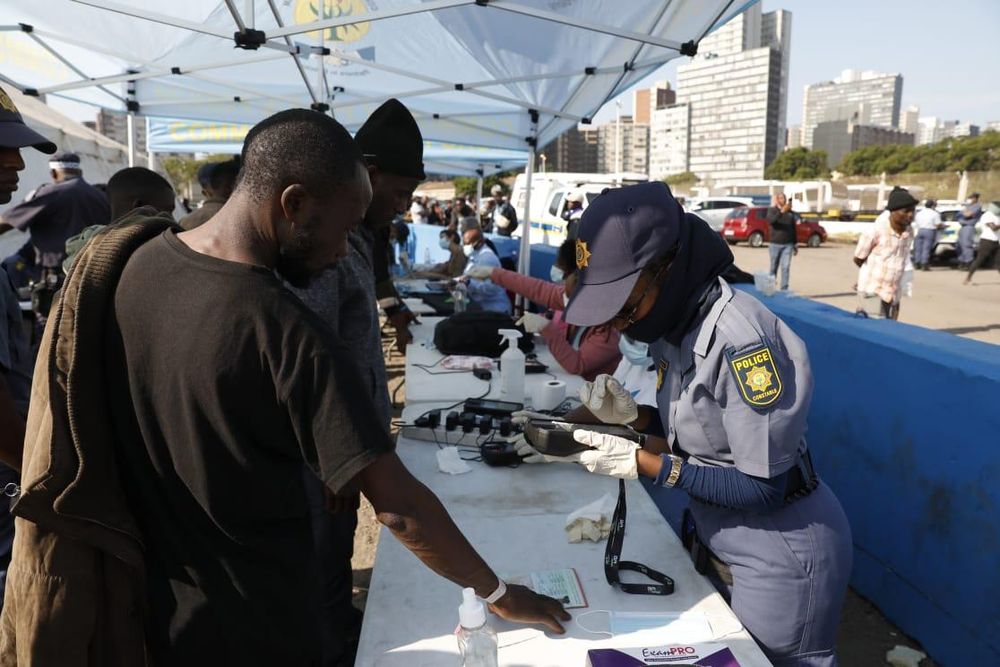
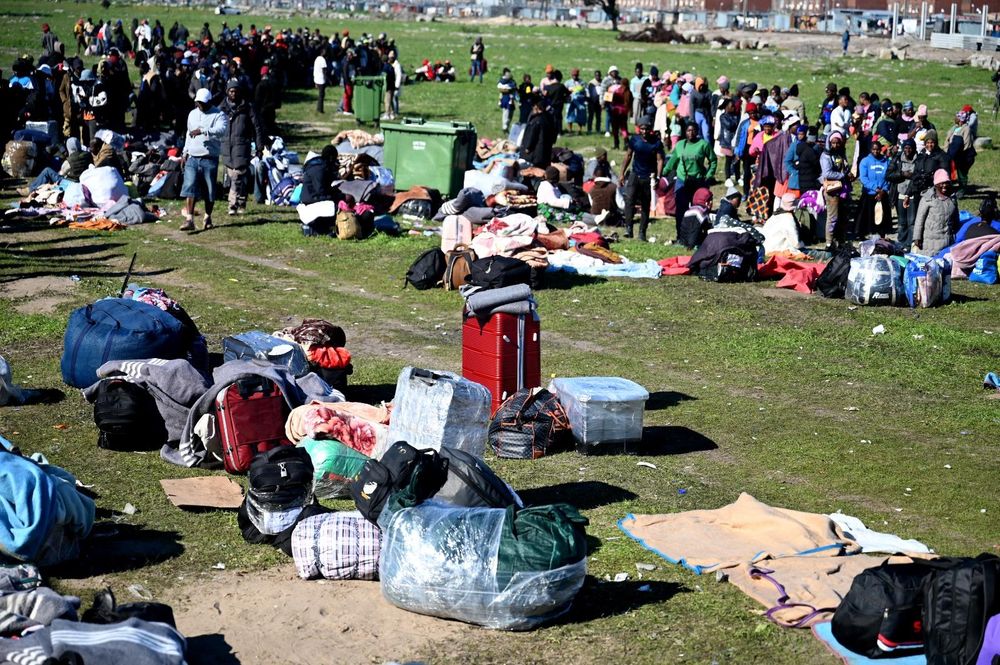
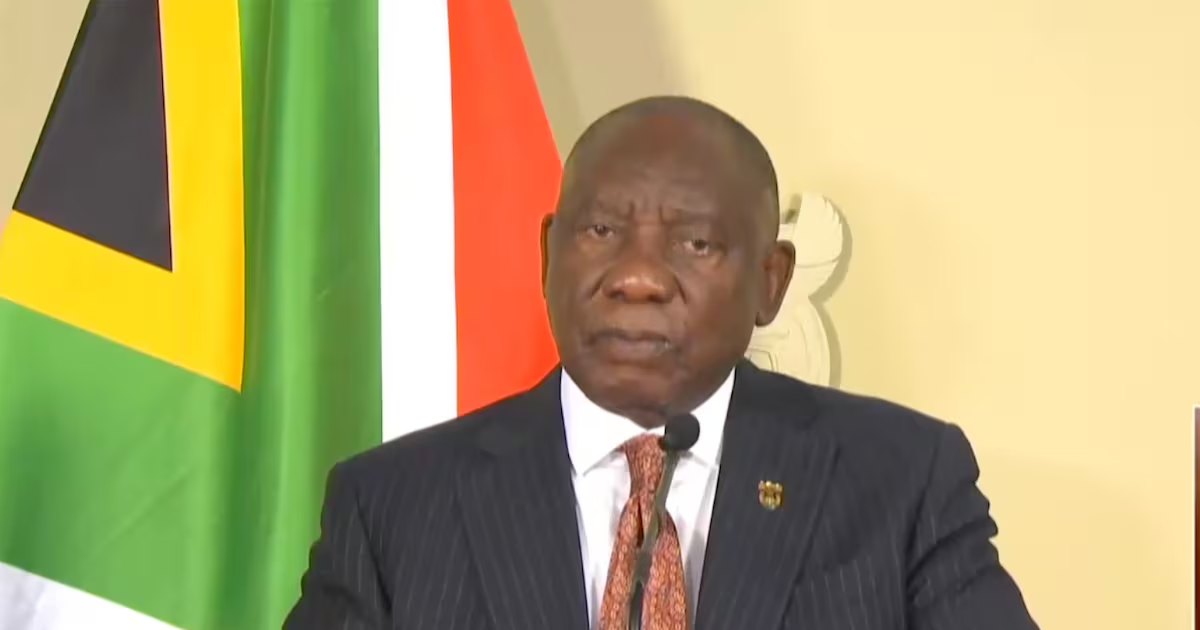
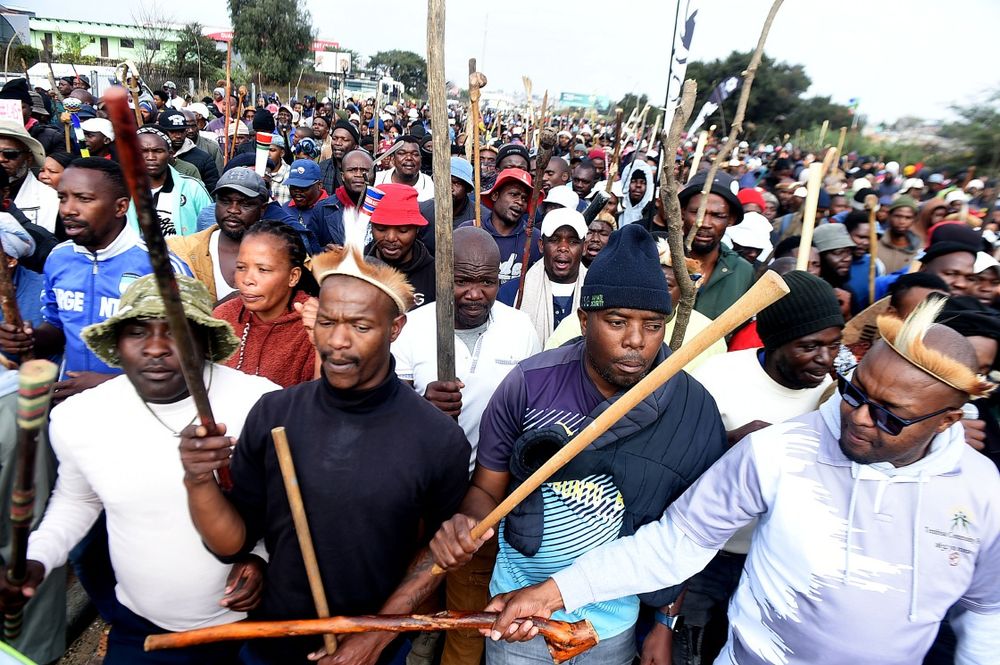
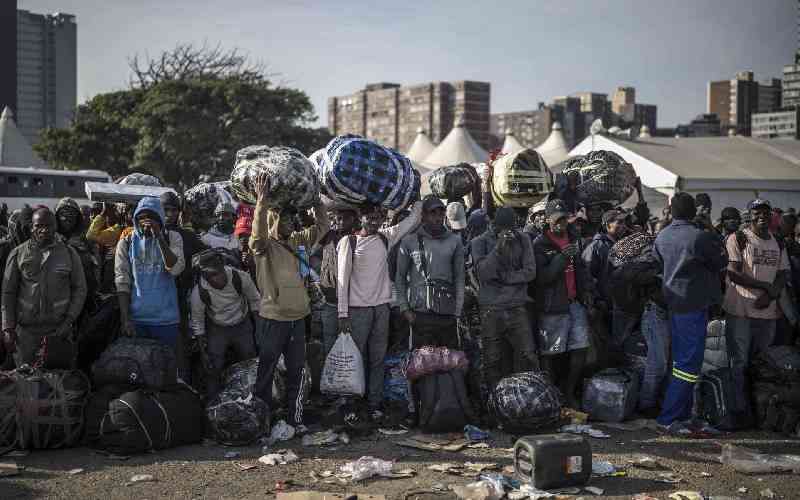
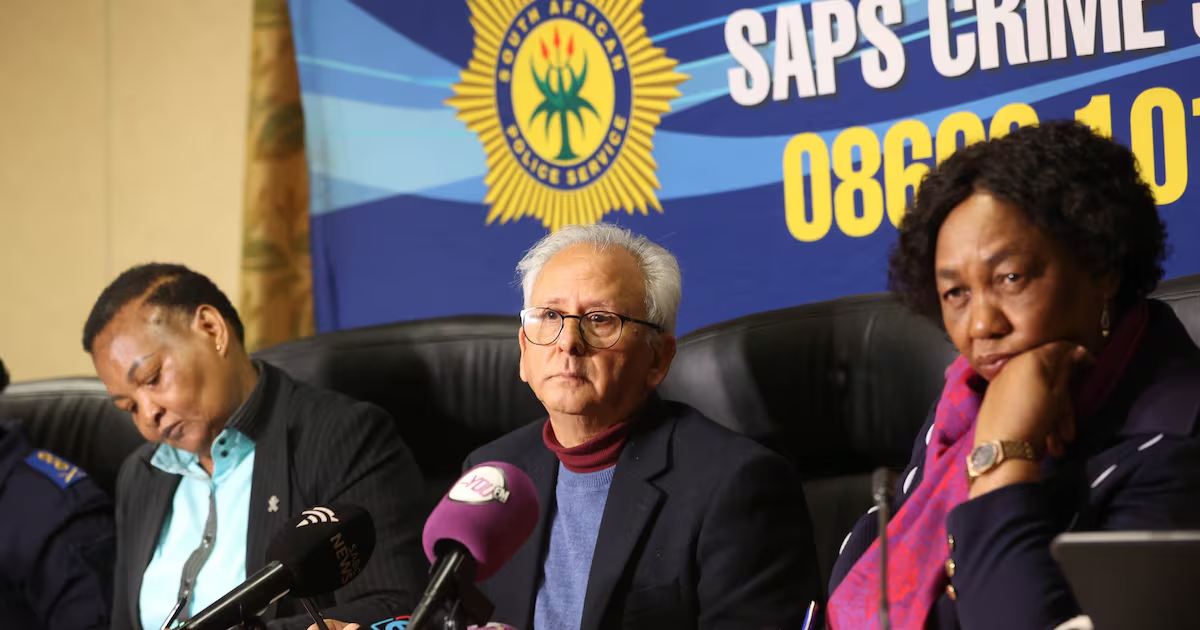
The deepening immigration crisis in major South African cities is but the latest shocking reminder that authorities have no credible plan to defuse this developing disaster.On Monday, the ministers of defence and police — Angie Motshekga and Firoz Cachalia — hurriedly met in Joburg as part of last-minute plans to deal with the evolving situation. Absent from the meeting were the ministers of home affairs, justice and state security, who are supposedly part of the government’s efforts to contain the anti-immigrant backlash.Since President Cyril Ramaphosa’s address a few weeks ago, the situation has worsened. A few of the African countries that can afford it have repatriated their citizens, including Malawi, Zimbabwe, Ghana and Nigeria. Some Malawians are now in Joburg awaiting repatriation.Government departments — provincial and national — and the interministerial committee have been meeting daily as the situation has played itself out on TV screens.As the June 30 deadline set by the anti-immigration movement for undocumented foreign nationals to leave the country approaches, local communities around the repatriation points have been growing concerned about what will happen.The government’s response has hitherto been half-hearted. Except for the president’s address, ministers have been warning that no lawlessness will be tolerated. Government has also failed to take South Africans into its confidence about details of the arrests it has made around the anti-immigration movement.As recently as last week, the government was still fishing for out-of-government solutions to the crisis.Meantime, protest marches have continued unabated, and in certain areas, such as parts of Mpumalanga, foreign nationals have been hounded out.In KwaZulu-Natal, thousands — mostly Malawian nationals — have been waiting impatiently for repatriation buses. Civic organisations have extended a helping hand.Over the weekend, Zulu King Misuzulu kaZwelithini changed his tune. Instead of repeating his ritual war drum of “They must leave”, he warned that the attacks on foreign nationals were damaging Brand South Africa. This is too late. Since succeeding his late father, Zwelithini, Misuzulu has fuelled anti-immigrant sentiment, especially in the volatile province of KwaZulu-Natal.Also, the government of national unity includes anti-immigration parties such as the Patriotic Alliance’s Gayton McKenzie, who is the sports, arts & culture minister. Only in the past week did McKenzie seek to backpedal on his “mabahambe" (let them go) signature slogan.Steps announced by Ramaphosa in his address — such as the hiring of labour inspectors and the appointment of envoys — have yet to be implemented. Bluntly put, there is a growing sense that government ministers and officials are sitting on their hands hoping the problem will sort itself out. Better still, they hope anti-immigration groups like March and March will do the state’s job of expelling undocumented immigrants.While government has to take the biggest part of the blame for our porous borders, fixing the problem requires all parties and society. This is a moment for a united South African voice by all parties.As has been noted by this newspaper, sensible postures on this issue have come from such unlikely quarters as Julius Malema’s EFF. This past weekend, Thabo Mbeki, South Africa’s second post-apartheid president, invoked the memory of hymnist Tiyo Soga to denounce the anti-African attacks.This is a time for leadership. Leadership is not about votes. It’s about having the courage to take unpopular positions that may lose votes.We call on Ramaphosa to take us into his confidence about the government’s plan for June 30 and to share high-level details of this plan for citizens and guests, and the intelligence on which it relies.