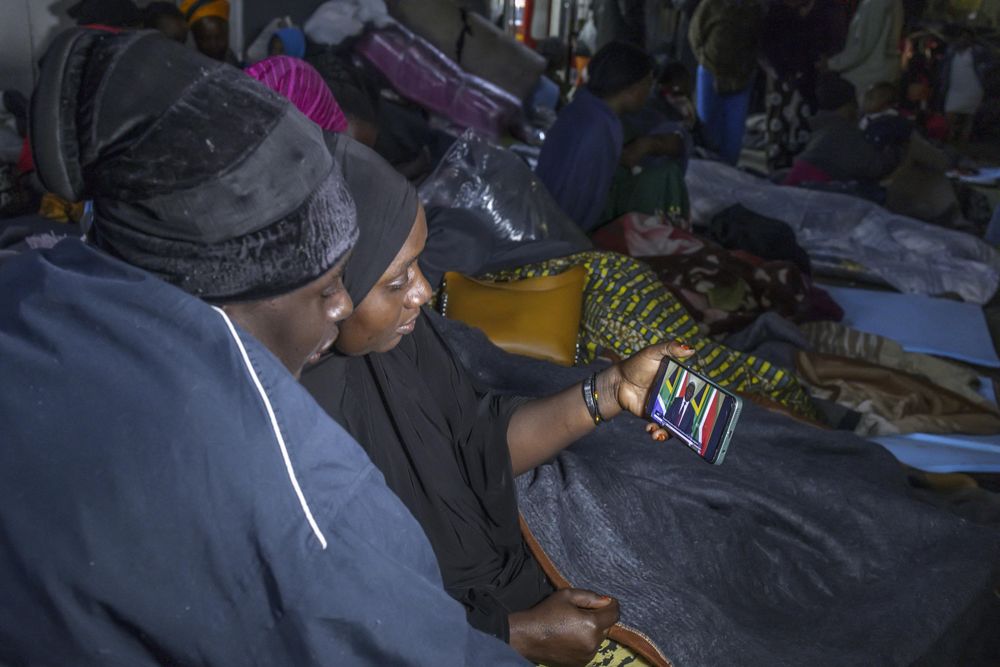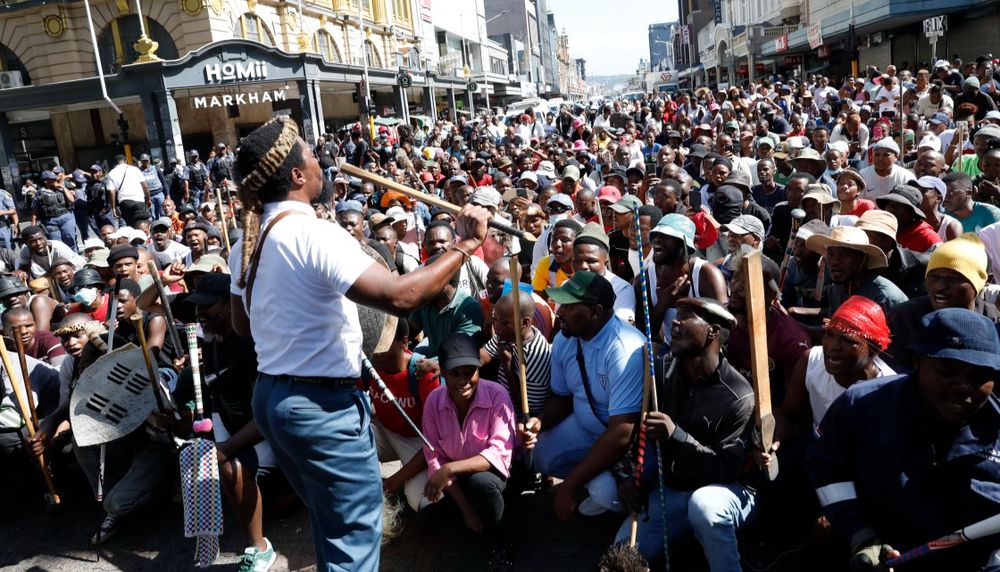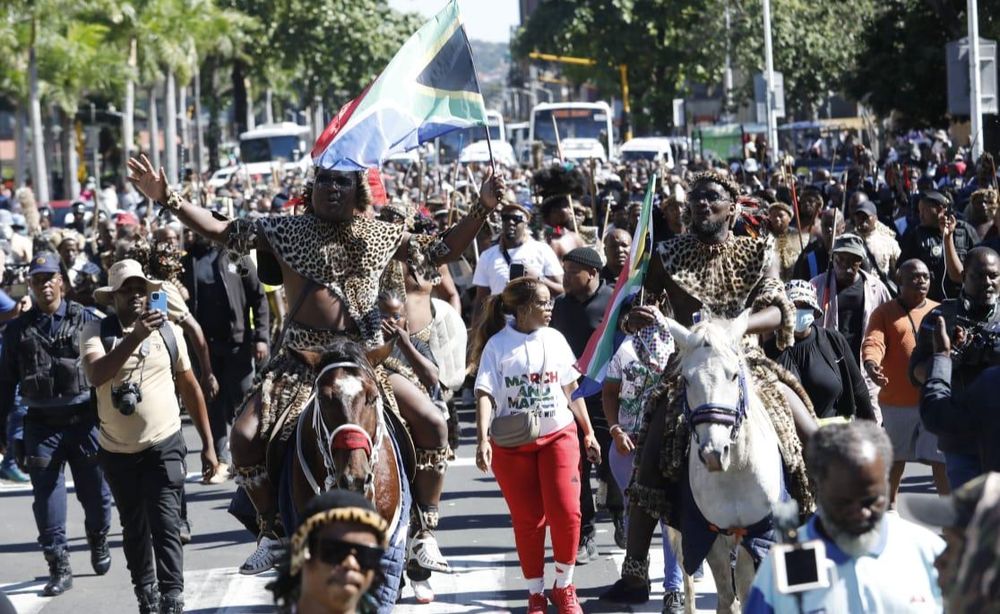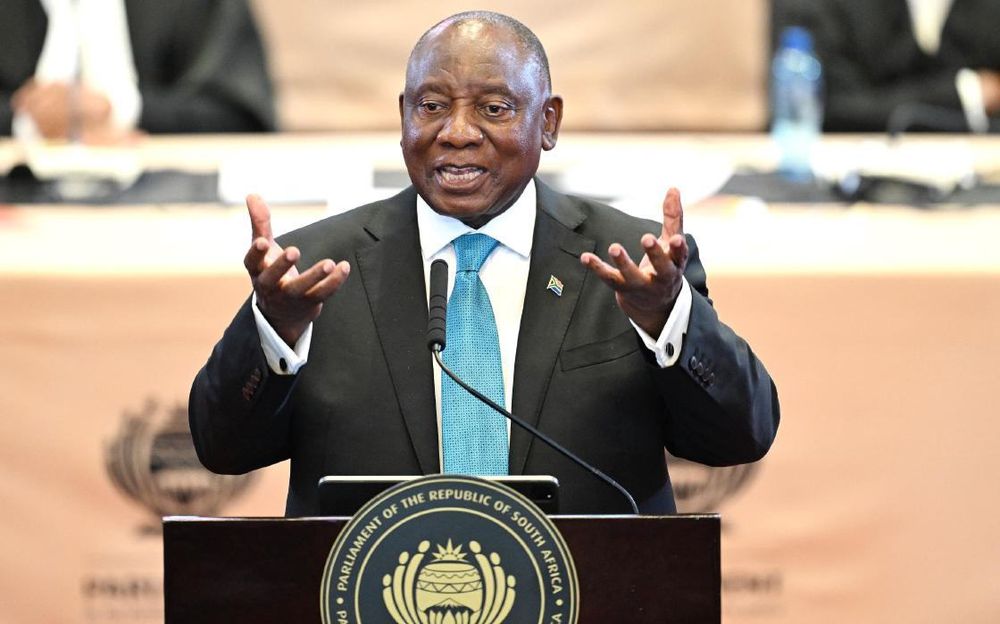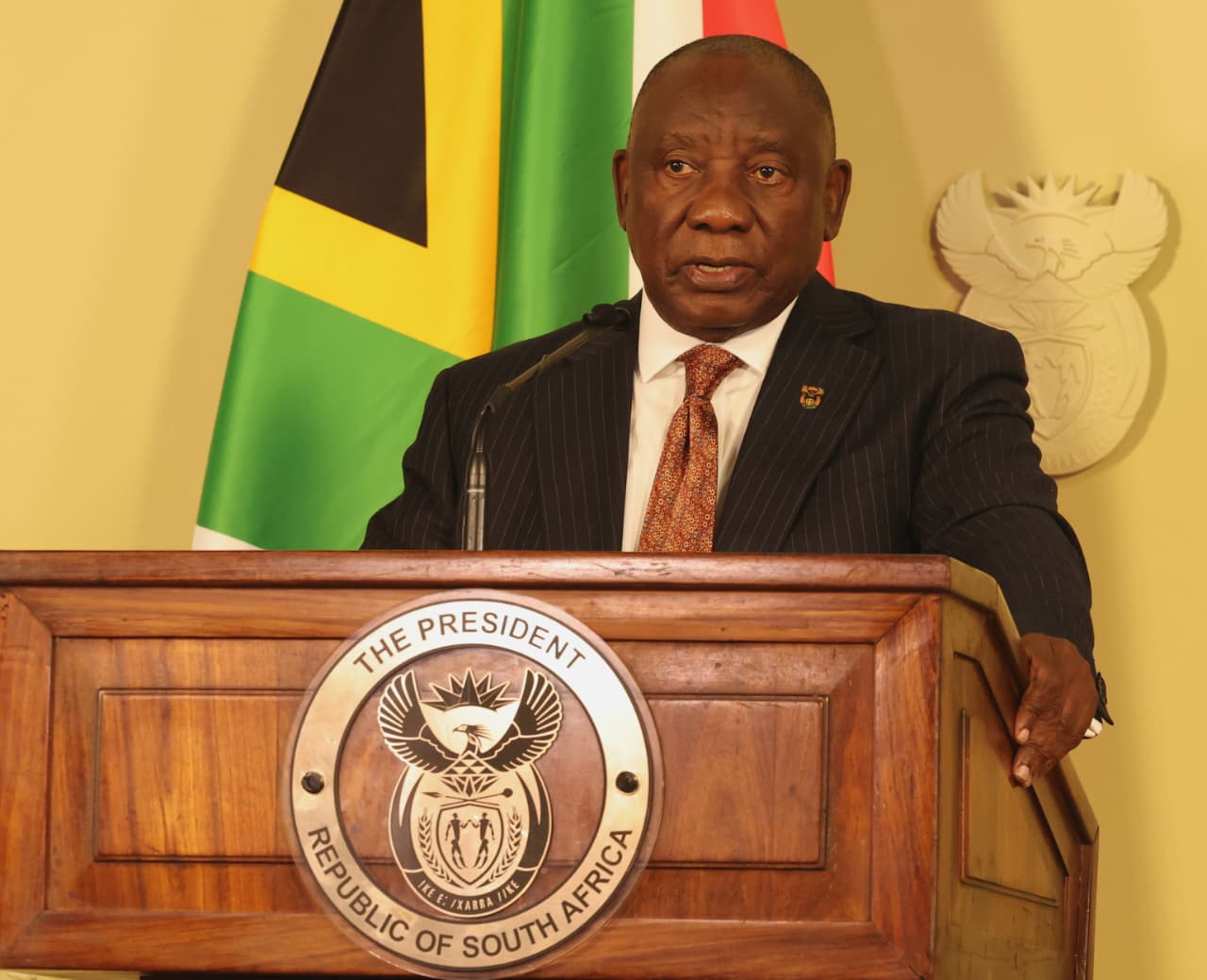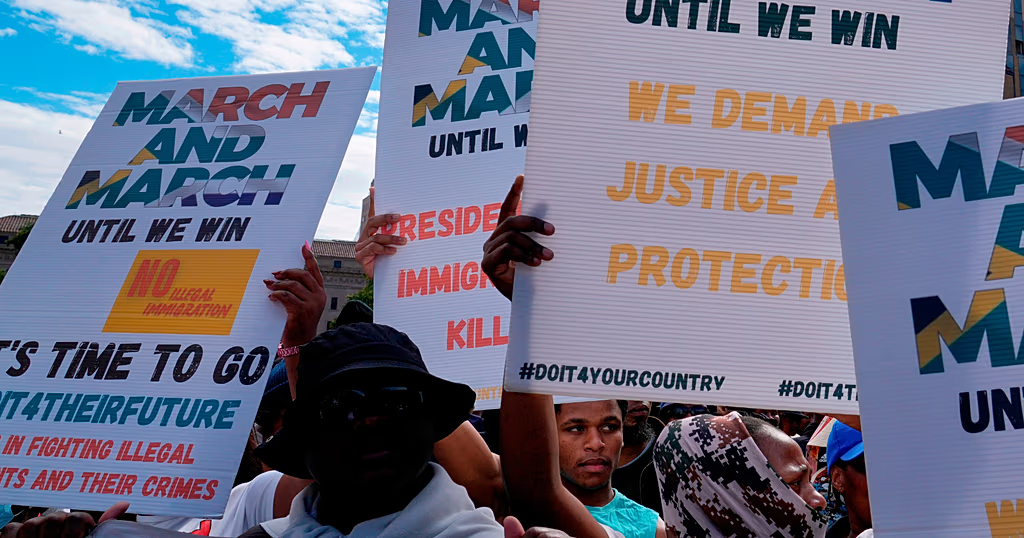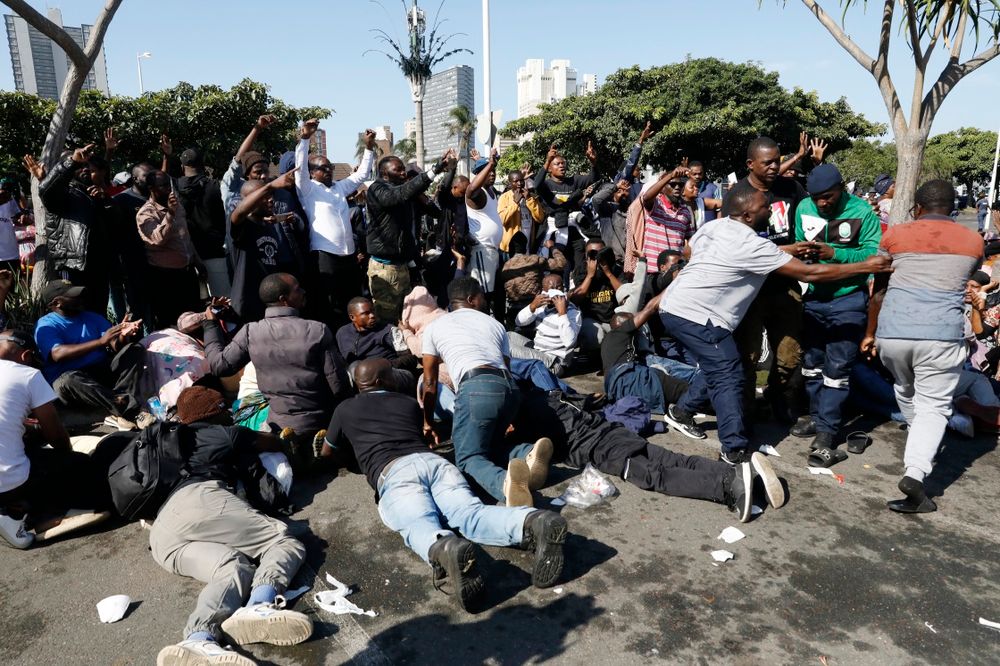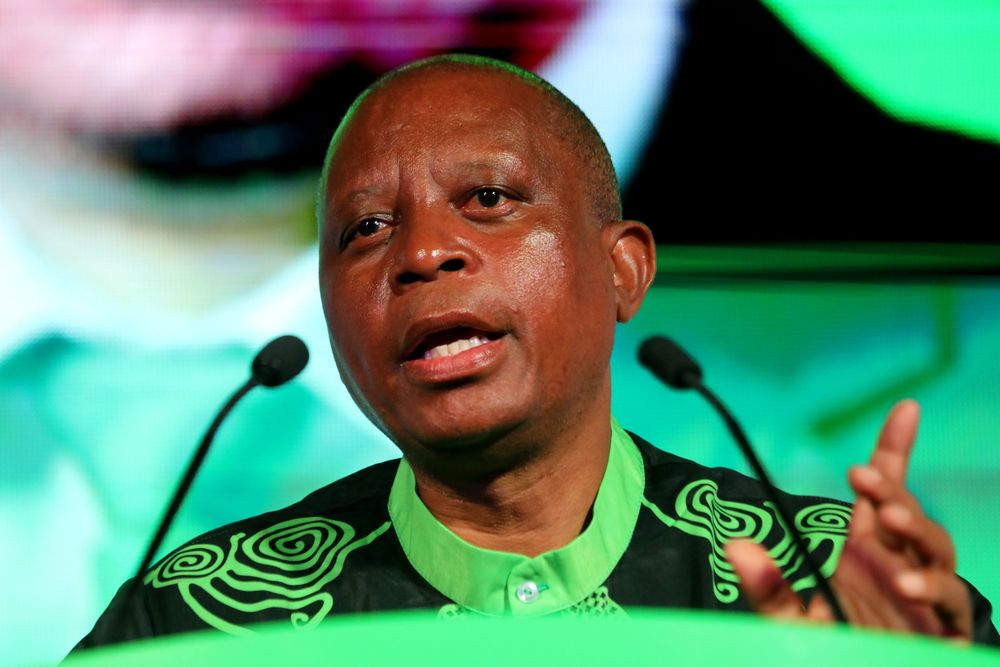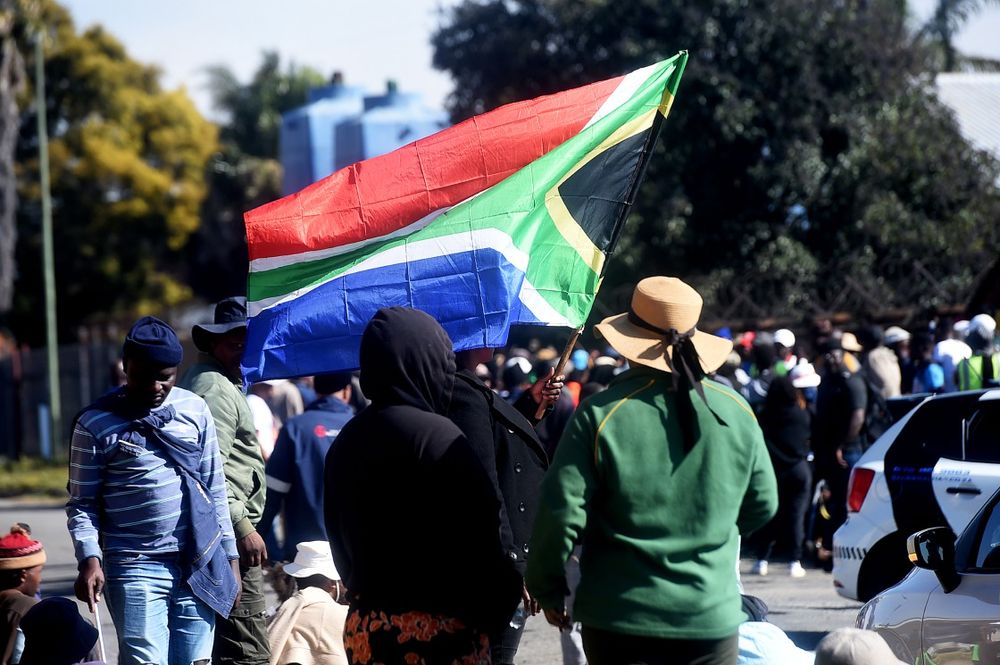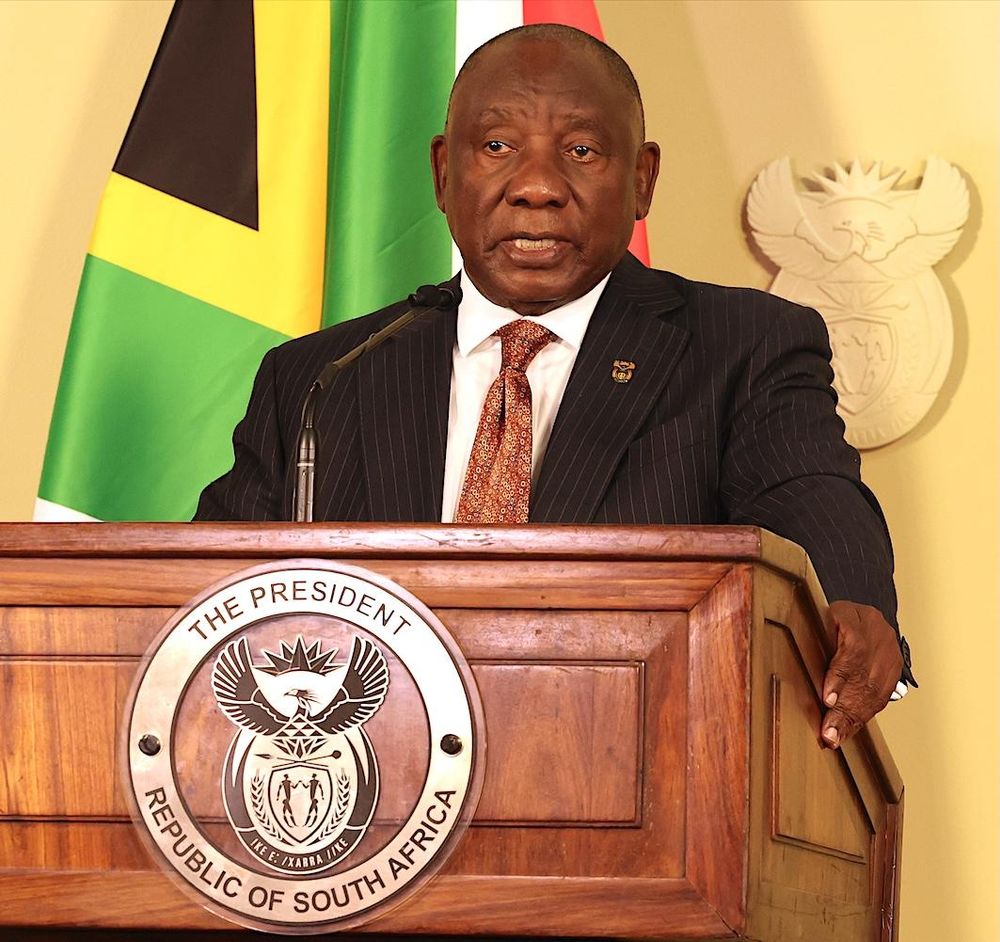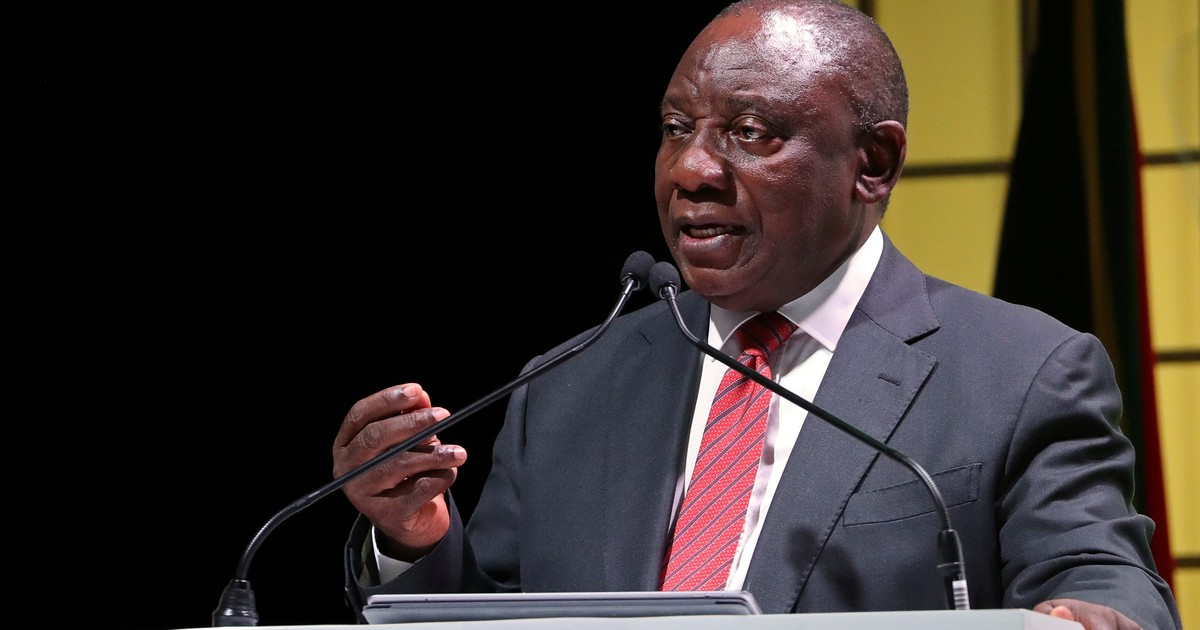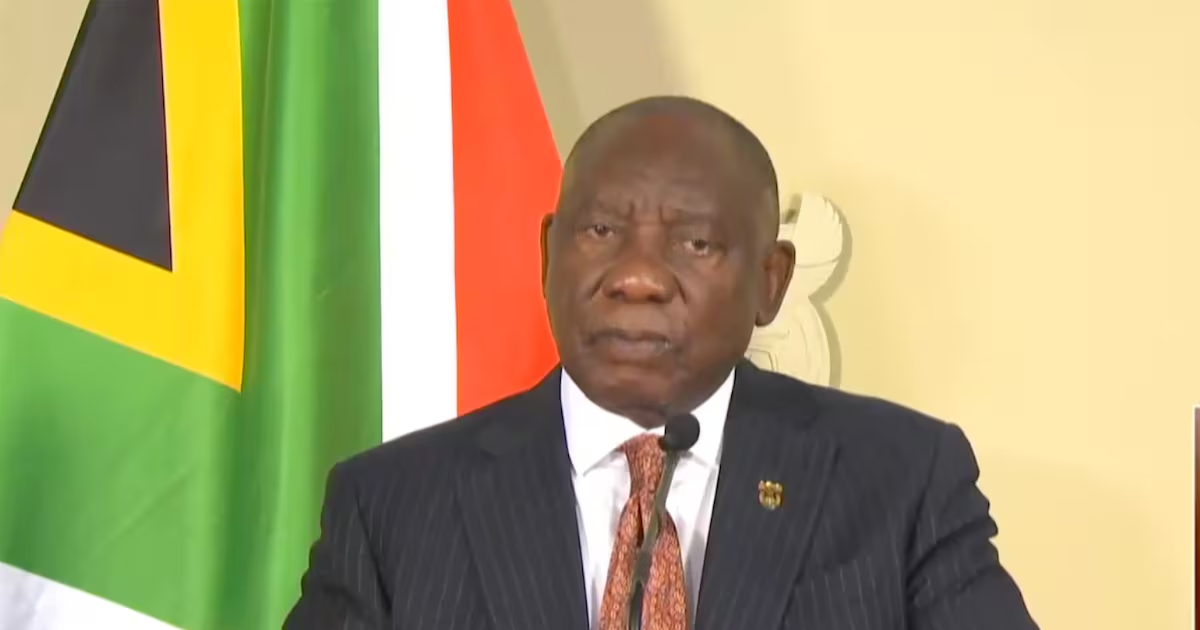
President Cyril Ramaphosa’s words on Sunday were carefully chosen and purposefully diplomatic.But the speech failed as a meaningful attempt to calm anti-immigrant sentiment and prevent it from exploding into a full-blown conflagration. It also failed to assure South Africans that the government has a plan for the June 30 ultimatum that has been persistently issued to foreign nationals by anti-illegal immigration protestors. On Sunday night, Ramaphosa announced a raft of measures to deal with the developing crisis. Over the past few weeks, a civic movement known as March and March and its members have staged protests, sometimes violent ones, across major cities across the country. Their grievance is ostensibly simple: undocumented and illegal foreign nationals aren’t welcome in this country. This movement also rides on the back of populist rhetoric by parties including Gayton McKenzie’s Patriotic Alliance (PA), Herman Mashaba’s ActionSA and King Misuzulu kaZwelithini. Ramaphosa’s address comes after his working visits to Zimbabwe, eSwatini and Botswana prior to him hosting William Ruto, his embattled Kenyan counterpart, last week. In a week, he is due to visit Ghana, a country that has had to airlift its citizens affected by xenophobic violence mostly in Durban. Unsurprisingly, the migration topic has featured prominently in these interactions. Among the many measures he announced to deal with the crisis were a clampdown on employers who employ illegal foreign nationals to avoid paying the minimum wage; stepping up anti-corruption efforts within the country’s immigration system; special courts; beefing up refugee processing centres and an inter-departmental approach to this multifaceted problem. The address was reminiscent of former president Thabo Mbeki’s in 2008 in which he spoke of “naked criminal activity” at the height of xenophobic attacks in South Africa’s townships. Mbeki’s speech came too late. Weeks later, he would be recalled by his party for how he managed the crisis, among other reasons. Ramaphosa may not be facing an immediate recall. But his speech’s overly diplomatic tonality appeared too apologetic and out of touch with the simmering tensions on the ground. It lacked urgency. Glaring gaps in the president’s address included the omission to remind people that tending a garden and cleaning their houses don’t qualify as scarce skills. These are jobs that can be done by any South African. Second, his threats of fining employers seemed directed only at big businesses. State-owned enterprises and organs of state have also been outed for being complicit. Third, the president should have been upfront that his address wouldn’t be a magic wand. The state’s capacity is woefully inadequate. The proposal to hire 10,000 inspectors this financial year is unlikely to materialise. Fourth, he should have asked for help from business in tackling this problem. And lastly, he should have directly addressed organisers of the protest marches and called out political players ― including the PA, which serves in his government of national unity ― for fanning the flames. It is not sufficient to say South Africans shouldn’t take the law into their own hands. The government needs to communicate a clear message and a plan on how it will deal with the ultimatum of June 30 ― a date that has caused considerable panic among many.Civic movements such as March and March have to be told bluntly that they have no expertise to tell who is here lawfully or not, and they should be warned to refrain from doing law enforcement work, which could easily descend into vigilantism and extortion schemes.
EDITORIAL | Ramaphosa’s middling response unlikely to calm fears
Address on anti-immigrant tension lacks clear plan before June 30 ultimatum
573 words~3 min read