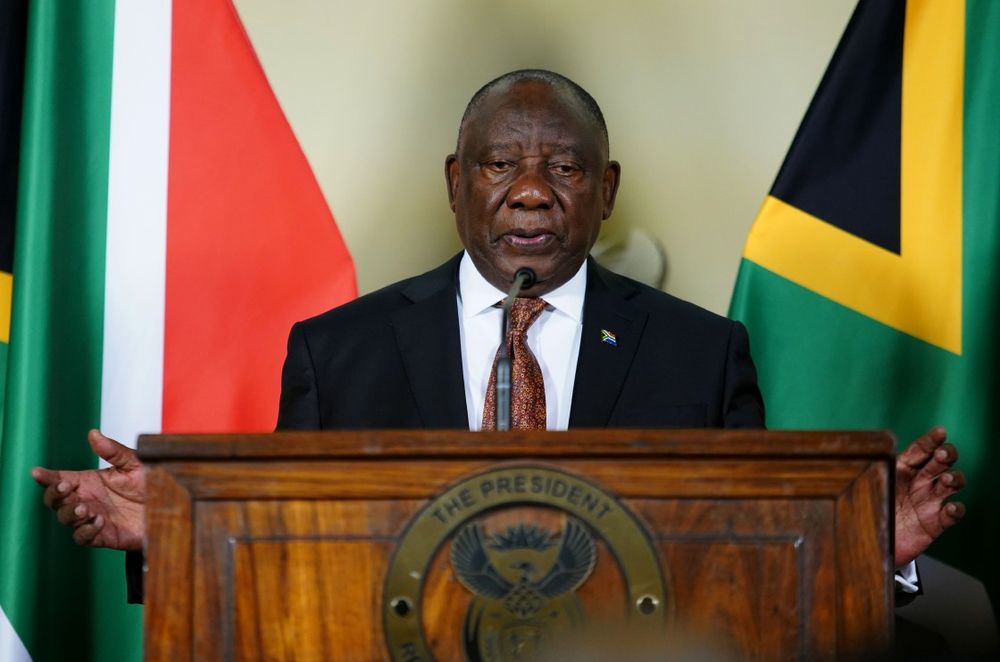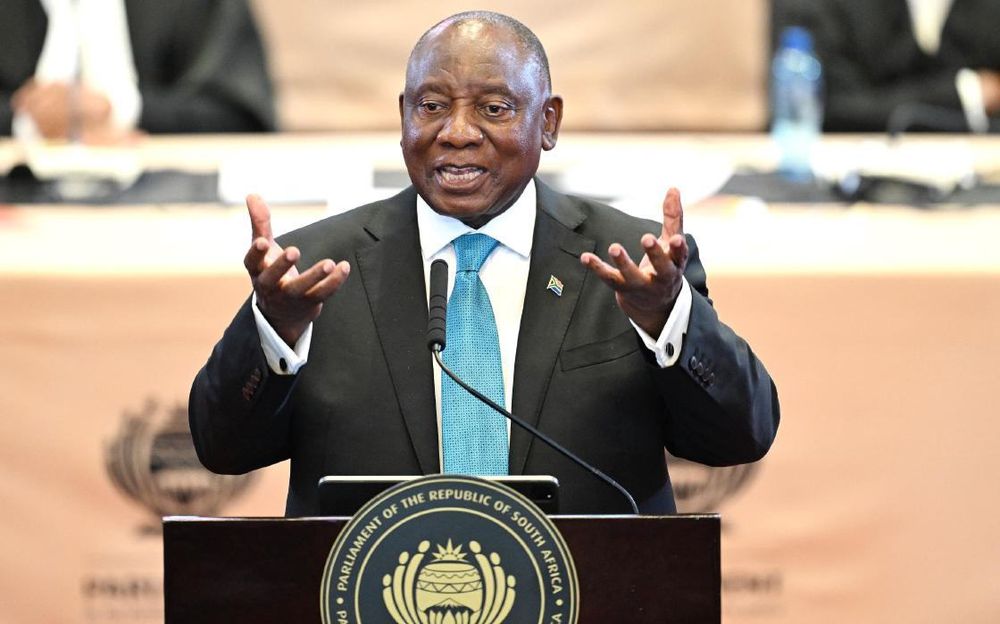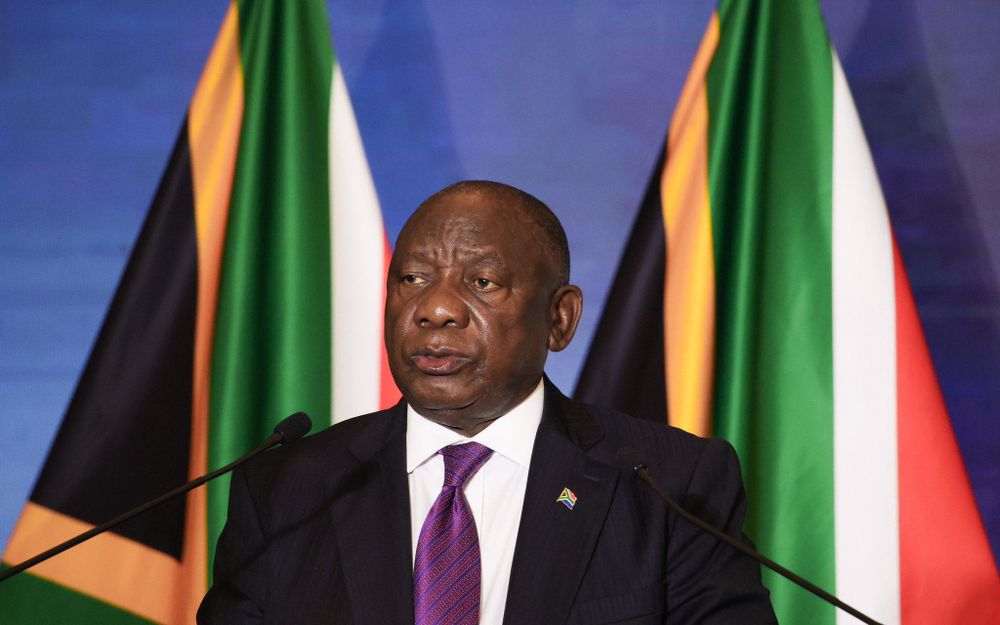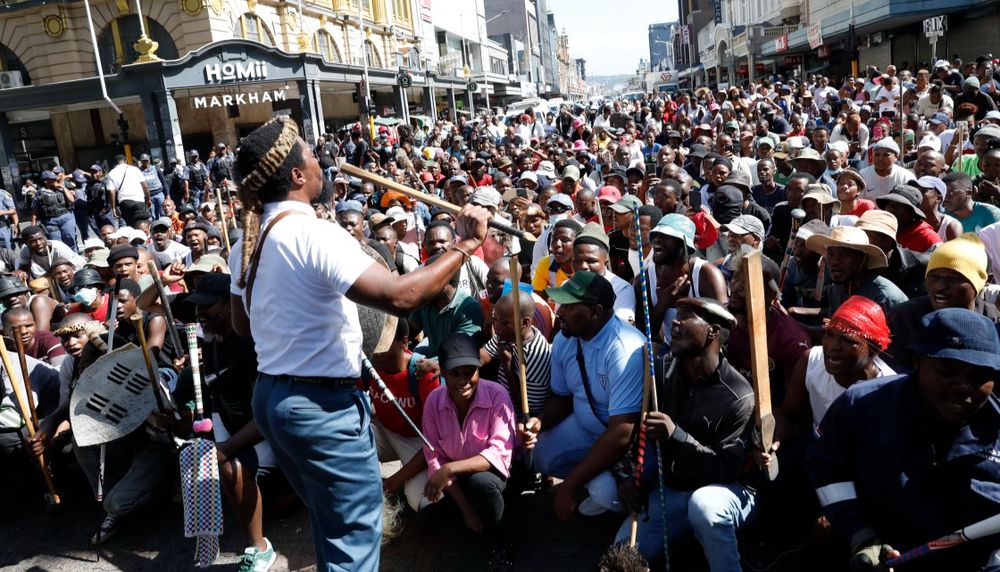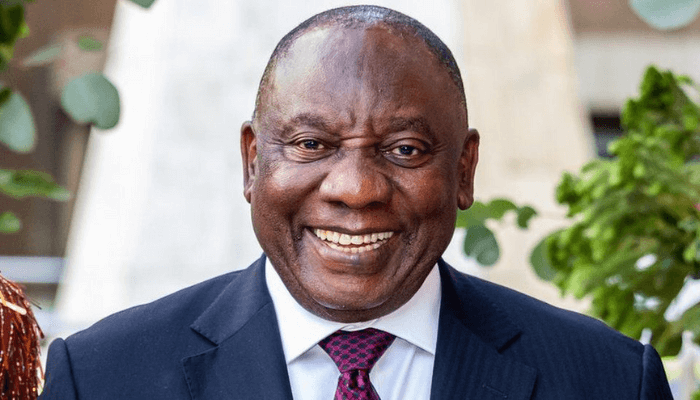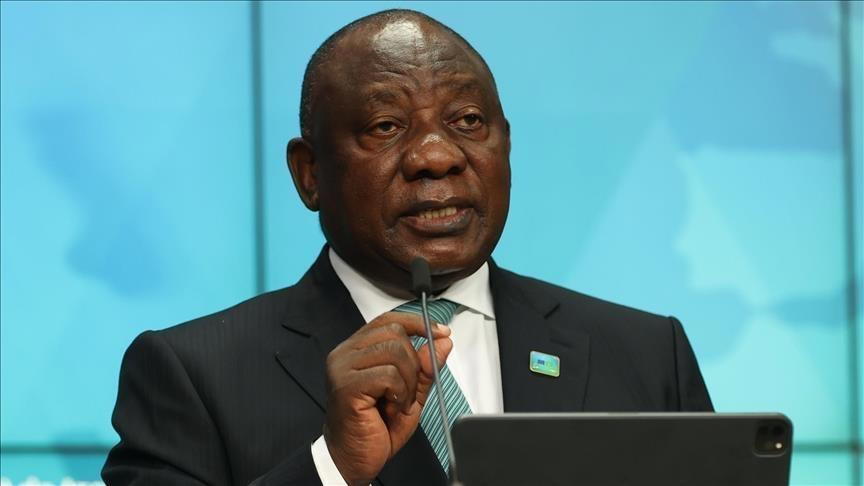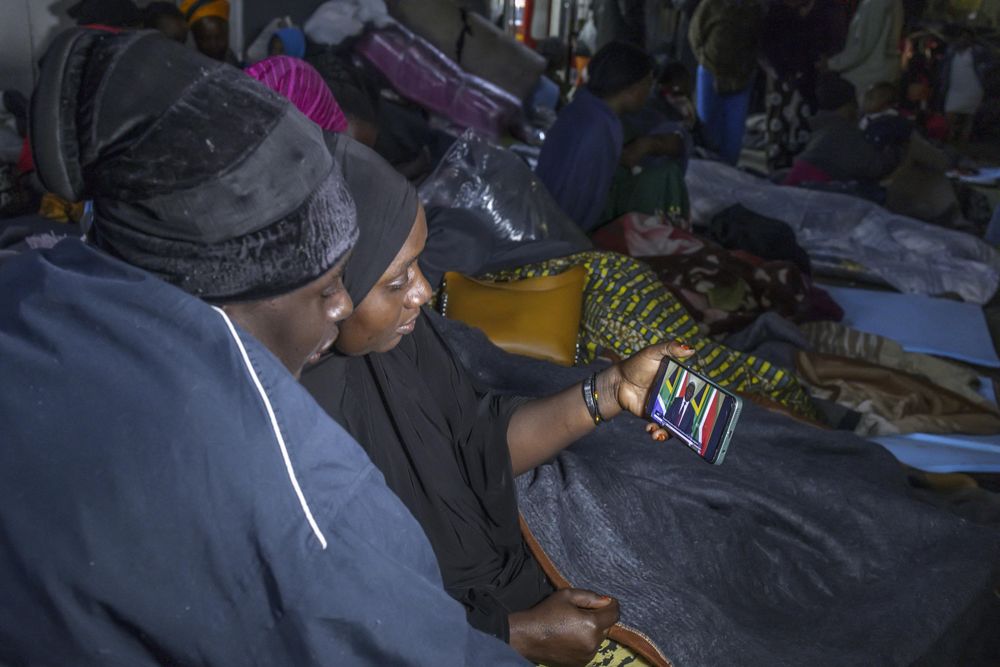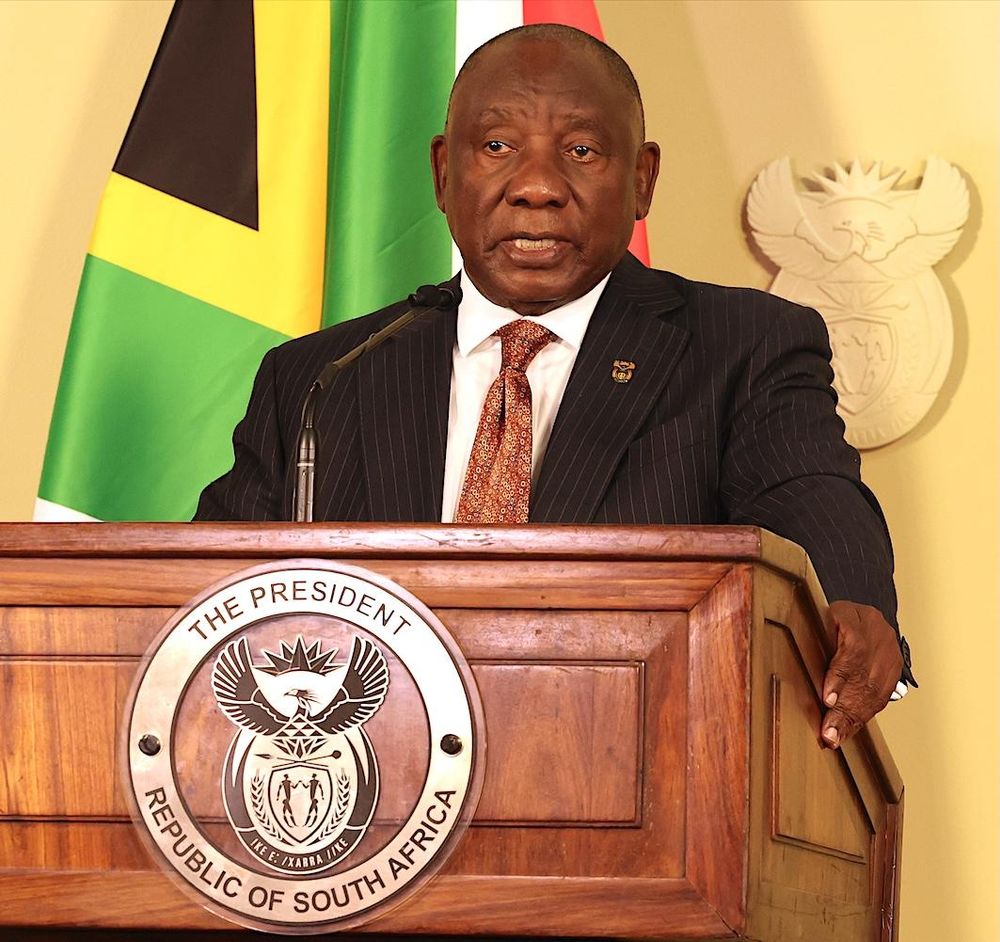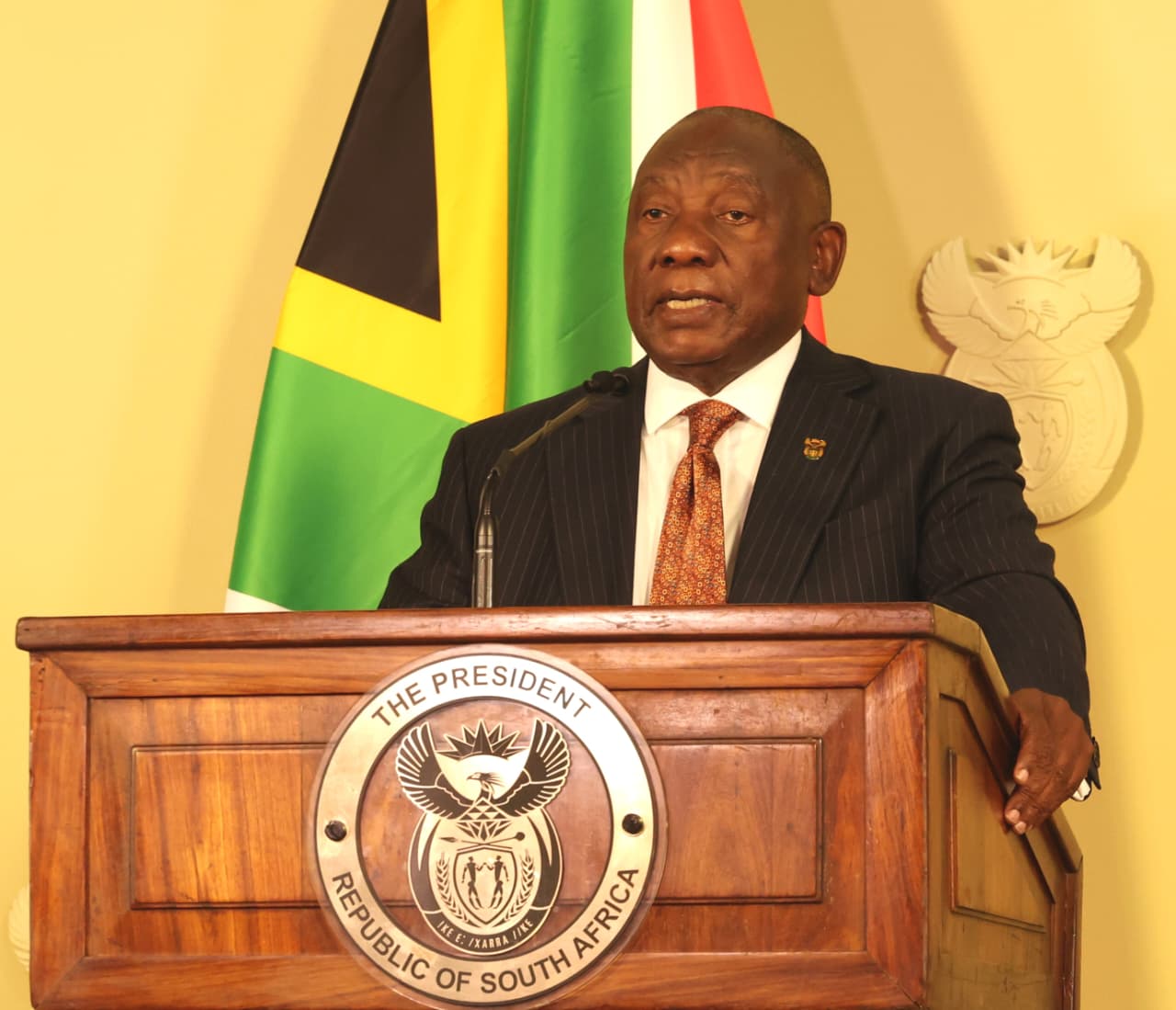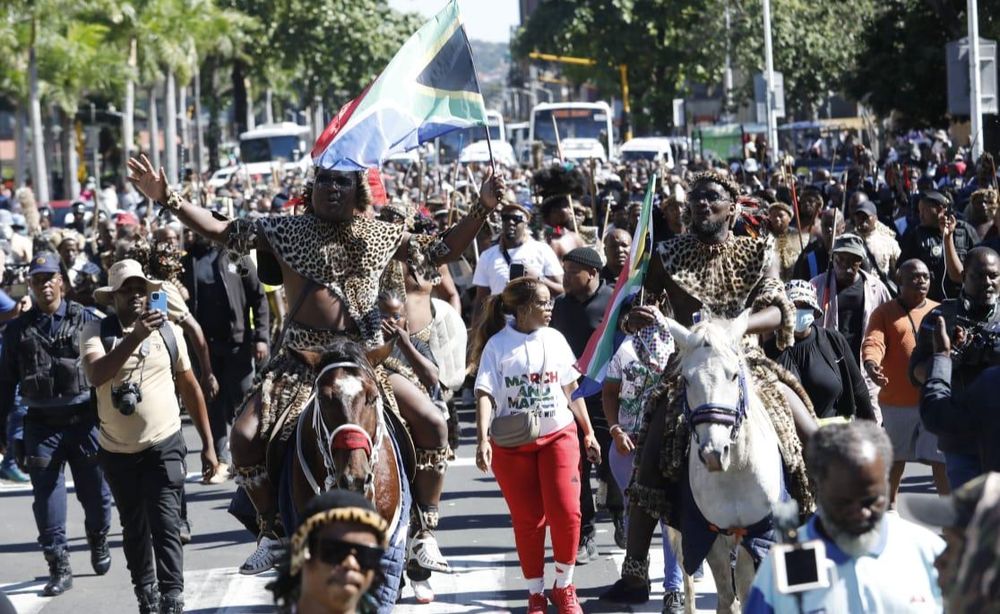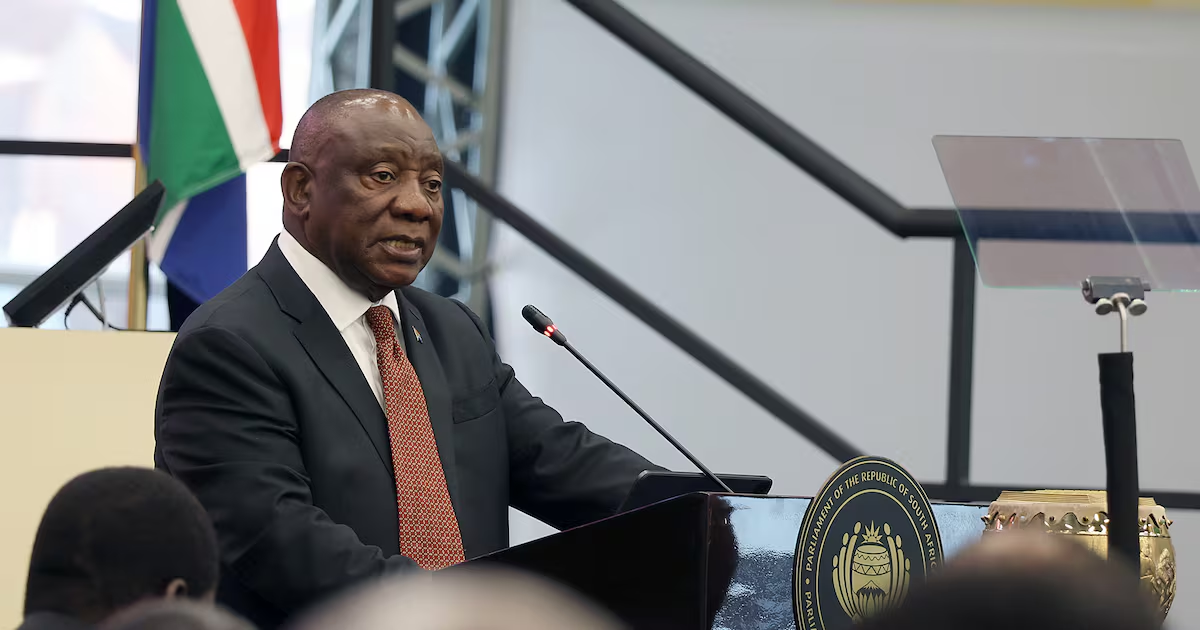
President Cyril Ramaphosa is going to address the nation at 6pm on Sunday on immigration-related issues as a controversial “deadline” for illegal immigrants to leave South Africa looms.In a statement the Presidency said: “President Cyril Ramaphosa will this evening address the nation on the government’s management approach to illegal migration and the recent surge in protests against foreign nationals.”This as anti-immigration activists Ngizwe Mchunu, March and March leader Jacinta Ngobese, Nkosikhona Ndabandaba, popularly known as Phakelumthakathi, and political parties including ActionSA have been upping the ante against illegal immigration, holding anti-immigration marches in Durban, KuGompo City, Pretoria and Johannesburg.The issue of illegal immigration saw frustrated South Africans taking part in protest marches in which foreign-owned spaza shops and cars were set alight recently. Locals accused foreigners of taking their jobs and having to compete with them over access to scant basic services such as healthcare and education. In a widely circulated video Phakelumthakathi confronts a burly man and asks him where he is from and what he is doing in South Africa. When the unidentified man responds that he’s from the Democratic Republic of the Congo, Phakelumthakthi orders him to leave the country before the June 30 deadline.This prompted the police to issue a warning that no individual or grouping had the authority to instruct any person to leave the country and that it would act “decisively against any acts of intimidation, public violence, incitement or criminality”.Ramaphosa recently used his weekly newsletter to condemn opportunists who he said were exploiting legitimate grievances of the poor under the false guise of community activism. Reacting to a recent wave of country-wide violent protests, Ramaphosa said the anti-immigration marches were not representative of South Africa’s attitude towards foreigners. He admitted, however, that undocumented migration placed a strain on healthcare, housing and municipal services in poor areas and distorted the labour market. Ramaphosa said the recent violent protests and criminal acts directed at foreigners in parts of the country also did not reflect government policy. The anti-immigration protests have ignited a diplomatic storm for South Africa, with Ghana and Nigeria summoning the South African high commissioners to account for the marches. This has also led to the governments of Malawi and Ghana electing to repatriate their citizens from South Africa, citing “xenophobic violence”.Meanwhile, international relations and co-operation minister Ronald Lamola said South Africa had been “surprised” by Ghana’s decision to take the matter to the AU after what he described as ongoing bilateral engagements between the two countries over growing anti-foreigner sentiment and incidents targeting African migrants in South Africa.“We thought we were managing the matter at a bilateral level,” Lamola said during an interview with the Sunday Times. “But now that they have taken this step of going to the AU, we welcome it because it will allow the continent to engage on the push and pull factors that lead to migration.”
Ramaphosa to address nation on illegal immigration as tensions rise
Ramaphosa to speak on government’s response to illegal migration and rising anti-foreigner protests, amid growing pressure from activists and political parties
479 words~2 min read