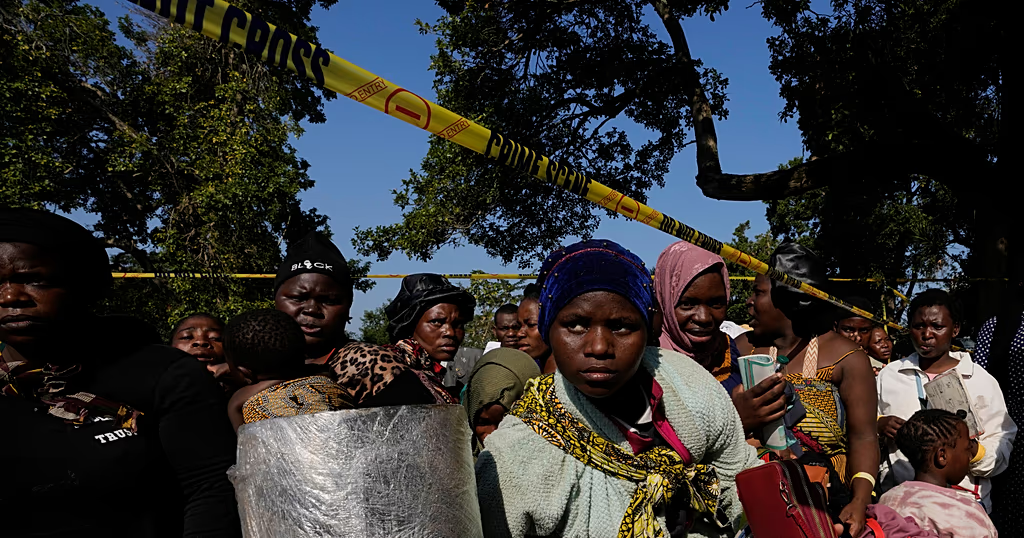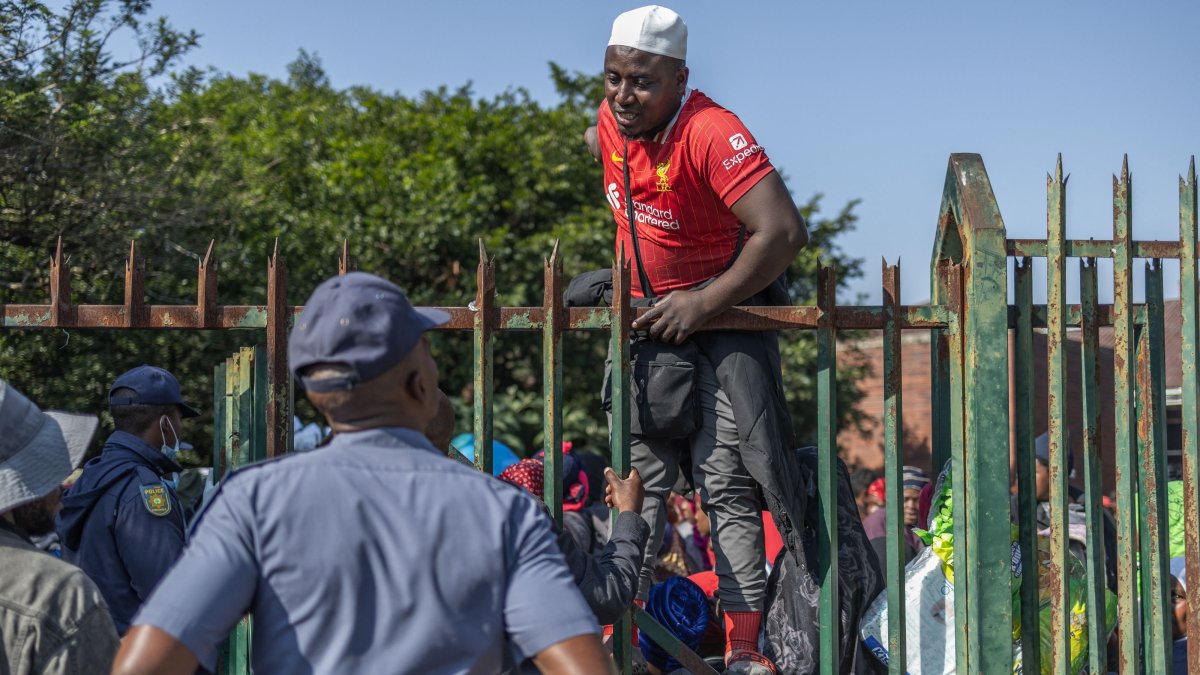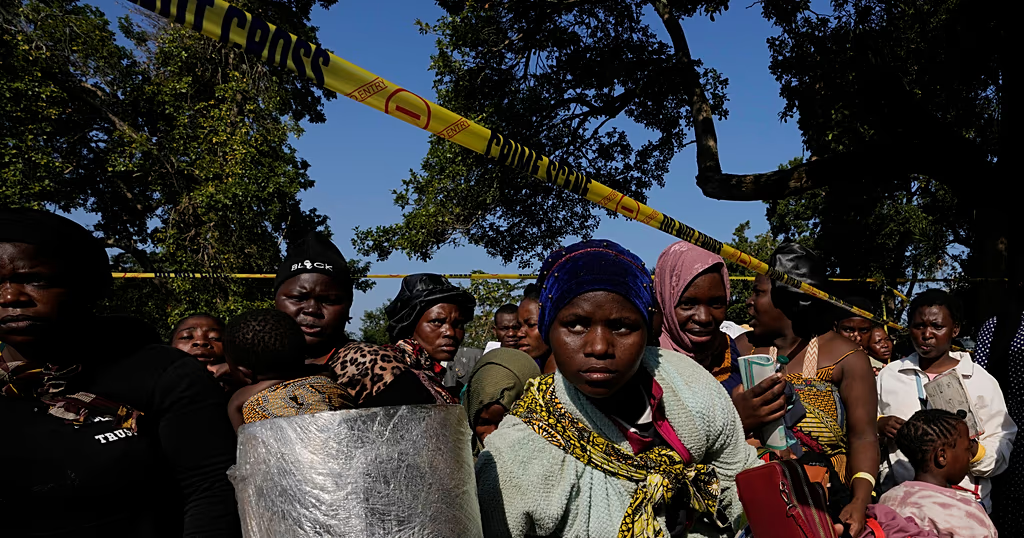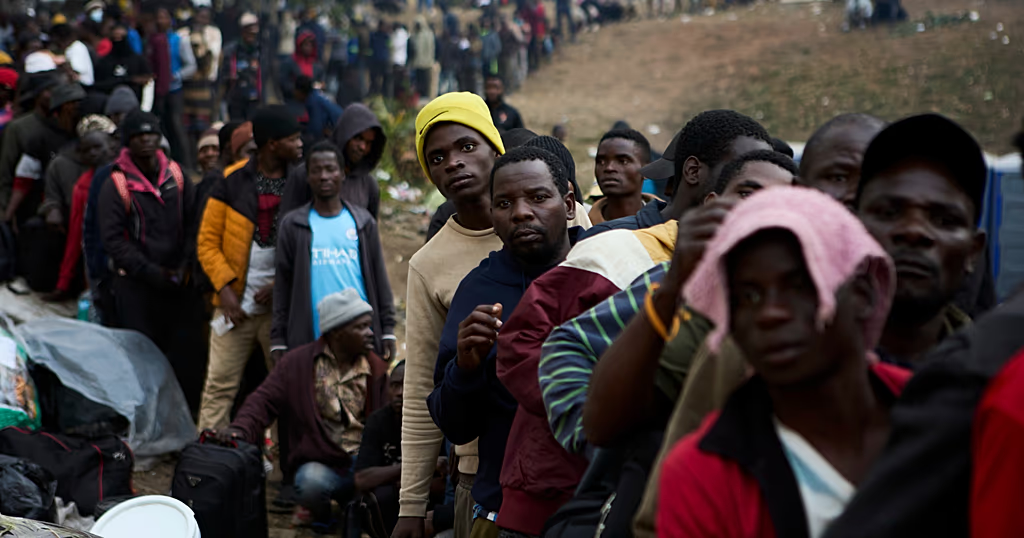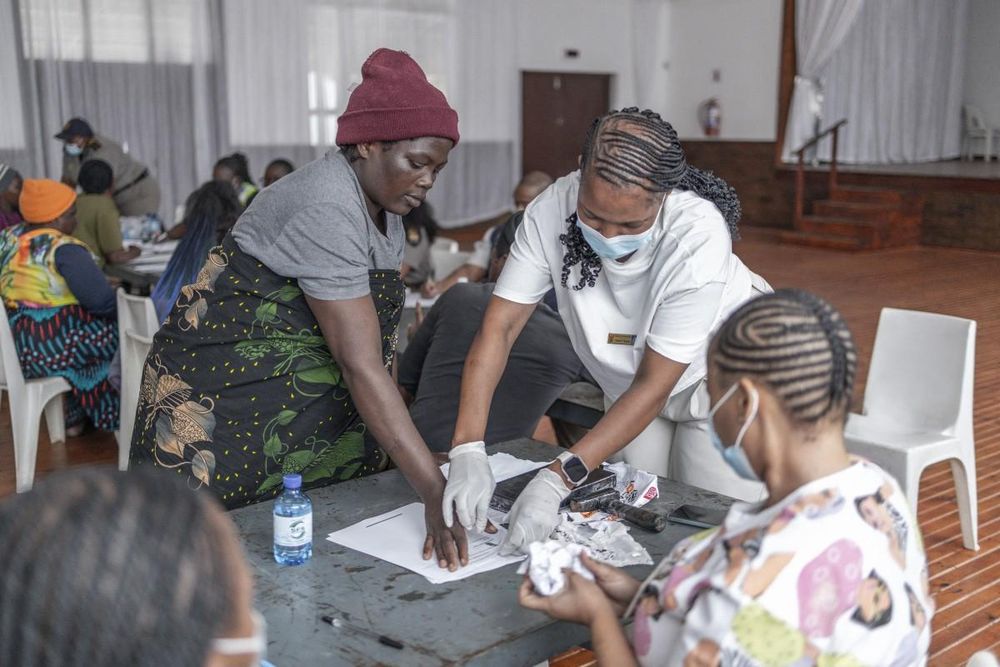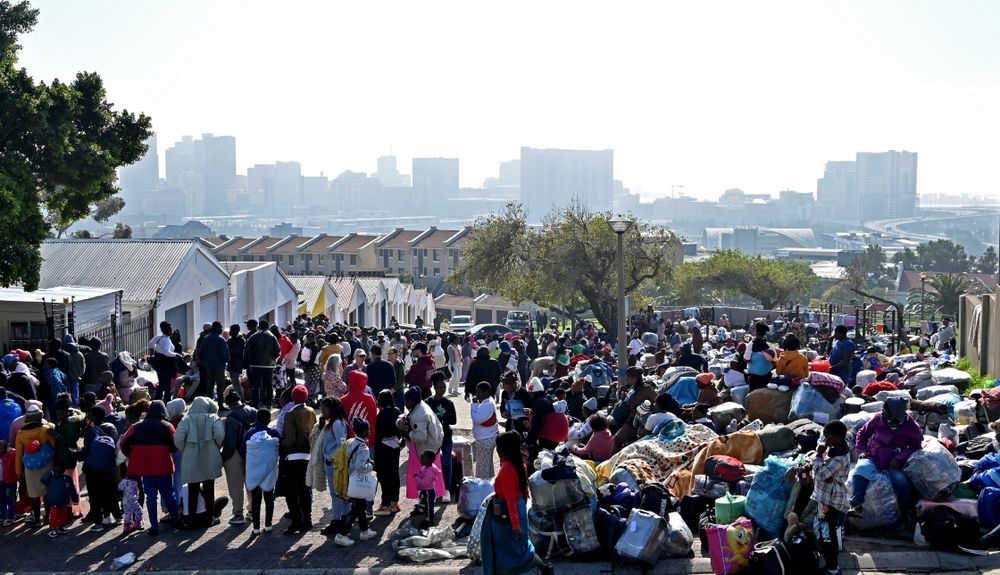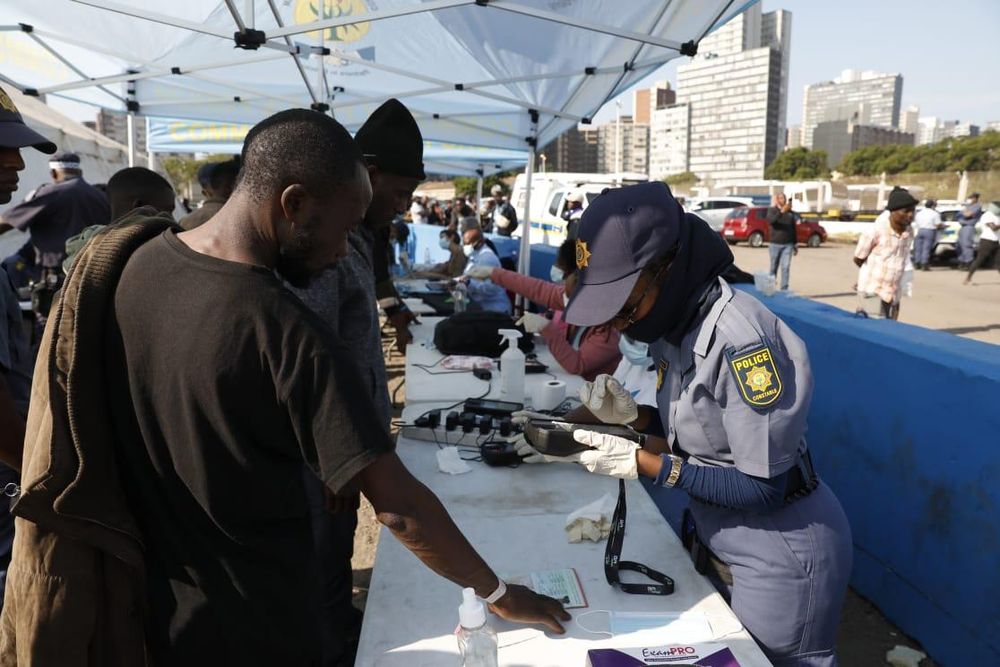
Thousands of Malawian foreign nationals were moved from the Sherwood Hall grounds to the Durban drive-in site to try and fast track their processing and repatriations
THIS raging wave of anti-immigrant sentiment is exposing a leadership vacuum in South Africa and across sub-Saharan Africa. As the June 30 deadline approaches, both African governments whose citizens live in South Africa and the South African government are trying to manage the fallout from the migration crisis.
The saying "history has no blank pages" aptly applies to the ongoing anti-illegal immigrant sentiments in South Africa. Attacks on immigrants are not new in South Africa. We witnessed violent attacks in 2008 and again in 2015.
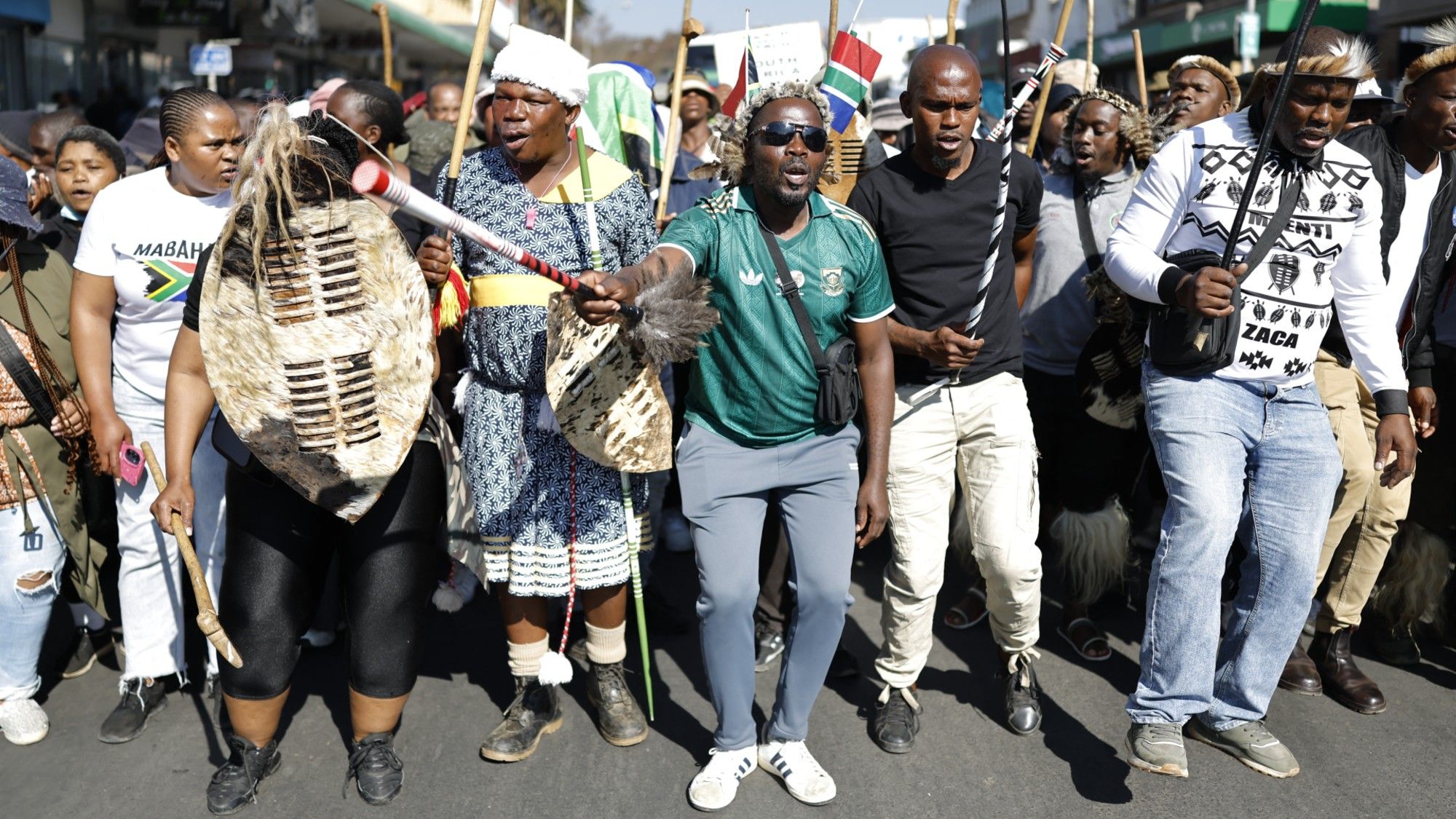
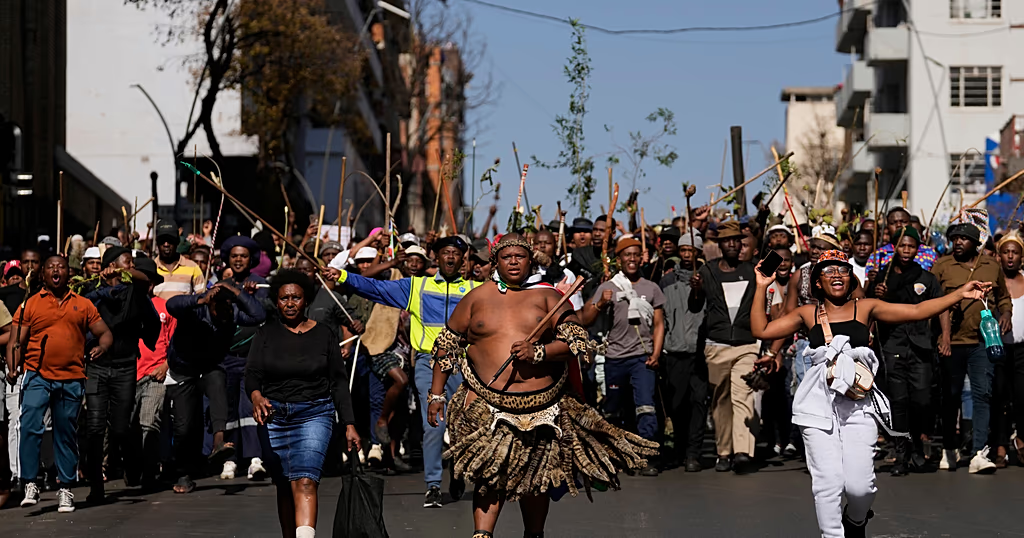
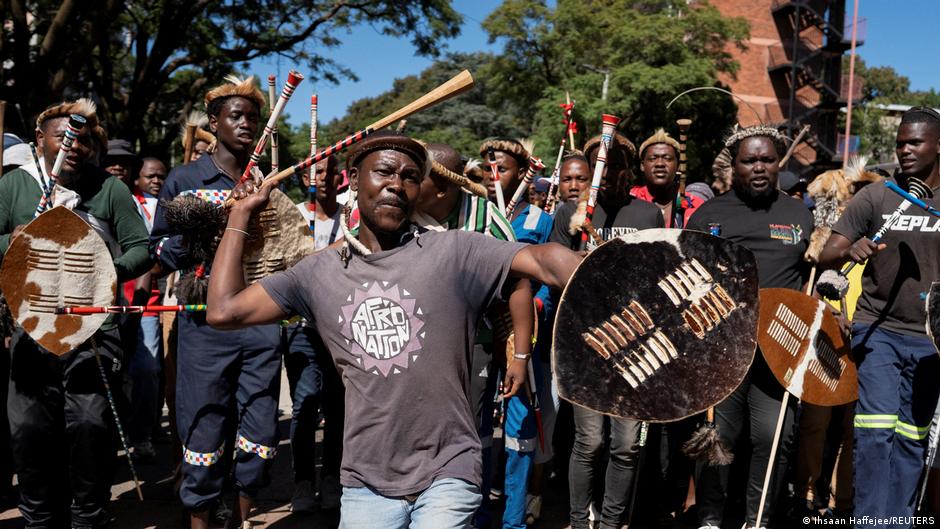
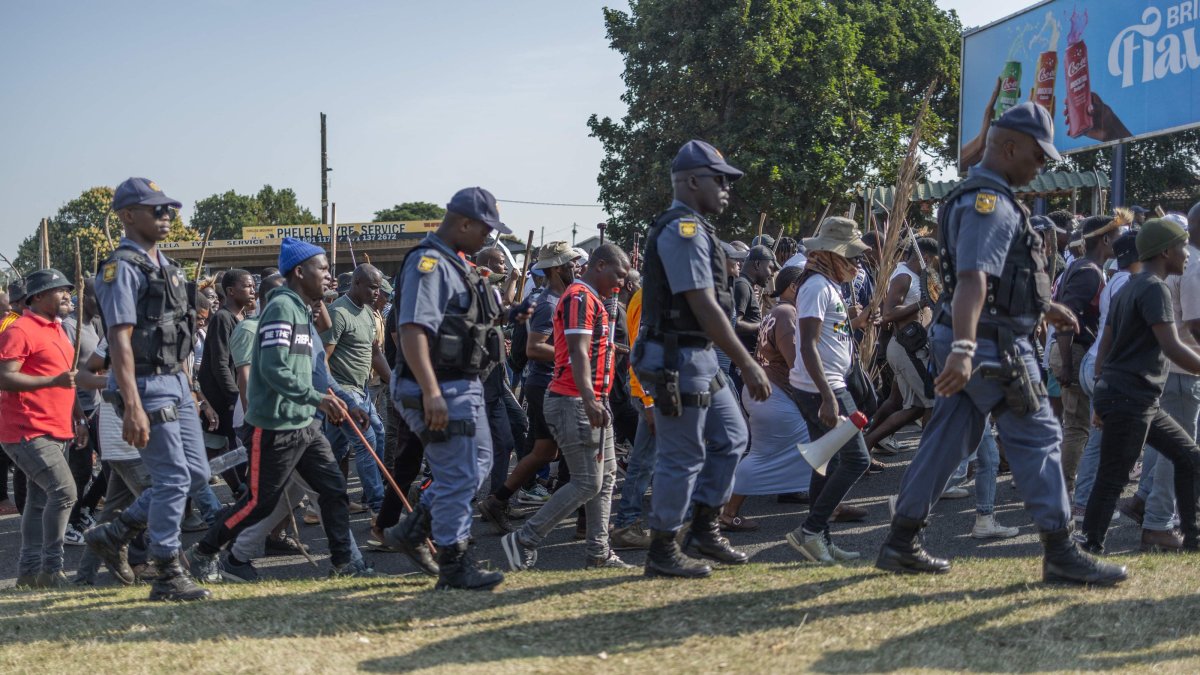
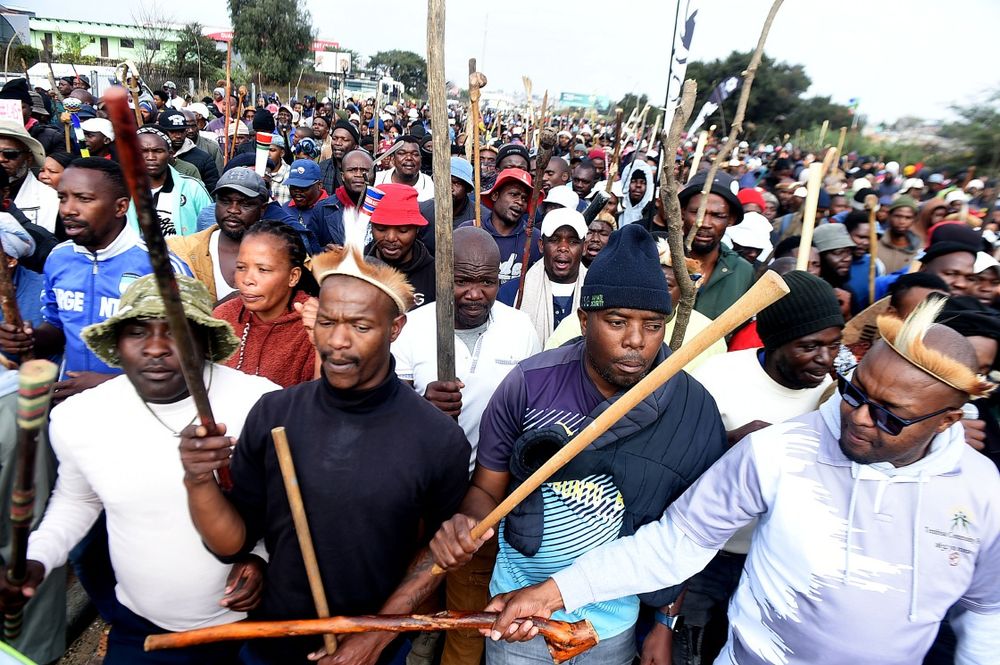
However, never before have we witnessed such widespread vigilantism, well-organised mobilisation, and sustained demands for the deportation of illegal immigrants. This time around, political parties such as ActionSA and the Umkhonto we Sizwe MK party are also jumping on the bandwagon. This is because, for the first time since 1994, we could see South Africans vote not based on party loyalty, but on issues such as immigration.
The harassment and intimidation to which foreigners have been subjected, particularly around the city of Durban, has never been seen before and is unmatched and unprecedented. Anti-immigrant movements, Operation Dudula, and March and March blame illegal immigrants for skyrocketing crime, taking jobs away from South Africans, straining public services, and urban decay.