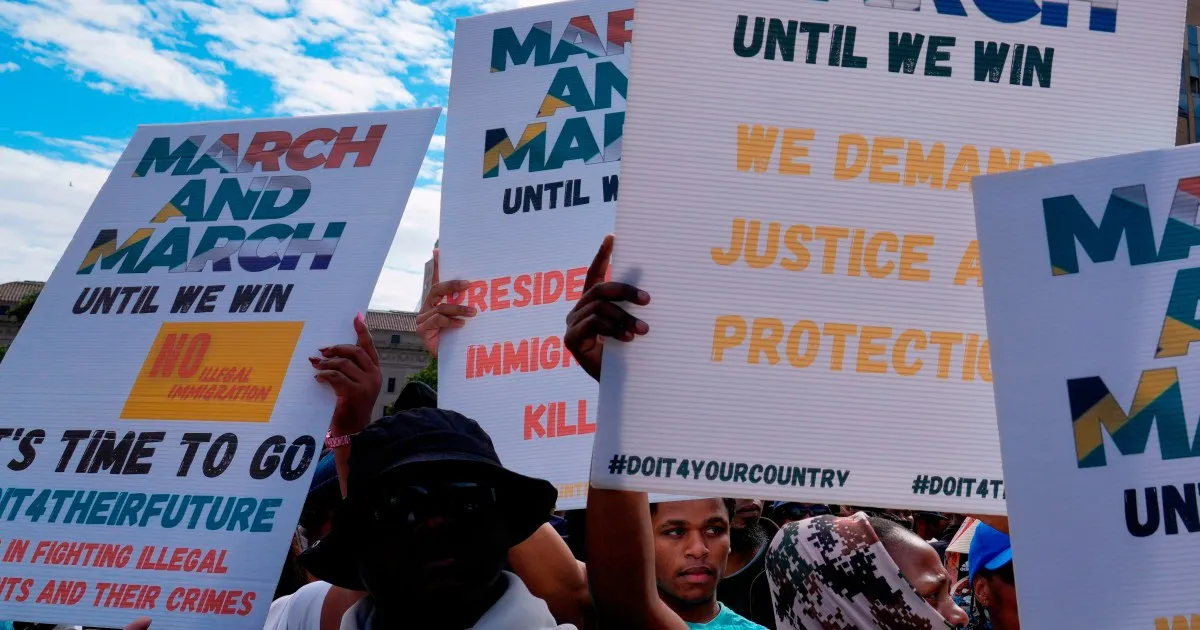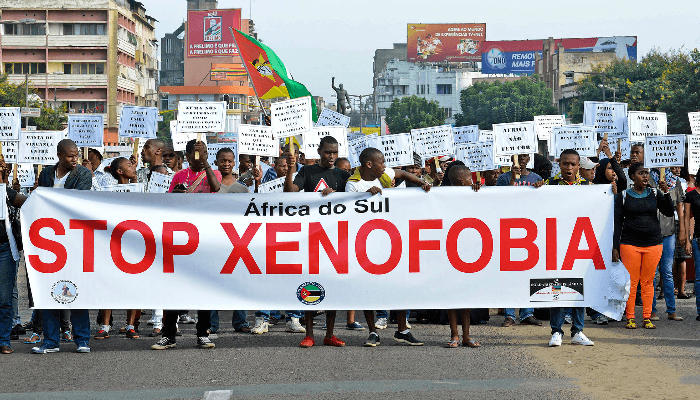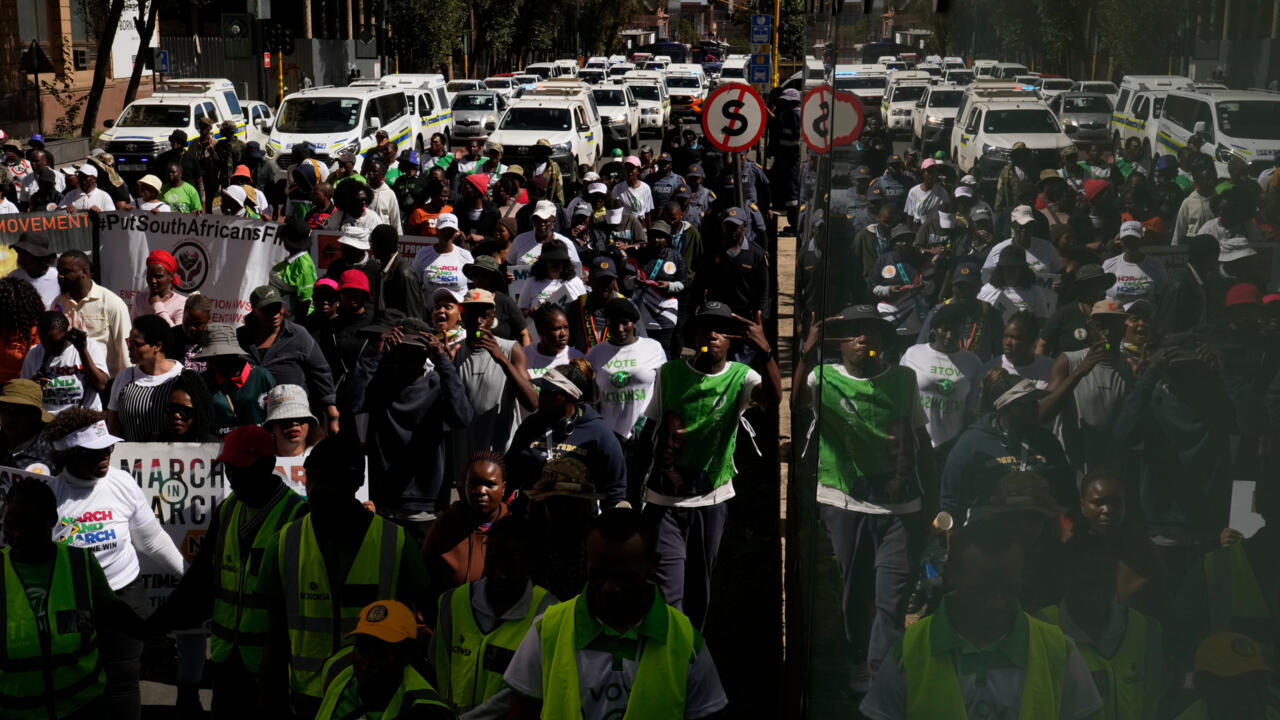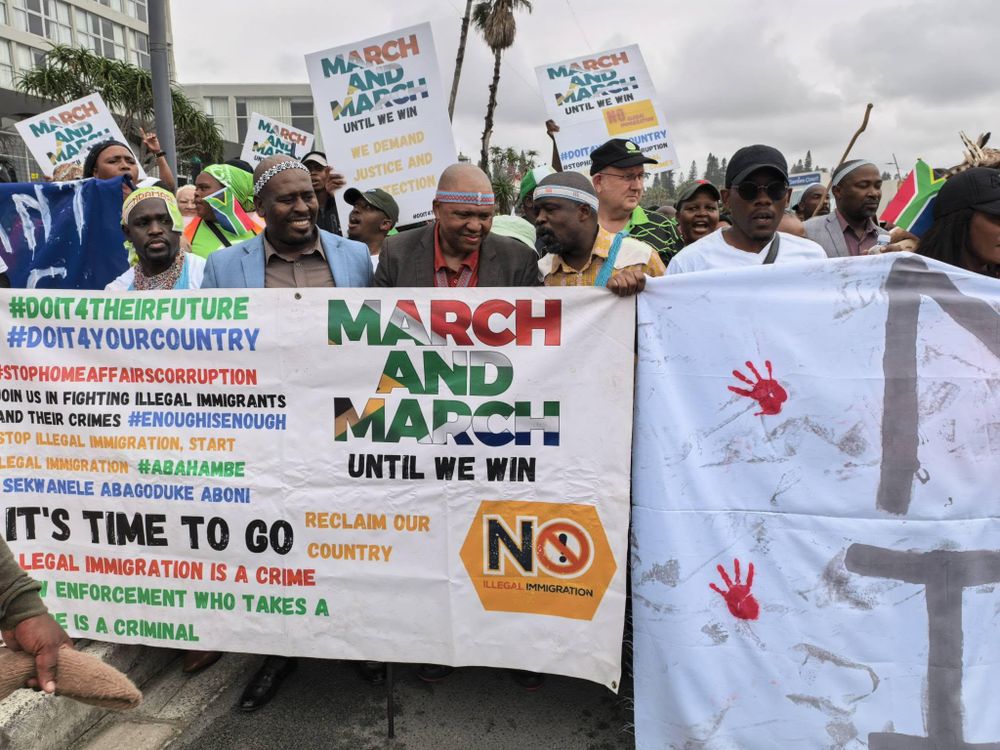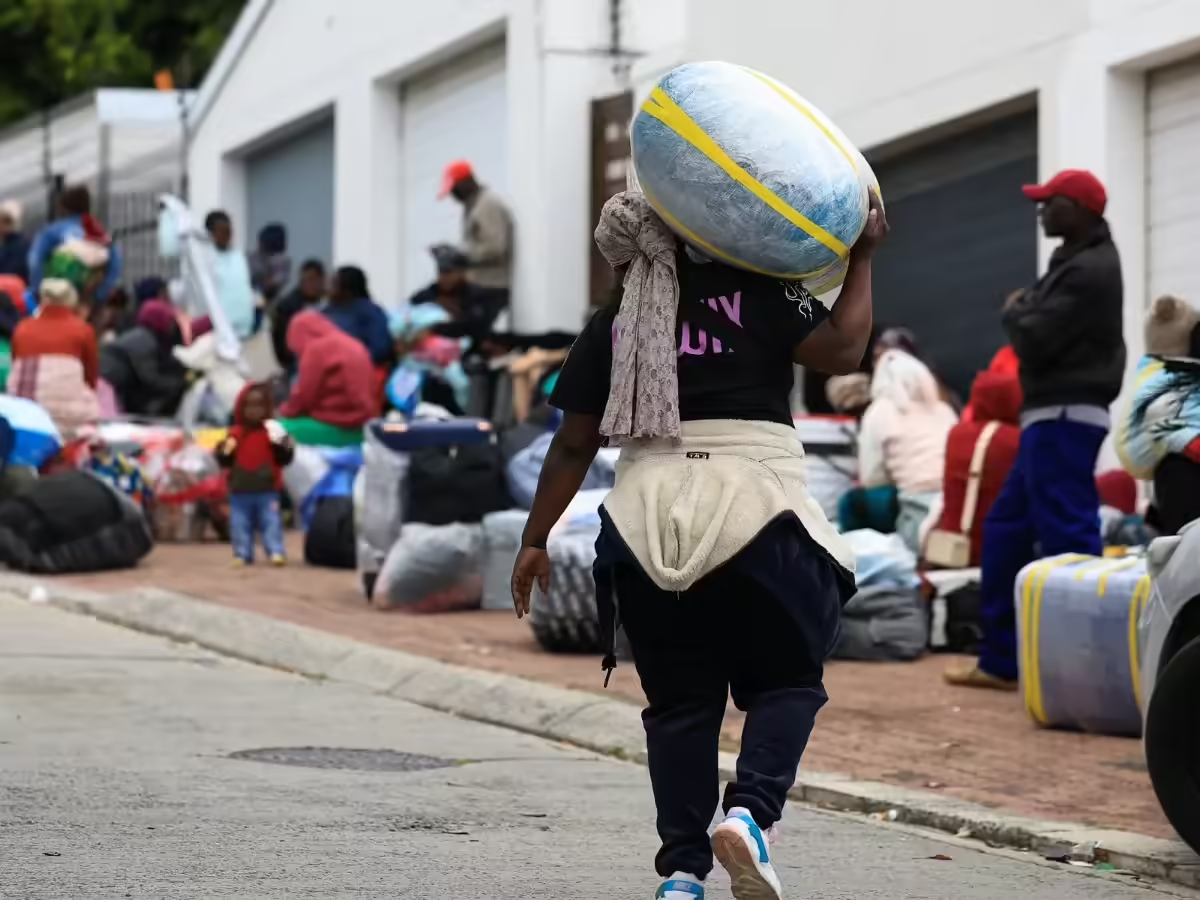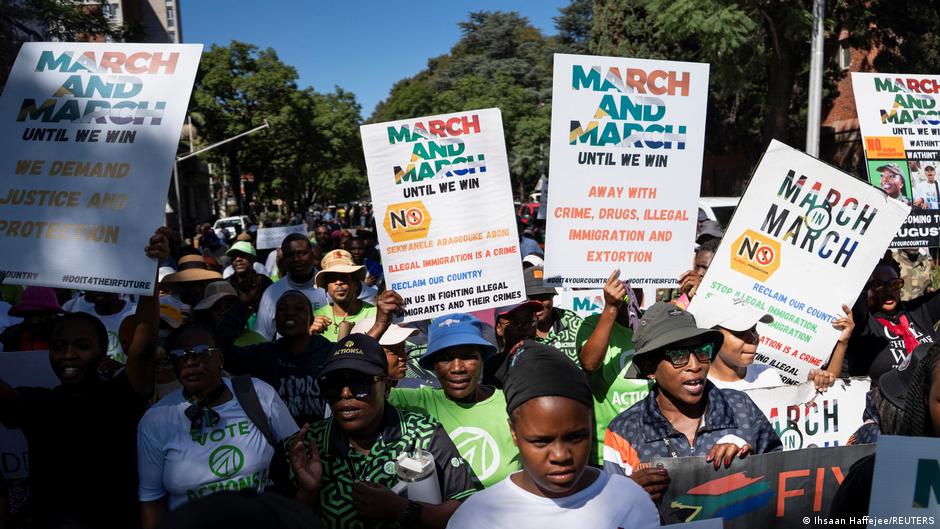
South Africa is in the midst of its most significant anti-immigrant mobilisation in years.
The emergence of the March and March movement, calls for the mass deportation of undocumented migrants by 30 June 2026, growing anti-immigrant violence, and the repatriation of foreign nationals by several African governments have pushed immigration to the centre of national debate.
The anti-immigrant protest movement argues that it is responding to rising unemployment, deteriorating public services and growing insecurity.
The question is not whether these grievances have merit. They do. It’s whether immigrants are, in fact, responsible for them.
This article draws from research by the Southern Centre for Inequality Studies at the University of the Witwatersrand. It examines the drivers and consequences of inequality. It focuses on the world of work, public spending, production and ownership, technological change and innovation, and the effects of climate change.