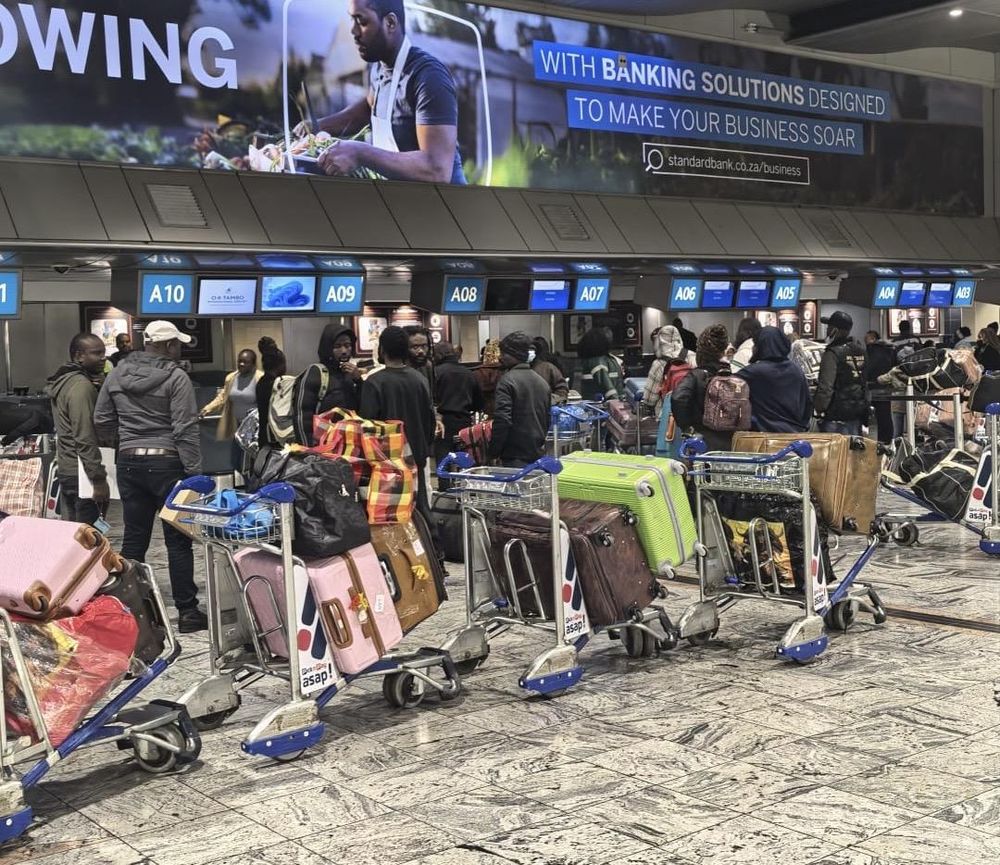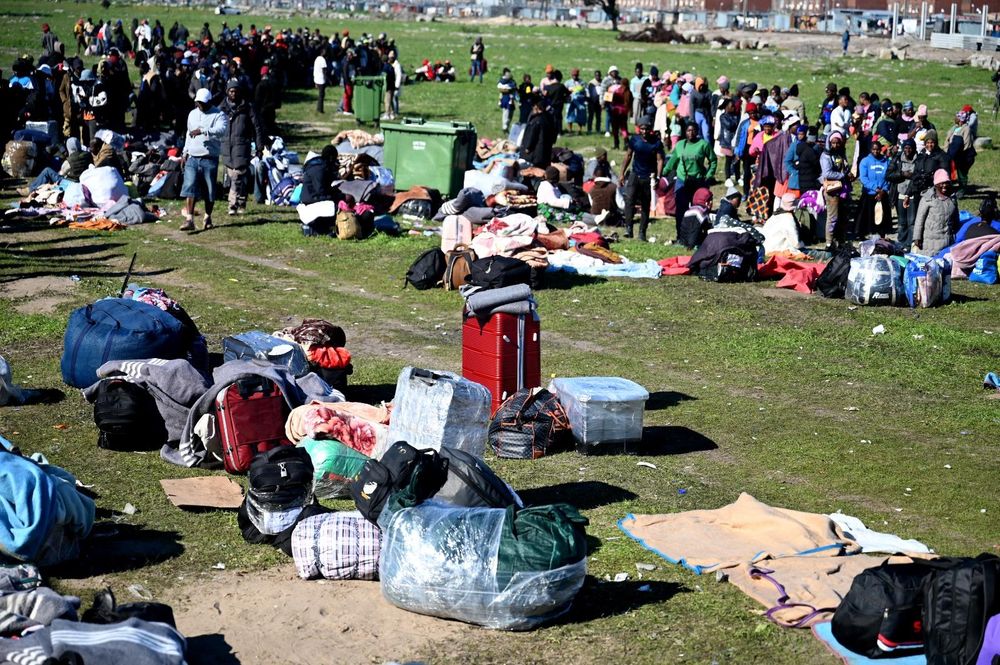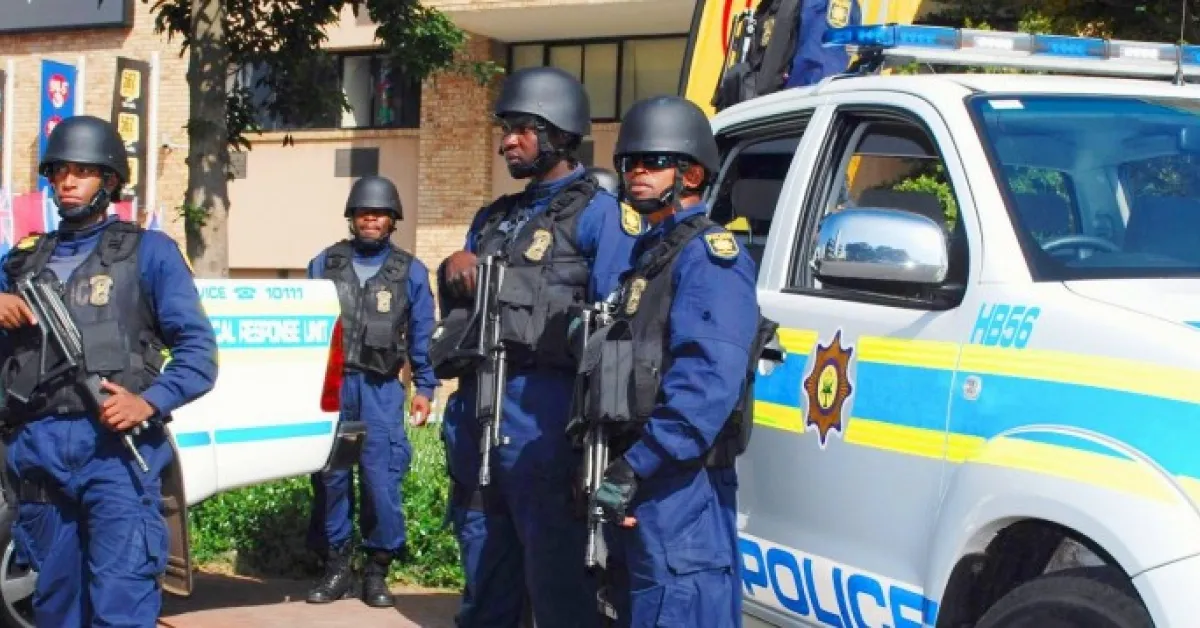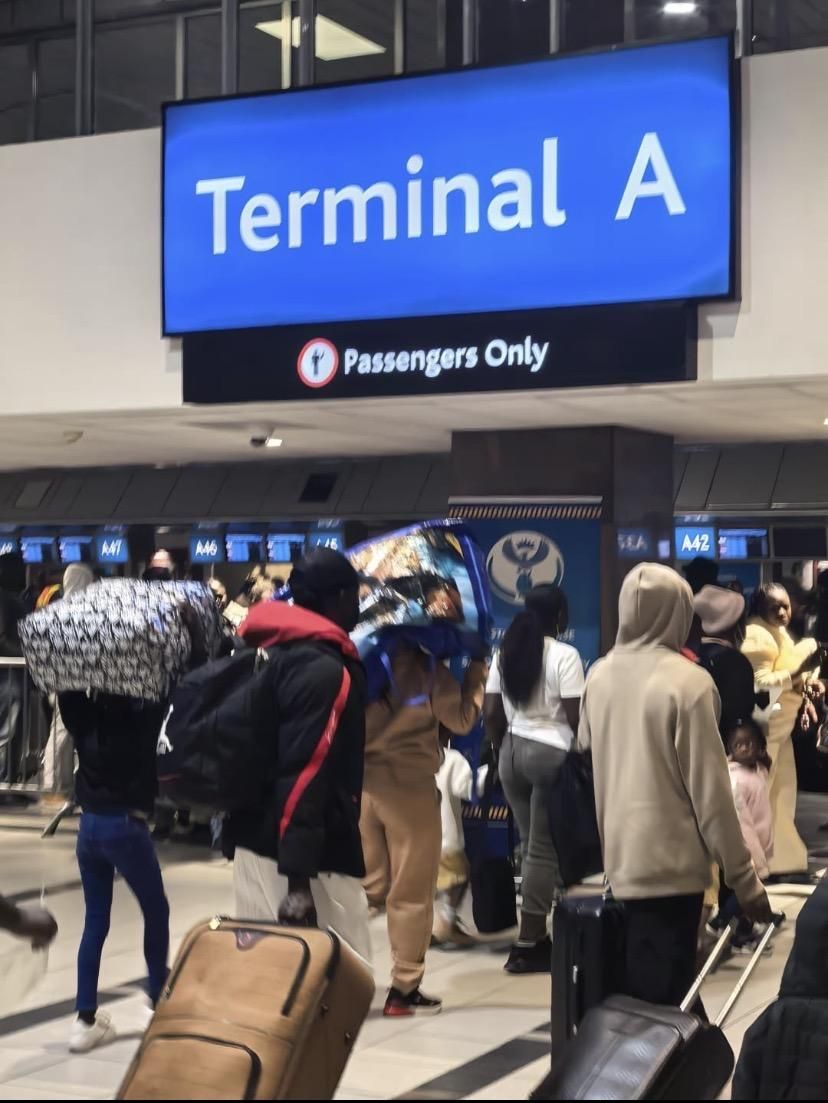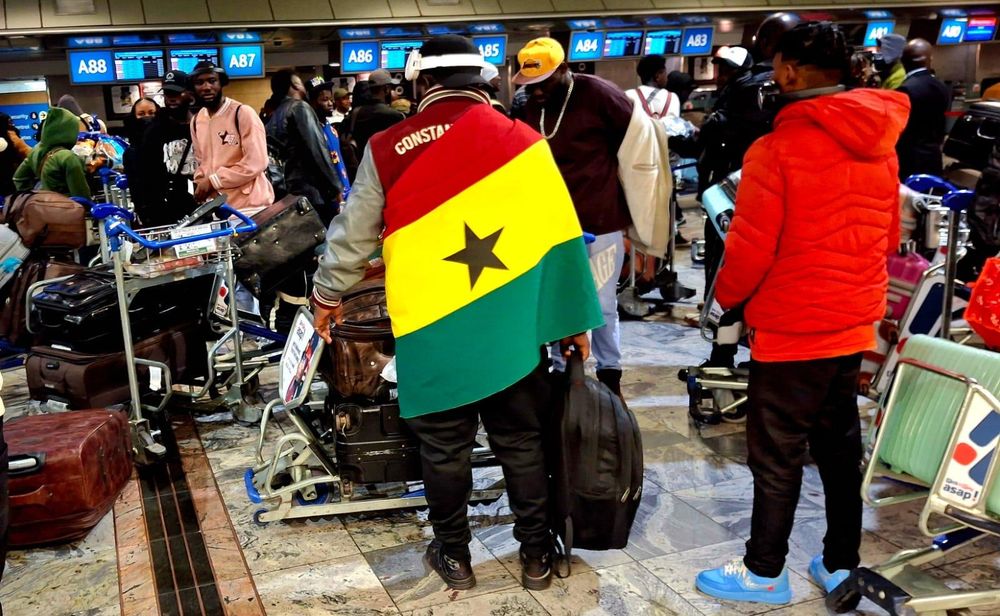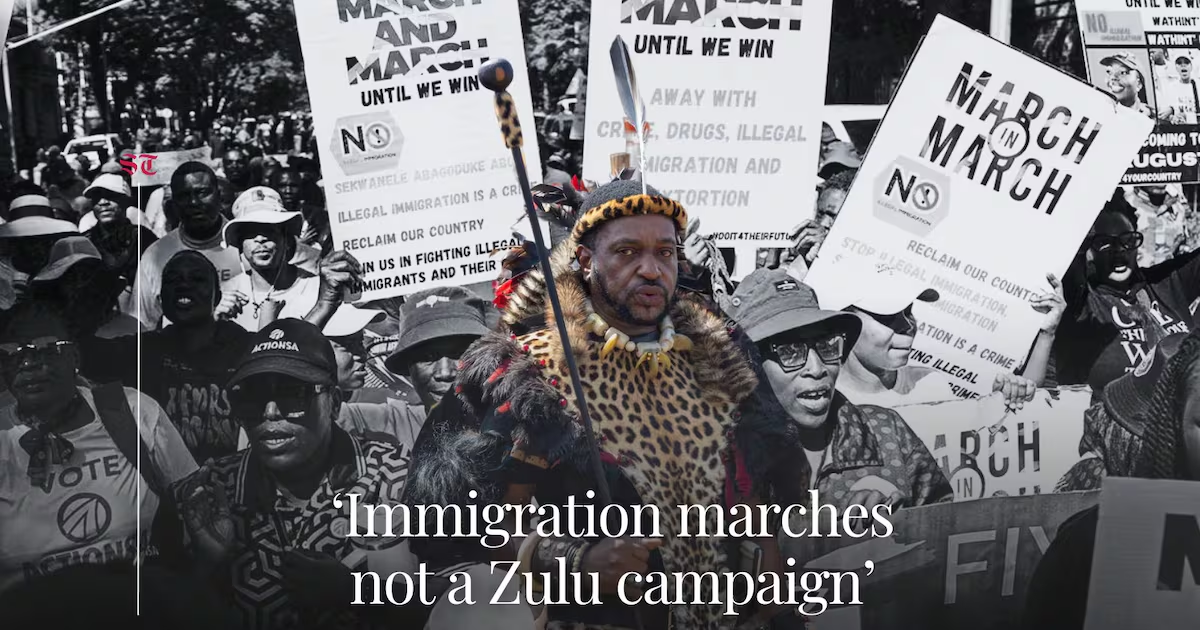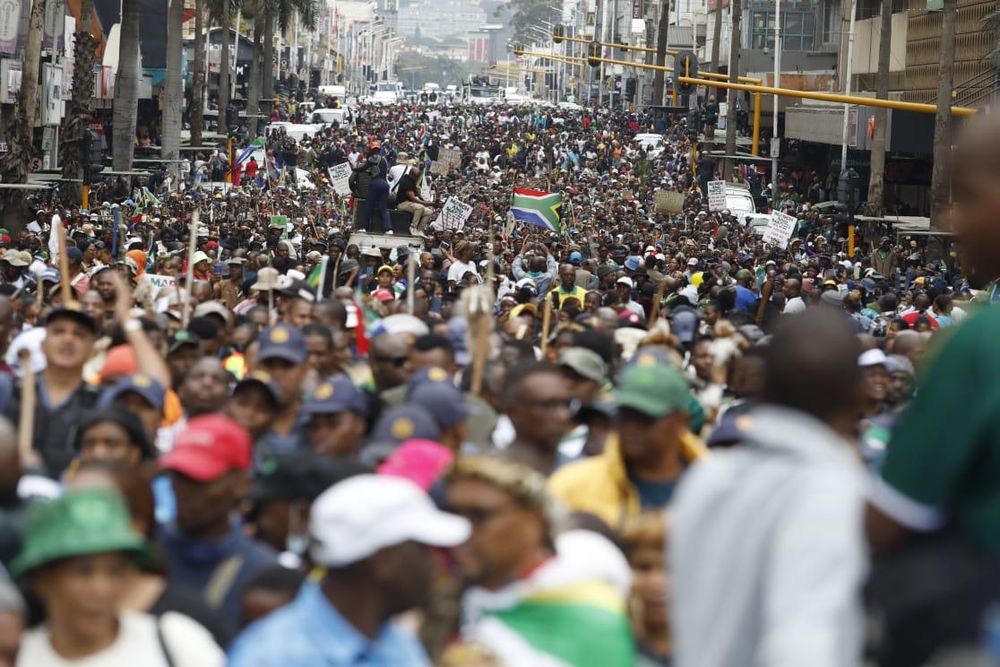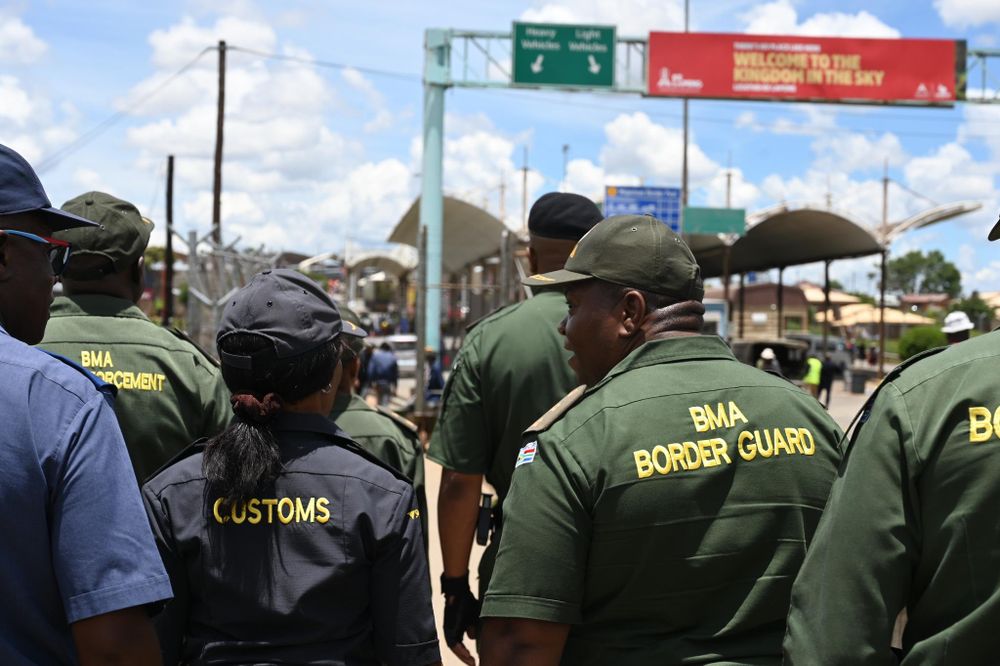
The Border Management Agency officers keep a close watch on South Africa's ports. The writer says a deeper conversation is needed around immigration and governance.
Every period of heightened public anxiety in South Africa seems to produce the same familiar conclusion: immigration has become the country's greatest problem, and the solution lies in tighter borders, stricter enforcement, and tougher rhetoric.
It is an argument that resonates emotionally because it offers a simple explanation for a society grappling with unemployment, deteriorating public services, rising crime, and deepening economic uncertainty. Yet simplicity is often the enemy of sound public policy.
The real challenge confronting South Africa is not merely the movement of people across its borders but the state's diminishing capacity to govern that movement in a manner that is lawful, effective, and capable of sustaining public confidence in its institutions. Migration has accompanied every stage of human civilisation, shaping economies, cultures, and political systems long before the modern nation-state emerged.
No country has ever permanently insulated itself from the movement of people, particularly in an era characterised by globalisation, regional integration, and increasingly interconnected labour markets. The question, therefore, is not whether migration can be stopped, because history suggests it cannot, but whether governments possess the institutional capability to manage migration in ways that strengthen rather than fracture social cohesion.