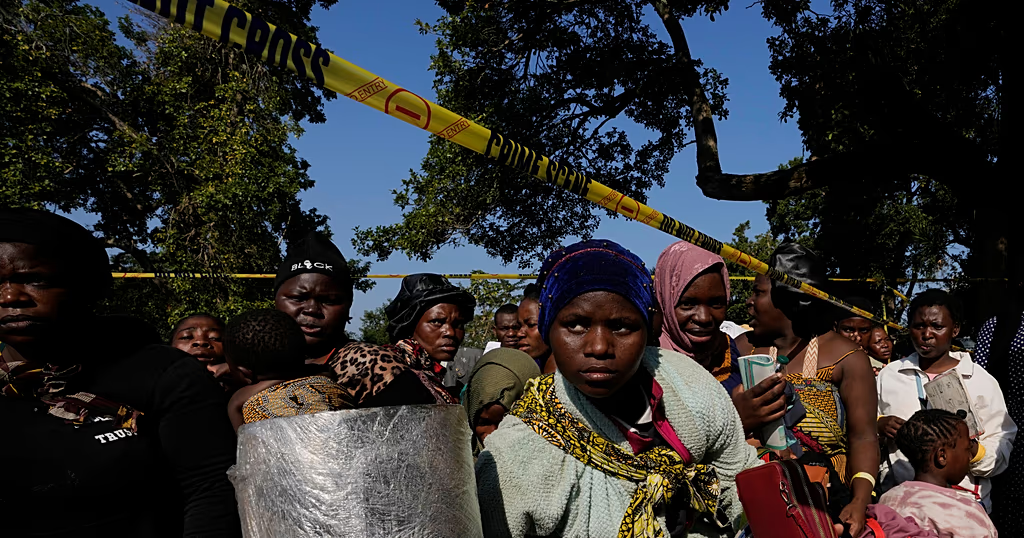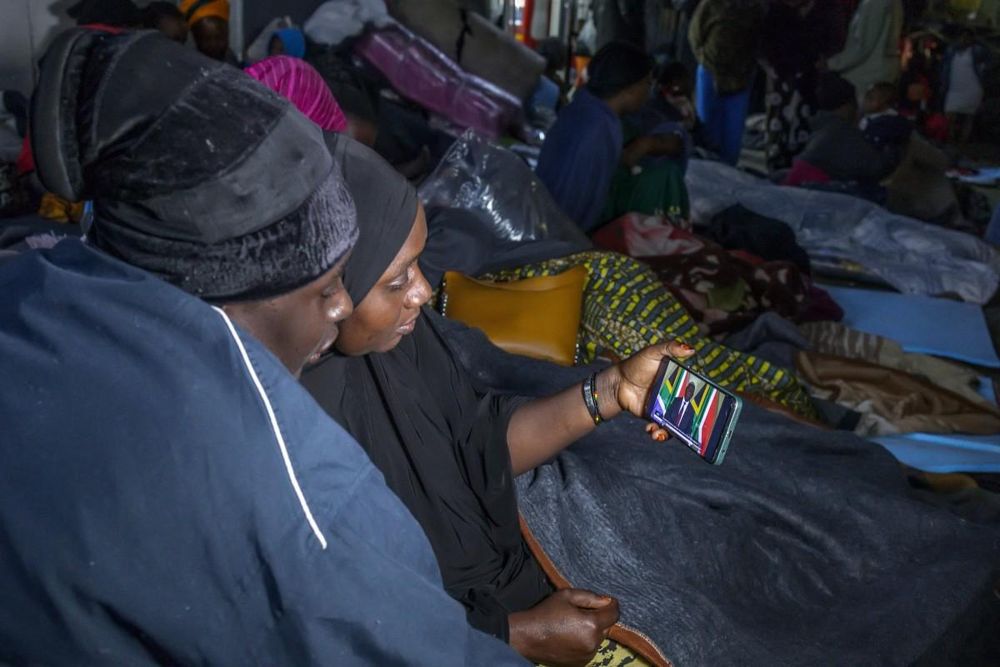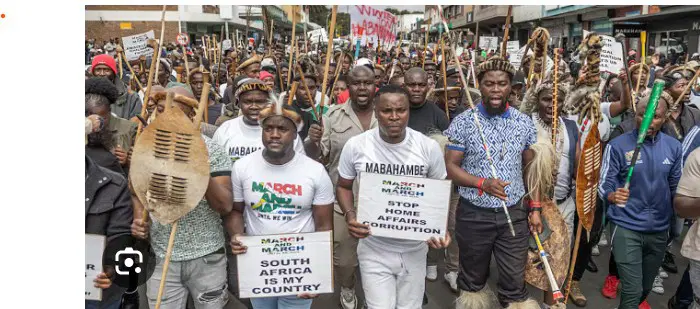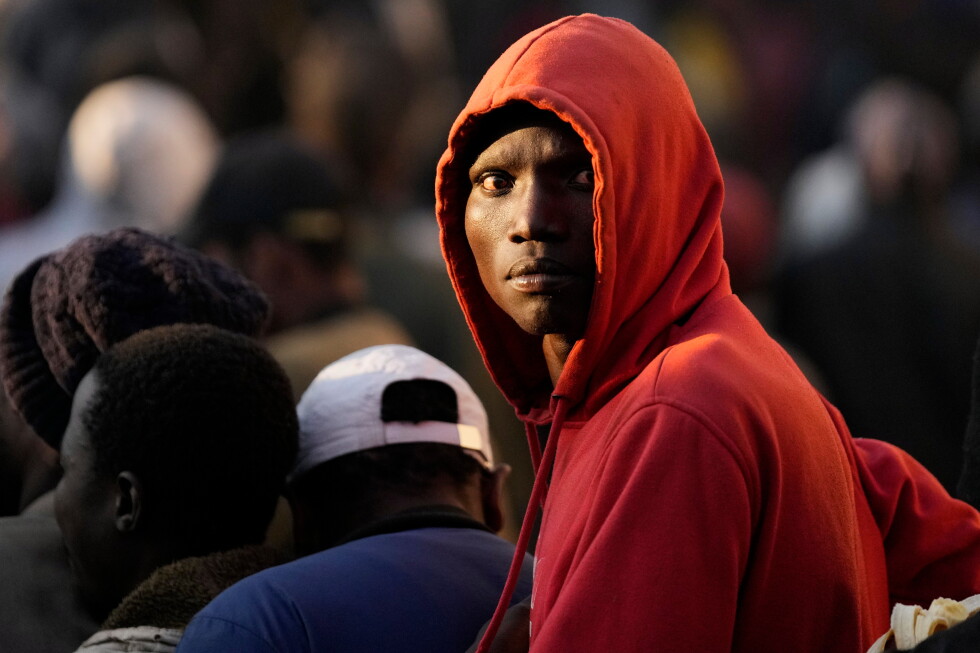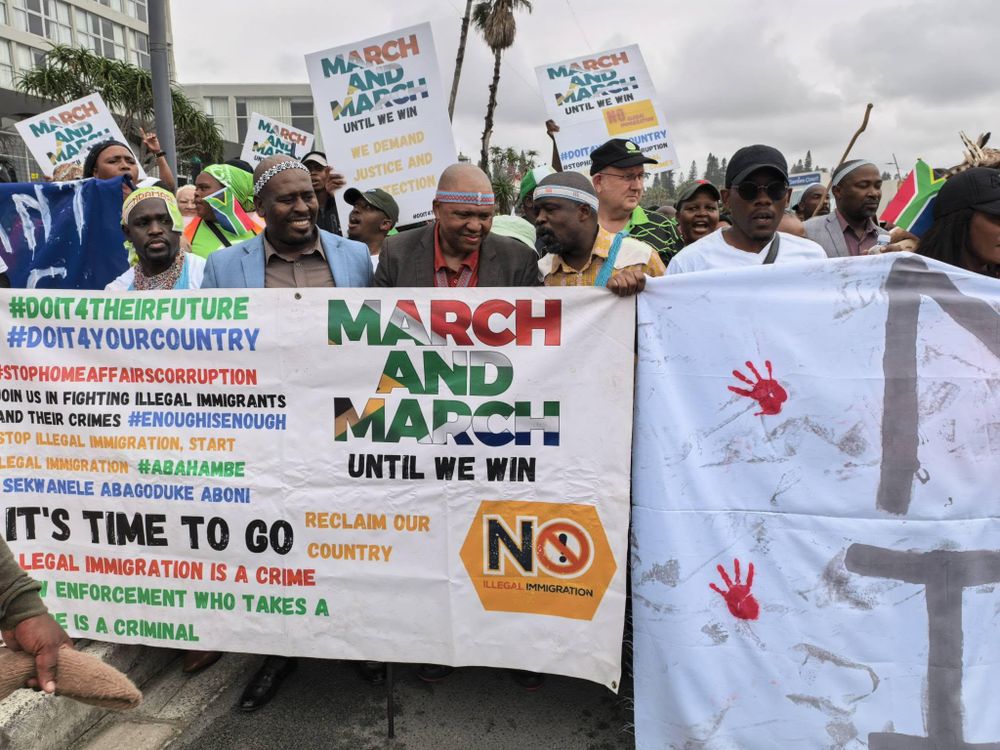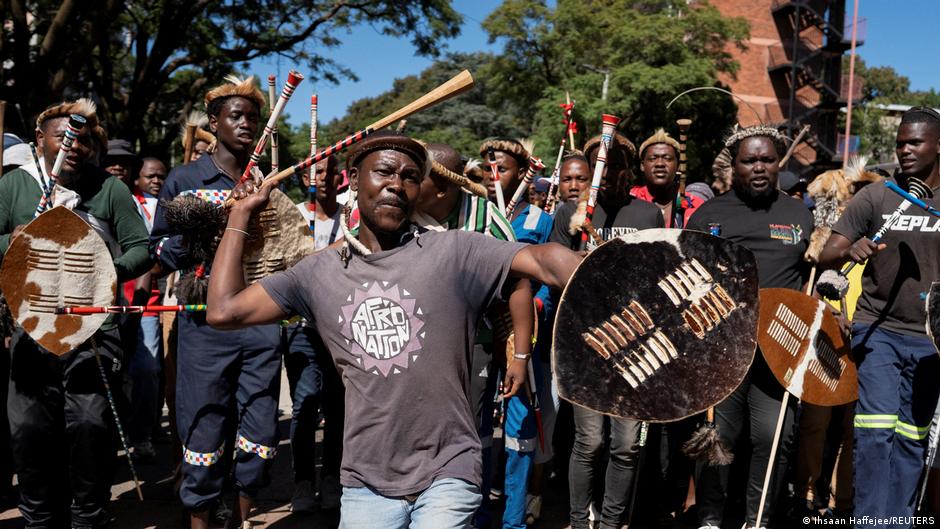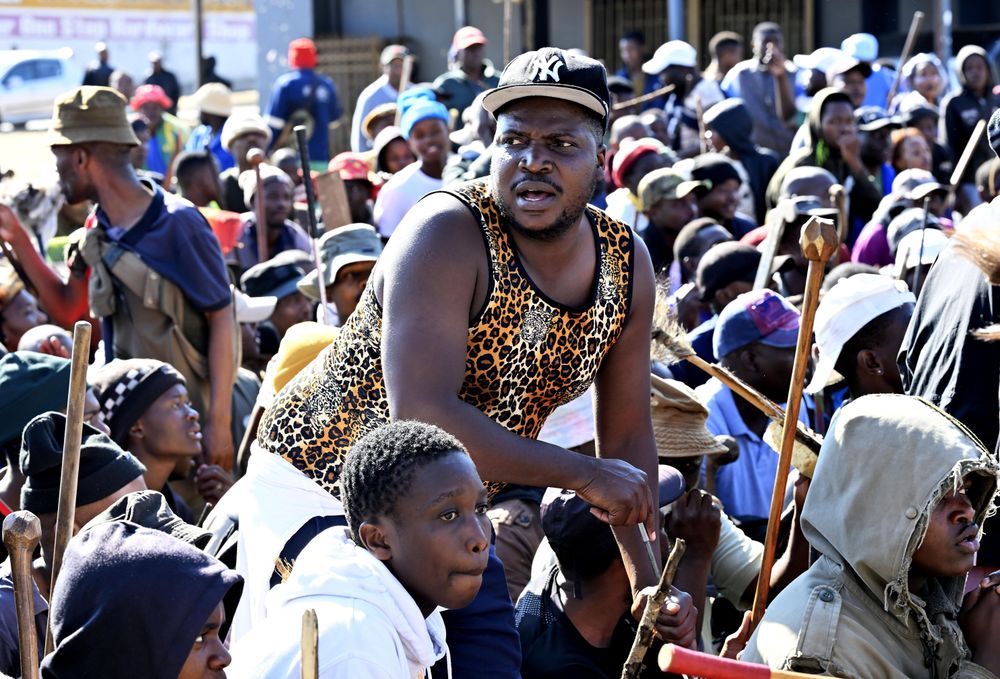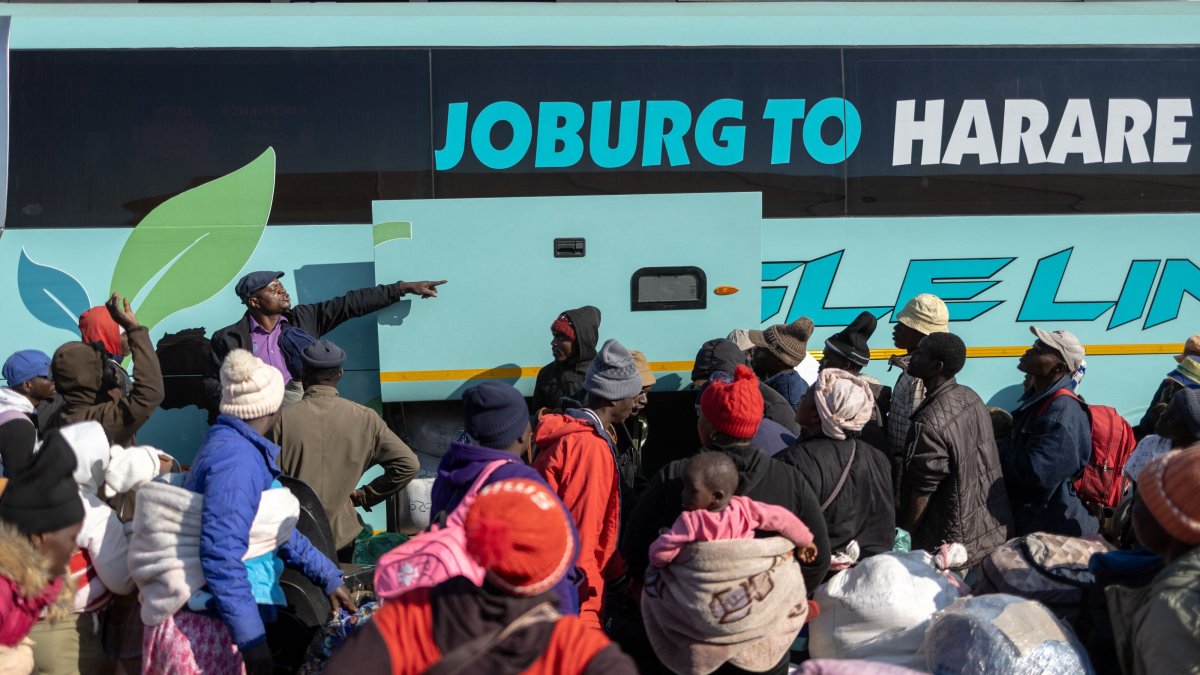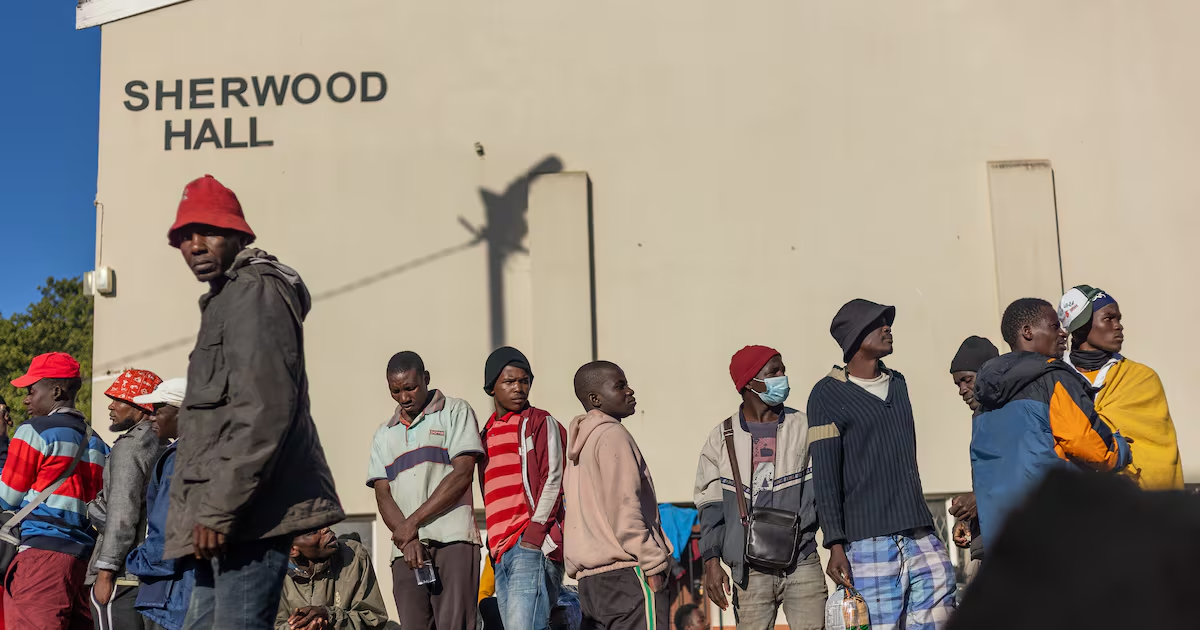
South Africa has been on a knife’s edge for a sustained period over the issue of migration. A recent threat by the protagonist of the latest agitation to expel African migrants from South Africa, to elevate pressure on the government by setting a June 30 deadline, seems to have brought the issue to a head. Unlike the previous episodes of calling for undocumented migrants to leave, this time the threat was considered serious enough for the governments of Ghana, Nigeria and Malawi to act to help their citizens repatriate from South Africa. Malawi’s government, having underestimated the scale of the challenge to repatriate its citizens, sent buses to Durban, the epicentre of the latest migration issues in South Africa. The first day of repatriation preceded days of swelling numbers of Malawian citizens filling the entire Sherwood Hall precinct and culminating in the conversion of repatriation into a mass deportation. But what does the deportation of African migrants mean to the South African economy? It may not seem like a matter that will have a direct adverse impact. After all, the thousands of Malawians being deported are not employed in office parks in South Africa’s economic hubs or executives making big business decisions. While many African migrants do work in the professional sectors of the South African economy, most Malawian migrants toil at the bottom layer of the social economy as gardeners, child minders, house cleaners and everything else in the periphery that frees up time for the South African middle class to thrive in the productive economy. It is not hard to imagine the impact of what will soon be a conspicuous absence of Malawian workers. The South African middle class has been threatened with hefty fines and imprisonment by no less than President Cyril Ramaphosa in his most recent response to the migration issue in South Africa. Research by the IMF and the Emerging Markets Forum has found that the spillover from economic growth in South Africa has a positive impact on the rest of the continent, mainly because migrants, including those in the social reproductive economy like the thousands of Malawians living and working in South Africa, tend to remit their hard-earned rand to their home countries to support their families. This article should not have to remind anyone about the deep history of the migrant labour system that built this country. That history includes internal migration from villages to cities but also a sustained and strong regional migration, characterised mainly by Southern Africans coming to work in South Africa’s mines. In more recent years the social reproductive economy attracted unskilled African migrants who have over many years lived as undocumented immigrants. While undocumented immigration is hard to defend, the structural constraints that cause it should be considered when solutions are sought. Migrants who had settled into roles at the bottom of the South African social hierarchy are, by any measure, victims of dehumanising public policies in their home countries that stunted their economies and drove people out to find ways to survive. Traversing three countries to get to South Africa and work as a gardener, childminder, house cleaner or in another social reproductive economic role in the auxiliary economy can never be an easy decision. •Seshibedi, a photojournalist, is a PhD candidate in the political science department at the University of Pretoria.
SYDNEY SESHIBEDI | Deportations disrupt SA’s social reproductive economy
Crackdown on undocumented migrants challenges legacy of regional labour flows
555 words~3 min read