Story audio is generated using AI
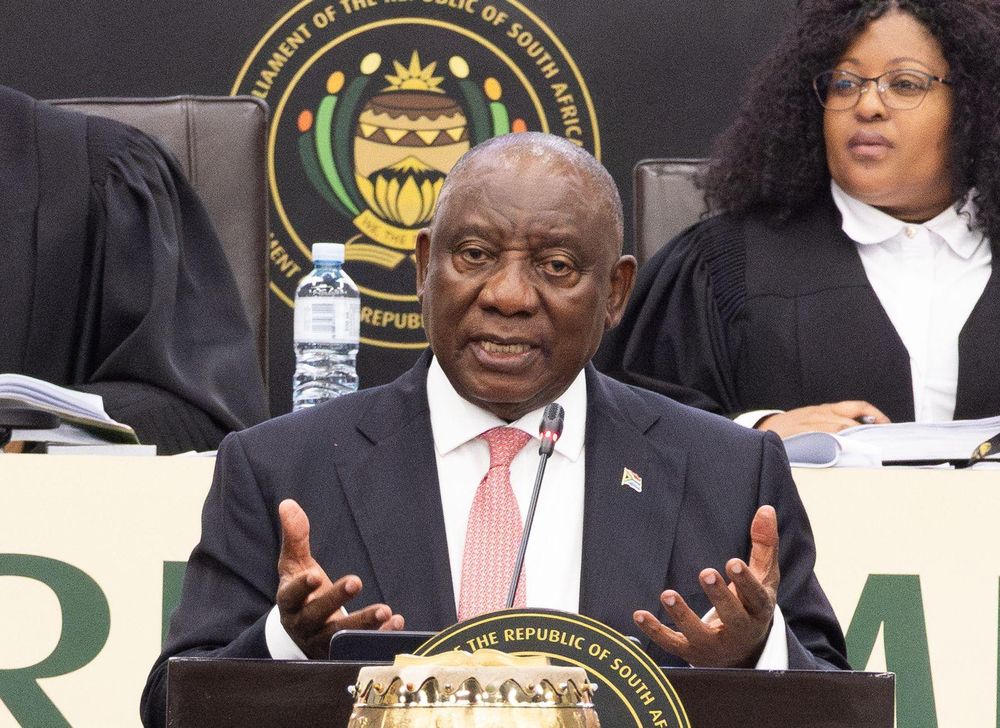
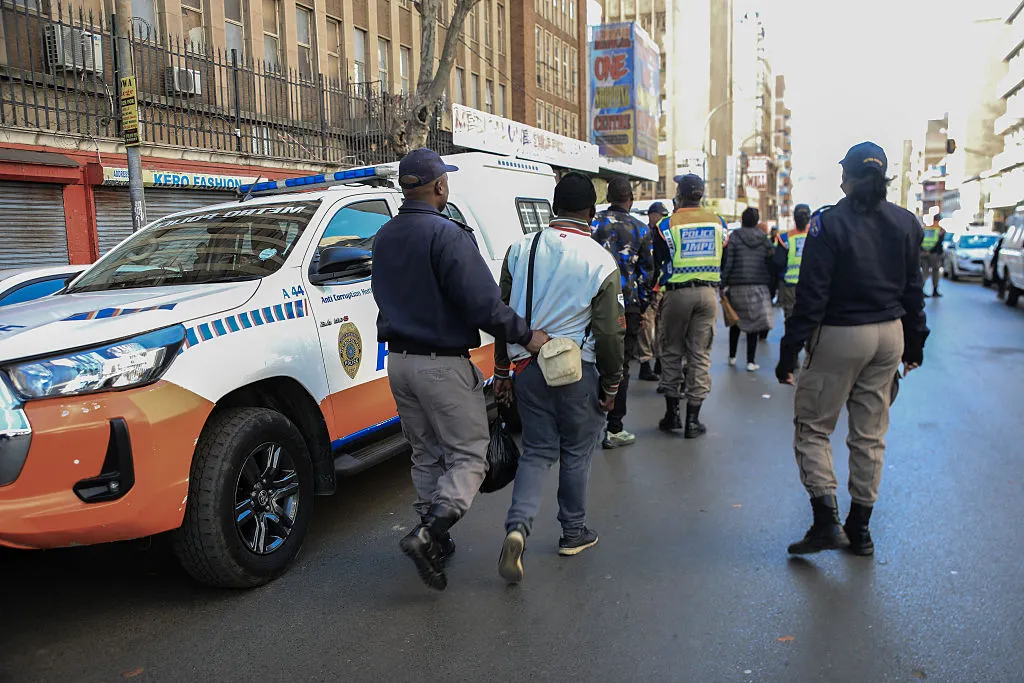
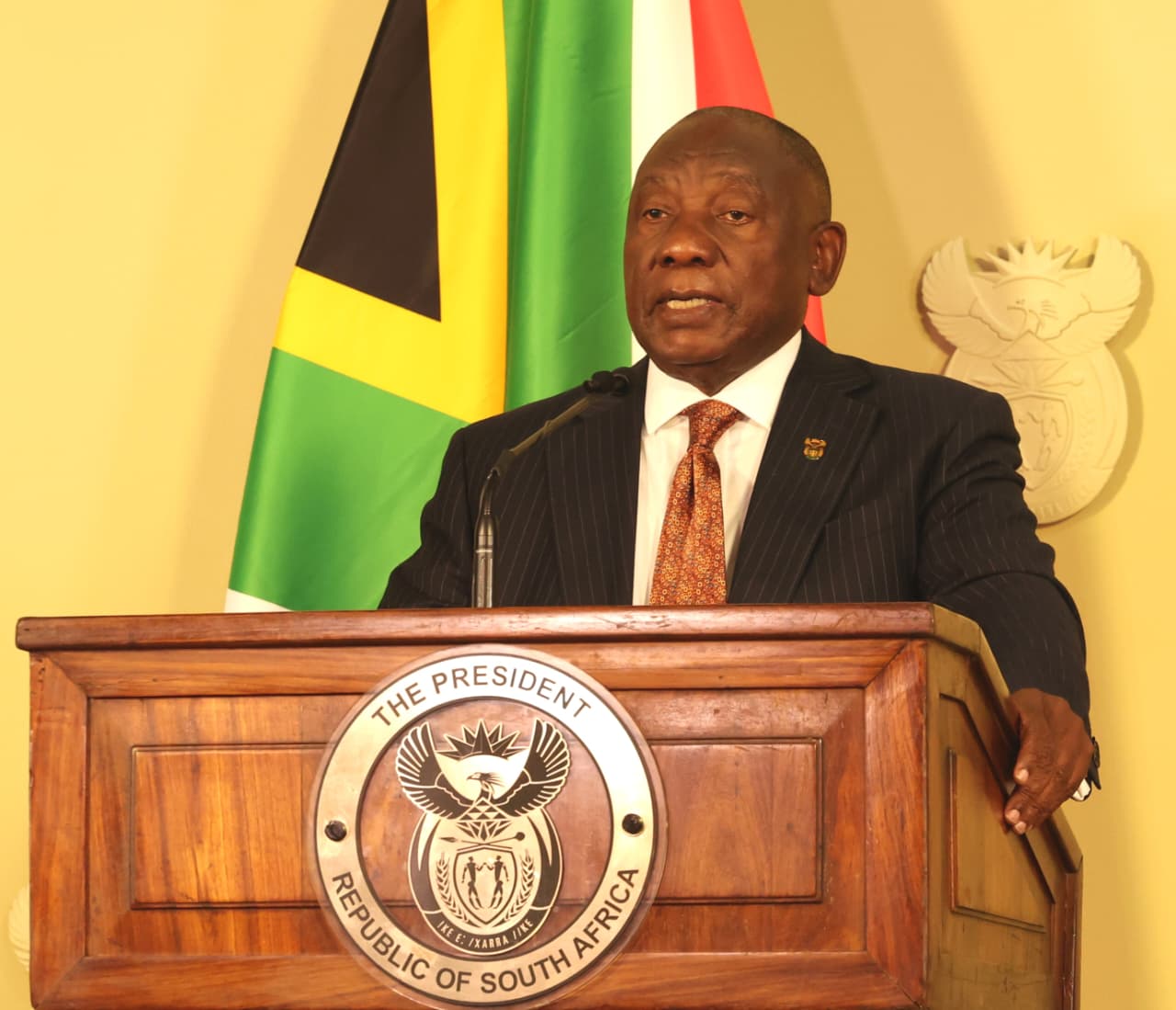
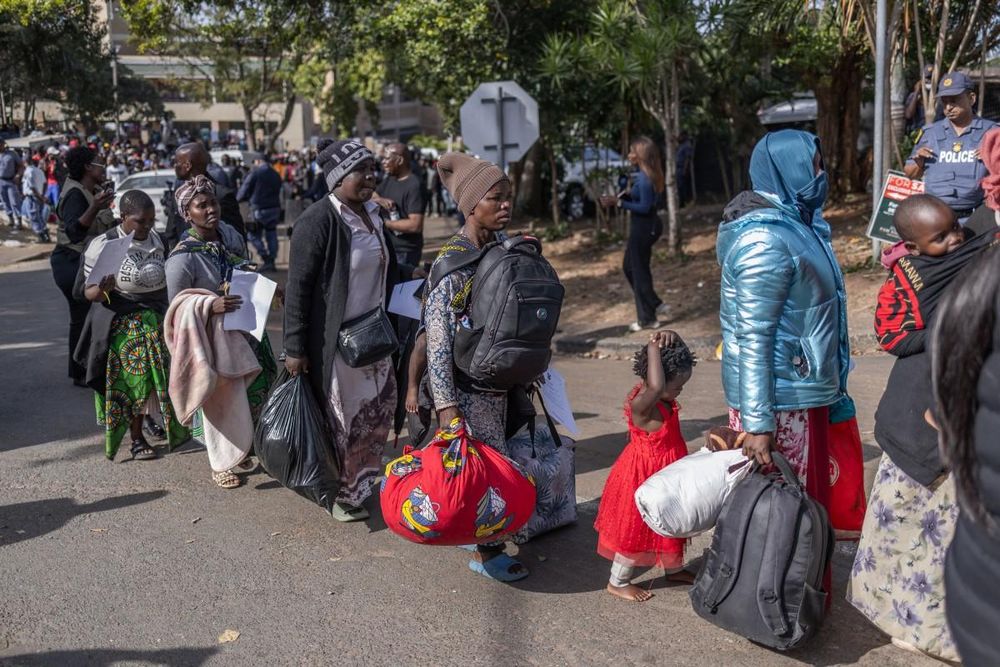
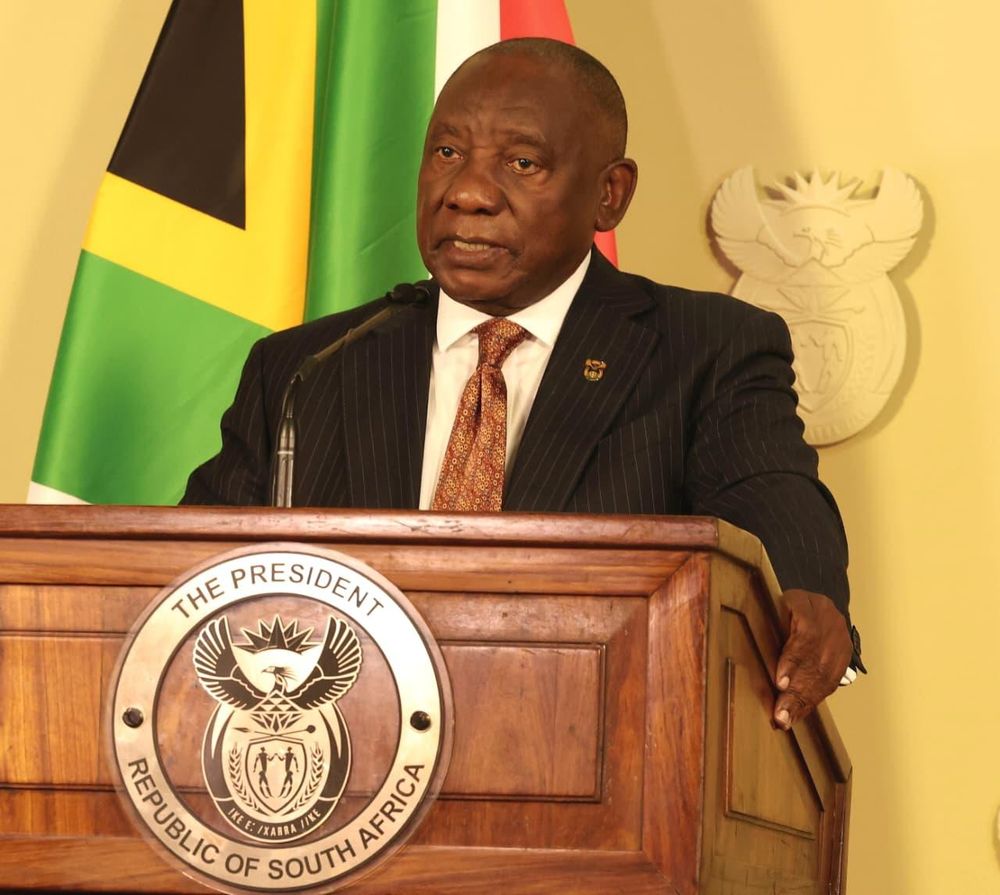
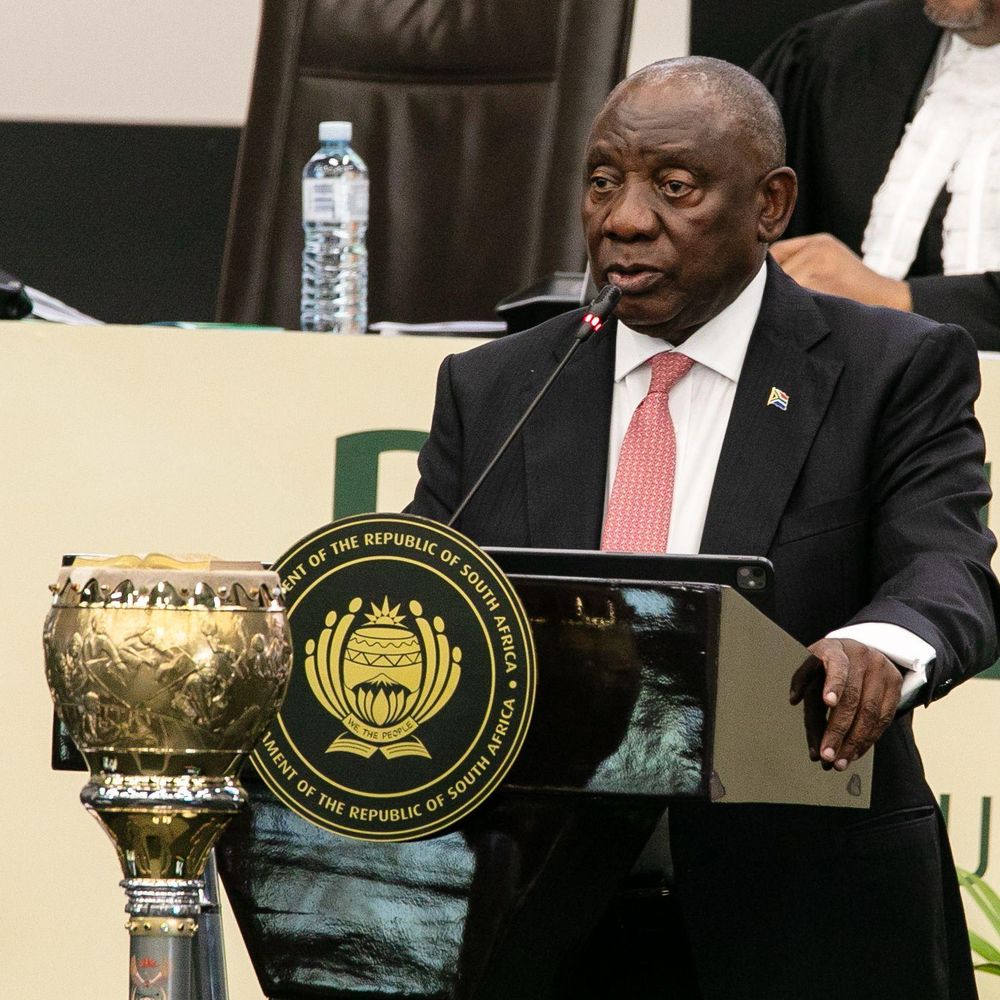
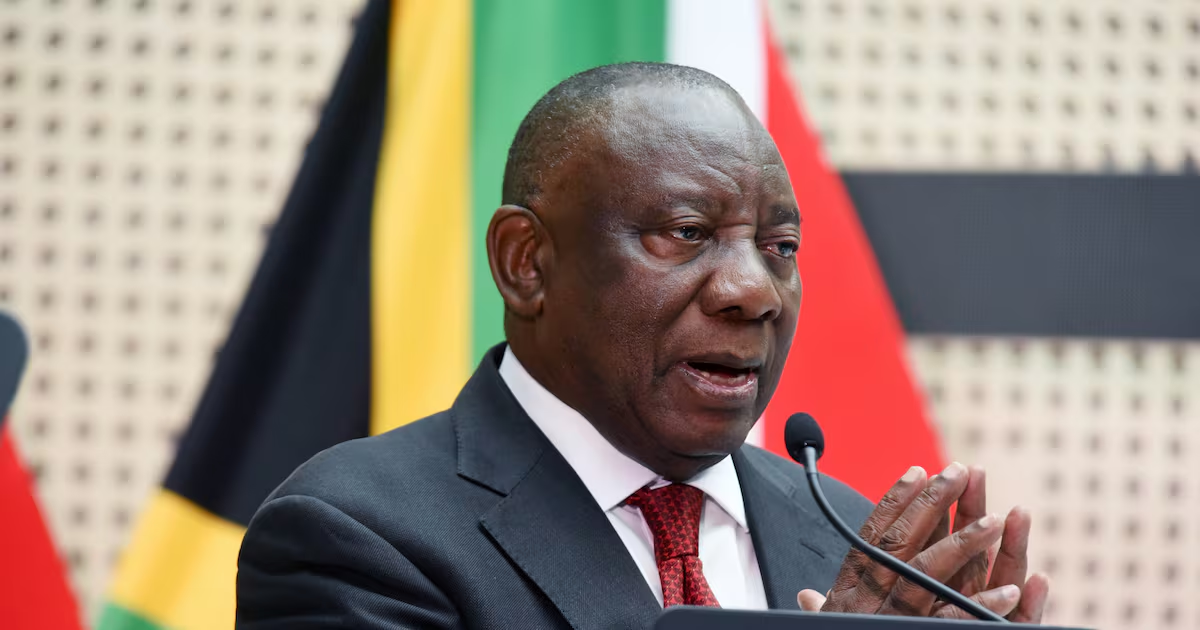
President Cyril Ramaphosa says the government will intensify deportations of undocumented foreigners, recruit more labour inspectors, strengthen border security and introduce employment quotas for foreigners as part of a comprehensive overhaul of South Africa’s immigration system.Responding to oral questions in the National Council of Provinces (NCOP) on Thursday, Ramaphosa outlined the government’s strategy to tackle illegal immigration, strengthen border control, enforce immigration laws and reduce administrative backlogs in the asylum system.NCOP member Kenneth Mmoiemang asked the president whether the government was implementing immediate measures to deal with illegal immigration, strengthen border control, improve policy enforcement and address severe capacity constraints in the asylum system. He also asked whether the government would enforce measures limiting the employment of undocumented foreigners and align the asylum system with the recent constitutional court ruling preventing rejected asylum seekers from submitting repeat applications while unlawfully remaining in the country.Ramaphosa said the cabinet adopted a comprehensive approach for migration management on June 3, which was subsequently endorsed by the president’s co-ordinating council and discussed with traditional leaders, religious organisations, organised labour, business and other stakeholders.“The government has identified illegal immigration as a significant challenge, which has implications for social cohesion, national security and the provision of services,” he said.He said the first phase of the government’s response was a crackdown on violations of immigration, labour and other laws.Law enforcement agencies were intensifying the identification and deportation of undocumented foreigners, supported by dedicated immigration courts.Inspections of employers would also increase, with the department of employment and labour recruiting 10,000 inspectors while penalties for employers contravening the Immigration Act would be strengthened.The second phase would focus on strengthening border security through greater investment in border infrastructure, technology and personnel.Ramaphosa said the government’s six busiest ports of entry would be redeveloped and refugee reception centres relocated to border posts.The third phase would strengthen the immigration system by rooting out corruption and deploying technology.The government was establishing an intelligent population register supported by biometric data to underpin a digital ID system while phasing out green barcoded ID books. The electronic travel authorisation system was also being expanded to all airports and major land ports.The fourth phase would close legislative and regulatory gaps. Ramaphosa said the cabinet had approved a revised white paper on citizenship, immigration and refugee protection to guide a unified legal framework.He said the national labour migration policy and the Employment Services Amendment Bill would introduce employment quotas for foreign nationals.The government was also addressing the asylum appeal backlog by appointing additional advocates to the refugee appeals authority while continuing to receive capacity support from the UN high commissioner for refugees.Ramaphosa said the final element of the government’s strategy was to work with countries across the region and continent through Sadc, the AU and bilateral partnerships to address the political instability, conflict and economic hardship driving migration.“We have made it clear that every person within our borders must be here lawfully,” he said.He stressed that enforcing immigration laws remained the responsibility of the state and warned that individuals could not stop people to demand documentation or proof of nationality. “There is no place for racism, sexism, xenophobia, Afrophobia or any other form of intolerance.”Ramaphosa said the government had also put security measures in place to deal with any attempts to destabilise the country.Responding to a supplementary question from Mmoiemang on the recruitment of the 10,000 labour inspectors, Ramaphosa said the appointments would be phased in over the next three years because of budget constraints.“We are finding pockets of finance that will enable us to bring as many as possible,” he said. The inspectors would undergo training before being deployed.Ramaphosa also revealed that about 10,000 Malawian nationals had voluntarily opted to return home and that government officials were processing their departures through reception centres in several provinces.DA NCOP member Frederik Badenhorst asked what contingency plans the government had put in place to prevent violence and unrest ahead of June 30, following calls by various organisations for undocumented foreigners to leave South Africa by that date.Ramaphosa said immigration reforms being implemented by home affairs minister Leon Schreiber built on work initiated during the sixth administration and were part of a collective government programme.He said the government was taking steps to ensure June 30 “becomes a normal day” and that security forces were prepared to respond to any attempts to destabilise the country. “Our security forces are at the ready to prevent anyone wanting to destabilise the country,” he said.FF+ NCOP member Hendrik van den Berg argued that employers increasingly preferred to hire foreigners because of labour market rigidities and asked whether the government would support labour market reforms.Ramaphosa rejected the argument, saying undocumented foreigners were often exploited, paid below the national minimum wage and subjected to poor working conditions. “It can never be said that labour in our country is expensive,” he said.He defended South Africa’s labour laws and collective bargaining system, saying any reforms should be considered by parliament.ANC NCOP member Pitso Noe asked what government was doing internationally to reduce migration into South Africa.Ramaphosa said the government was working through Sadc, the AU and the African Continental Free Trade Area to promote regional economic growth, industrialisation and job creation so that fewer people would be forced to leave their home countries in search of economic opportunities.“South Africa cannot address migration alone,” he said.Business Day