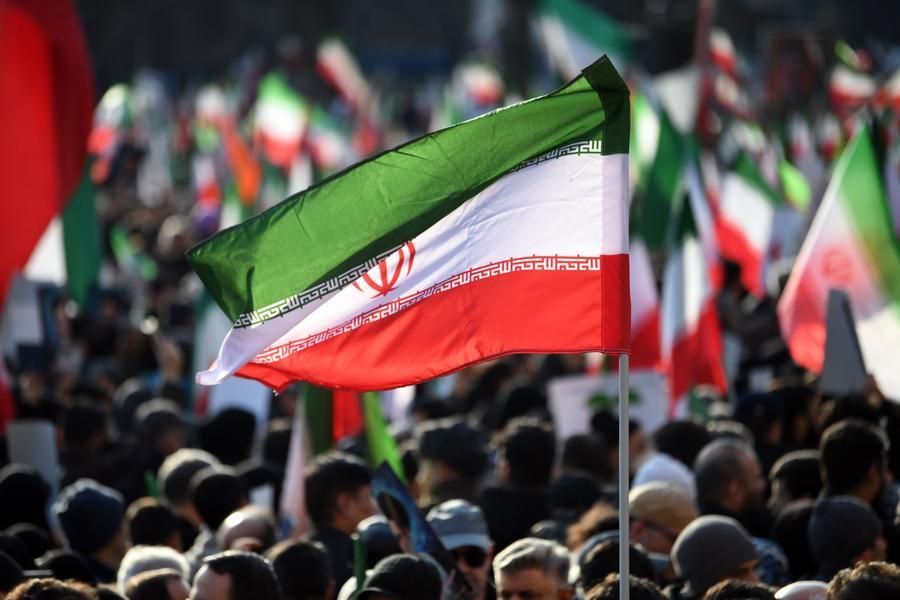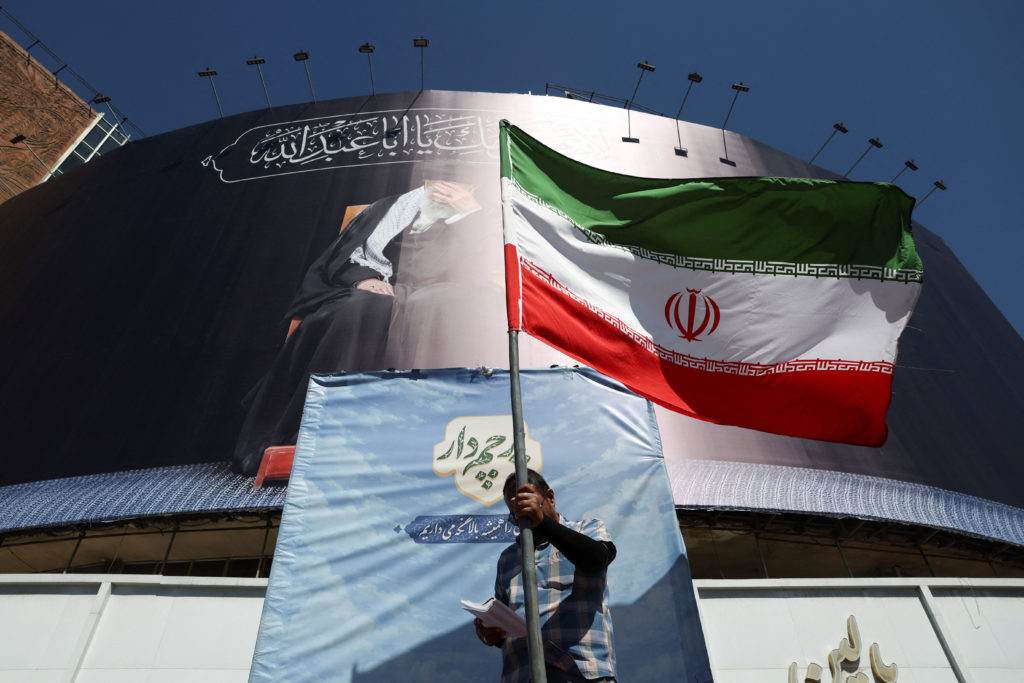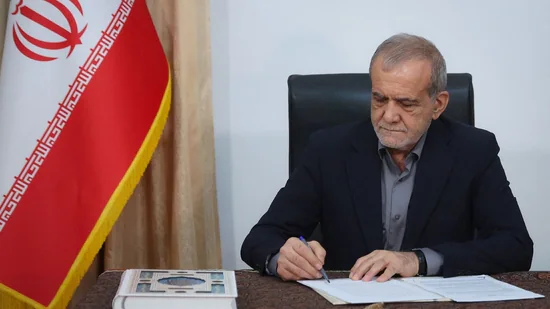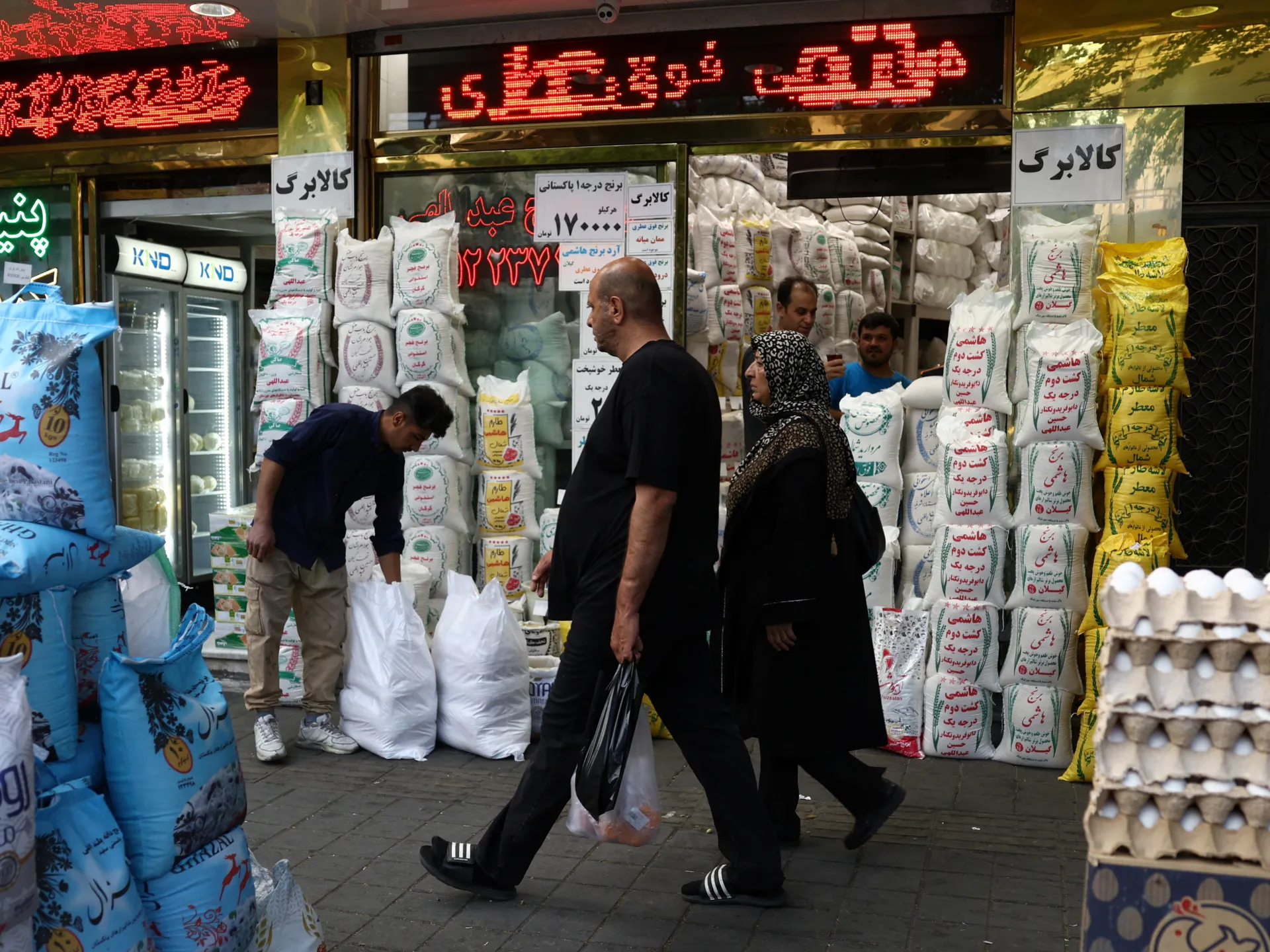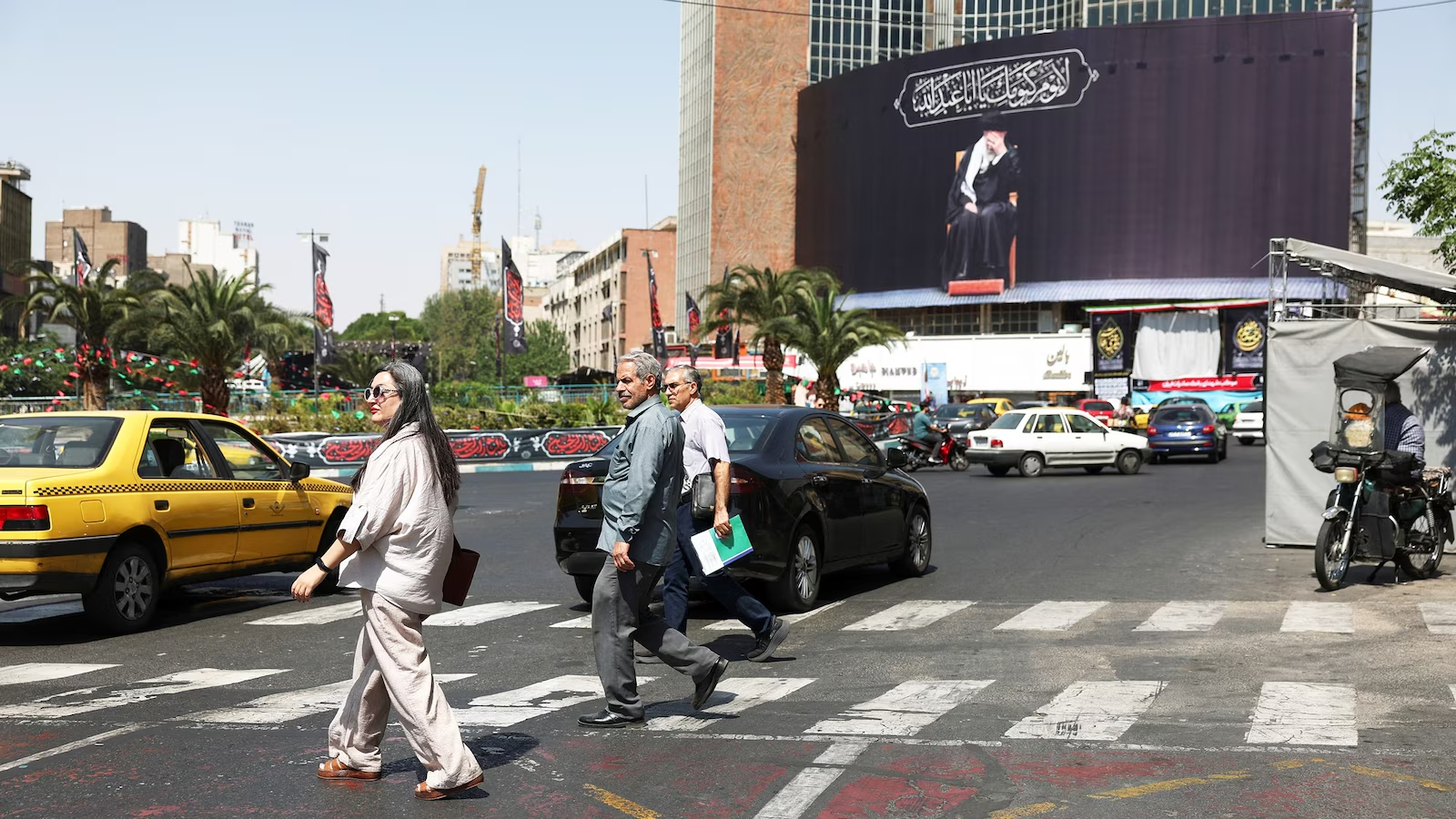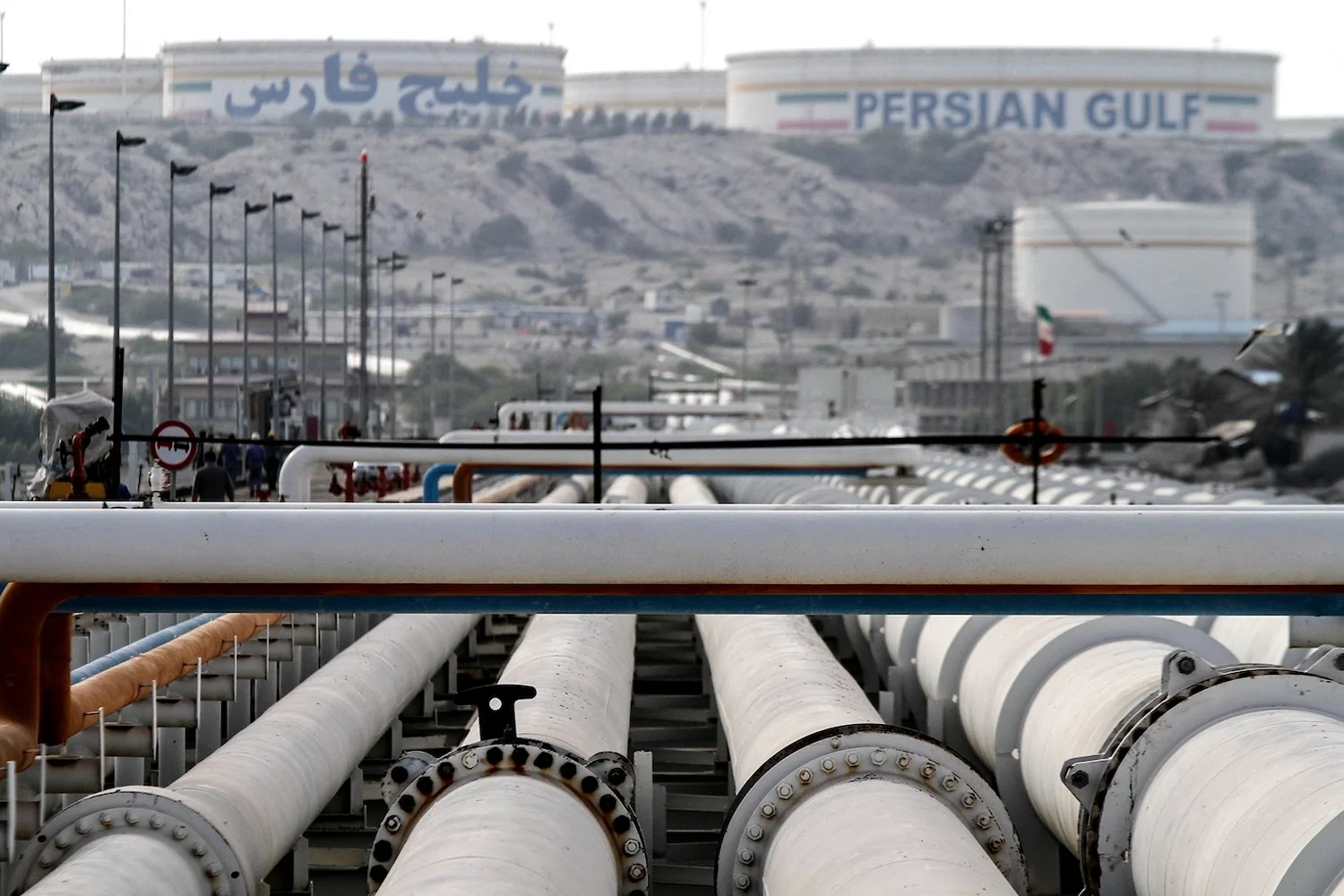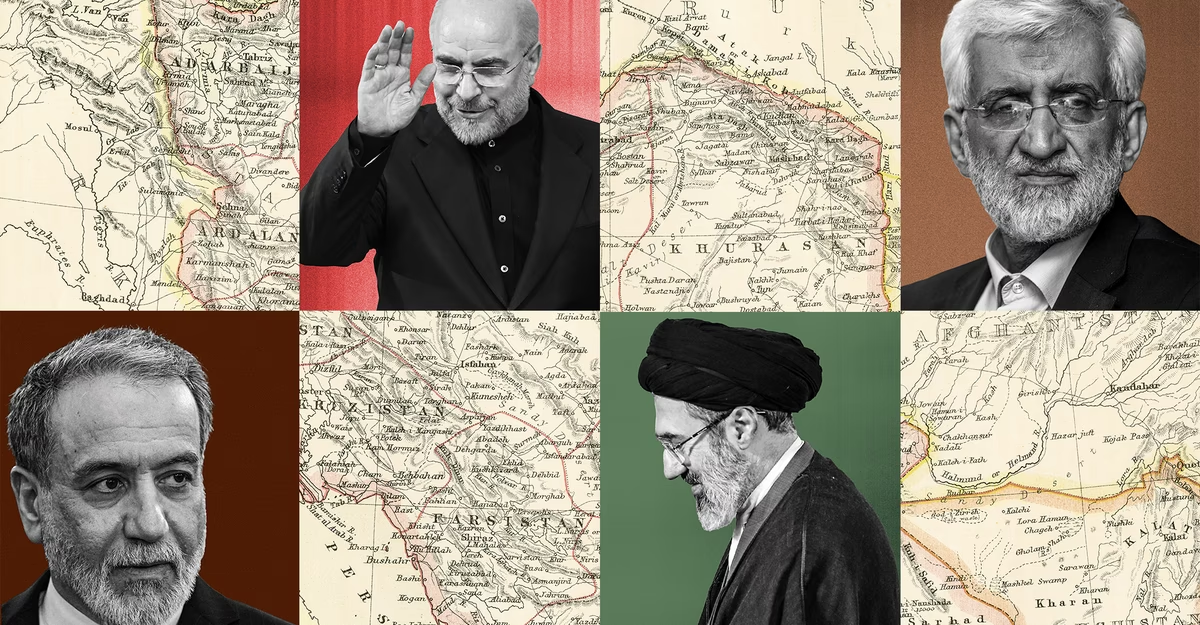
For some forces in Iran, no agreement is a good agreement with the United States.Illustration by The Atlantic. Sources: Meghdad Madadi / Getty; Dmitri Lovetsky / AFP / Getty; Andalou / Getty; Majid Saeedi / Getty.June 20, 2026, 7 AM ET The memorandum of understanding between the United States and Iran appears to have ended the war on terms favorable to the Islamic Republic. It releases frozen Iranian assets, relaxes restrictions on Iranian oil sales, and lifts the American blockade of the Strait of Hormuz—in exchange for Iran ending its closure of the waterway. In other words, Iran receives things it didn’t have before the war in exchange for giving up something it wasn’t doing before the war.But as good as these terms might look for Iran, they’ve still proved controversial within the Islamic Republic. In the days before the agreement, a loud coterie of hard-liners threw everything it had against the deal. A member of Parliament from Tehran said that signing the deal would make Iran “a colony of the United States.” Hard-line demonstrators wished “death” on the two men who led the talks with the U.S.: Mohammad Baqer Qalibaf, the speaker of Parliament, and Abbas Araghchi, Iran’s foreign minister (respectively tagged as “the compromiser” and “the dishonorable”).Hard-liners oppose the memorandum of understanding because they see any deal with the United States as normalizing contact with the Great Satan. They also fear an end to international sanctions: If Iran is no longer alone and under siege, what will become of its anti-Western ideology?Read: The war Trump can’t endYet the deal went ahead because it had the support of most of Iran’s military and political leaders. About a dozen men sit on the National Security Council, the body that effectively runs Iran these days. Of them, reportedly only one opposed the deal, and this was likely Saeed Jalili, the former nuclear negotiator and unofficial leader of the ultra-hard-line faction. The Islamic Revolutionary Guard Corps appears to have put its institutional weight behind agreement. Esmail Qaani, the head of IRGC’s external-operations wing, known as the Quds Force, went on state television to back it: “The negotiating team are no different than our boys working at the missile launchers,” he said.The memorandum is seen as a victory for Qalibaf, Araghchi, and the man who actually signed it for Iran, the reformist President Masud Pezeshkian. The pro-diplomacy coalition includes reformist forces, such as the Unity of the Nation Party, which asked for the deal to be followed by “restorative justice” for the regime’s killing of protesters in January and an expansion of rights and freedoms. Two pro-reform former presidents, Mohammad Khatami and Hassan Rouhani, have also backed the deal.But the Iranian regime has a long history of tug-of-war between two broad camps: the developmentalists, who are ready to move on from the Islamic Republic’s founding ideology in the name of economic progress, and the ideologues, who remain committed to anti-Americanism and the quest to destroy Israel. The struggle goes back to the 1990s, and the developmentalists have lost most rounds, not least because Ali Khamenei, Iran’s supreme leader for 37 years, sided with the ideologues. Khamenei sometimes green-lighted diplomacy with the West to gain economic relief, but he firmly opposed normalizing ties with the U.S. or holding high-level talks with Americans.Read: How Iran killed its economyHis son and successor, Mojtaba Khamenei, is rhetorically committed to the same unforgiving worldview as his father was. In a message endorsing the deal, he said that he was “fundamentally of another opinion” but had been swayed by Pezeshkian’s guarantees. By signaling that the deal was not his preference, the leader empowered hard-liners to oppose it. But in this message, Mojtaba also approved face-to-face meetings with Americans, in a sharp departure from his father.These dynamics among regime insiders matter because the tougher diplomatic task still lies ahead. The memorandum of understanding gives the U.S. and Iran 60 days to hash out a nuclear deal. This is the broader diplomatic arrangement that could lead to sanctions relief and be an economic game changer for Iran. (The memorandum of understanding has already proved beneficial in this regard: A U.S. dollar now sells for 1.56 million Iranian rials, down from 1.75 million last week.)But we’ve been here several times before. In the 1990s, President Ali Akbar Hashemi Rafsanjani, the grandfather of the developmentalists, sought to rebuild ties with the West and found himself stymied by Khamenei on one side and inconsistent partners in the U.S. on the other. Two decades later, when Rouhani was president, Iran painstakingly negotiated a nuclear deal with the Obama administration—only for the first Trump administration to sink it in 2018.Iran’s current leaders are navigating the same duality within the regime and will surely face similar headwinds from without. And to some extent, they are still cautiously straddling the regime’s internal divide. Qalibaf presents himself as a statesman on the world stage, but last week also emptily pledged to “liberate Jerusalem.” But if he and the rest of Iran’s new leaders are really to change their country’s lot, they will have to change this mindset, prevail over the hard-liners, and make a clear choice: Do they want to perennially fight America and Israel, or to develop Iran’s economy and move on?Soon Iranians will bury Ali Khamenei in a public funeral. They must also bury his revolutionary intransigence. Otherwise, they could well wind up squandering even this enviable deal with the United States.
Iran Got a Great Deal That It Could Still Squander
For some forces in Iran, no agreement is a good agreement with the United States.
TL;DRAI
Iran secured U.S. accord unfreezing assets, easing oil bans, and lifting the Hormuz blockade. Tech supply-chain risk: normalized Iran trade could reshape Middle East sourcing, but hard-liners' habit of collapsing diplomacy threatens this deal too.
905 words~4 min read