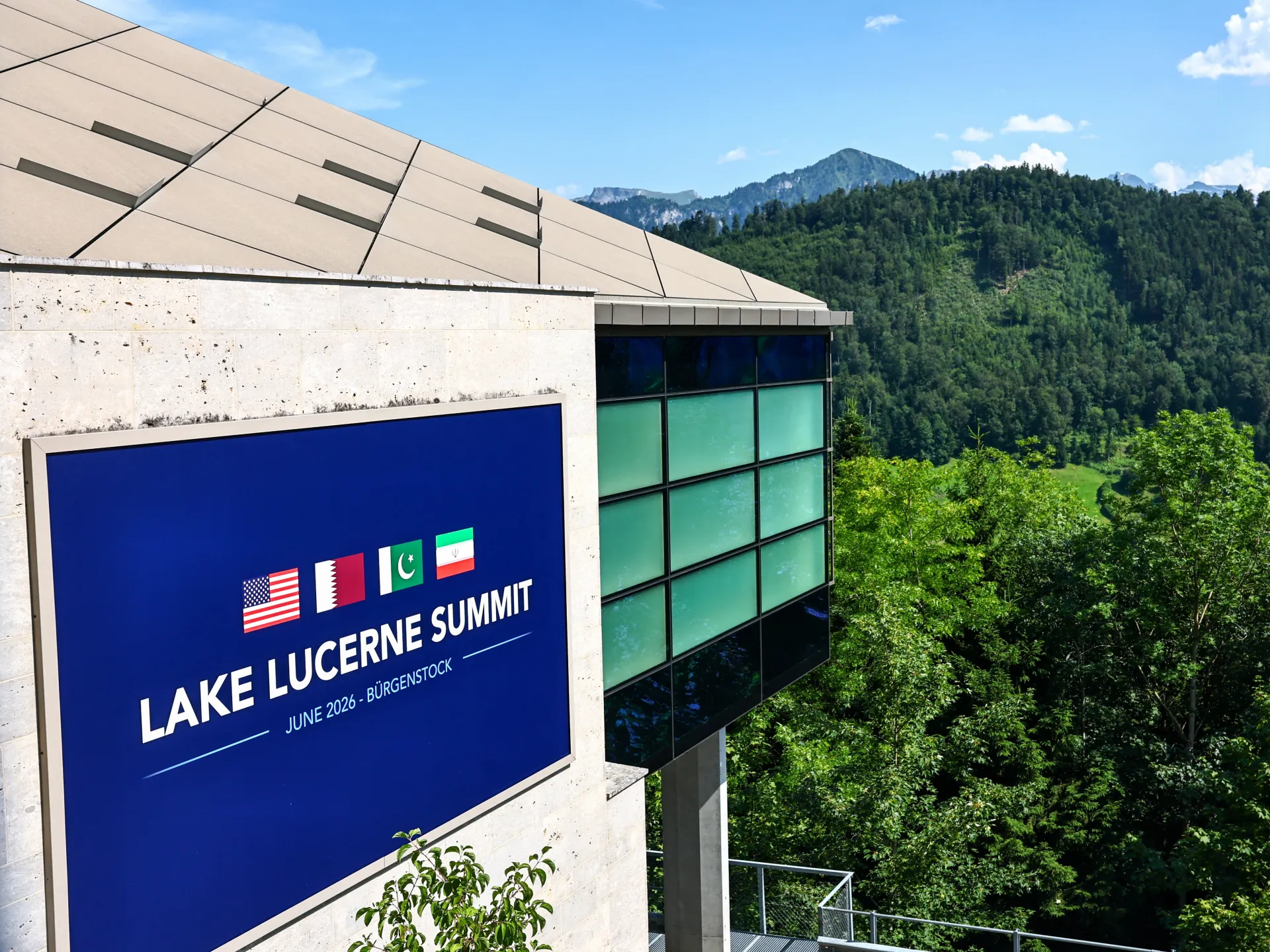
The memorandum of understanding with Iran was intended to lay out a precise framework that would lead to a final peace agreement that secured American interests and created long-term regional stability. However, U.S. negotiators in Qatar may find that their Iranian counterparts are discussing a very different document.The U.S. posture is that the ceasefire with Iran opens the Strait of Hormuz, dismantles Iran’s nuclear ambitions, and forces Tehran to curb its regional aggression. Iran was trying to rewrite the agreement almost before the ink was dry.Just days after the MOU was announced on June 18, Tehran began offering an interpretation that would let it keep its nuclear leverage, preserve Hezbollah, collect billions of dollars, and blame Washington for sporadic ceasefire violations.
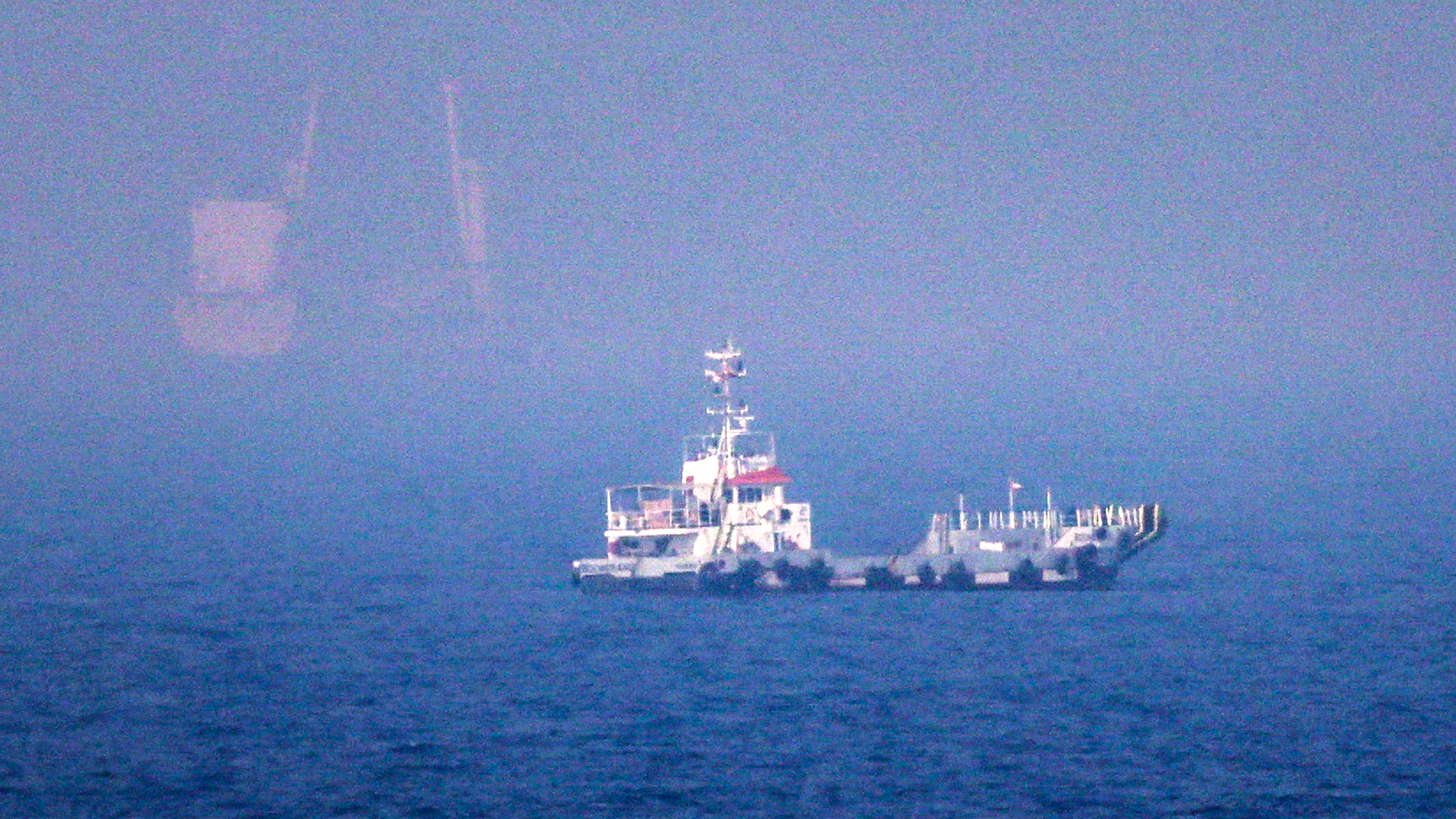
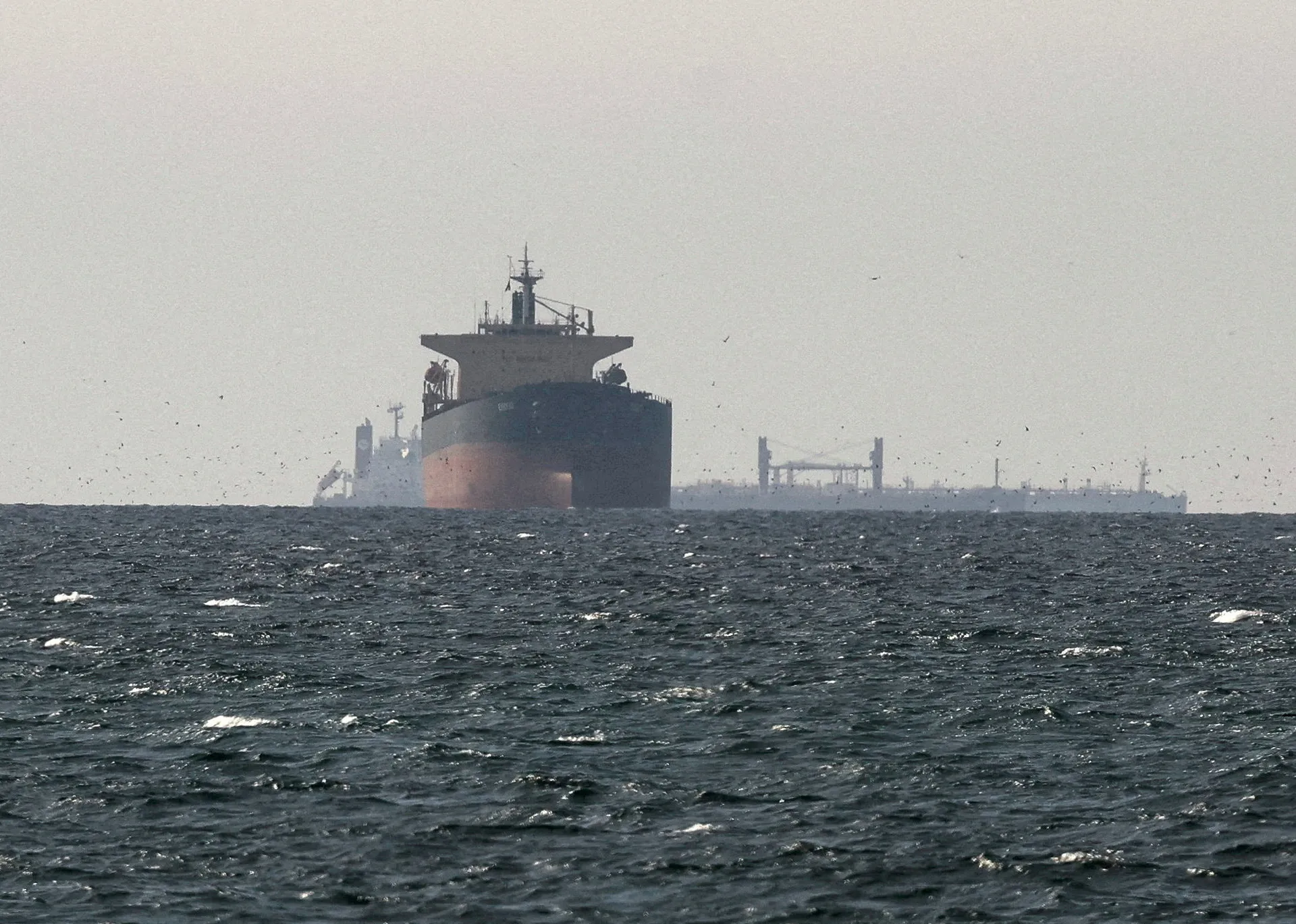
TRUMP’S UNFINISHED IRAN WAR: THE DANGER OF STOPPING WITHOUT A REAL ENDGAMETake the Strait of Hormuz. The United States believes the ceasefire restored freedom of navigation through one of the world’s most important shipping lanes. However, Iran claims Paragraph 5 of the MOU effectively recognizes its sovereignty over the strait and empowers the Islamic Revolutionary Guard Corps to stop any vessel that violates its “safety regulations.” Tehran claims there can be no other interpretation, and it has a free hand to govern traffic through the waterway. This includes opening fire on neutral ships.Lebanon is another flashpoint. Just days ago, Washington helped broker a breakthrough agreement between Israel and Lebanon, creating a ceasefire, strengthening the Lebanese Armed Forces in the south, and opening the door to eventual normalization.Iran rejects that entire framework as illegitimate. It insists that Paragraph 1 of the MOU makes Tehran, through its proxy Hezbollah, the guarantor of Lebanese sovereignty. Instead of supporting the trilateral peace deal, Hezbollah is threatening civil war while Iran bankrolls a campaign to rebuild the battered terrorist organization.The disputes only grow larger from there. The U.S. believes Iran will ultimately surrender its stockpile of highly enriched uranium, the so-called “nuclear dust,” as part of a final settlement. Tehran argues that Paragraph 7 requires no such thing until every sanction against them is lifted first, effectively turning President Donald Trump’s demand into another bargaining chip. No sanctions relief, no dust.Washington also believes Iran accepted intrusive nuclear inspections and that negotiations will ultimately address Tehran’s missile program and its sponsorship of terrorist proxies. Iran says neither is true. Its negotiators insist the inspections issue remains unresolved and that the most they might accept resembles the far weaker Obama-era JCPOA framework. As for missiles and proxy forces, Tehran argues MOU Paragraph 13 keeps those subjects off the negotiating table altogether.But when money is involved, Iran suddenly discovers remarkable clarity.According to Tehran, the oil export waivers, the release of frozen assets, and the proposed $300 billion reconstruction fund are all guaranteed and front-loaded under the agreement. Yet when it comes to dismantling its nuclear program, Paragraph 8 merely commits Iran to “discuss” uranium enrichment in search of a “satisfactory framework,” diplomatic language elastic enough to drive a missile launcher through.WHY TRUMP’S IRAN DEAL IS STILL A WIN, DESPITE SETBACKSThese creative word games may baffle U.S. negotiators, but Trump’s guidance has been clear. The president has repeatedly defined America’s bottom line: Hormuz stays open. The enriched uranium leaves Iran. Tehran cannot retain a nuclear weapons program. Support for terrorist proxies must end. And Iran’s missile and drone programs must be constrained.The ceasefire was never intended to become an endless seminar in contract interpretation. And whatever Iran’s tortured reading of the MOU is, the ceasefire is a limited-time offer that expires in seven weeks. If Tehran continues testing American patience and Trump’s resolve, the mullahs may discover that the expiration date arrives much sooner than the MOU says.James S. Robbins is senior vice president for research and business development at the Institute of World Politics and a former special assistant in the Office of the Secretary of Defense.