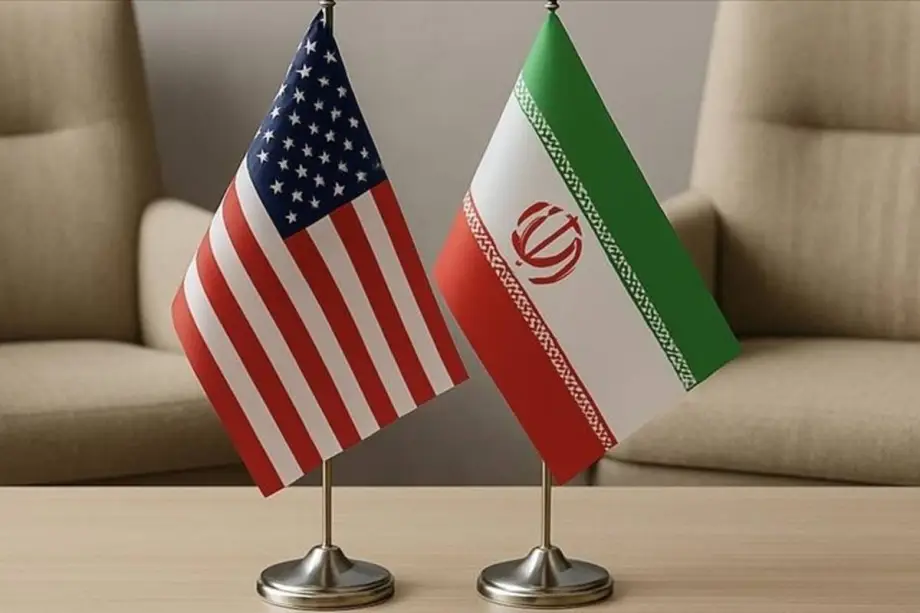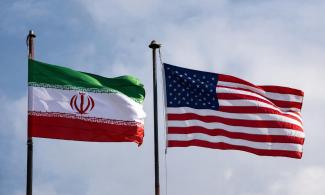
U.S. and Iranian negotiators on Thursday agreed on a broad but still unfinalized framework to extend their fragile cease-fire by 60 days and reopen the Strait of Hormuz to commercial shipping, a potential breakthrough that remains stalled at the highest political levels in Washington and Tehran and is already being tested by renewed military exchanges.
The emerging understanding, described by multiple sources familiar with the talks, is designed to prevent a return to full-scale conflict while locking both sides into a structured negotiating period focused on the war’s most sensitive issues, including Iran’s nuclear program, sanctions relief and maritime security guarantees.
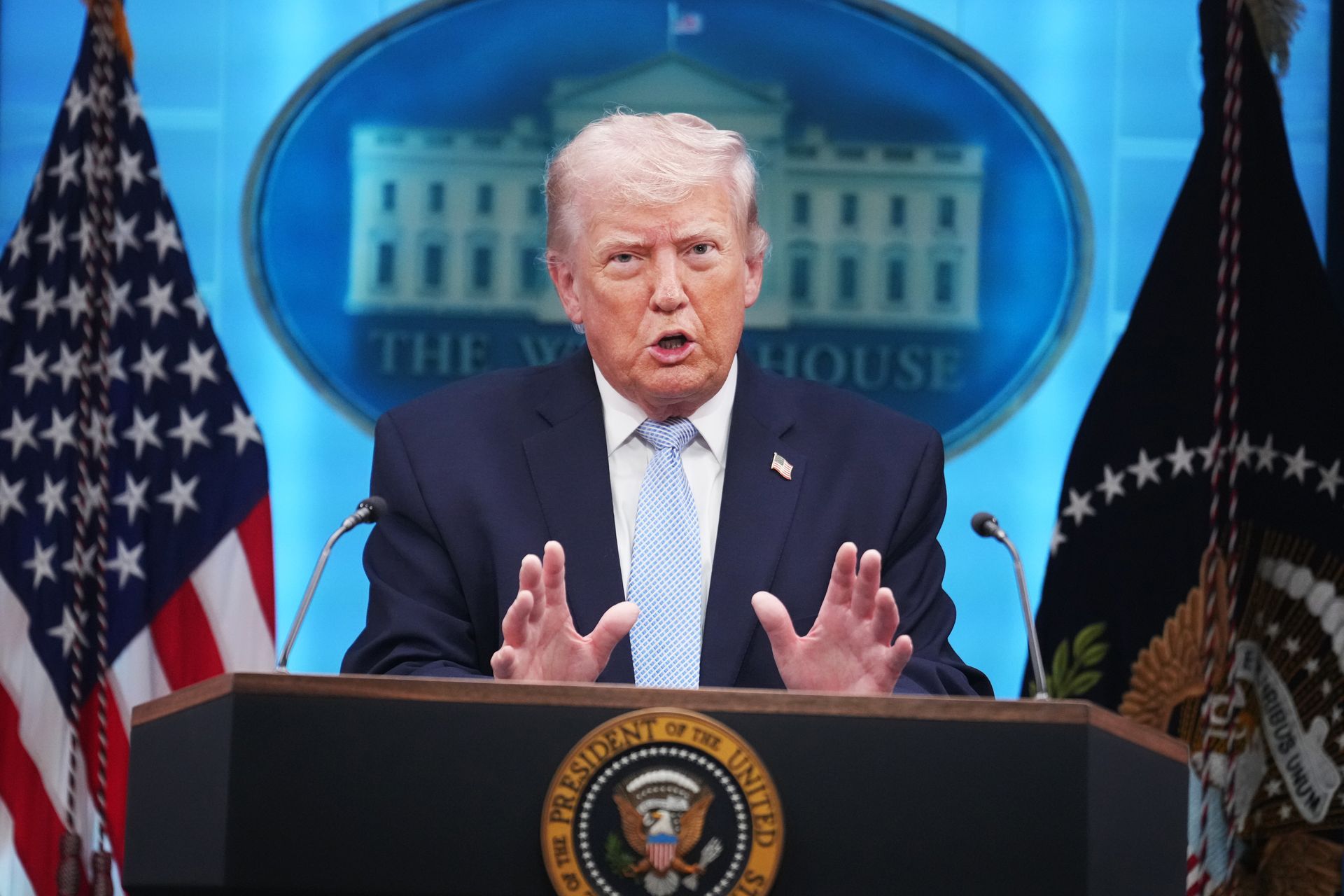
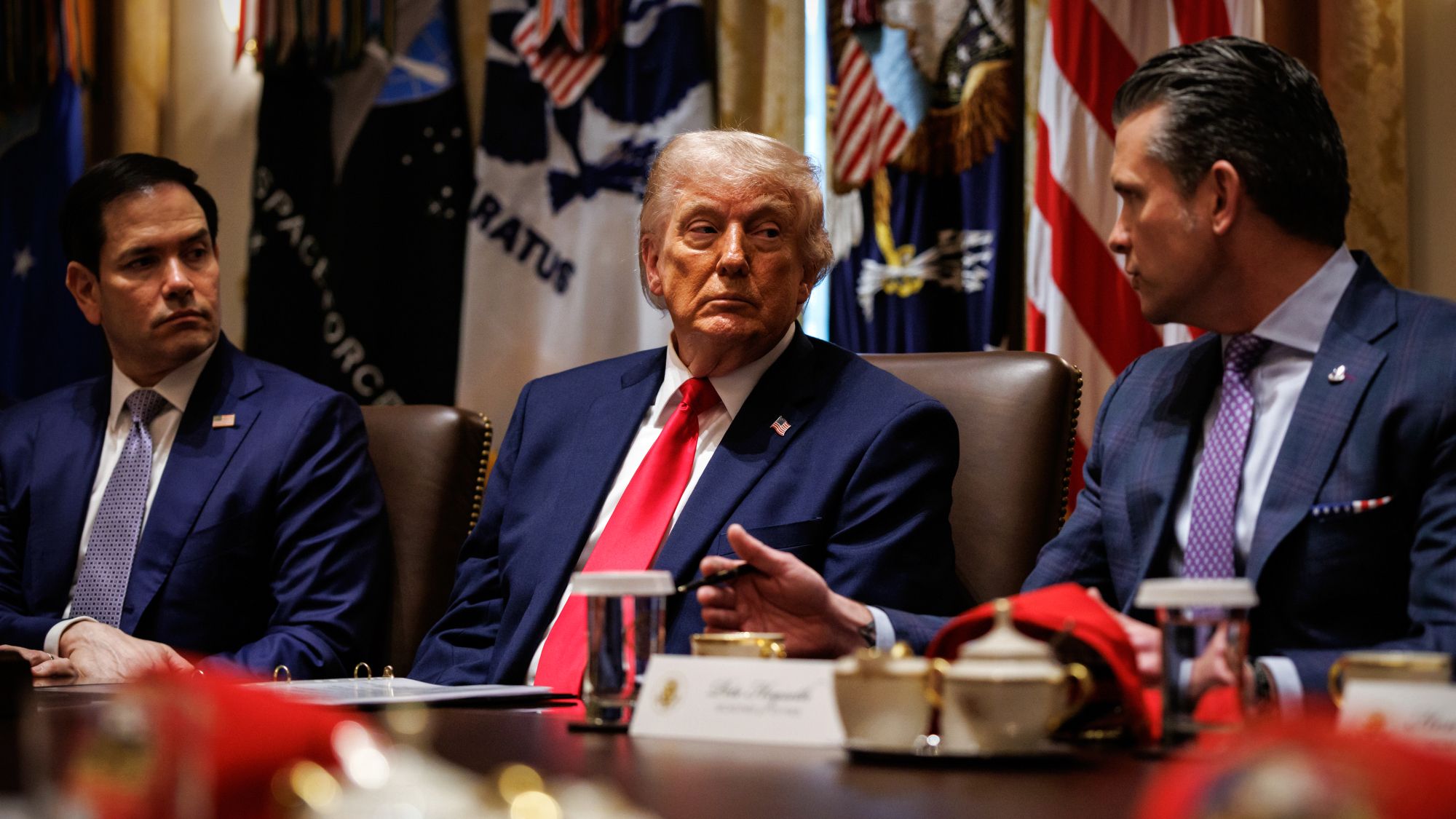
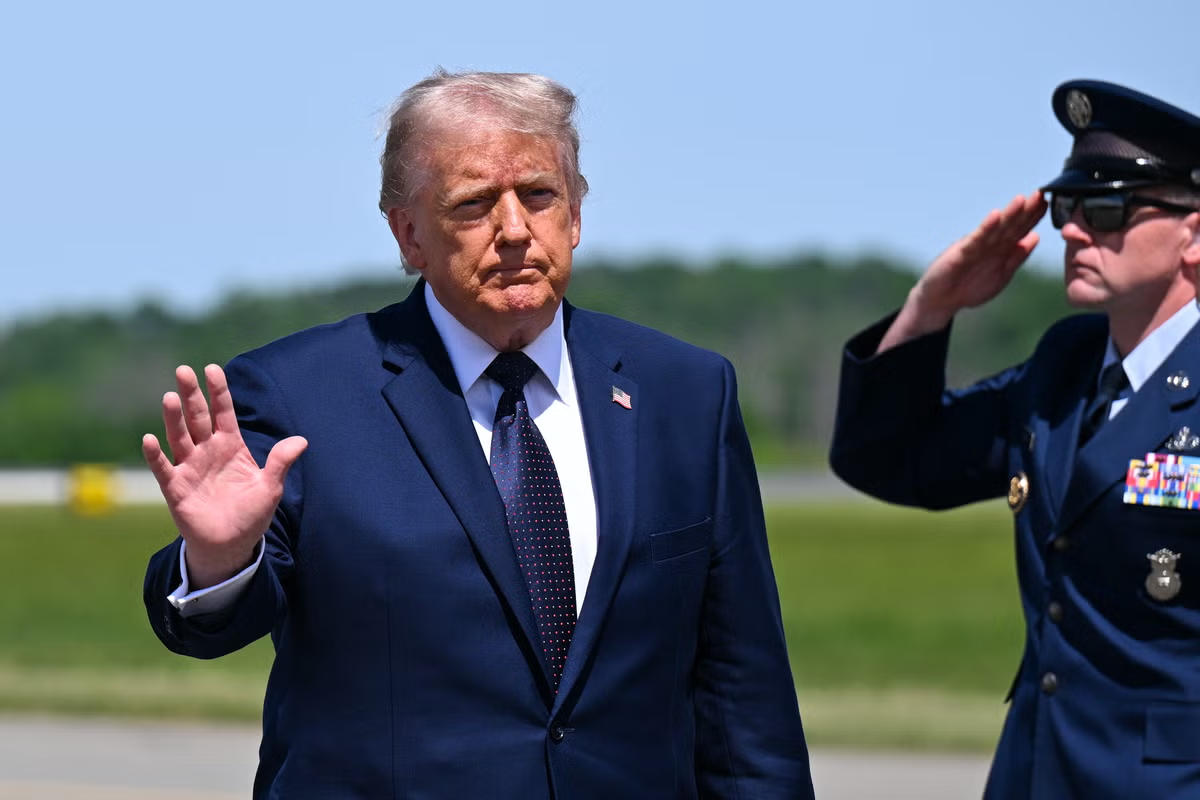
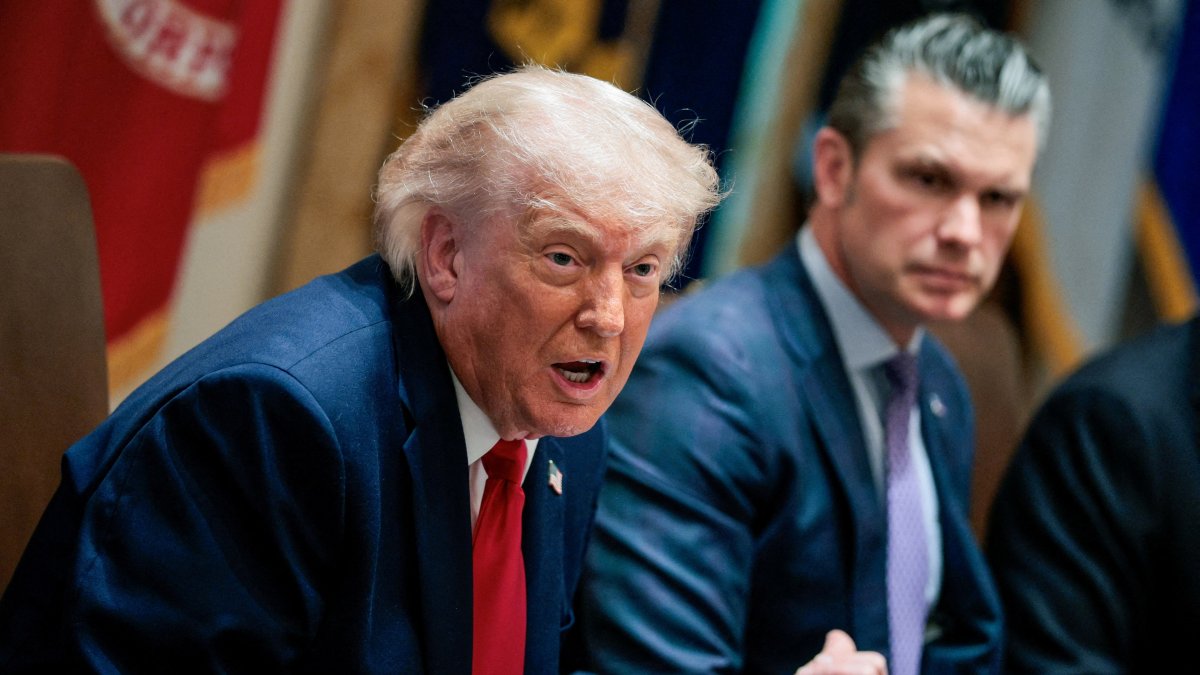
If approved by President Donald Trump and Iran’s leadership, it would mark the most substantial de-escalation effort since fighting began on Feb. 28.
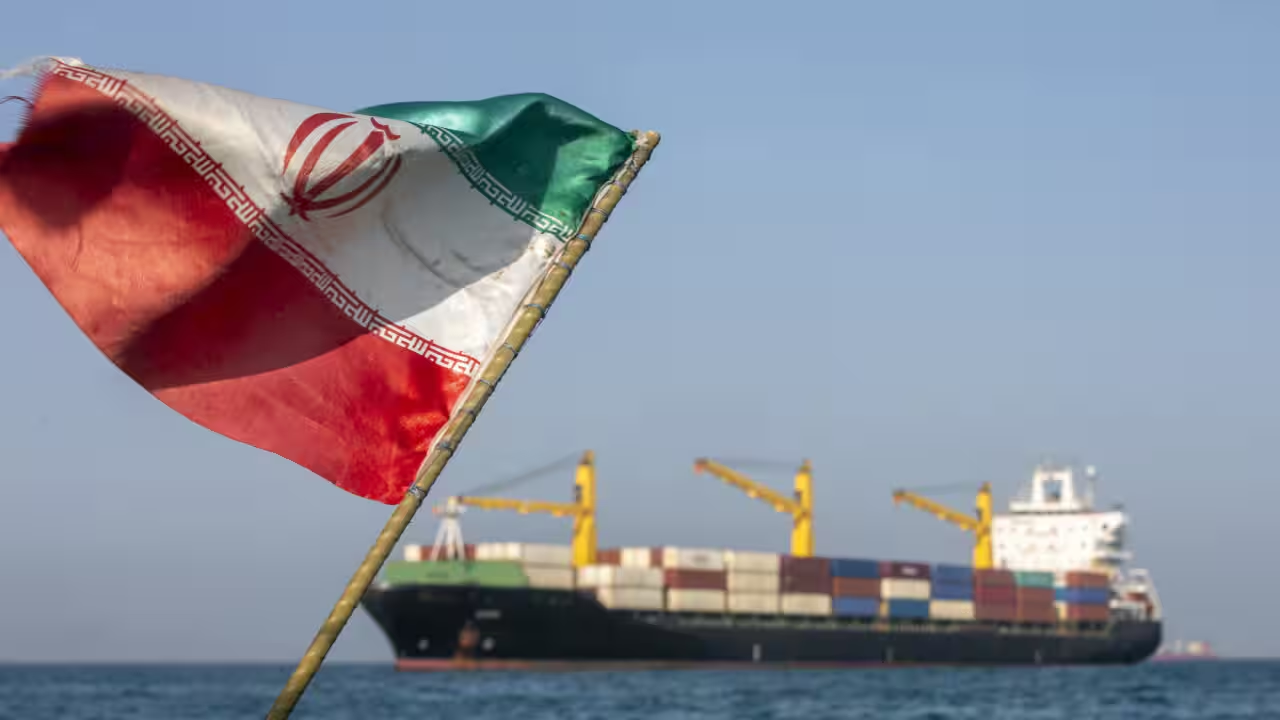
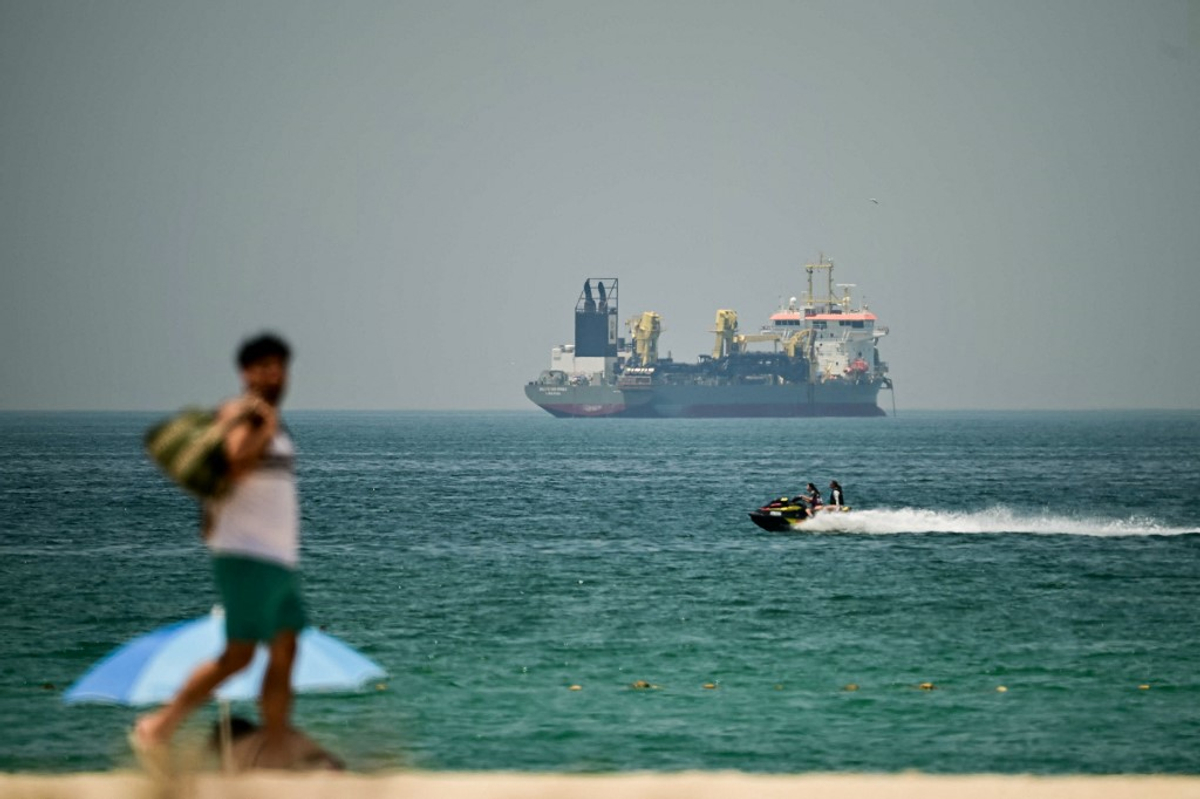
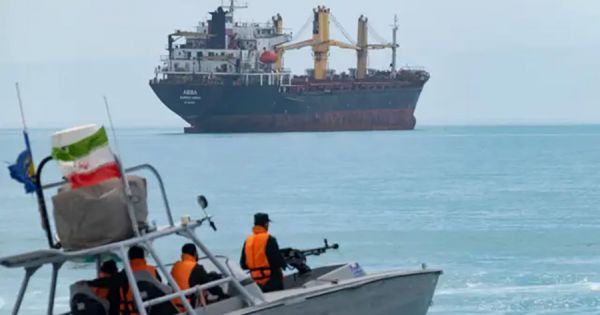
At its center is the reopening of the Strait of Hormuz, a narrow passage that under normal conditions carries roughly a fifth of global oil and liquefied natural gas flows.
The draft framework would restore freedom of navigation, prohibit any Iranian attempt to impose transit tolls, and require the removal of mines laid in the waterway within 30 days.