Saturday, May 30th 2026 - 07:31 UTC
The most significant divergences concern the practical aspects of the eventual deal
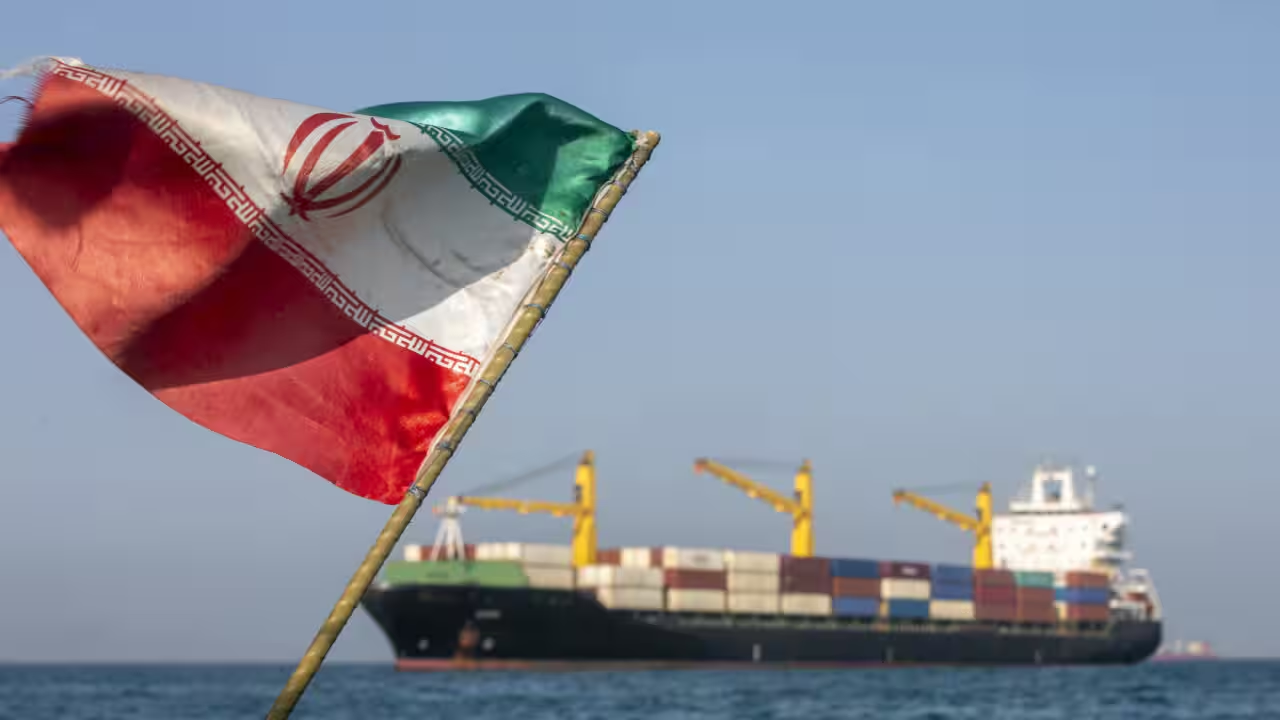
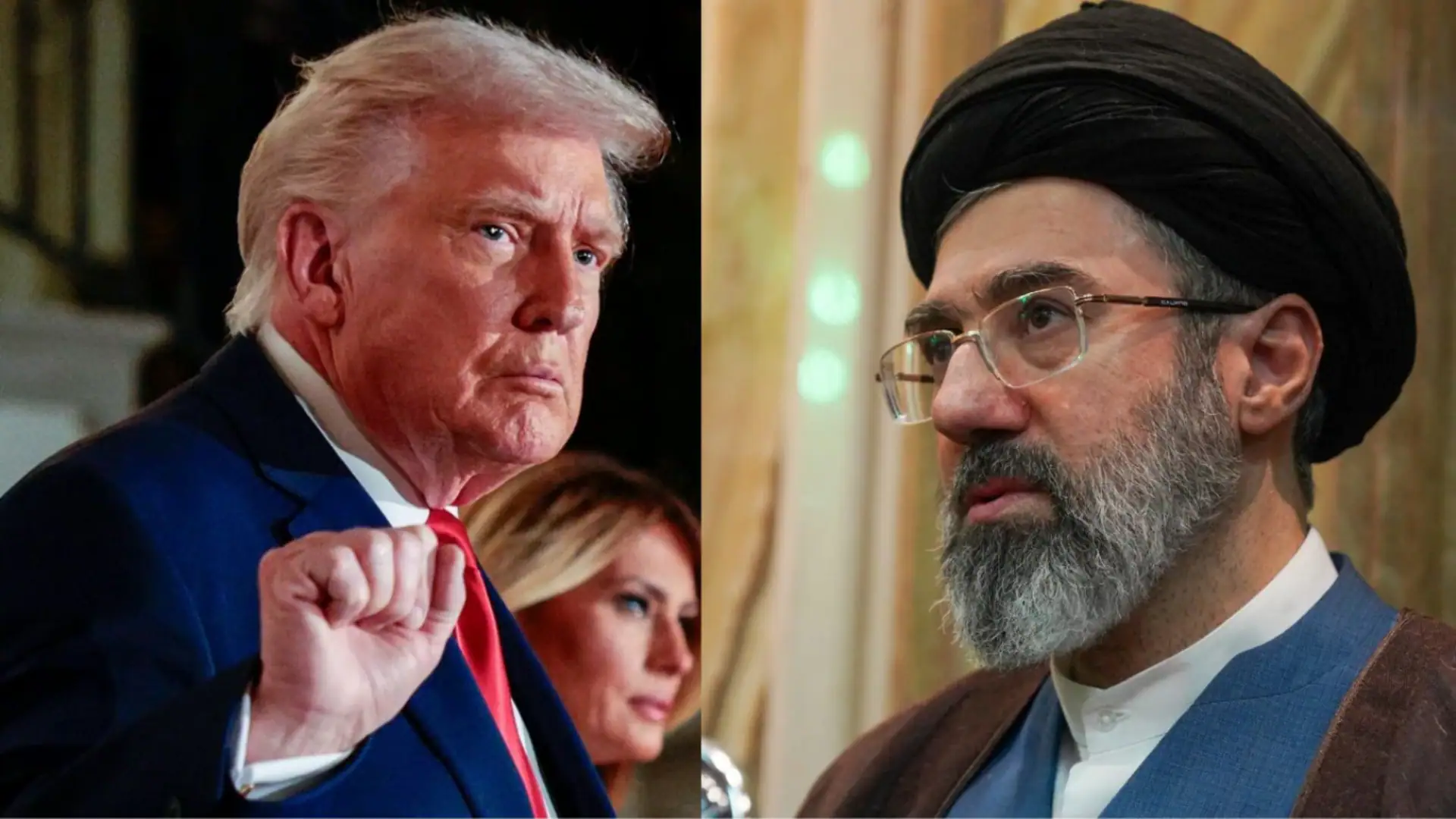
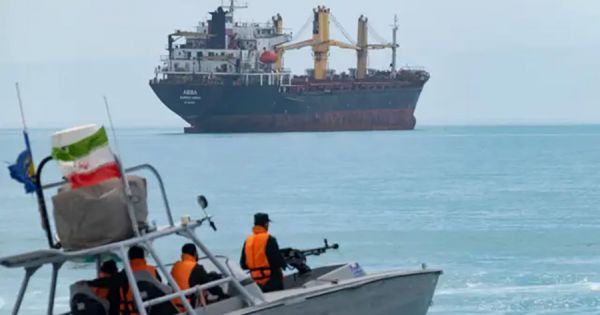
The administrations of US President Donald Trump and the Iranian government confirmed on Friday the existence of a preliminary agreement aimed at extending the current ceasefire by sixty days and opening formal talks on Iran's nuclear program, in what amounts to the most significant diplomatic advance since the start of the war three months ago. However, the versions disseminated by Washington and Tehran on the content of the understanding differ substantially on the central points: the reopening of the Strait of Hormuz, the fate of the highly enriched uranium under Iranian control, and the possible payment of frozen funds to the Islamic Republic.
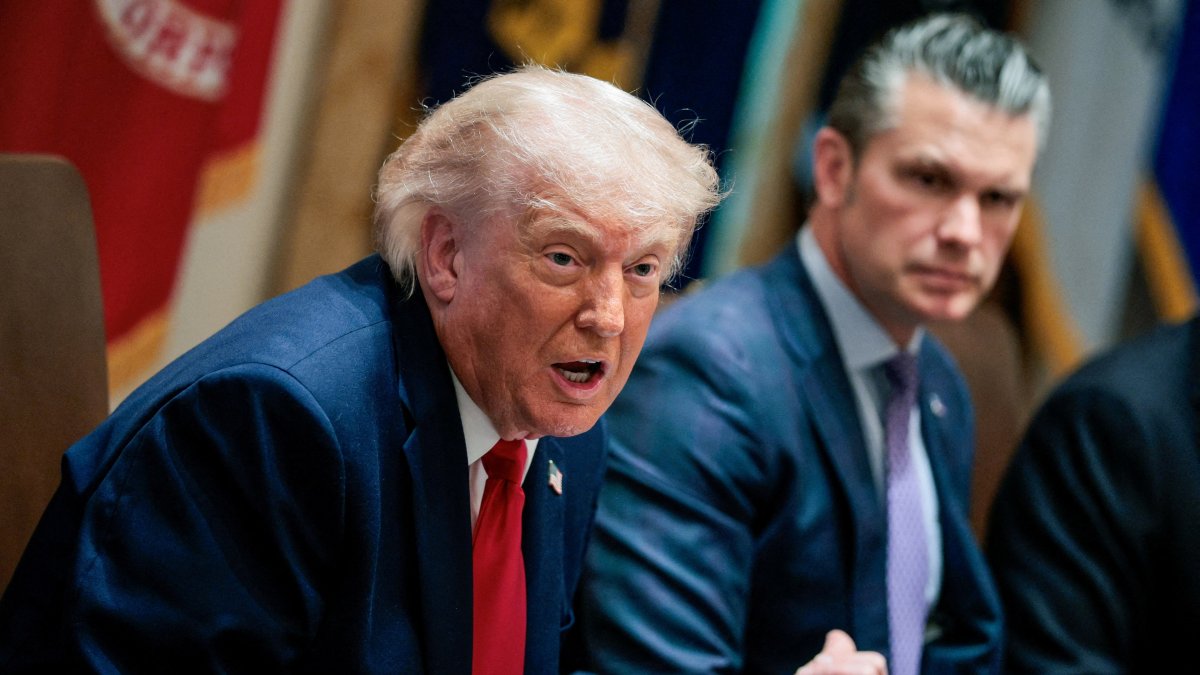
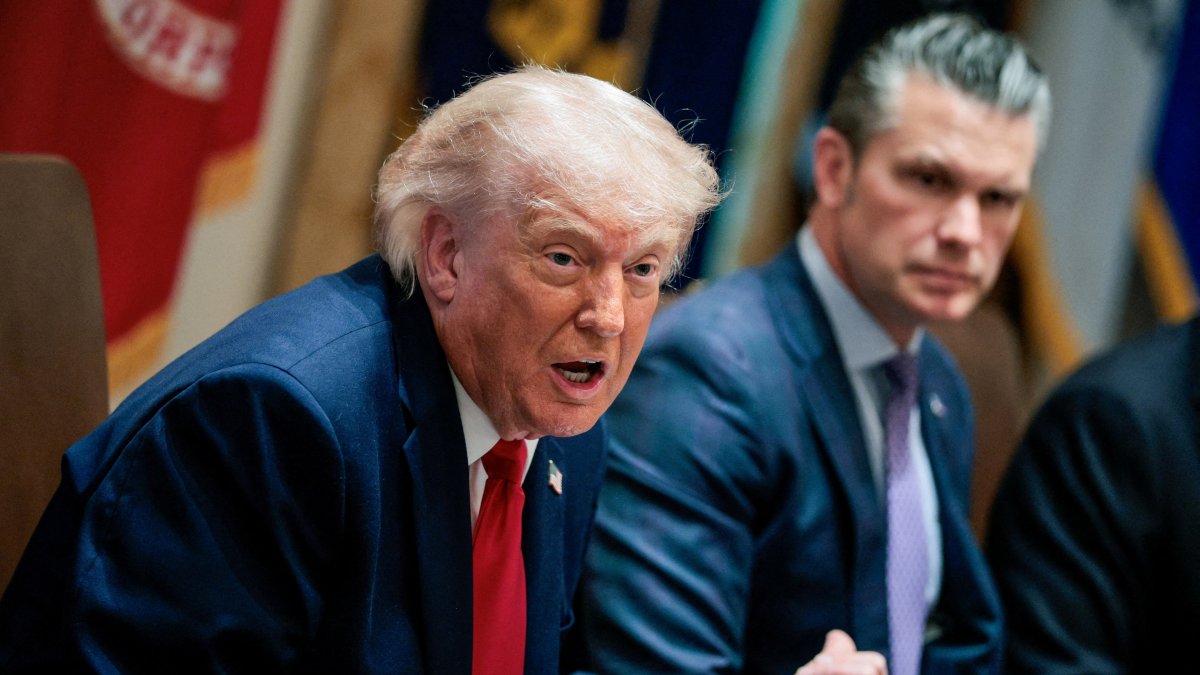
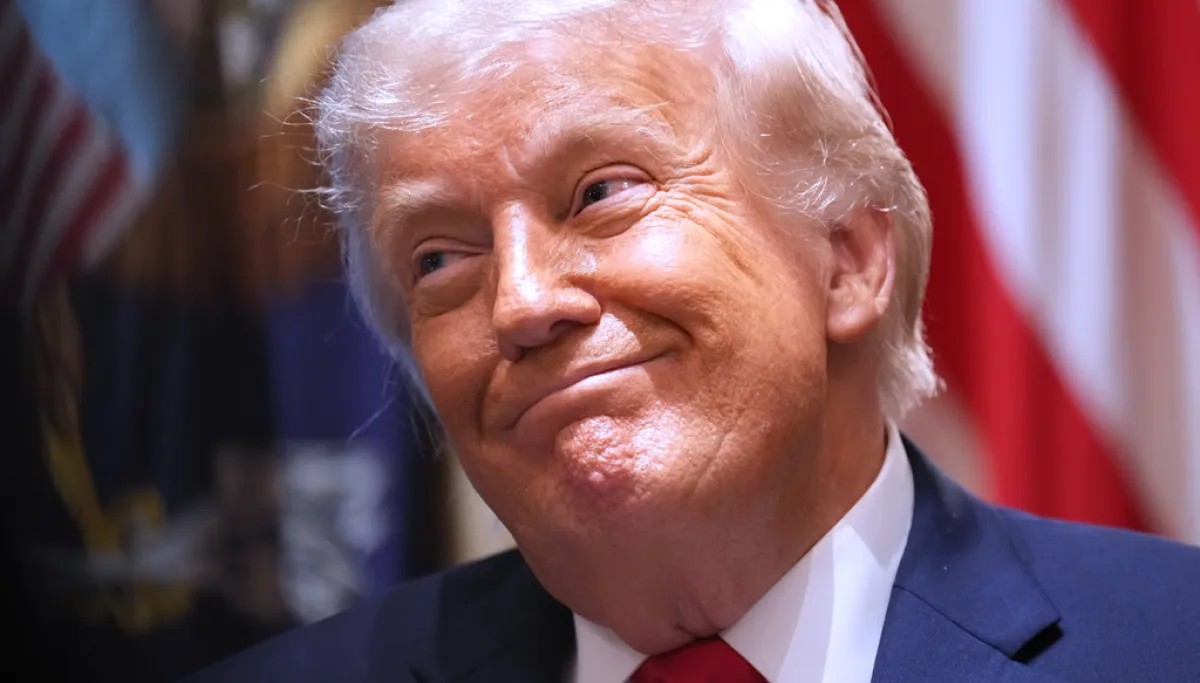
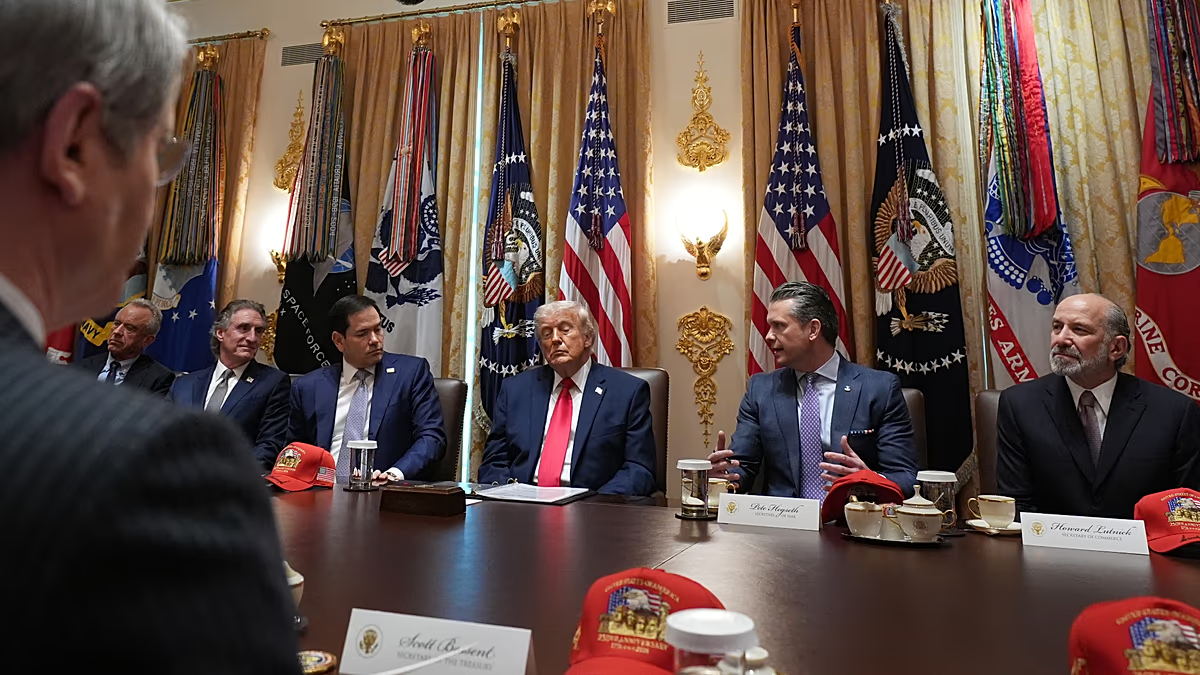
Trump announced on his Truth Social network that he would take “a definitive decision” after a meeting with his team in the White House Situation Room, although the presidency later limited its communication to confirming the end of the meeting without further pronouncement. For its part, the semi-official Iranian agency Fars confirmed the preliminary agreement but emphasized that it still requires ratification by the authorities in Tehran. Iranian Foreign Ministry spokesman Esmail Baghaí maintained that the US naval blockade was “an illegal measure” from its inception and warned that “it remains to be seen in practice whether they will truly fulfill what they say.” Fars characterized the US version as a mixture of “truths and falsehoods” oriented toward presenting a “fictitious victory.”