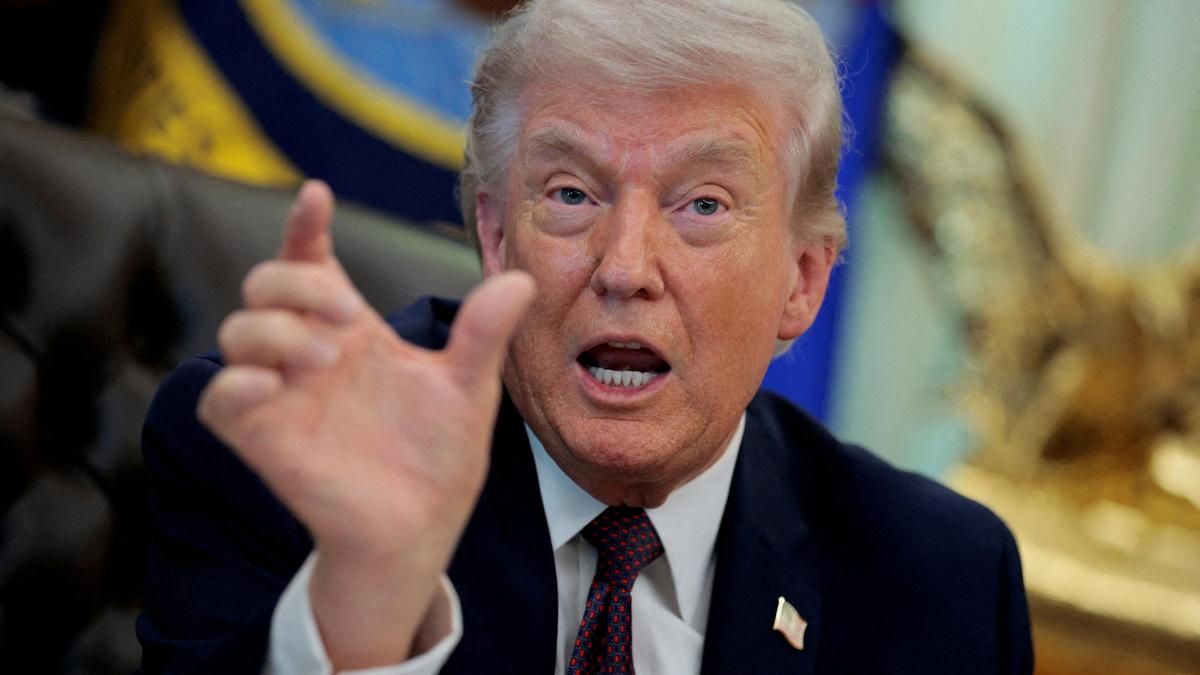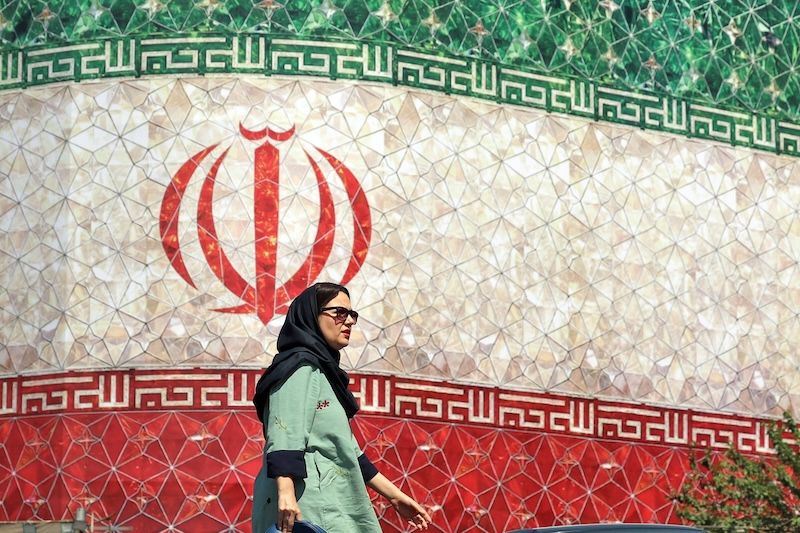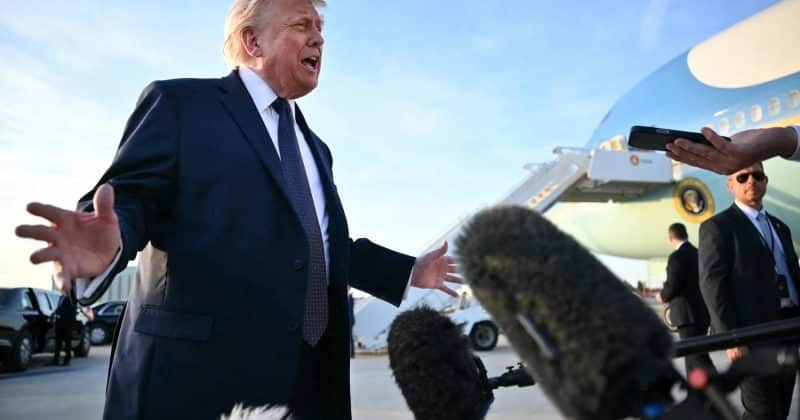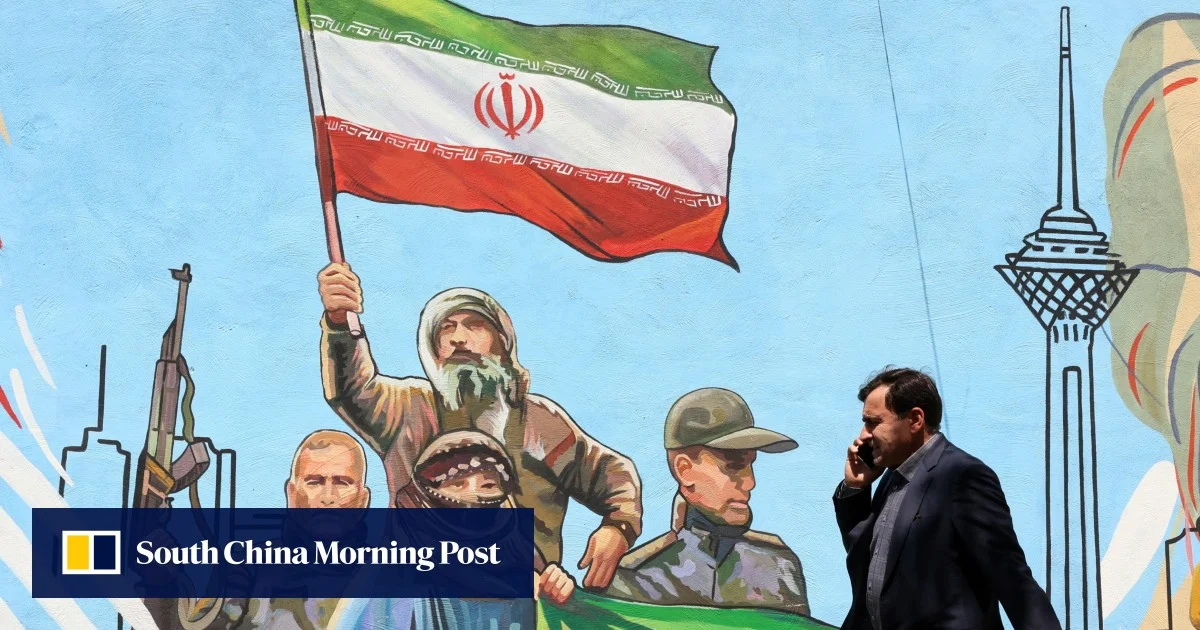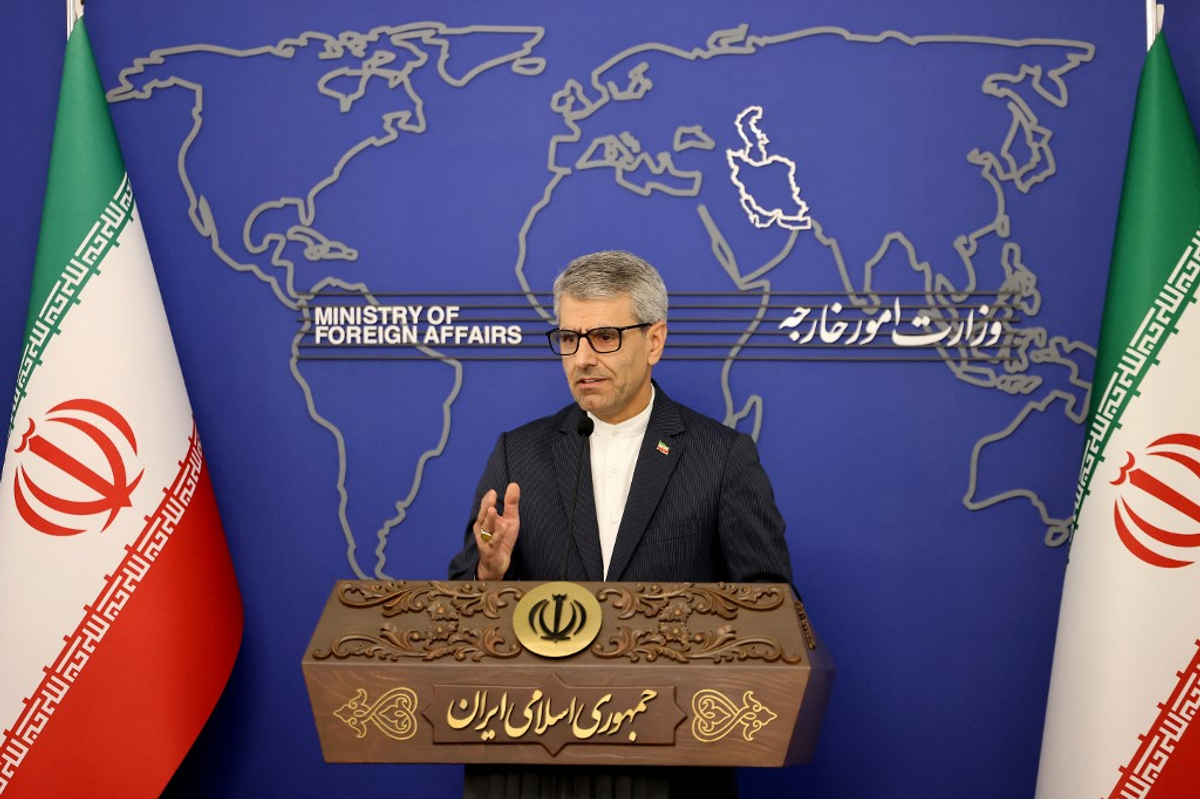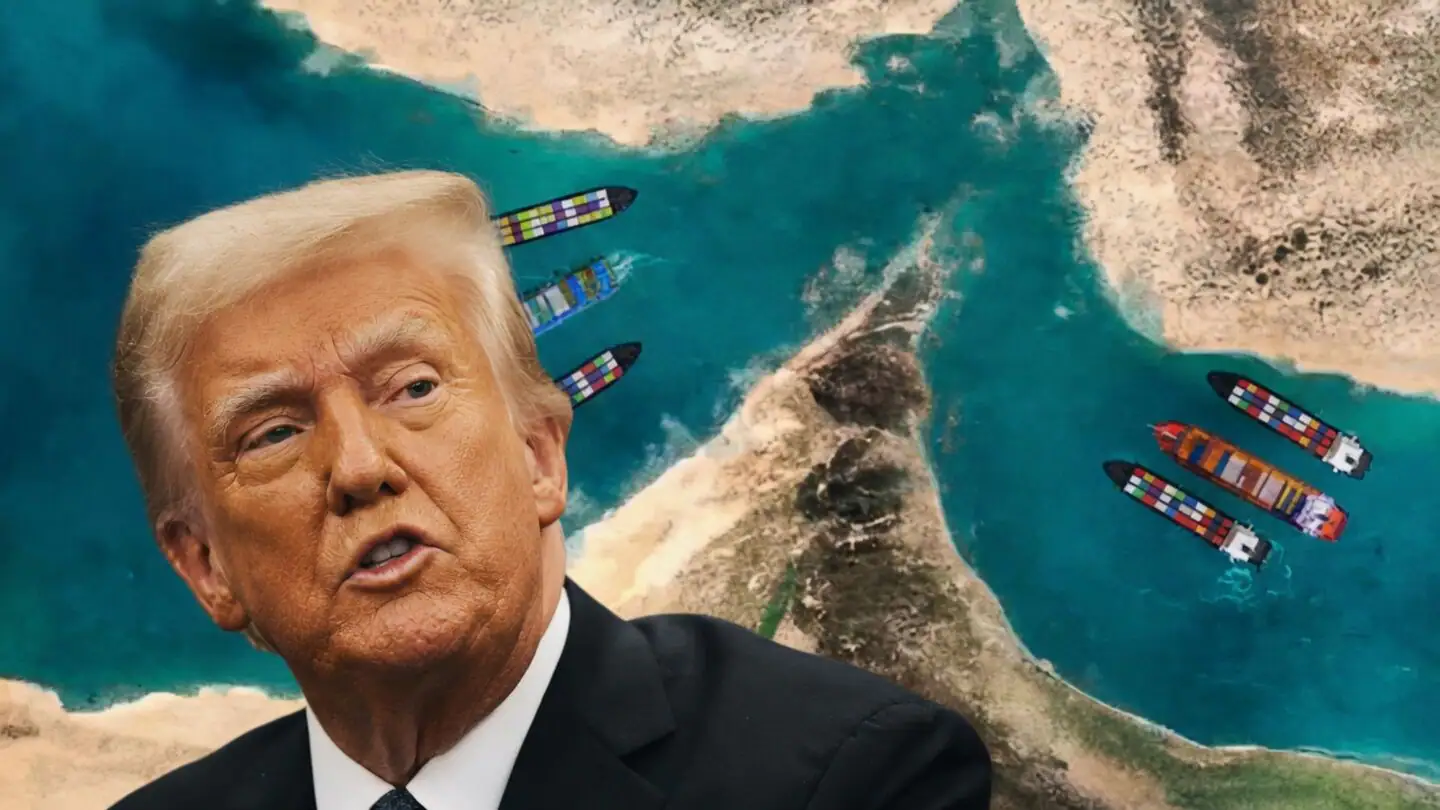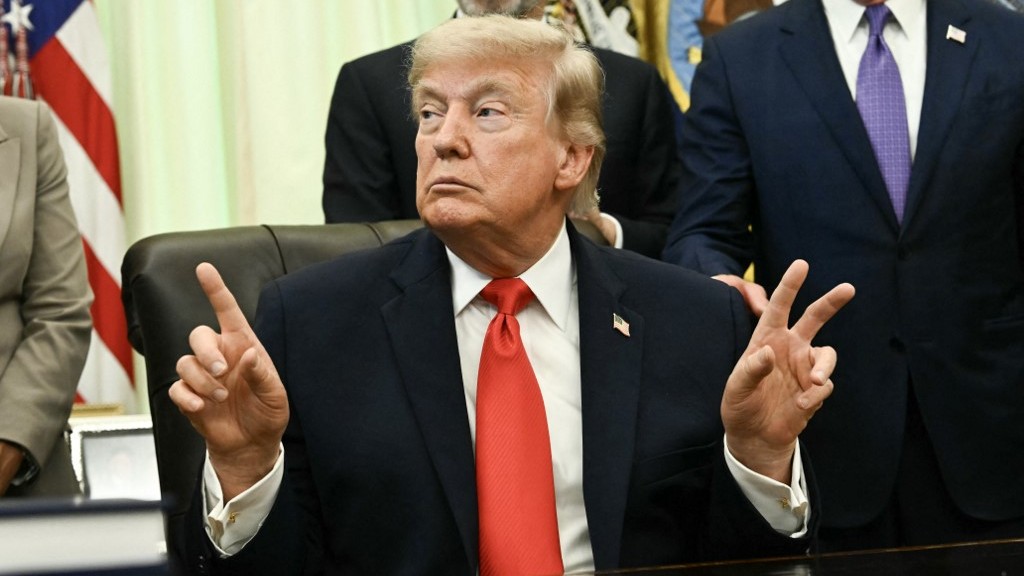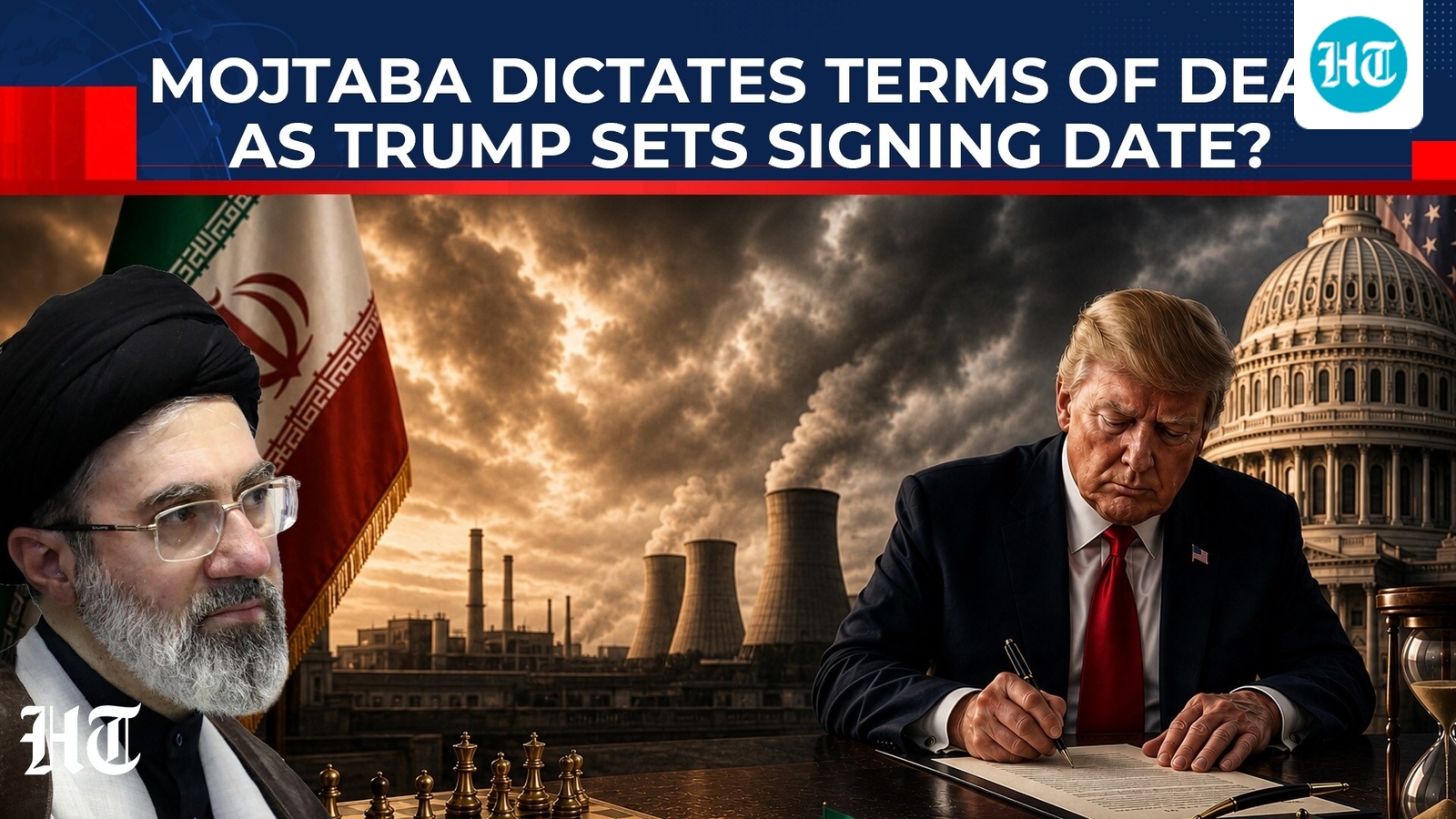
A fresh dispute has erupted over the future of U.S.-Iran peace talks after Donald Trump declared that an agreement would be signed on June 14, while Iranian officials rejected claims that a formal deal is imminent. Trump said the accord would reopen the Strait of Hormuz and permanently block Iran from obtaining nuclear weapons. Tehran, however, insists technical discussions are still ongoing and has outlined additional demands involving sanctions relief, blocked funds and regional security arrangements. With Pakistan preparing to host the next phase of talks, uncertainty continues to surround what could be a historic agreement.
Mojtaba dictates terms of peace deal as Trump sets signing date?; Iran, USA not on same page?
A fresh dispute has erupted over the future of U.S.-Iran peace talks after Donald Trump declared that an agreement would be signed on June 14, while Iranian officials rejected claims that a formal deal is imminent. Trump said the accord would reopen the Strait of Hormuz and permanently block Iran from obtaining nuclear weapons. Tehran, however, insists technical discussions are still ongoing and has outlined additional demands involving sanctions relief, blocked funds and regional security arrangements. With Pakistan preparing to host the next phase of talks, uncertainty continues to surround what could be a historic agreement.
TL;DRAI
Trump set June 14 for U.S.-Iran deal signing; Iran rejected the date, demanding more technical talks on sanctions, funds, and regional security. Tech leaders face compliance and supply chain uncertainty as negotiations remain unpredictable, affecting vendor relationships and sourcing strategy.
96 words~1 min read