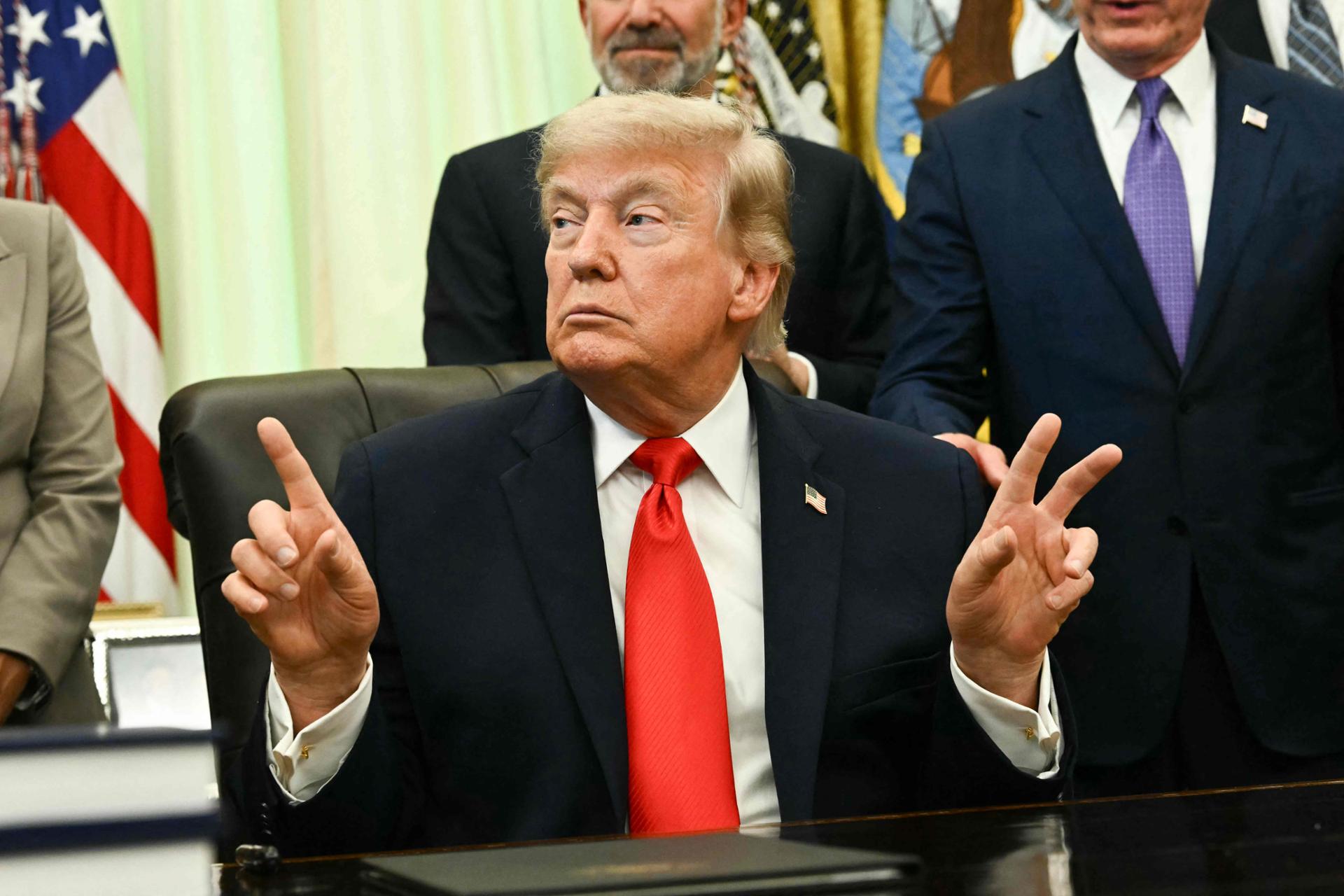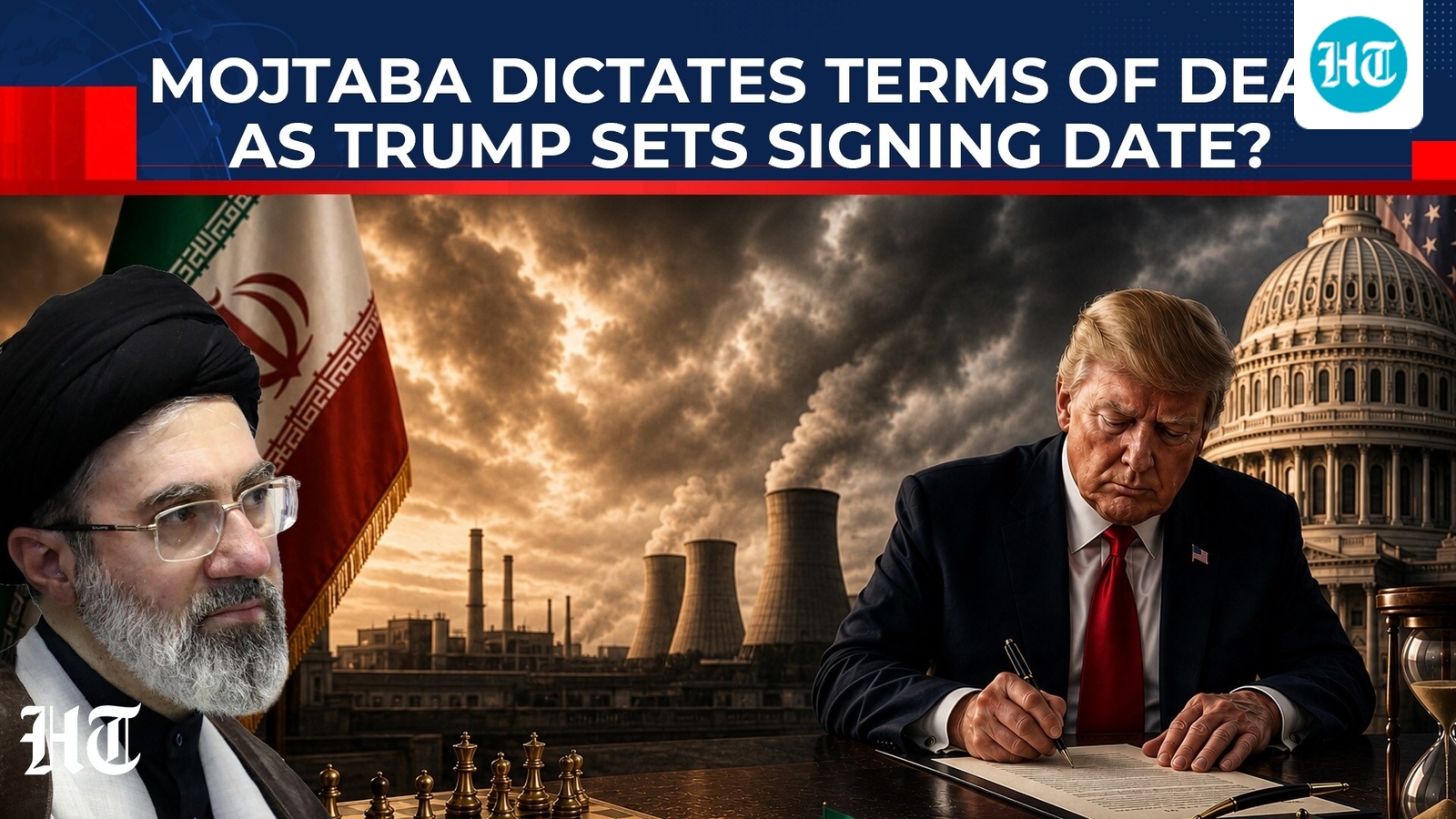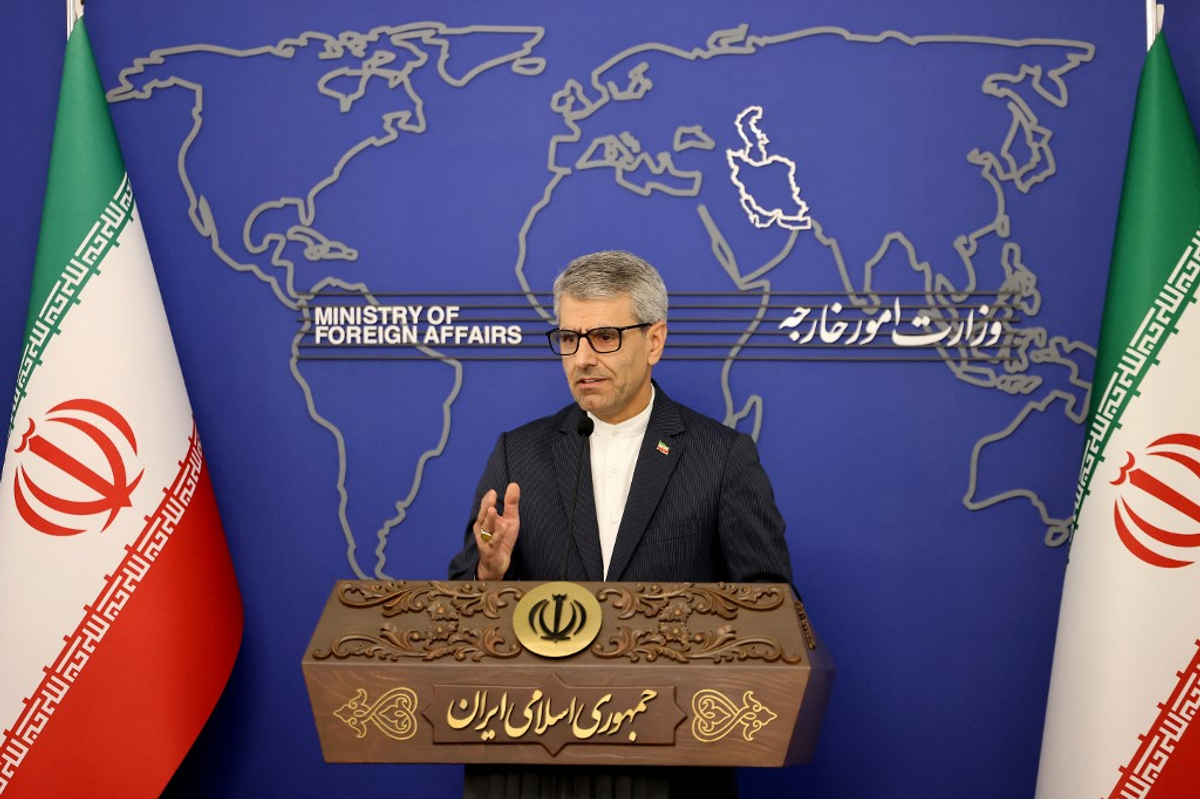
Iran contradicted declarations made by US President Donald Trump and international mediators regarding the exact timing of a finalized peace treaty, Reuters reported. Tehran pulls the brakes on the Sunday timeline The White House’s triumphant narrative was met with institutional caution from Tehran. Iranian Foreign Ministry spokesperson Esmail Baghaei denied that the Islamabad Memorandum of Understanding would receive an official electronic signature on Sunday.JOIN US ON TELEGRAMFollow our coverage of the war on the @Kyivpost_official. Baghaei clarified that the precise date for formalizing the document remains open. While he did not rule out a signing ceremony materializing “over the next few days,” he emphasized that it would not occur on June 14. The Foreign Ministry urged international observers and domestic media to comment on the negotiation process with extreme care, pointing directly to ongoing “hesitations” from the American side as a primary source of delay. Tehran emphasized that the structural parameters of its nuclear program are far from settled. According to Iranian officials, the ultimate fate of its domestic enrichment capabilities and nuclear architecture has not been closed and must be relegated to a secondary, distinct phase of future diplomatic negotiations – a stance that challenges Trump’s assertions of a fully finalized non-proliferation pact. Trump declares an imminent “wall” against nuclear weapons The diplomatic friction spilled into the open following a post by President Donald Trump on Truth Social. Trump announced that the US and Iran were scheduled to sign a peace agreement on Sunday, June 14, a timeline corroborated by key backchannel mediator Pakistani Prime Minister Shehbaz Sharif.
Chronology Clash: Iran Disputes Trump’s Claim of Immediate ‘Sunday Signing’ for Peace Deal
Tehran has pushed back against claims by US President Donald Trump and Pakistani mediators that an electronic peace treaty would be signed on Sunday, June 14.
TL;DRAI
Trump announced June 14 signing of Iran peace deal; Tehran rejected the date, nuclear terms remain open. Hormuz blockade and geopolitical tensions force IT leaders to reassess energy resilience and infrastructure placement.
646 words~3 min read