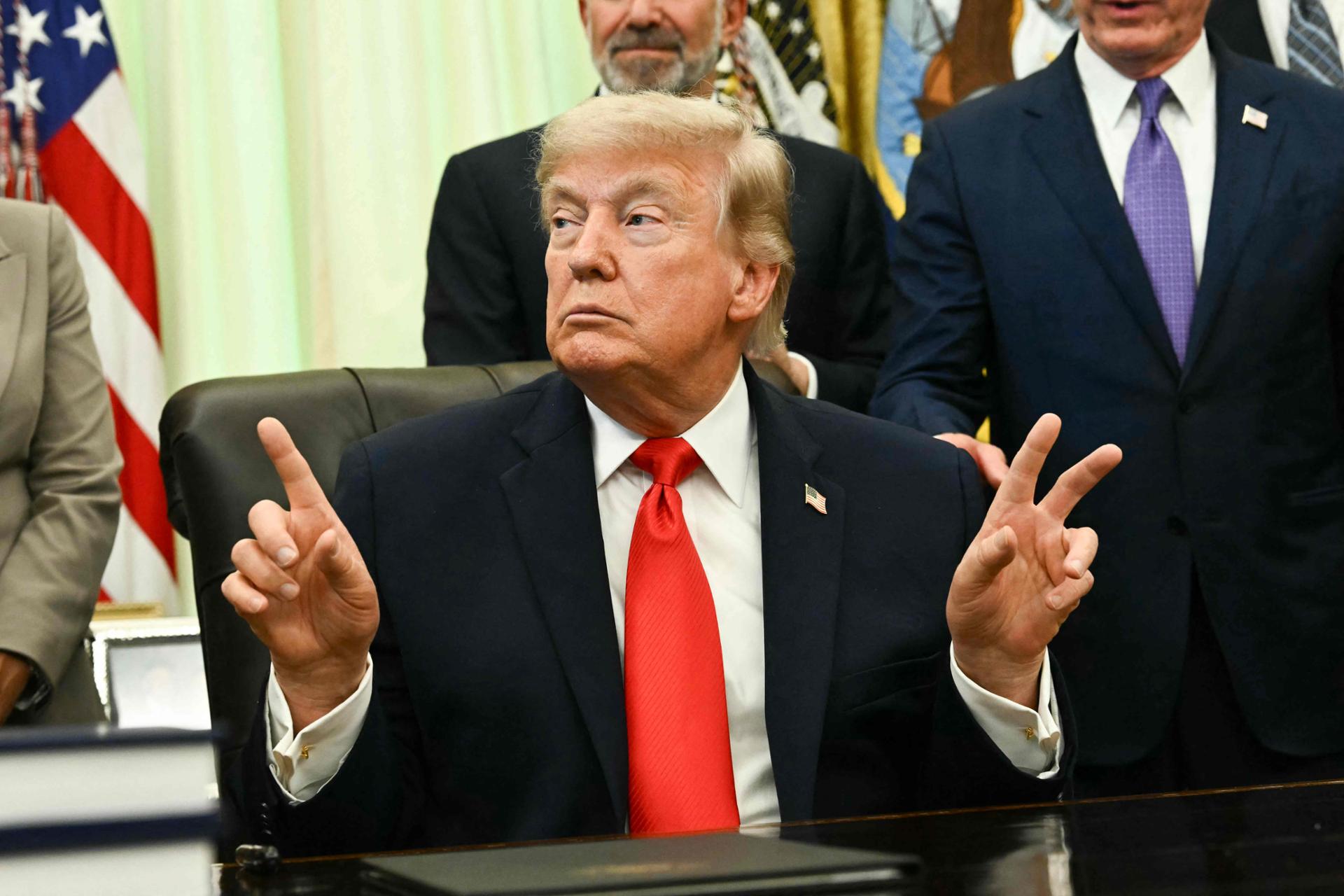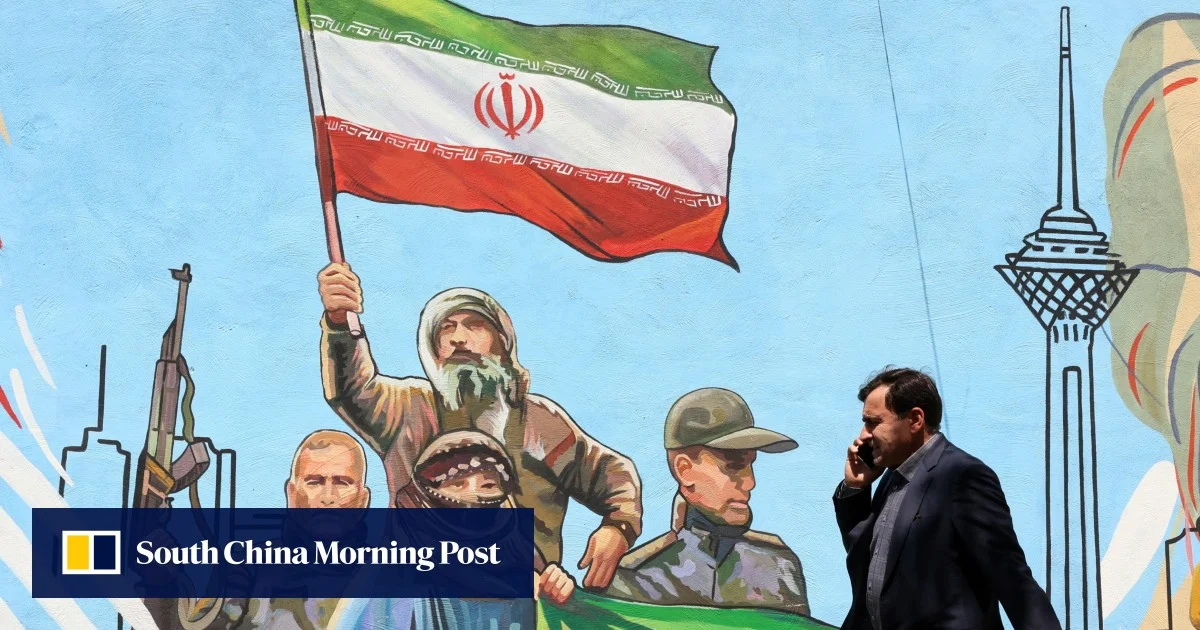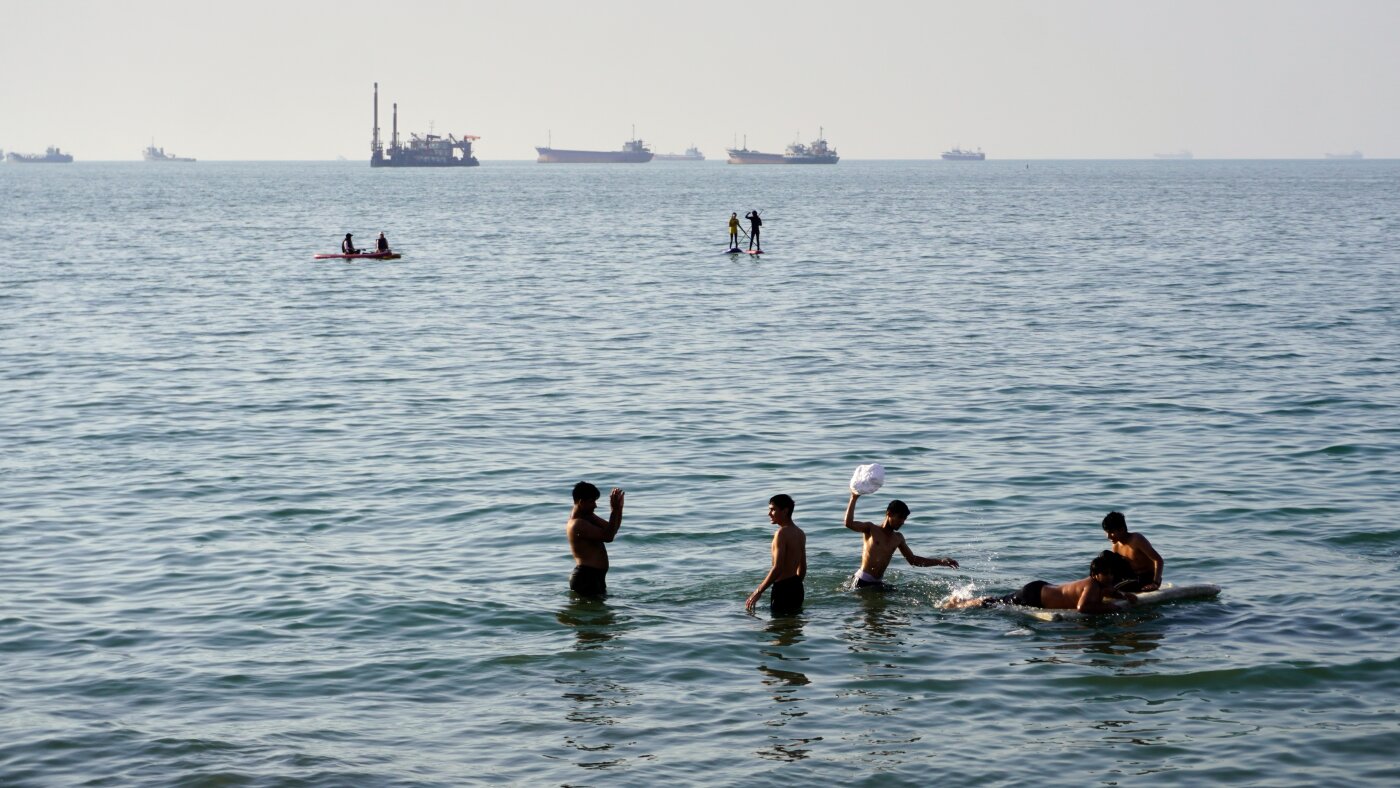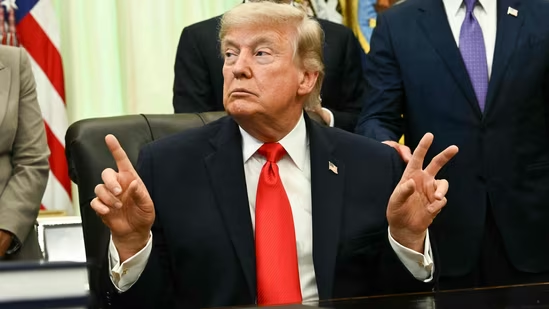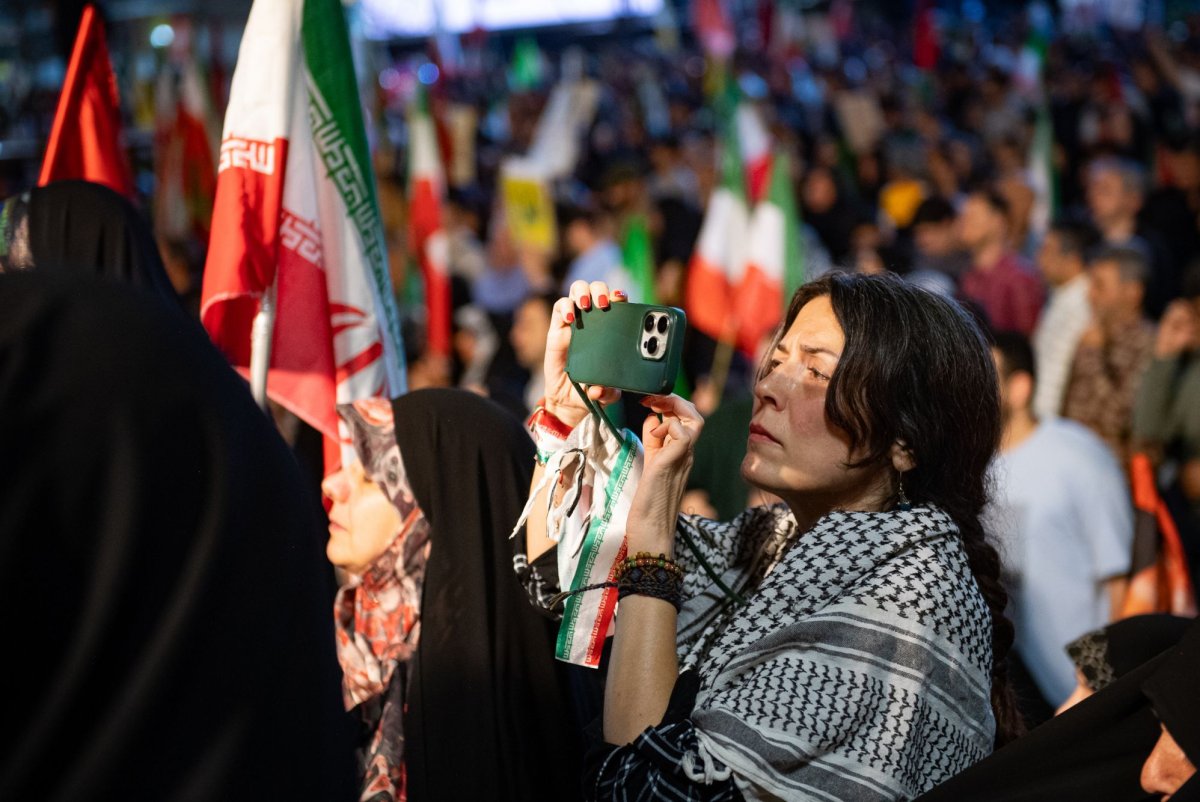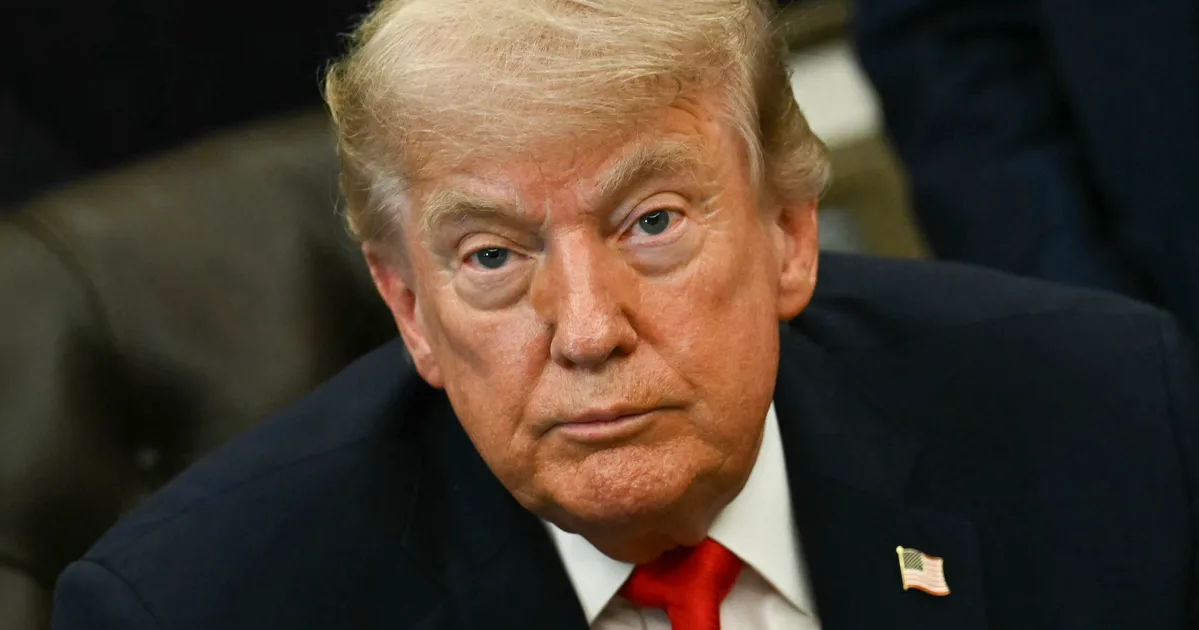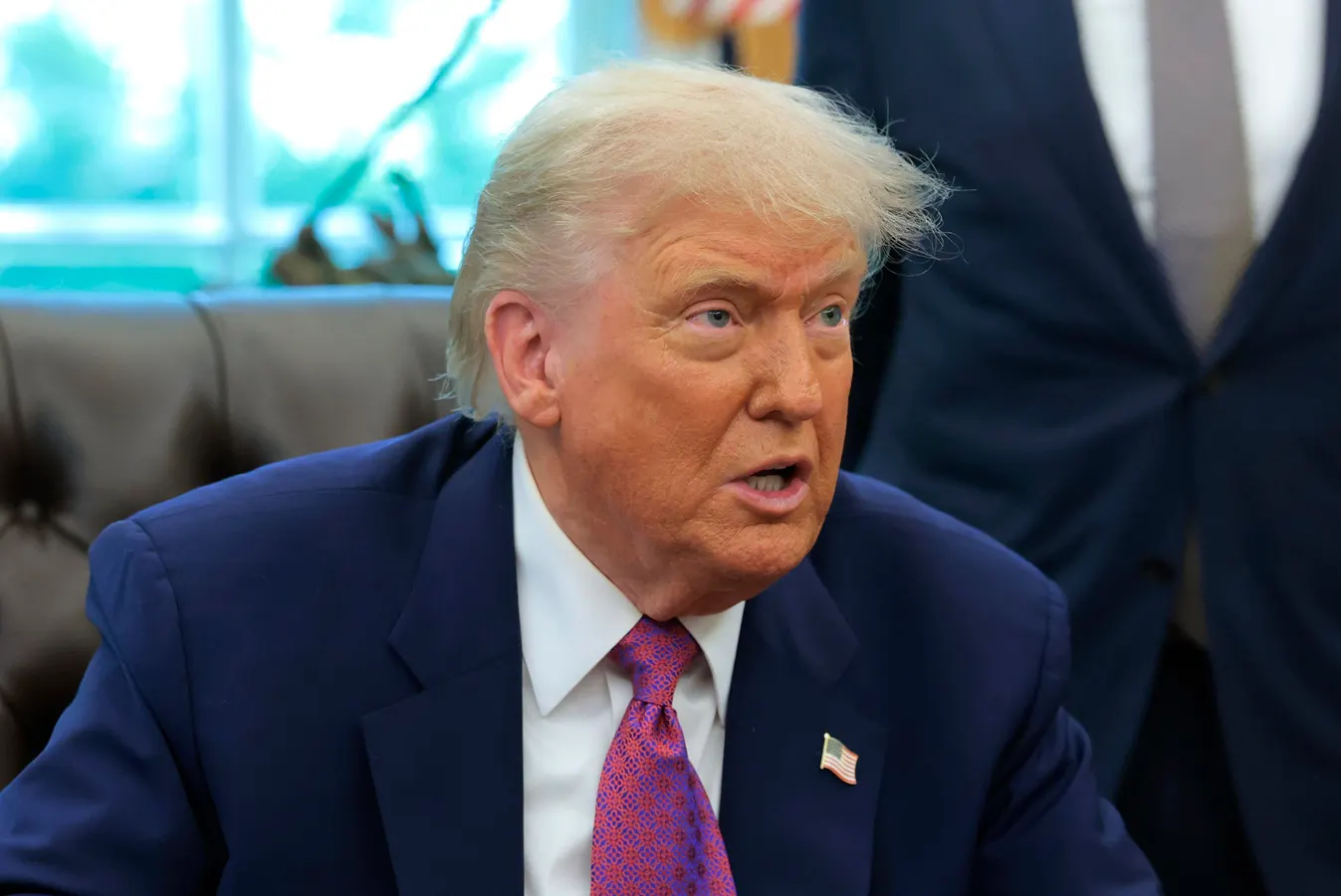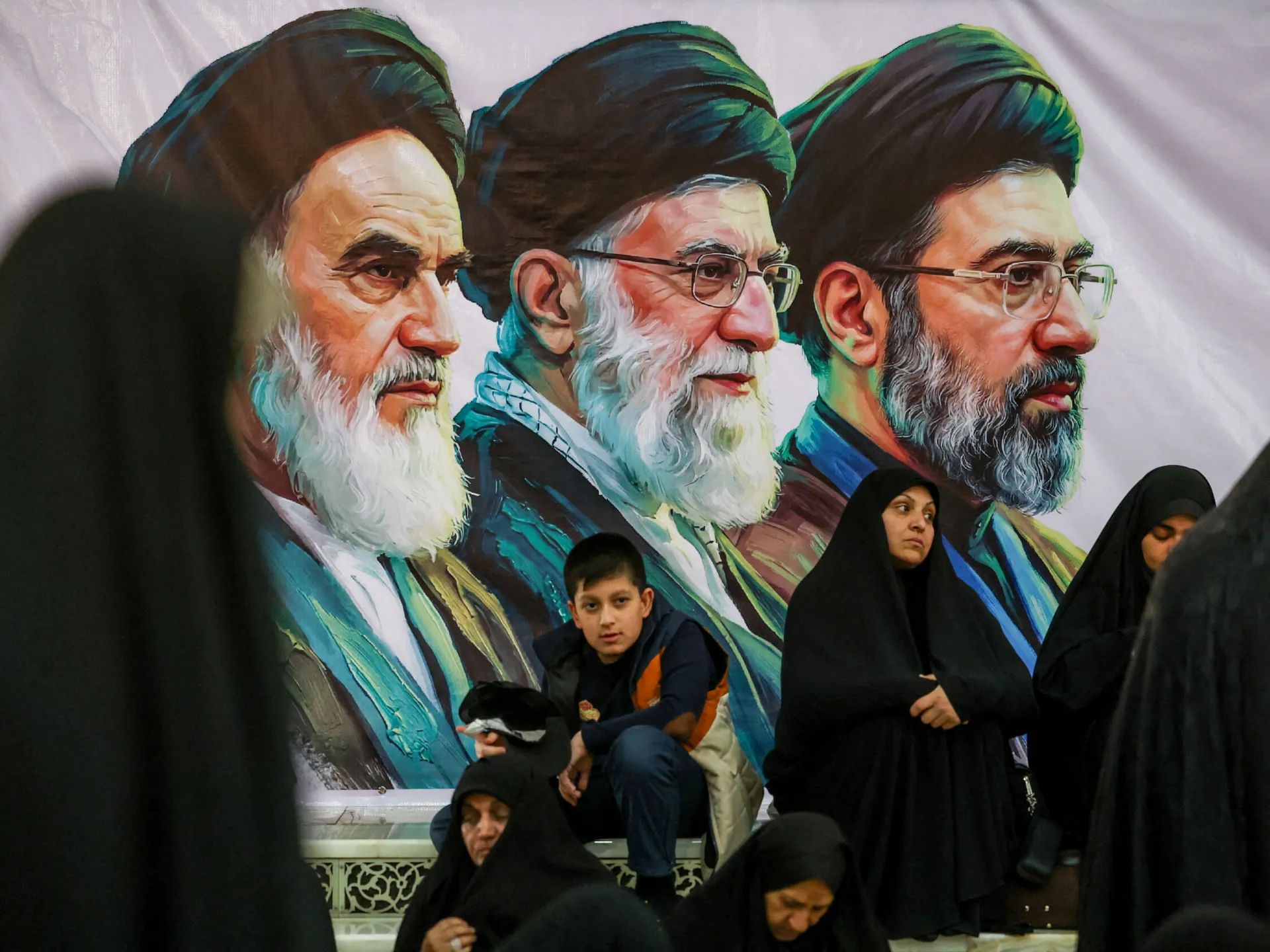
DUBAI/WASHINGTON: U.S. President Donald Trump and mediator Pakistan said on Saturday an initial deal to end the war in the Middle East would be signed on Sunday, although Iran denied the signing would take place so soon. Pakistani Prime Minister Shehbaz Sharif said the two sides had agreed on a framework for a peace deal and that Islamabad was preparing for an electronic signing on Sunday, to be followed by technical-level talks next week. Trump also said in a social media post that the deal with Iran was scheduled to be signed on Sunday and that the Strait of Hormuz, a vital artery for global oil supplies which Iran has blocked, would be immediately "open to all" after it was signed. Earlier on Saturday, Iranian Foreign Ministry spokesperson Esmaeil Baghaei cautioned against commenting on the timing the signing. "We will have to wait and see about the exact date of the signing of the memorandum of understanding, although it will not be tomorrow," state media quoted Baghaei as saying. "The possibility of this happening in the coming days cannot be ruled out. However, due to the hesitation of the other side, we must be cautious in making any comments about this process." A U.S. official who spoke to reporters later declined to be drawn on the timing but said: "It's a great deal and a very strong deal." It is not the first time the two sides have appeared close to an initial agreement on ending the war that began on February 28 with joint U.S.-Israeli strikes on Iran, but Sharif said on X: "We are closer to a peace deal than ever before." The war has sent global energy prices sharply higher and killed thousands of people, mostly in Iran and Lebanon, where the war has revived a conflict between Israel and Iran-aligned Hezbollah militants.What is in the deal? Iranian Foreign Minister Abbas Araqchi said on Friday that while changes in the deal were still possible, the tentative agreement showed his country had emerged stronger from the conflict. Hours after those remarks, U.S. forces shot down multiple Iranian one-way attack drones heading toward the Strait of Hormuz, a source familiar with the matter told Reuters. The source, who spoke on condition of anonymity, said the drones had posed a threat to commercial traffic. U.S. Central Command later confirmed the action and said the strait, a major artery for global oil supplies, was open. Iran has for months effectively blockaded the strait, and the U.S. navy has blocked Iranian ports to reduce its oil exports. The proposed memorandum of understanding calls for reopening the strait and lifting the U.S. naval blockade, sources on all sides of the talks said. Negotiations over Iran's nuclear program - Trump's stated rationale for starting the war - would take place afterwards. "Iran is going to open up the Strait of Hormuz, that's a requirement. It could be open with no tolls. As they do that, we will lift our blockade," said the U.S. official who spoke on Saturday. "It's going to happen in conjunction, and part of the next step, the phase after that, is going to be the demining of the straits," the official said, indicating countries in the Group of Seven major powers could have a role in this.Frozen assests Draft terms described to Reuters by multiple sources indicate the U.S. would begin releasing billions of dollars in frozen Iranian assets and waive sanctions on its oil exports, in return for Iran opening the strait. Iran's Fars news agency quoted Baghaei as saying the release of Iran's frozen assets was an integral part of the agreement and also that Iran would have to charge for services in the Strait of Hormuz. Fars also quoted him as saying foreign military bases in the region must end without providing details. Iran's nuclear program would be addressed during a 60-day period of talks. A U.S. official said the agreement would ultimately lead to the dismantling of Iran's nuclear program, with its stockpile of highly enriched uranium to be destroyed and removed. But Araqchi said that Iran, which sources said has not accepted the dismantling of its nuclear program, wanted to retain the uranium in diluted form. The proposals also include discussion of possible war reparations for Tehran and dropping longstanding U.S. demands for limits on Iran's missile program, the sources said. The U.S. official disputed that account.Israel not party to memorandum Israeli Prime Minister Benjamin Netanyahu said his country would not be party to the agreement. He has clashed with Trump over U.S. demands that Israel curb military action in Lebanon to allow Washington to reach a deal with Tehran. Araqchi said the agreement would end the war in Lebanon, implying an Israeli withdrawal from occupied areas. Israel's defence minister said it would not withdraw. A senior Israeli official said Israel expects to retain its freedom to act against threats. Iran's supreme leader, Ayatollah Ali Khamenei, was killed in an airstrike on the first day of the war and later replaced in the role by his son Mojtaba. Khamenei's funeral will begin in Tehran on July 4 and conclude with his burial in his hometown, the northeastern holy city of Mashhad, on July 9, Iranian state media reported on Saturday.
Trump says deal to end war will be signed on Sunday, Iran questions timing
Pakistan and the U.S. announced an initial deal to end the Middle East war, with an electronic signing planned for Sunday. Iran, however, denied the immediate signing, citing hesitation from the other side. The proposed agreement includes reopening the Strait of Hormuz and releasing frozen Iranian assets, though details on Iran's nuclear program and missile program remain points of contention.
TL;DRAI
Trump and Pakistan announce Iran peace deal for Sunday signing; includes Strait of Hormuz reopening and release of billions in frozen assets for nuclear talks. Strait reopening stabilizes global oil, easing energy costs for datacenters across Europe and Asia.
875 words~4 min read