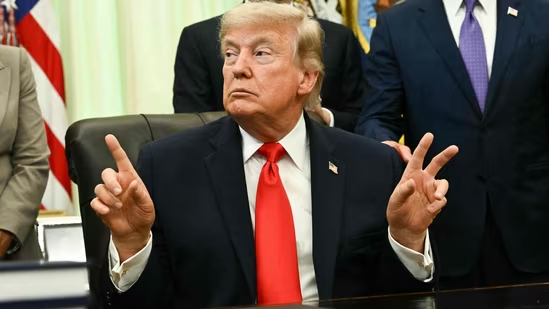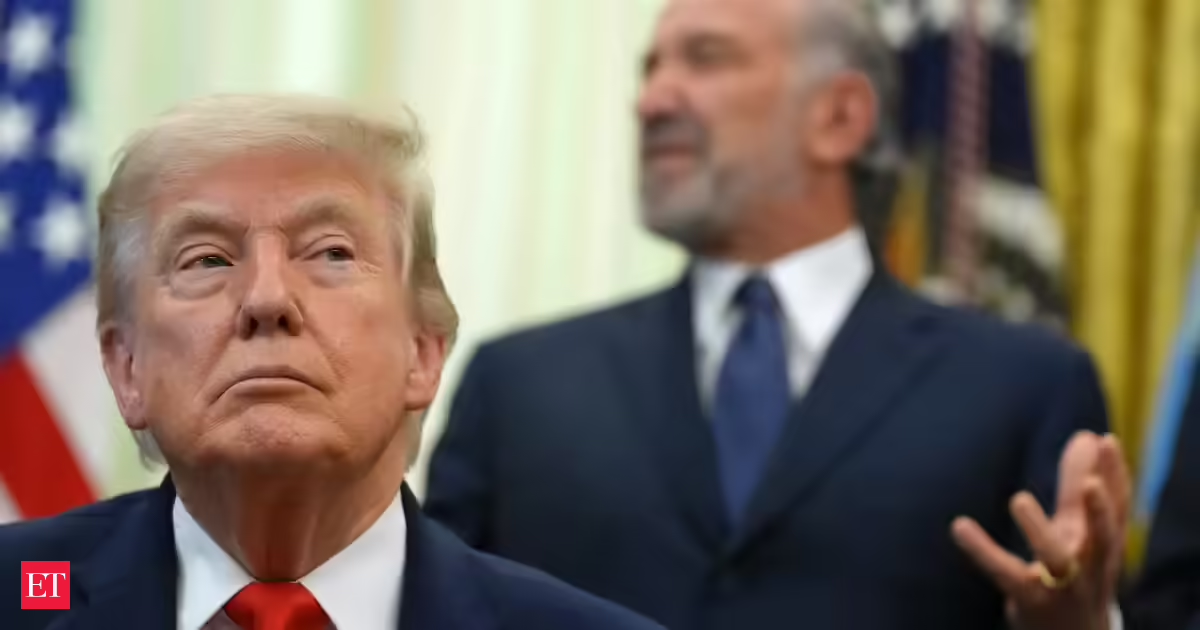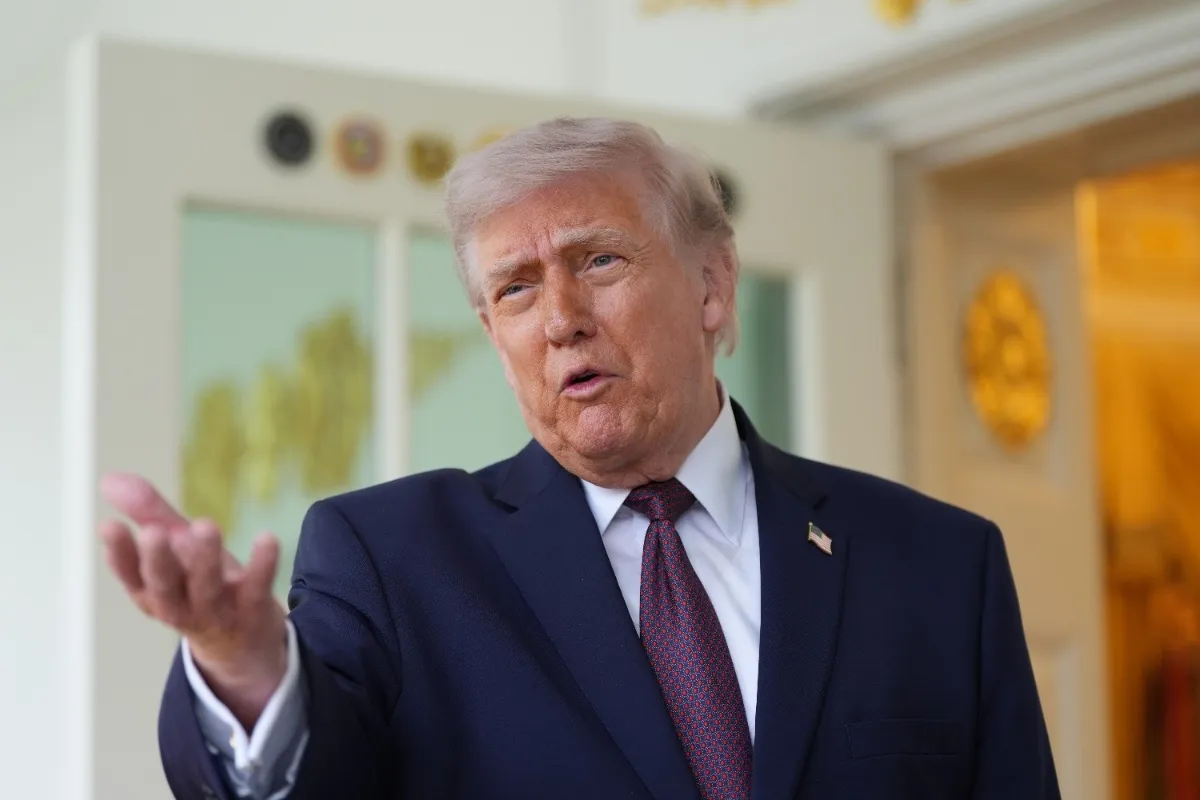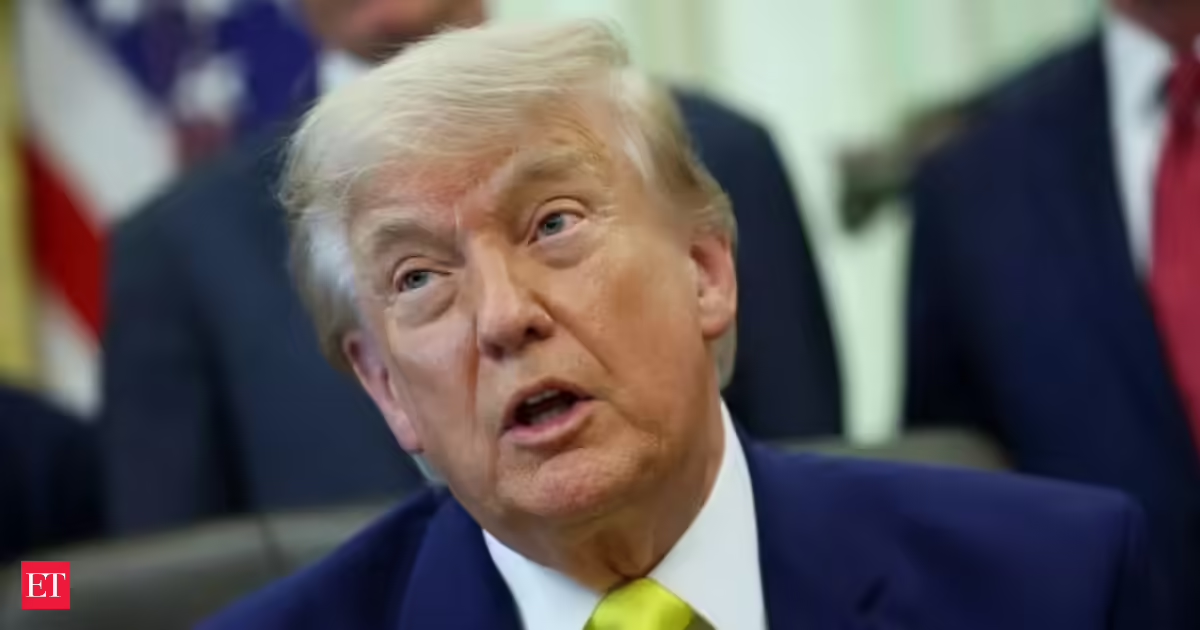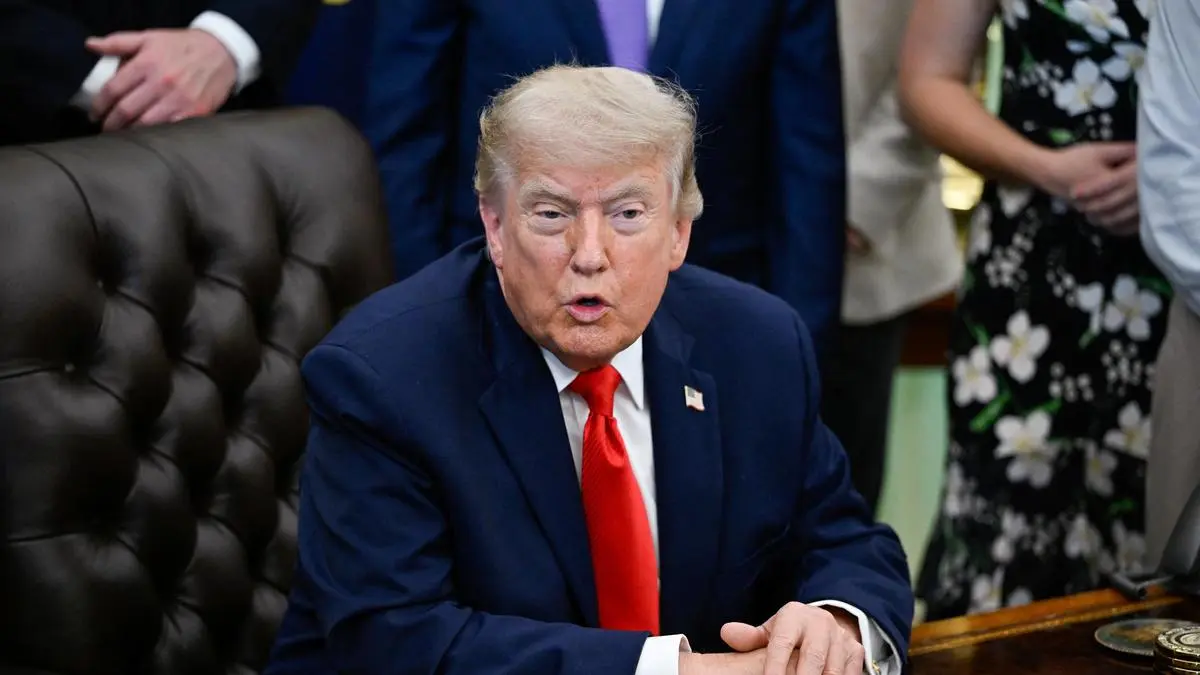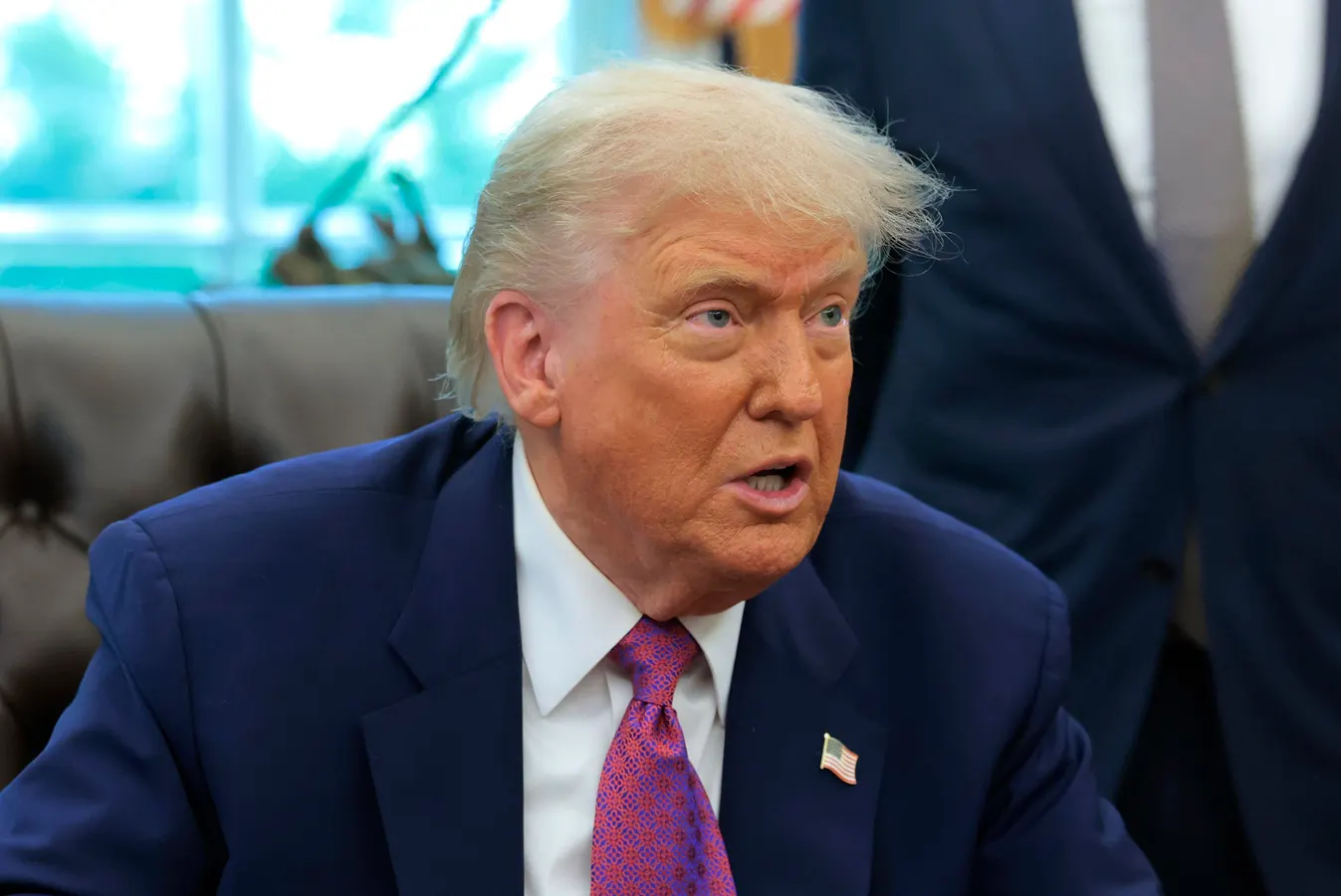
ToplineA peace agreement between the U.S. and Iran is scheduled for signing Sunday, President Donald Trump announced Saturday, marking a potential end to hostilities between the two countries following more than 100 days of war.Trump said Saturday the peace deal was scheduled to be finalized Sunday.Photo by Anna Moneymaker/Getty Images)Key FactsTrump said the Strait of Hormuz, a crucial oil shipping route between the Persian Gulf and the Gulf of Oman, will be “OPEN TO ALL” following the peace deal’s signing on Sunday.Pakistani Prime Minister Shehbaz Sharif said in a post finalization of the peace deal is “likely expected in the next 24 hours.”The prime minister added that Pakistan is preparing for the peace deal to be electronically signed and followed by “technical level talks” next week.Trump on Thursday canceled a round of strikes against Iran before announcing an agreement was close, saying, “final points have been, in both concept and great detail, approved by all parties involved.”The president and Vice President JD Vance denied on Friday that the agreement heavily favored Iran, with Vance saying he saw “a lot of fake information about a potential deal” that would not involve the release of Iran’s frozen assets “for simply signing a deal or attending a meeting.”Trump reposted Sharif’s tweet on his Truth Social profile later Saturday morning.What To Watch ForTrump, referring to the U.S. bombing Iranian nuclear assets last year, said if the peace deal does not work out, “we have the ultimate alternative, hopefully never to be used again!”What Do We Know About The U.S.-Iran Peace Deal?The White House has remained vague about the terms of the deal, with Vance saying “economic benefits will flow to” Iran if it meets its obligations. Trump said Saturday the deal is “A WALL TO NO NUCLEAR WEAPON!” He claimed Iran no longer wants “a Nuclear Weapon, nor will they have one, either through purchase, development, or any other form of procurement.” Reuters reported that under the deal, the U.S. would immediately unfreeze billions of dollars in Iranian assets and lift oil sanctions in return for the reopening of the Strait of Hormuz, a crucial oil shipping route between the Persian Gulf and the Gulf of Oman. Reuters, citing unnamed sources from Iran, the West and mediators, reported the deal would not involve an immediate commitment from Iran to end its nuclear program, with discussions about the program being delayed for 60 days.Key BackgroundTrump, who has claimed victory over Iran several times throughout the last few months, said Thursday the peace deal was “in pretty final shape” and could be signed “maybe over the weekend, in Europe.” The president also said an agreement on nuclear issues was “conceptually” reached. Iran’s foreign ministry said Thursday no final agreement was reached and that Iran’s “red line” in negotiations would not be moved. The U.S.-Israeli war against Iran has continued for over 100 days. Trump claimed in the early days of the war it would last roughly four to five weeks and has justified military action by claiming Iran was two weeks away from developing a nuclear weapon.Further ReadingTrump And Vance Angrily Deny Peace Deal Favors Iran (Forbes)Trump Might Lift Sanctions On Iran—After Blasting Obama For Doing It (Forbes)
U.S.-Iran Peace Deal Expected To Be Signed Sunday, Trump Says
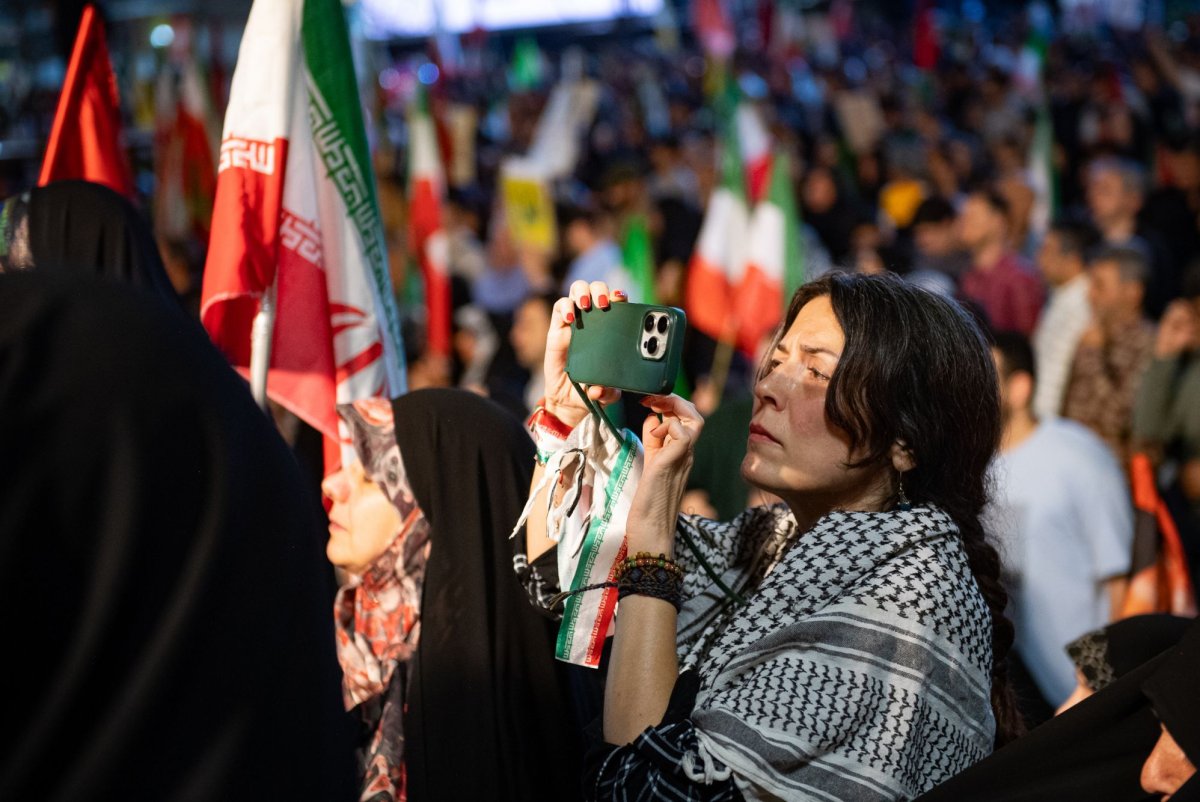
Pakistan is one of the key mediators between the U.S. and Iran as both sides have struggled to finalize a peace agreement since April.
TL;DRAI
Trump announces U.S.-Iran peace deal signed Sunday, ending 100+ days of war and reopening Strait of Hormuz with asset unfreezing. Nuclear talks deferred 60 days; de-escalation reshapes oil markets and supply chain risk for enterprises with Middle East tech exposure.
532 words~2 min read