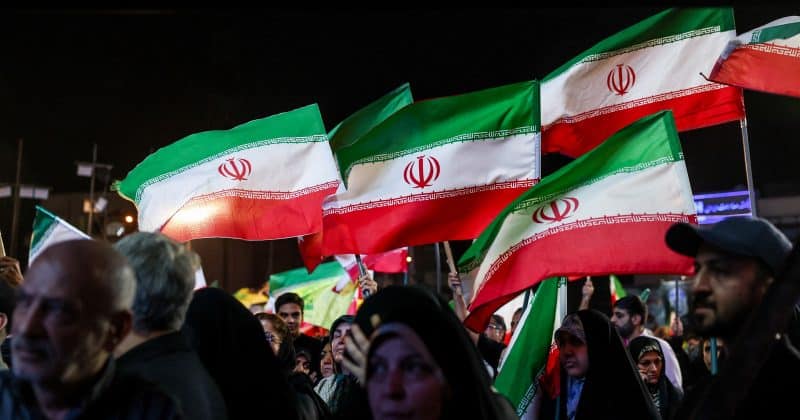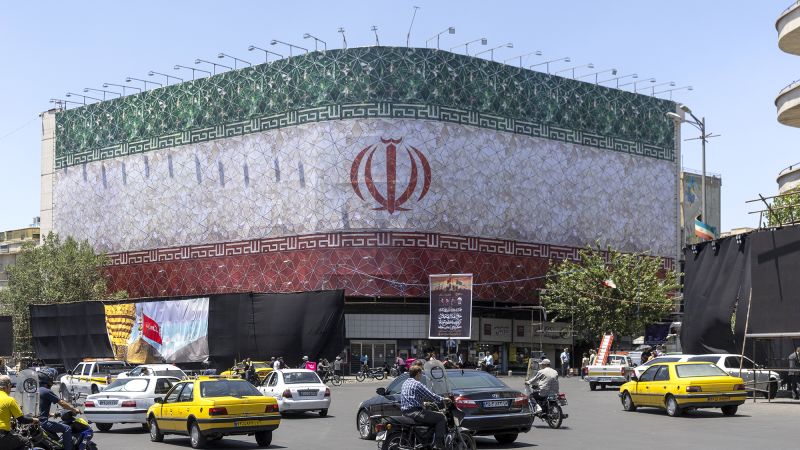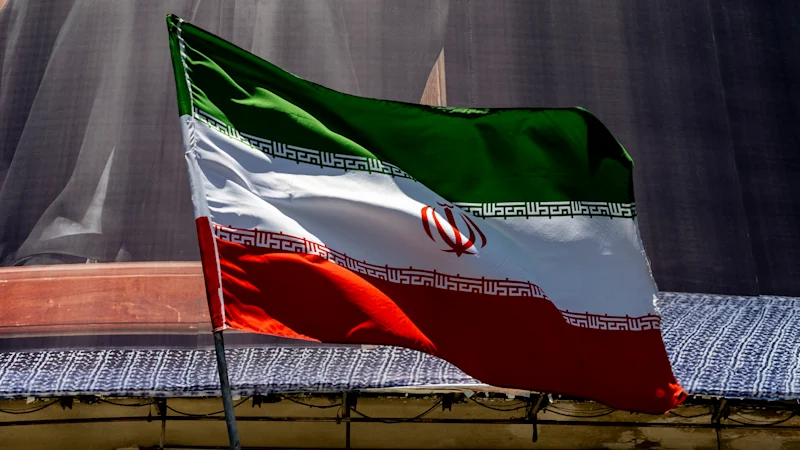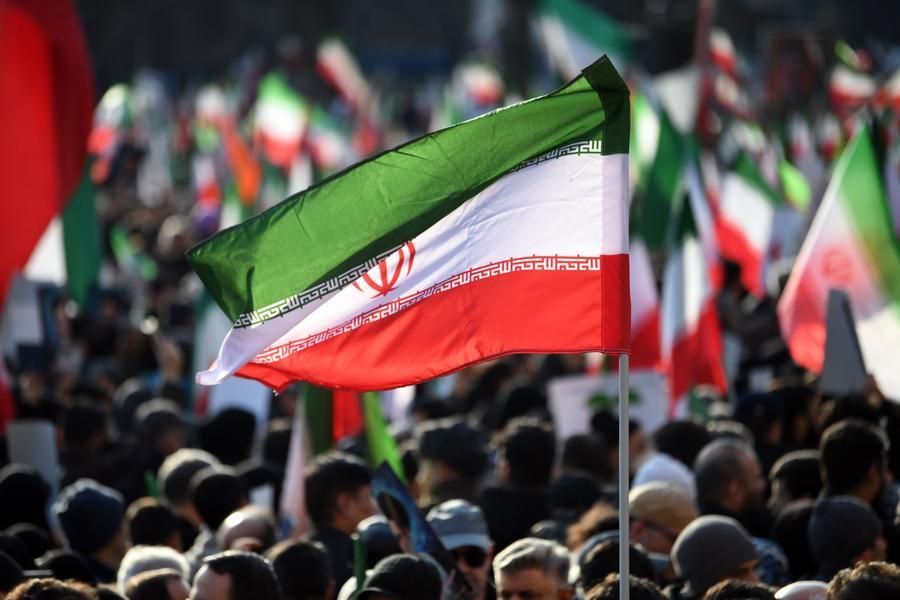
People take part in a demonstration in Tehran, Iran, on Jan. 12, 2026.
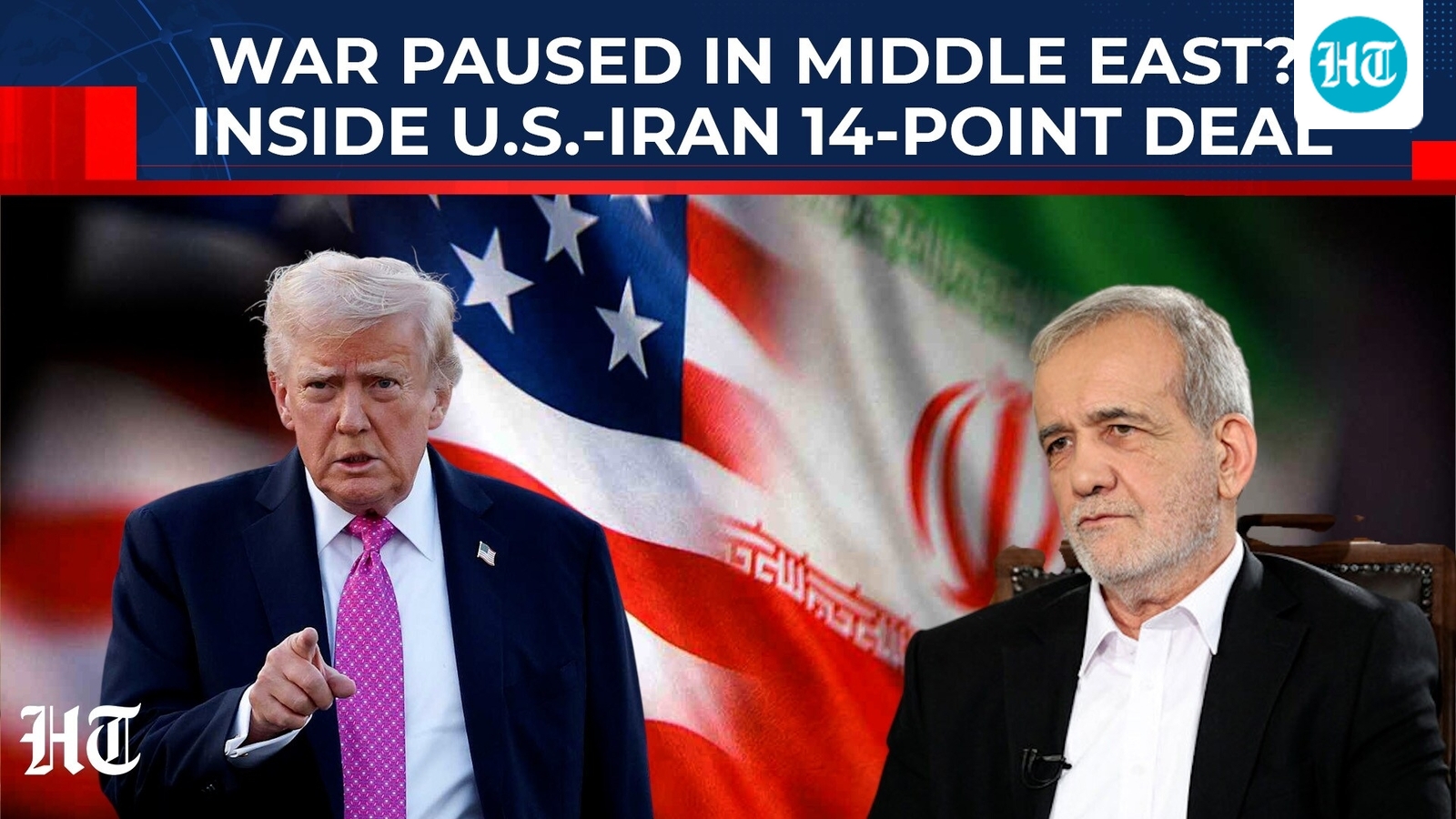
When the full text of the 14-point Memorandum of Understanding between the United States and Iran was released, analysts expecting the language of a balanced peace agreement found something rather different. What the document describes, point by point, is a near-total concession by the world's most powerful military to a country it had spent decades sanctioning, isolating, and periodically bombing. A country whose entire GDP is smaller than the state of Washington's. The Geneva signing on Friday does not merely end a war, it marks the formal passing of an era in Middle Eastern geopolitics.
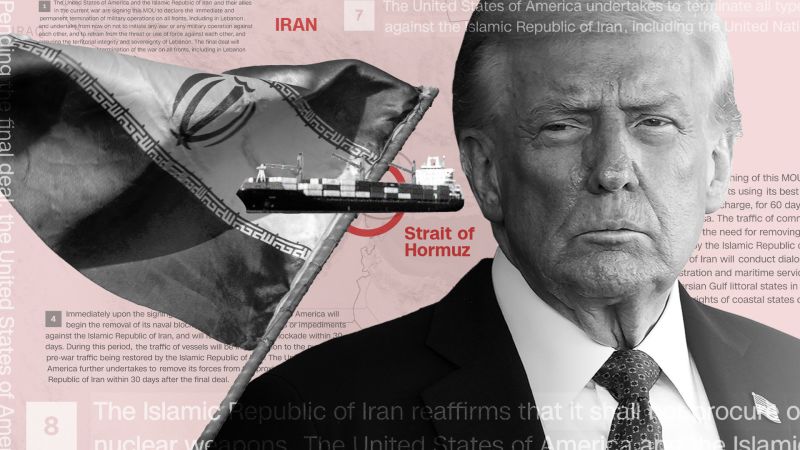
The terms deserve to be read on their own terms. Article 4 commits the United States to immediately begin removing its naval blockade upon signing and to fully end it within 30 days. Article 6 commits the United States, in coordination with regional partners, to develop a reconstruction and economic development plan for Iran worth at least $300 billion, with all required licenses and waivers for relevant financial transactions to be granted by Washington. Article 7 commits the US to terminating all sanctions on Iran, including UN Security Council resolutions, IAEA Board of Governors resolutions, and all unilateral US primary and secondary sanctions, on a schedule set in the final deal. Article 10 requires the US Treasury to issue oil export waivers immediately upon signing, covering crude oil, petroleum products, derivatives, and all associated banking, insurance and transportation services. Article 11 commits the United States to making all frozen Iranian assets fully available for use, with the funds usable for payment to any beneficiary designated by the Central Bank of Iran.