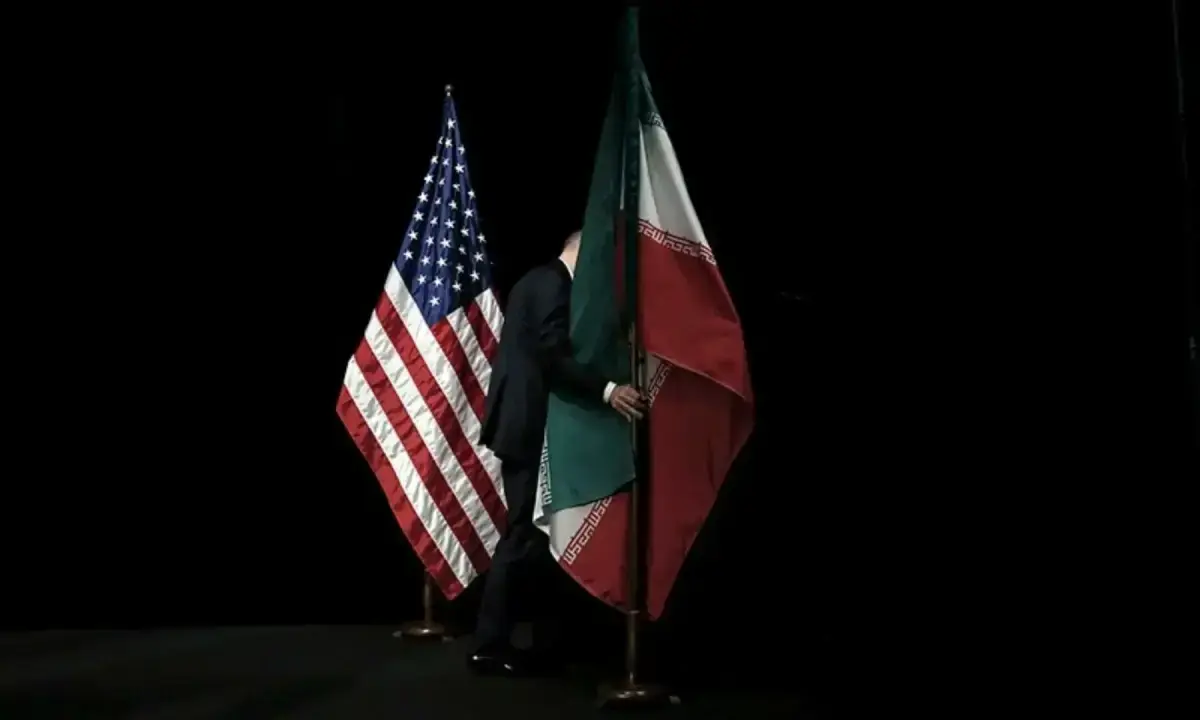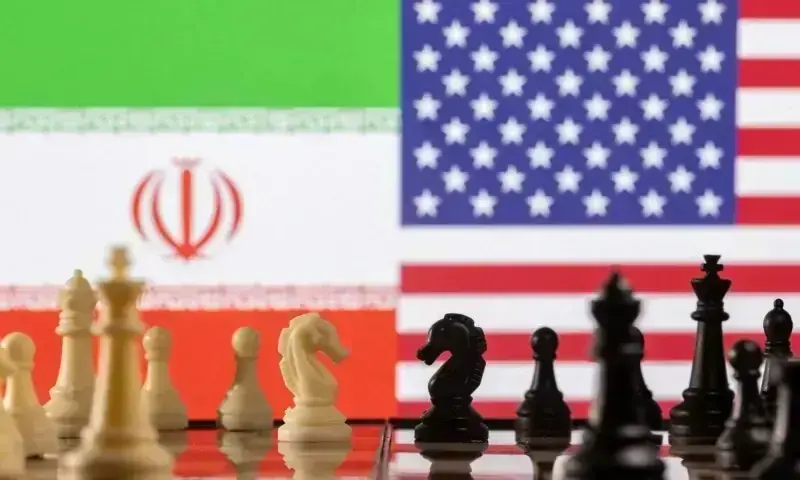
ISLAMABAD (AP) — Iran and the United States are trumpeting their tentative agreement aimed at ending their war as a victory. But so far there is no word on what's actually in it.
The memorandum of understanding, brokered mainly by Pakistan, starts with the simultaneous lifting of Iran's closure of the Strait of Hormuz and the U.S. blockade of Iran's ports, according to Pakistani officials. The two sides will then begin 60 days of negotiations over Iran's nuclear program and the potential lifting of sanctions, they told the AP, speaking on condition of anonymity because the text is being kept confidential.
That would leave the adversaries more or less where they were 3 ½ months ago — before Israel and the U.S. on Feb. 28 launched their war on Iran, which has left thousands dead across the region, triggered a global energy crisis and shaken the American economy with an inflation surge.
Much remains unknown, including whether the deal says anything about Iran's missile program or support for its regional allies like Lebanon's Hezbollah, issues that the U.S. and Israel cited to justify the war. Another major question is how it addresses Lebanon: Israel and Hezbollah are not parties to the deal, and their fighting could blow up the arrangement.