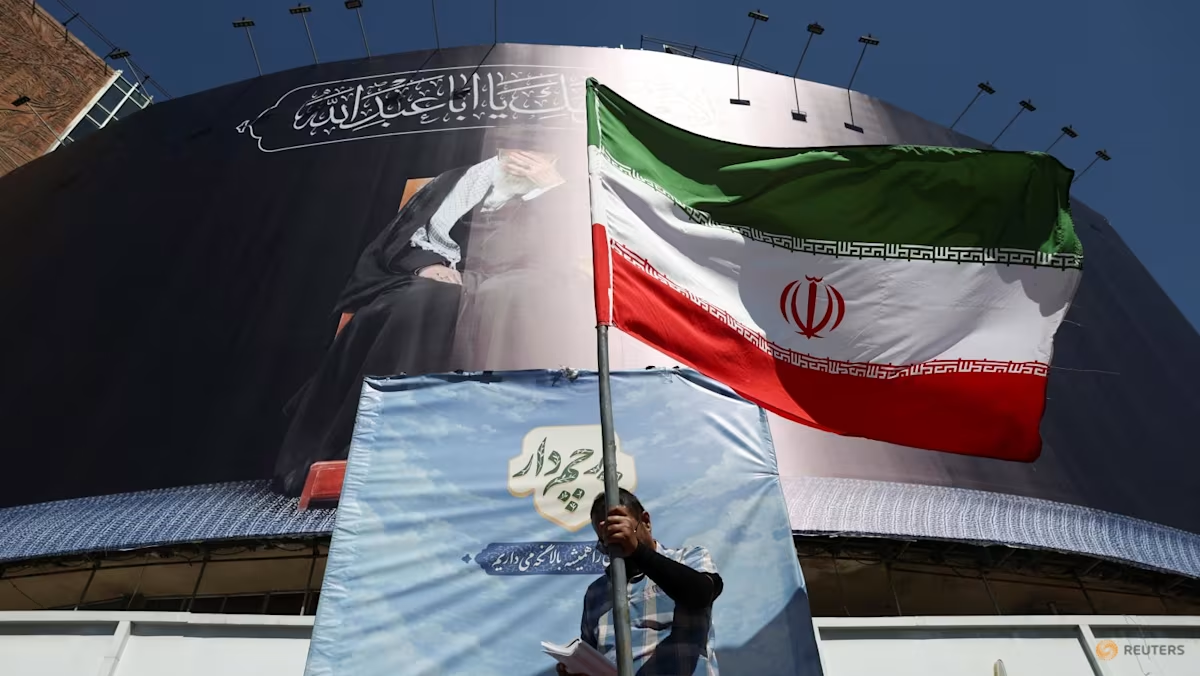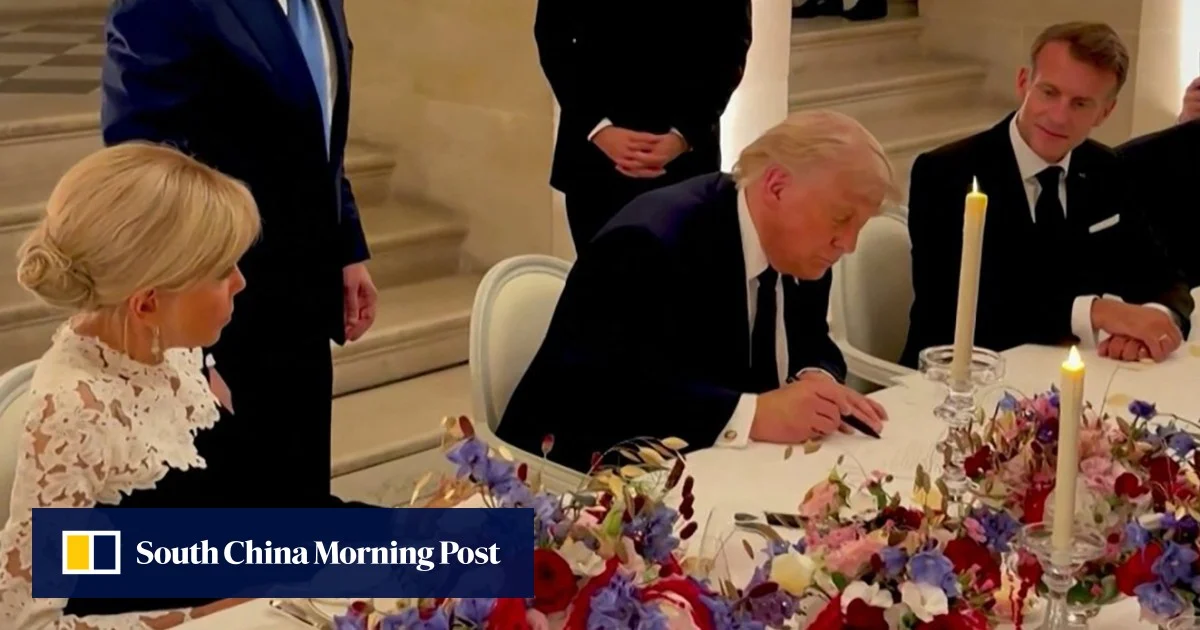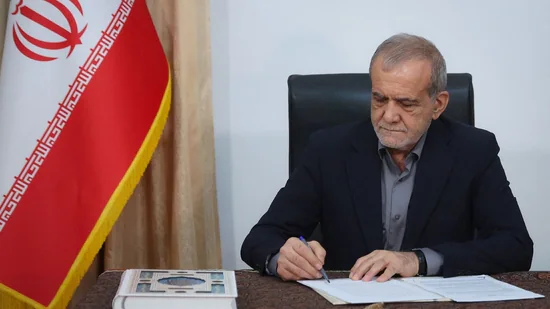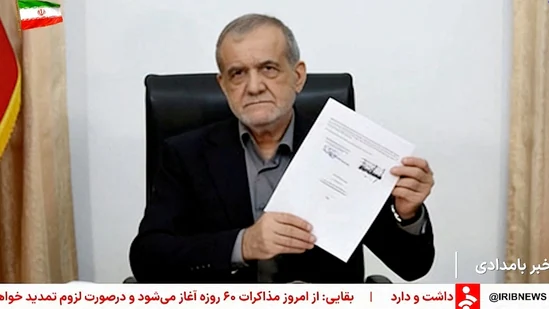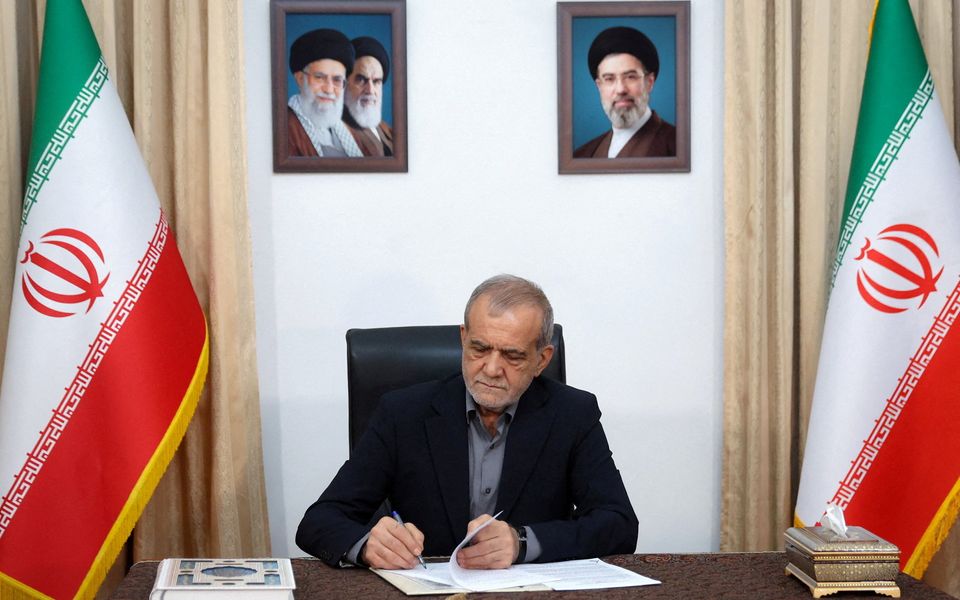
Iranian President Masoud Pezeshkian signs the document of US Memorandum of Understanding in Tehran, Iran, on June 18, 2026. [Iran's Presidential website/WANA (West Asia News Agency)/Handout via Reuters]
It remains to be seen how long the US-Iran deal will last, as there are many who would like to disrupt it. Today, though, both sides are bragging that they won. This was to be expected, as Donald Trump is incapable of accepting defeat anywhere, and, of course, the United States maintain its power and intent to strike Iran whenever it judges it useful, for substantial reasons or for appearances.
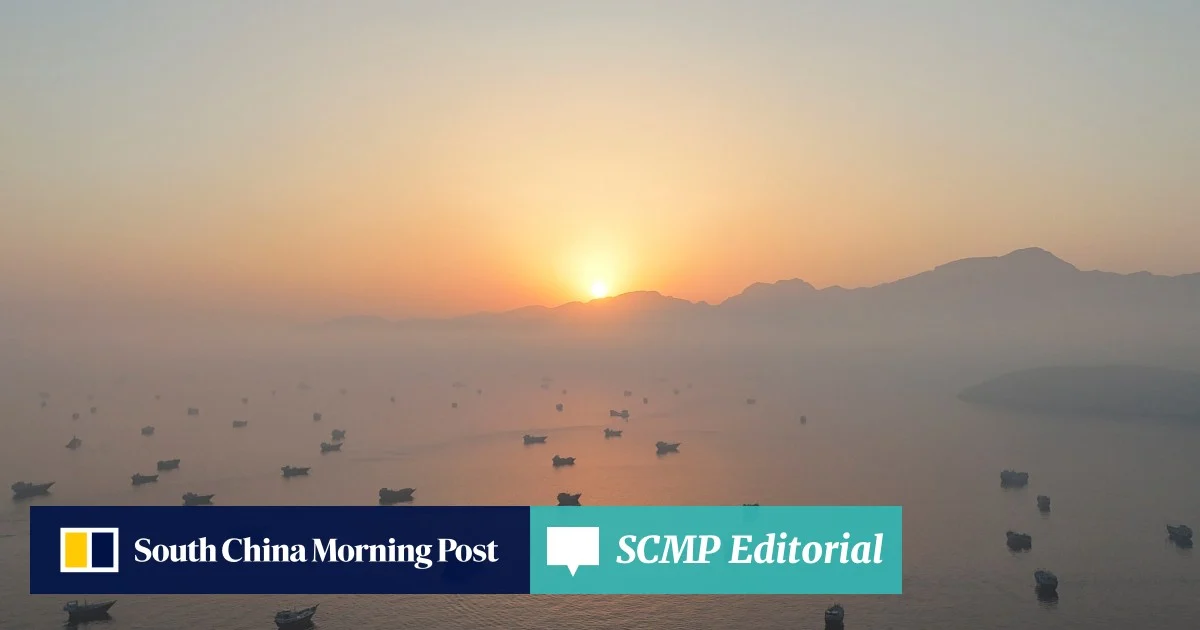
It is clear, though, that the Iranian regime comes out of this war stronger, chiefly because it survived, against all expectations. Also, it showed off its superpower – control over the Strait of Hormuz. The thorniest parts of the negotiation are still to come, and Israel, parts of the Iranian regime, and US politicians from all sides, all have their reasons to reject the agreement. Whatever comes next, though, one thing is certain: The Middle East is in search of new balances, of a credible security architecture. And it is difficult to discern this possibility today.
The Gulf states did not want this war. But when it came, and after they suffered severe damage to their infrastructure, exports, and development model, they wanted to see the end of Iranian bullying in the region. Now they realize that they were relying on an America that could not defeat Iran. And the Iranian regime not only remains in place and will continue to threaten them, but it will also be freed of sanctions, whereas they, the Gulf states, will be weaker: Their units of production and exports were affected, and their customers have learned to use less oil and gas, and have found other suppliers.