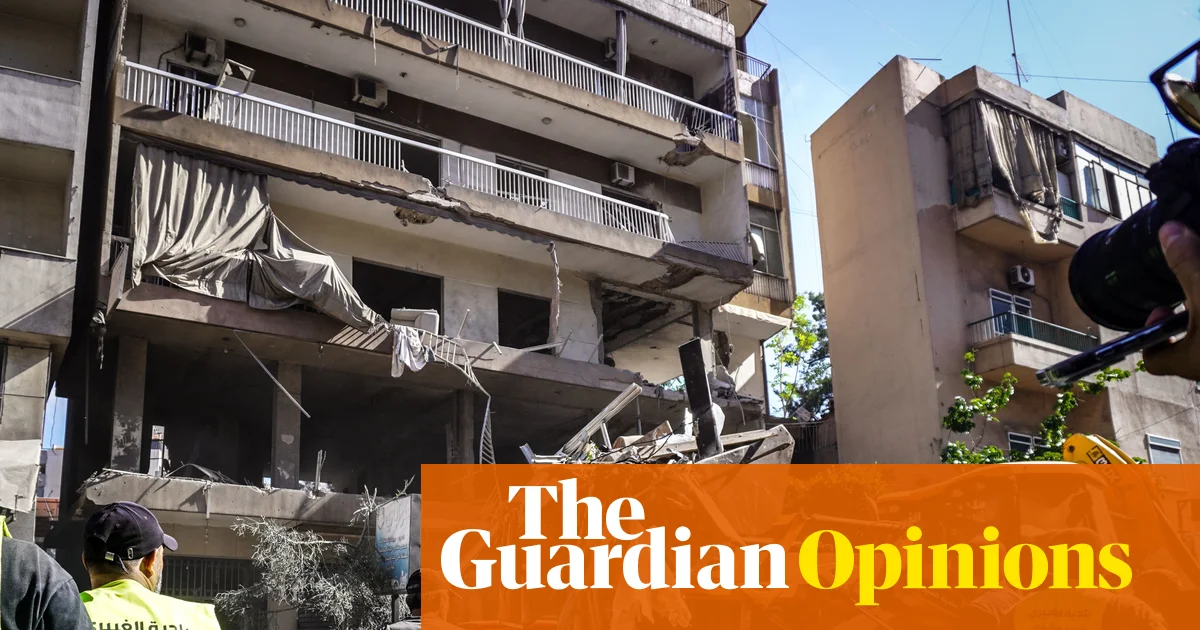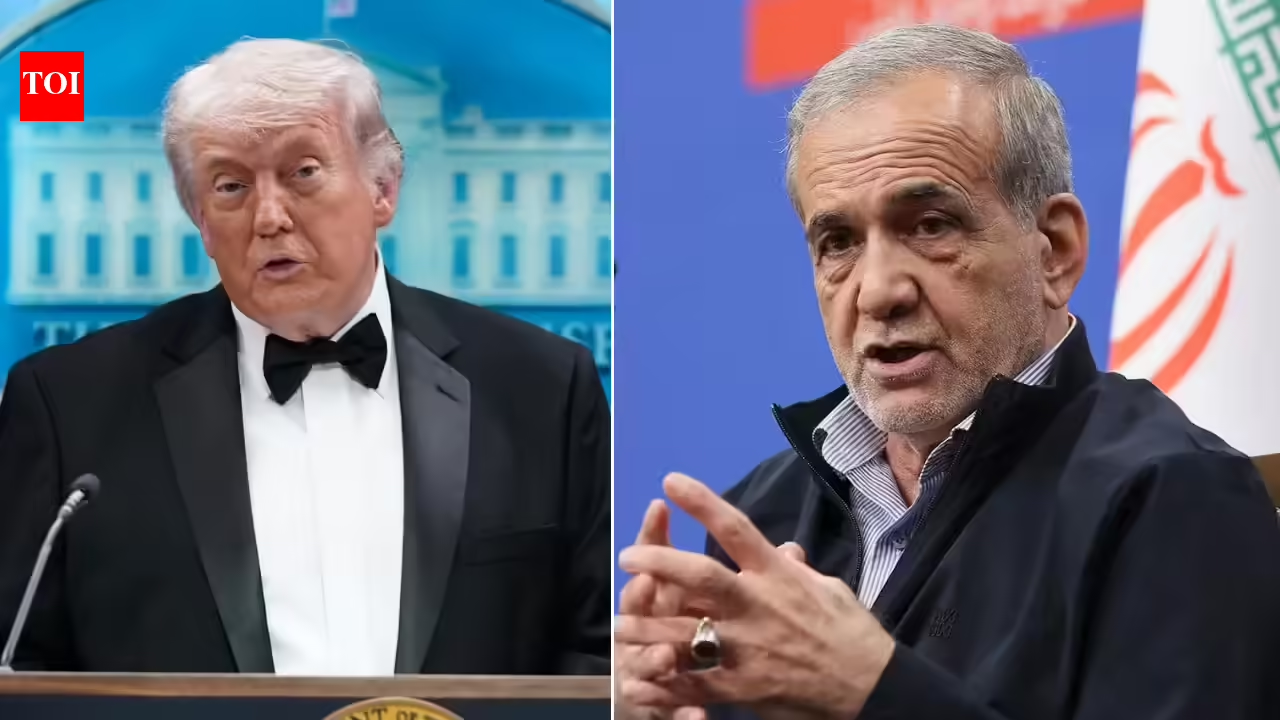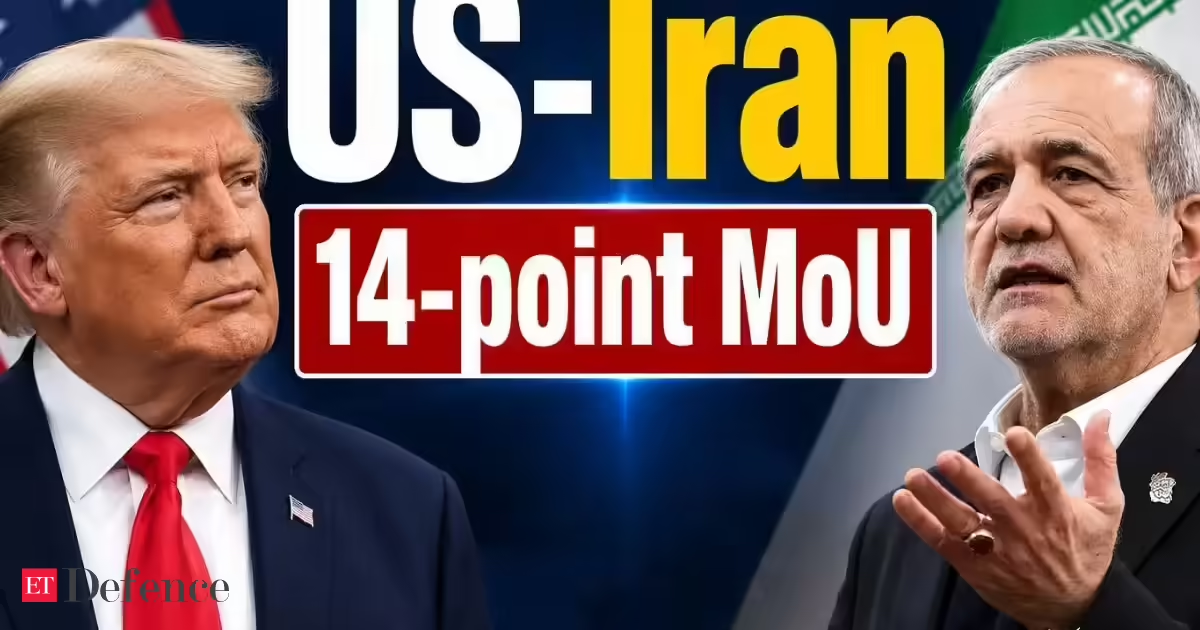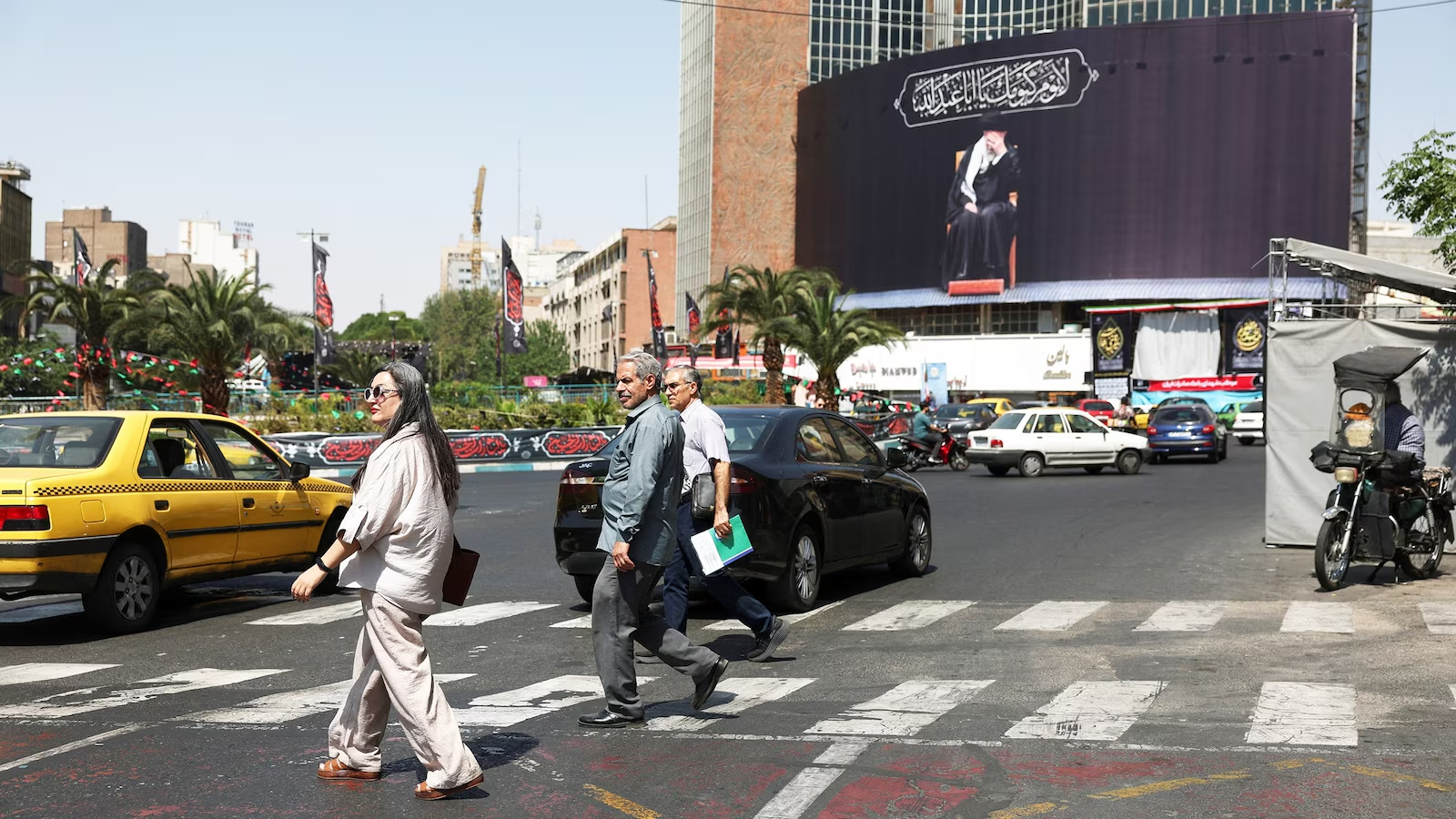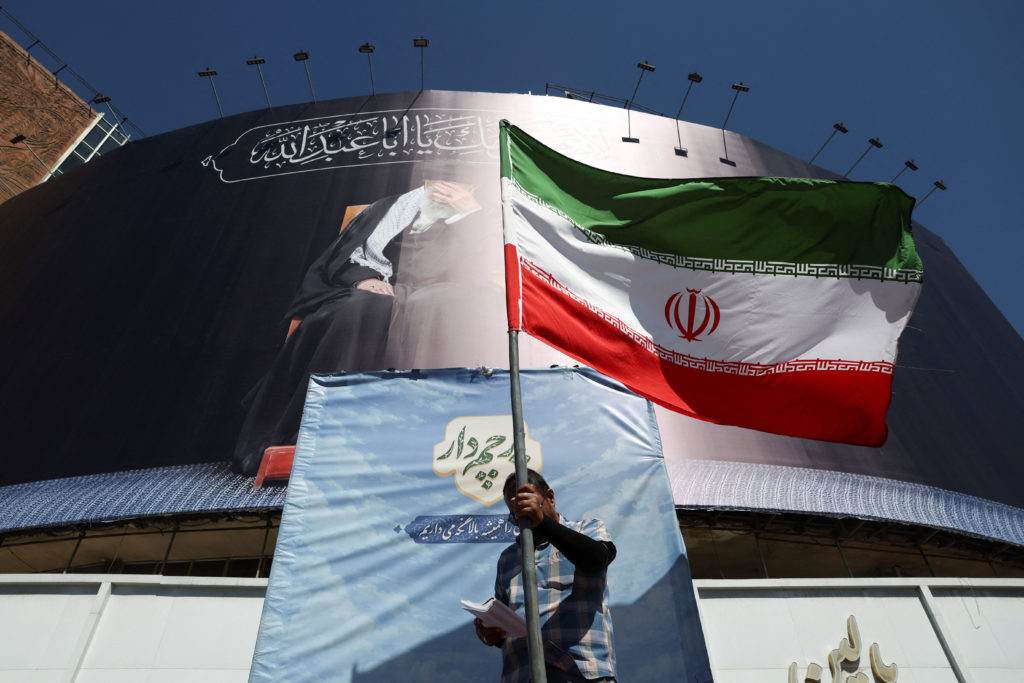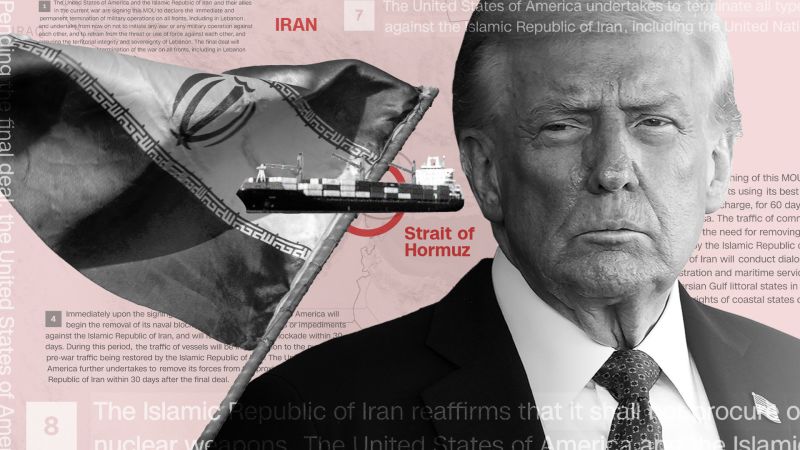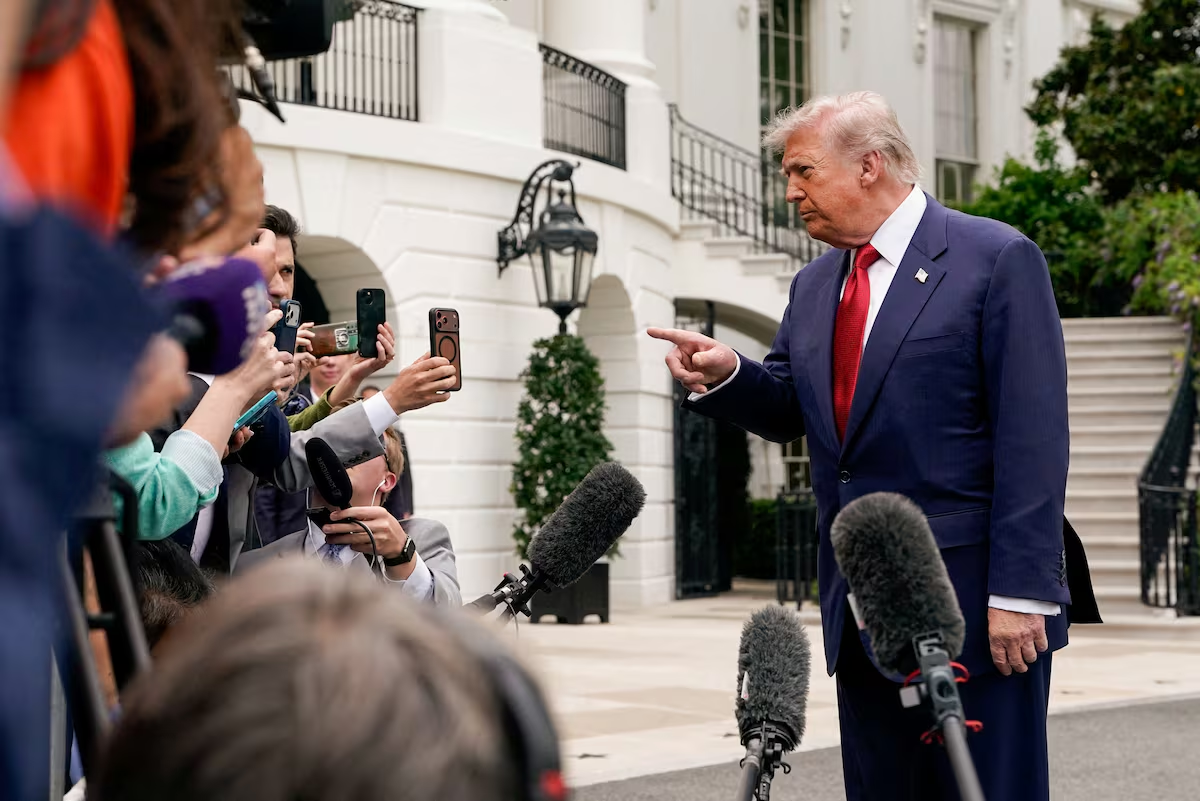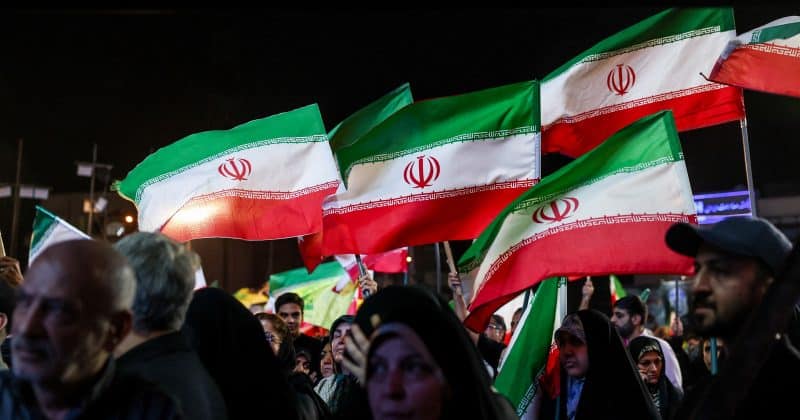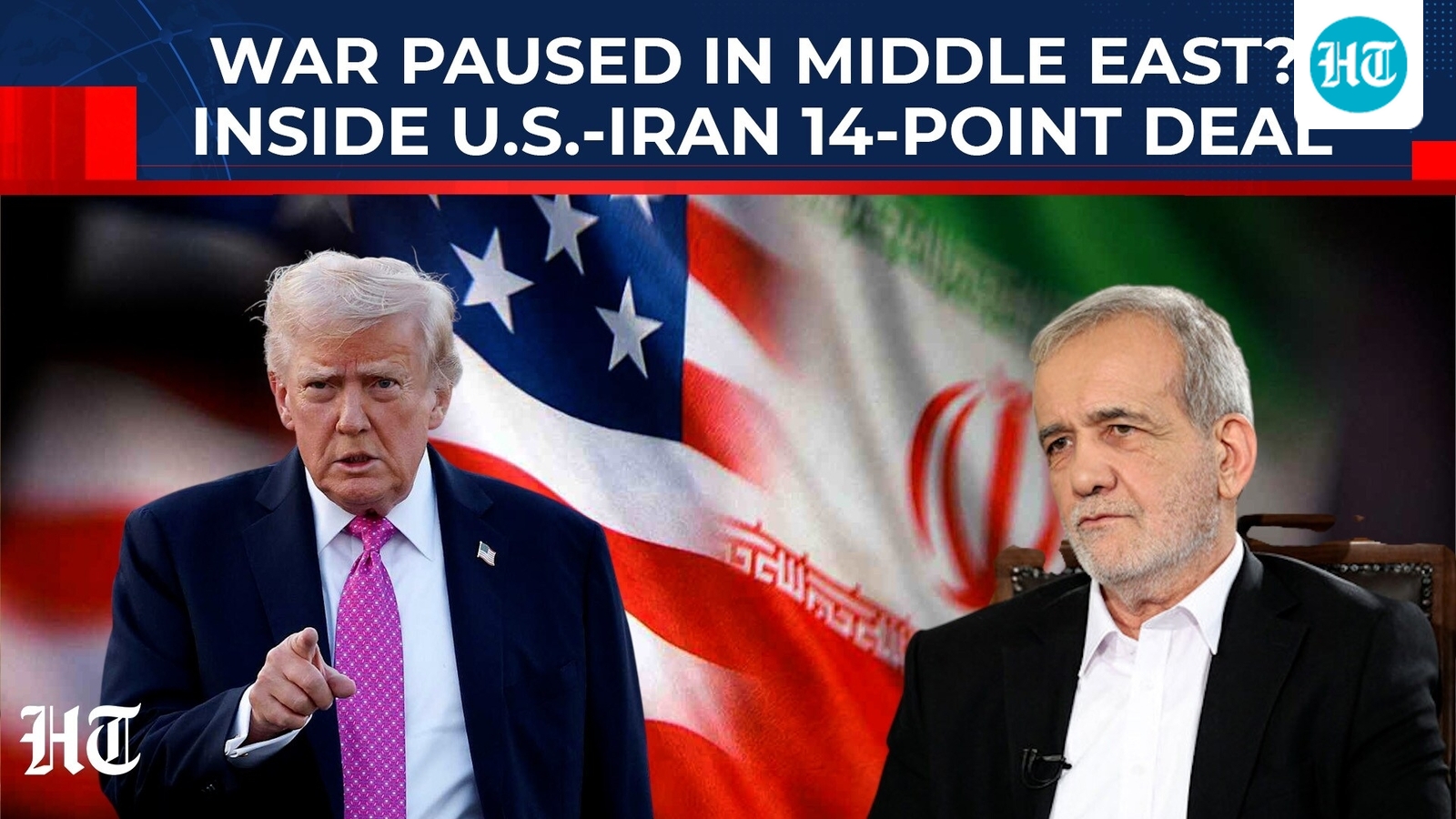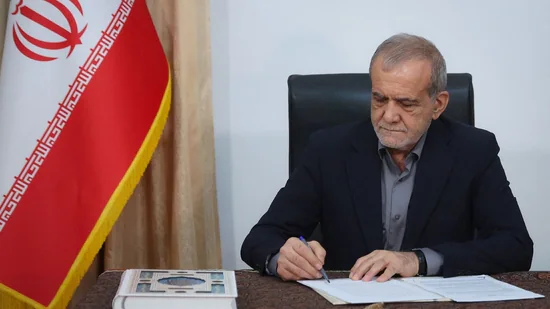
The US and Iran signed a 14-point memorandum of understanding (MoU) on Thursday, which is aimed at suspending the war and paving the way for further negotiations over the next 60 days. For the US, it is an exit deal to avoid another long-term military commitment in West Asia. For Tehran, it is simply victory through survival, with Iran’s post-1979 Islamic Revolution polity managing to cling to power.US President Donald Trump and Iranian President Masoud Pezeshkian signed a memorandum of understanding early on June 18, ending a regional war that erupted on February 28. (AFP)The US-Israel military campaign did yield tactical wins: Iranian military infrastructure is severely damaged and will take years to rebuild as it relied on numbers and not technological edge, and decapitation strikes against the Iranian clerical-political dispensation and military — including top-level leaders of the powerful Islamic Revolutionary Guards Corps (IRGC) — have left the leadership weakened, though the assassination of Supreme Leader Ayatollah Ali Khamenei galvanised warring factions within Iran to believe that the conflict had existential ramifications.While the Iranians had been ideologically preparing for this war for almost half a century, the 2020 assassination of Quds Force chief Qassem Soleimani in a US airstrike in Iraq likely set the scene for the 12-day war in 2025 and the three-month war in 2026. US strikes on Iranian nuclear facilities in 2025 caused significant damage, setting back Tehran’s nuclear programme by years if not decades.Iran’s grip over the Strait of Hormuz jolted global economics. For the country, threats to close off Hormuz were never mere talk. In Tehran’s calculations, its military power was not adequate to challenge American and Israeli technologies. The conflict also became a regional puzzle rather than a bilateral one with US-Israel on one side and Iran on the other. Iran’s shower of missiles and drones on Israel and American strategic locations in the region did much less damage than what it itself suffered at the hands of Israel and the US. So, it chose to make the war a regional one, having threatened this for months before the conflict. Imposing costs on its Gulf neighbours’ energy infrastructure certainly built pressure on the US and Israel.Also Read: With a possible Iran peace deal in near sight, what next as US sun dims in West AsiaNow, the 14-point MoU is the starting point for negotiations. It buys Iran critical time if the concessions highlighted are delivered. The complexities for a broader deal, however, remain palpable. To begin with, the external issues on which the success of this agreement is contingent are too spread out. It would require Israel to align with all parties involved and cease its attacks on Lebanon. This would be a difficult proposition for Israeli Prime Minister Benjamin Netanyahu whose government saw the conflict as a once-in-a-generation opportunity to neutralise the Iranian threat. With Trump initially on his side, Netanyahu launched a maximalist operation that included occupying territory in southern Lebanon. Iran has made Lebanon’s interests a core deliverable for the deal, and Trump seems to be toeing the line. He criticised Israel and Netanyahu personally in the run-up to the signing of the agreement, in an attempt to keep its prospects alive.From Iran’s strategic-interests perspective, whether it is the Strait of Hormuz or Lebanon, external leverage it has built over the past decades paid off. That said, from the selection of Mojtaba Khamenei as the next Ayatollah in a system where nepotistic handing down of power has always been rejected to the IRGC doubling down on its influence in Iran’s political governance system — under a weak and perhaps even an incapacitated spiritual leader — are political realities that will need internal management. More so, at a time when internal trust seems low. These fissures often played out in public — from foreign minister Abbas Araghchi’s disagreement with the military to President Masoud Pezeshkian condoning his own military’s heavy-handedness against Qatar, along with deep penetration of the country’s polity by intelligence agencies such as those of Israel. Iran wrangling a deal without collapsing is thus notable.The Iran-US story is certainly not over. The next 60 days will keep West Asia on the edge; resumption of warfare cannot be ruled out in the future. Two things are certain, though. First, the US has little appetite left for a prolonged war, especially when the political aims are far-fetched. Second, Tehran under the legatees of the Islamic Revolution is a survivor-State reality for the region and will have to be approached accordingly.Kabir Taneja is the executive director of the Observer Research Foundation Middle East. The views expressed are personal
Peace deal a way to avoid conflict for US, strengthens Iran’s hand in West Asia
For the US, it is an exit deal to avoid another long-term military commitment in West Asia. For Tehran, it is simply victory through survival.
766 words~3 min read