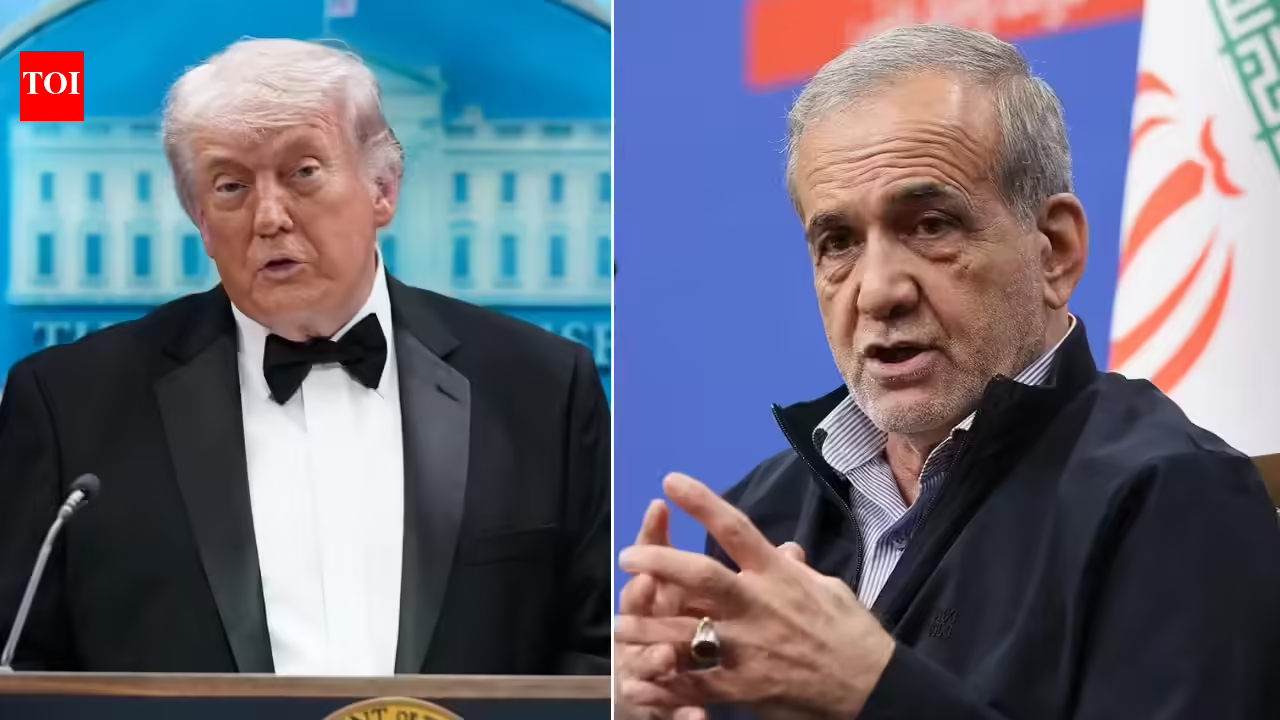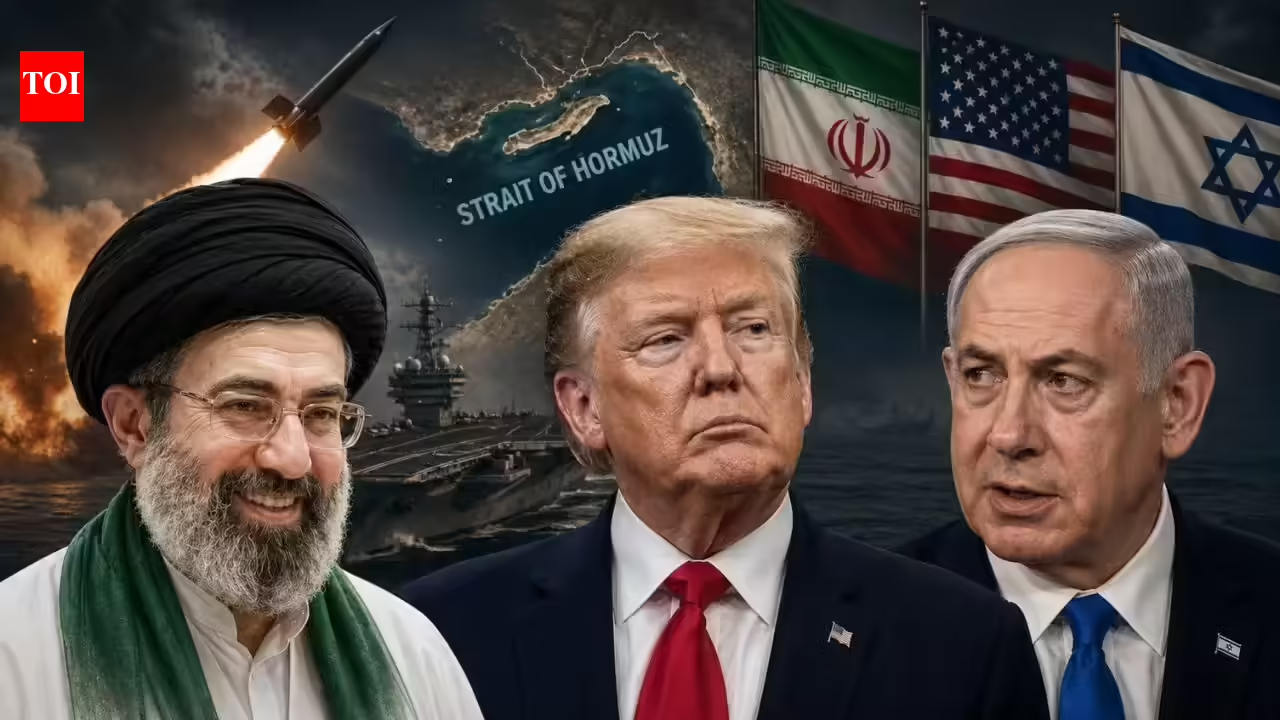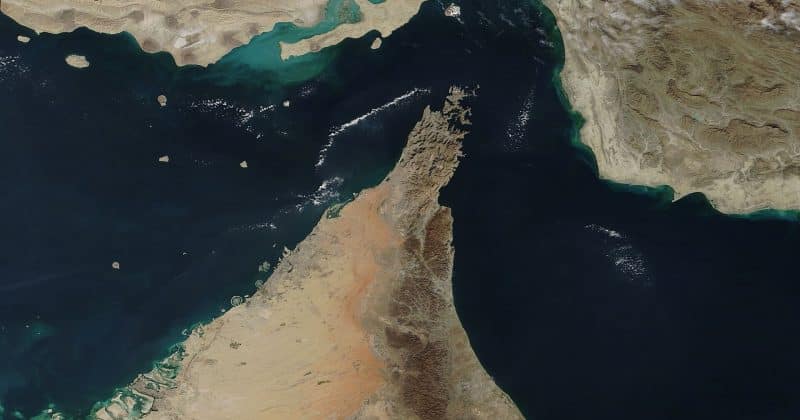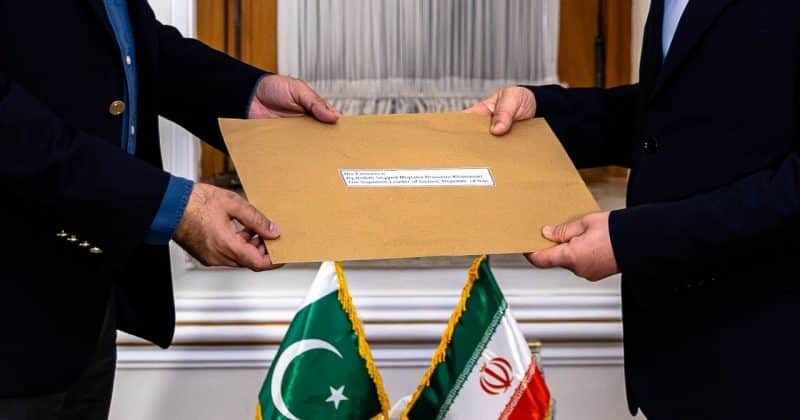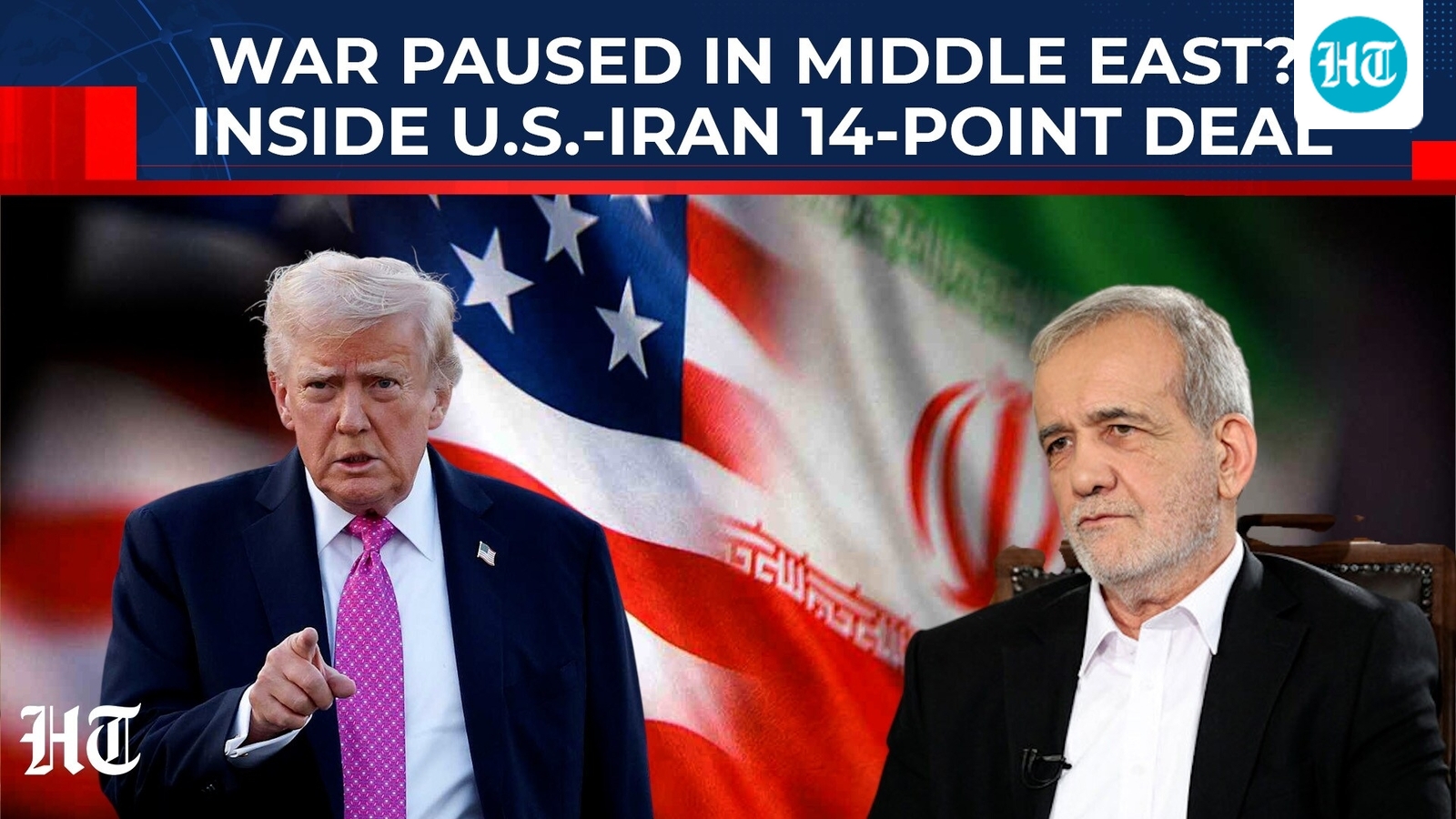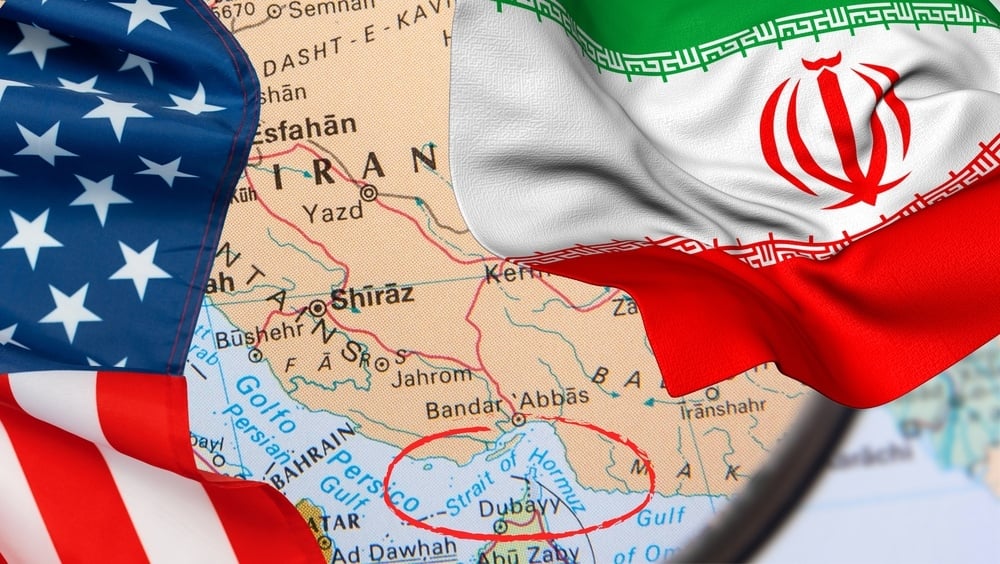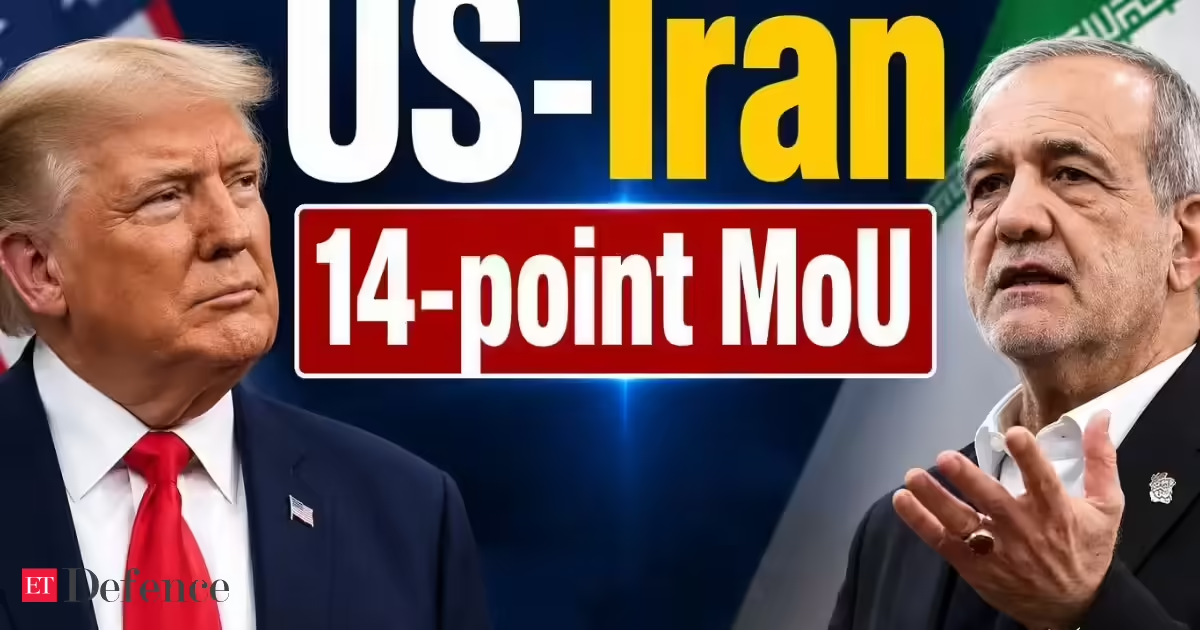
The United States and Iran have signed a 14-point memorandum of understanding (MoU) that could mark a major step towards ending military tensions and restarting economic cooperation between the two countries. Signed virtually by US President Donald Trump and Iranian President Masoud Pezeshkian, the framework agreement lays out plans for sanctions relief, reopening the Strait of Hormuz, releasing frozen Iranian assets and launching negotiations on Tehran's nuclear programme.However, the agreement is not yet final. Both sides have 60 days to negotiate a comprehensive deal, and officials acknowledge that significant hurdles remain. According to Reuters, a US official said upcoming talks would focus on the sequence of commitments outlined in the preliminary accord."I think the meeting in Switzerland will be quite critical in order to really see how we get to the next phase," the official said."It has to be a situation where both parties... agree on the full magnitude of what both parties are going to do, and then come up with a sequencing agreement on who's going to do what when, and that's really where the crux of the negotiations will go." Iran sanctions relief: What Tehran could gainOne of the biggest incentives for Iran is the prospect of sanctions relief. Under the MoU, Washington would work towards lifting a wide range of sanctions, including unilateral US measures as well as restrictions linked to the United Nations Security Council and the International Atomic Energy Agency (IAEA).The agreement would also allow Iranian crude oil exports, petroleum products and associated banking, insurance and transport services to resume through a system of waivers."The United States of America undertakes to terminate all types of sanctions against the Islamic Republic of Iran, including the United Nations Security Council resolutions, IAEA Board of Governors resolutions, and all unilateral US sanctions, primary and secondary, in an agreed upon schedule as part of the final deal," the MoU states.For Tehran, the move could help revive trade, attract investment and ease years of economic pressure.Release of frozen Iranian assetsThe proposed agreement also includes provisions for releasing Iranian funds and assets that have been frozen or restricted abroad.According to the MoU, these assets would become available for use once the agreement is implemented, with procedures to be finalised during negotiations."The United States of America undertakes to make fully available for use the frozen or restricted funds and assets of the Islamic Republic of Iran upon the implementation of this MOU."Access to these resources could provide a significant boost to Iran's economy.$300 billion reconstruction and economic development planAnother major element of the framework is a commitment to create an investment and reconstruction programme worth at least $300 billion.The plan would be developed jointly by the United States and regional partners, with implementation mechanisms to be agreed upon as part of the final deal."The United States of America undertakes with regional partners to develop a definitive, mutually agreed plan with at least $300 billion for the reconstruction and economic development of the Islamic Republic of Iran."If implemented, the initiative could become one of the largest economic cooperation programmes involving Iran in recent decades.US naval blockade removal and military de-escalationThe agreement also outlines steps aimed at reducing military tensions. Washington has committed to removing its naval blockade and ending activities that interfere with Iranian maritime operations."Immediately upon the signing of this MoU, the United States of America will begin the removal of its naval blockade and any disturbances or impediments against the Islamic Republic of Iran."The document further states that US forces would be withdrawn from areas near Iran within 30 days after a final agreement is reached.For Tehran, these measures would represent a significant reduction in military pressure.Iran nuclear programme: What changes under the MoU?The nuclear issue remains central to the negotiations. Iran has reaffirmed that it will not pursue nuclear weapons and has agreed to discuss arrangements for its stockpile of enriched material under IAEA supervision."The Islamic Republic of Iran reaffirms that it shall not procure or develop nuclear weapons."The two sides will also negotiate the future of Iran's enrichment programme and broader nuclear activities as part of the final agreement.Until then, the status quo will largely remain in place, with Iran freezing nuclear activities at current levels and the United States refraining from introducing new sanctions.Strait of Hormuz reopening: Why it mattersFor Washington and the wider global economy, one of the most significant outcomes could be the restoration of shipping through the Strait of Hormuz.The strategic waterway handles a substantial share of global oil and gas shipments and has been a source of concern during periods of regional tension.Under the MoU, Iran has agreed to facilitate safe passage for commercial vessels for an initial 60-day period."Upon the signing of this MOU, the Islamic Republic of Iran will make arrangements using its best efforts for the safe passage of commercial vessels with no charge, for 60 days only."The agreement also calls for discussions with Oman and other Gulf states regarding the future administration and maritime services of the strait.What the United States stands to gainFor Washington, the agreement offers an opportunity to address concerns over Iran's nuclear programme through diplomacy rather than military confrontation.The reopening of the Strait of Hormuz could also help stabilise global energy markets and reduce risks to international shipping.In addition, the MoU proposes the creation of a monitoring mechanism to oversee implementation and future compliance."The United States of America and the Islamic Republic of Iran agree that an executive mechanism will be established to monitor the successful implementation of this MOU and the future compliance of the final deal."Final agreement still faces hurdlesWhile the memorandum outlines an ambitious framework, many of the most difficult issues remain unresolved.The two countries still need to agree on the timing of sanctions relief, nuclear restrictions, economic cooperation measures and security guarantees.The coming weeks of negotiations will determine whether the preliminary understanding can evolve into a lasting agreement.For now, the MoU offers a roadmap towards reduced tensions, economic recovery and diplomatic engagement, but its success will ultimately depend on whether both sides can translate promises on paper into actions on the ground.Inputs from TOI
$300 billion, sanctions relief, Hormuz reopening: Who gets what in the US-Iran peace deal?
US-Iran Peace MoU: The US and Iran have signed a preliminary 14-point memorandum of understanding, outlining plans for sanctions relief, economic cooperation, and de-escalation of military tensions. The agreement includes provisions for releasing frozen assets and reopening the Strait of Hormuz, with both nations entering a 60-day negotiation period to finalize a comprehensive deal.
1,013 words~5 min read