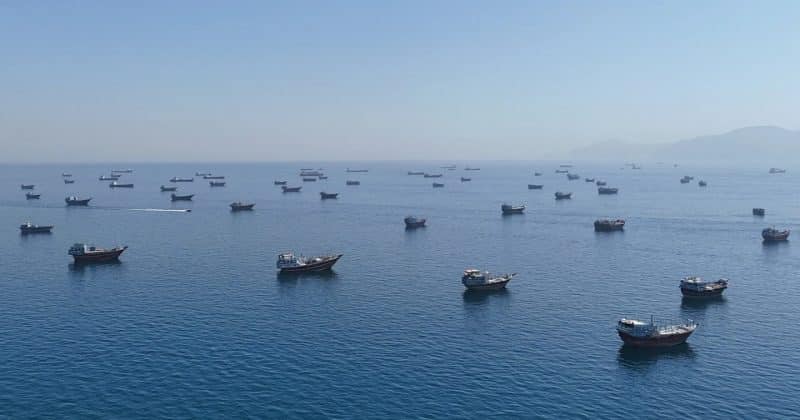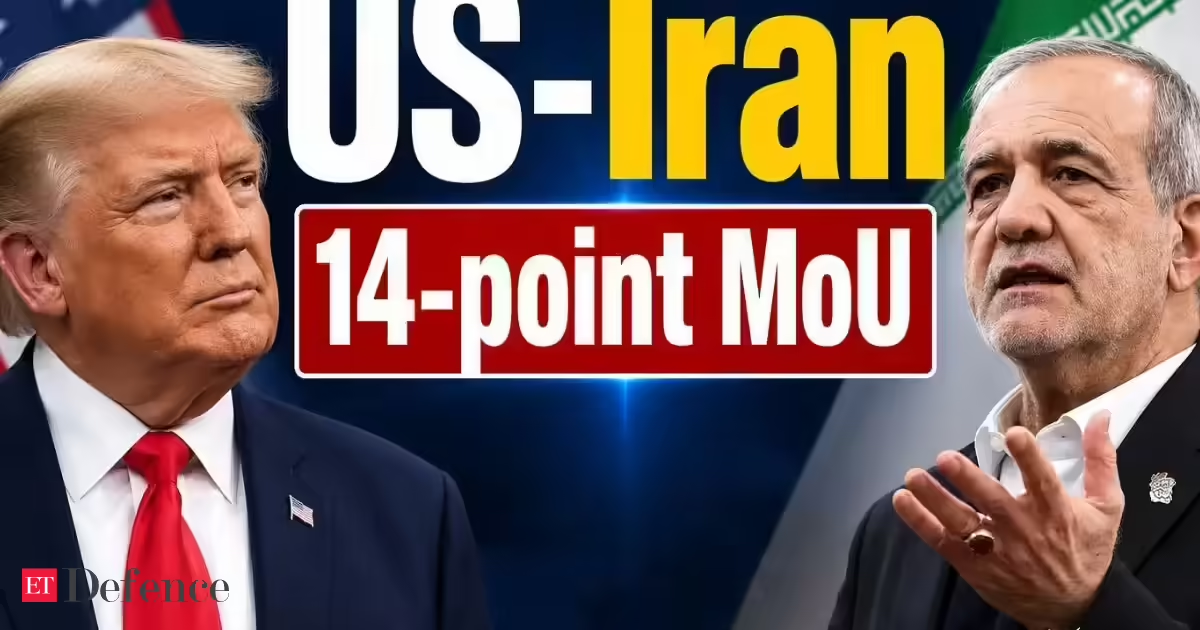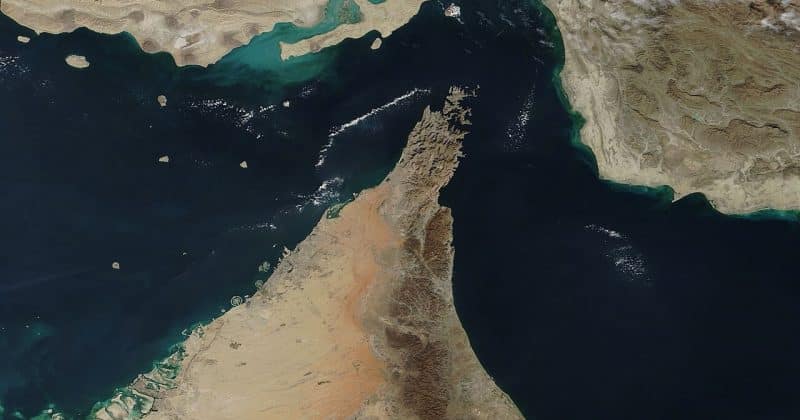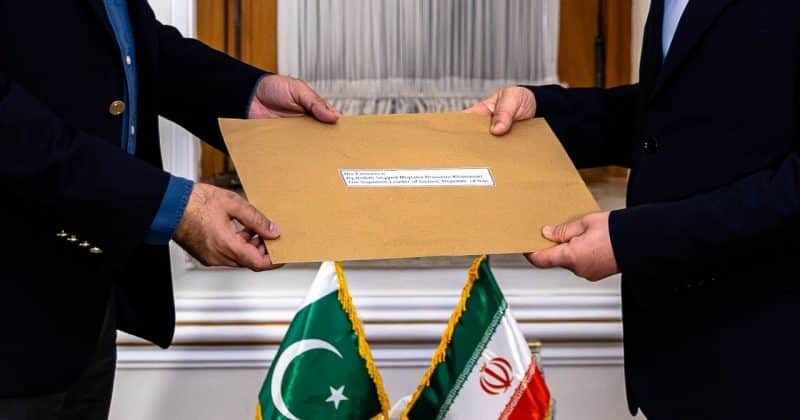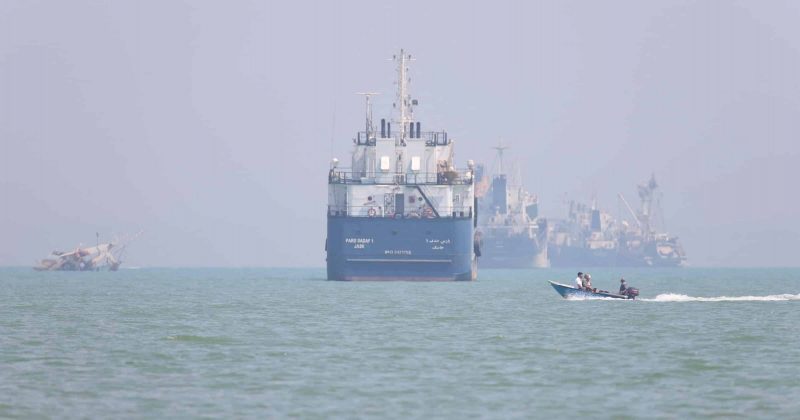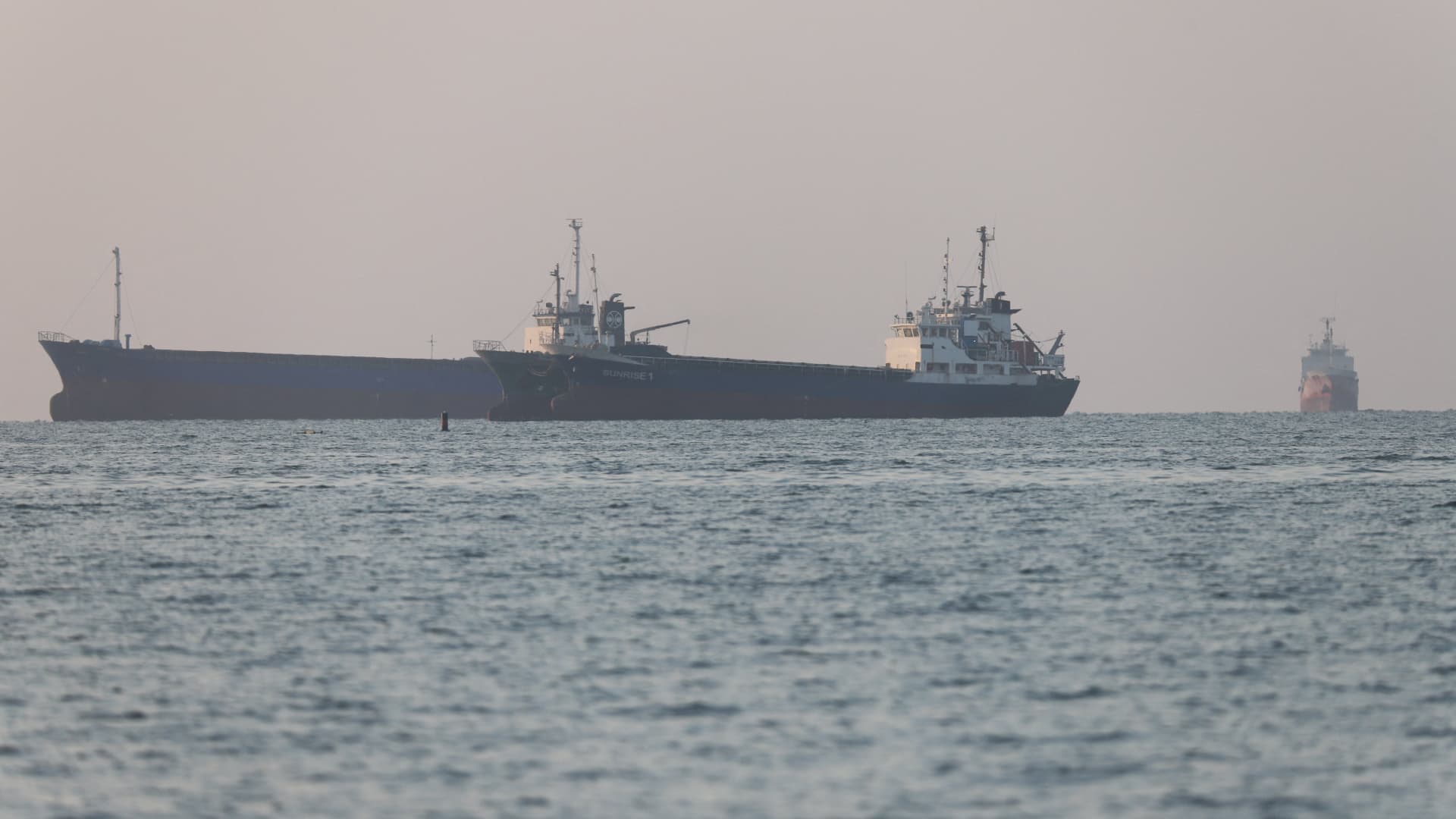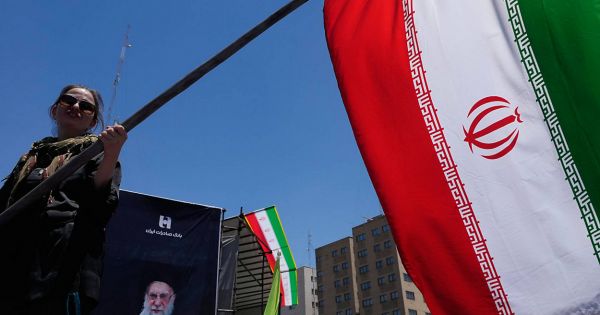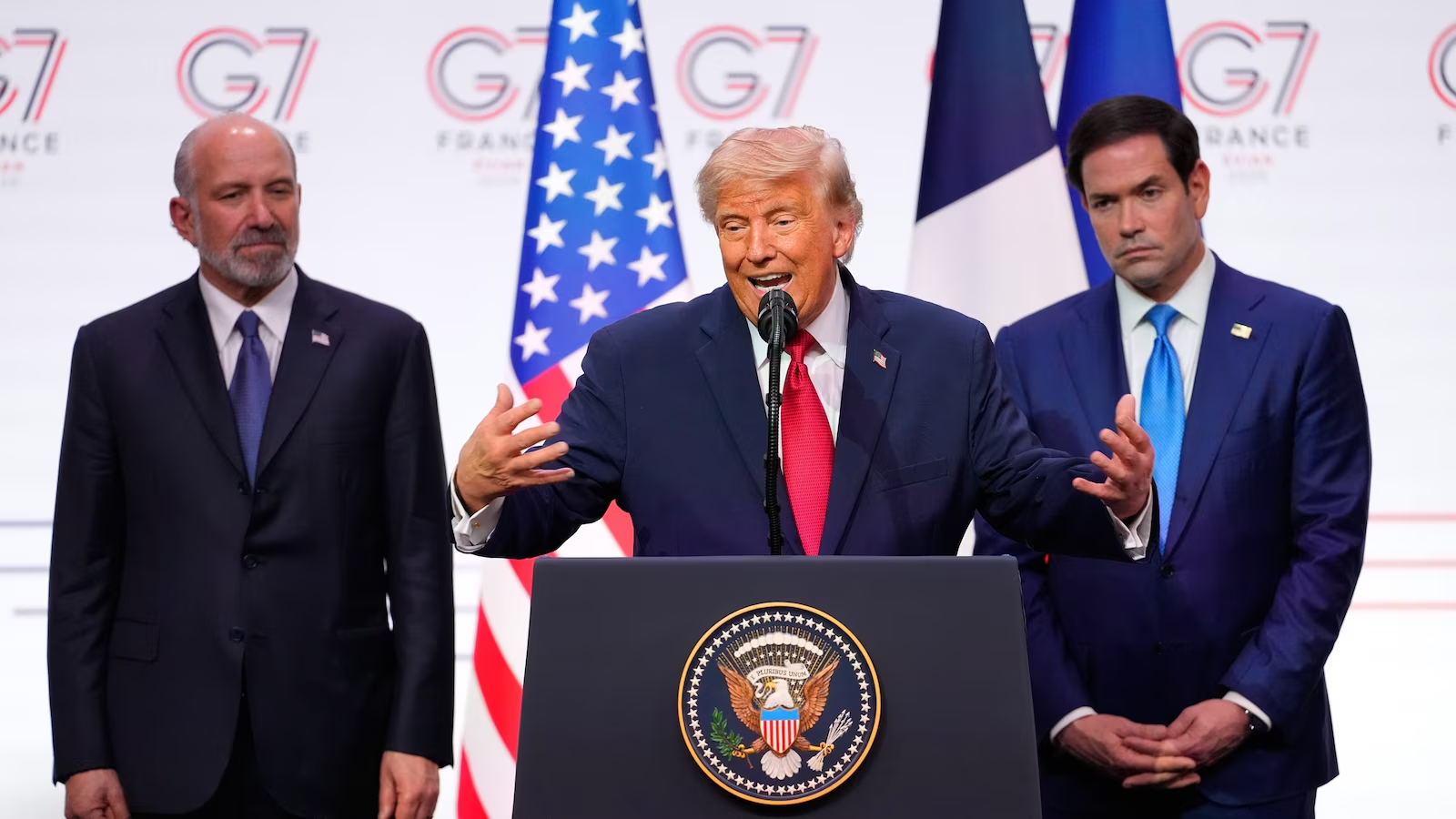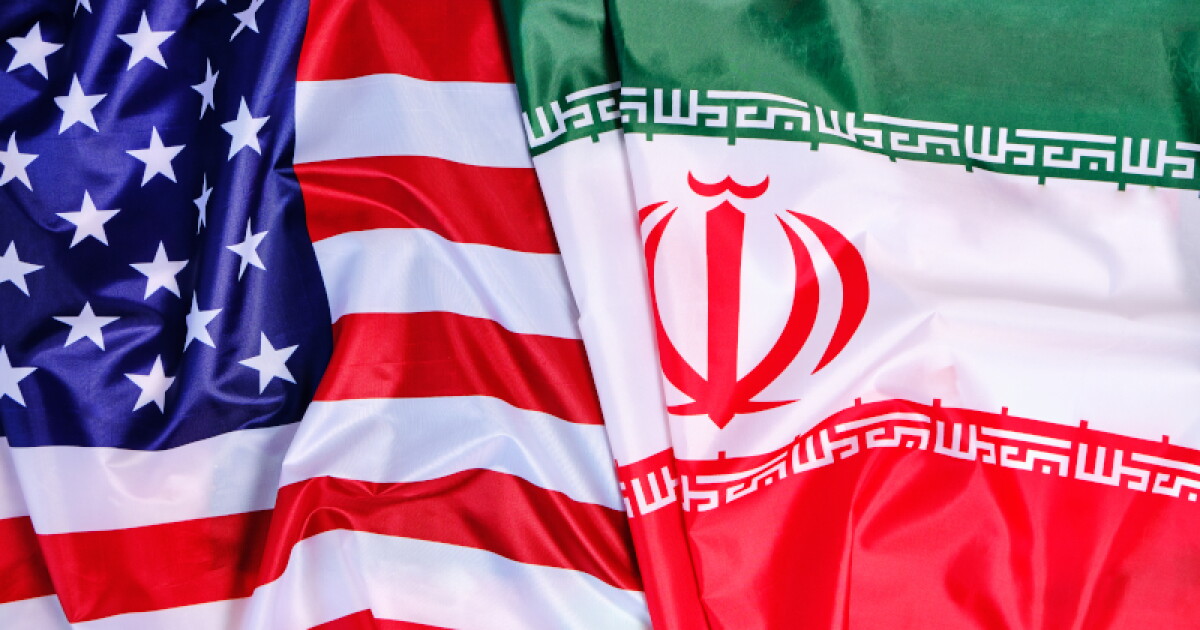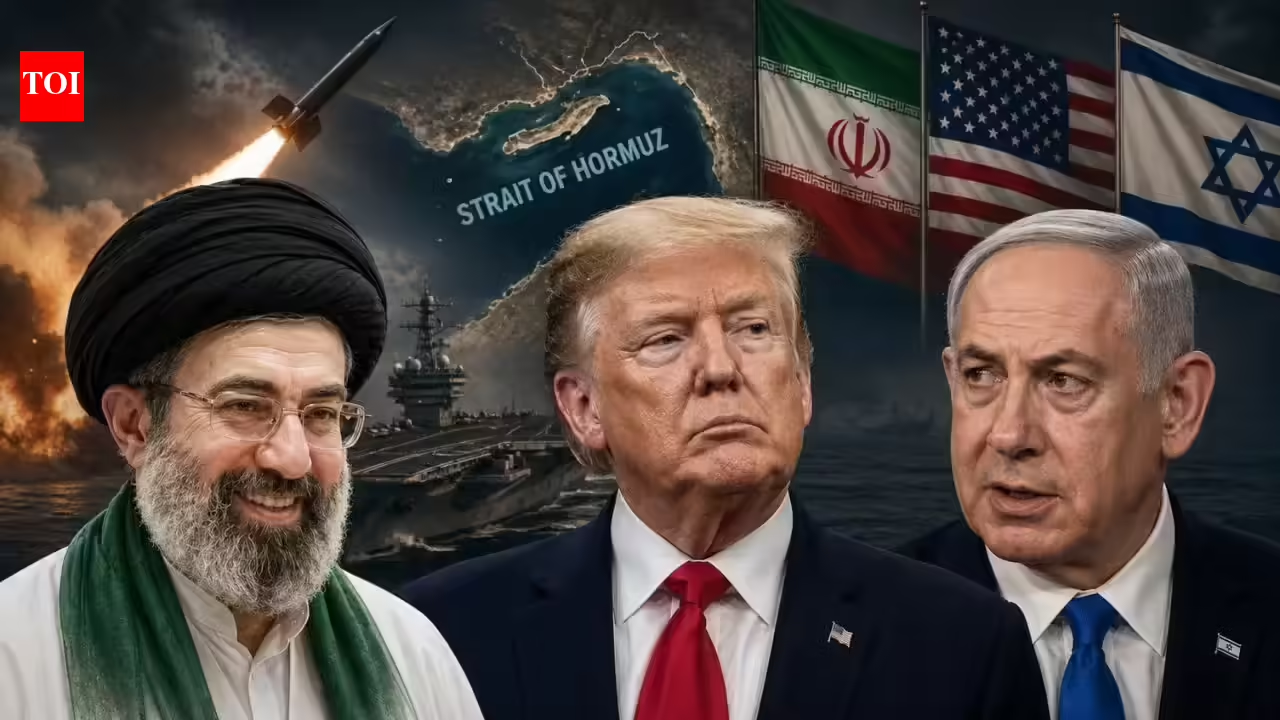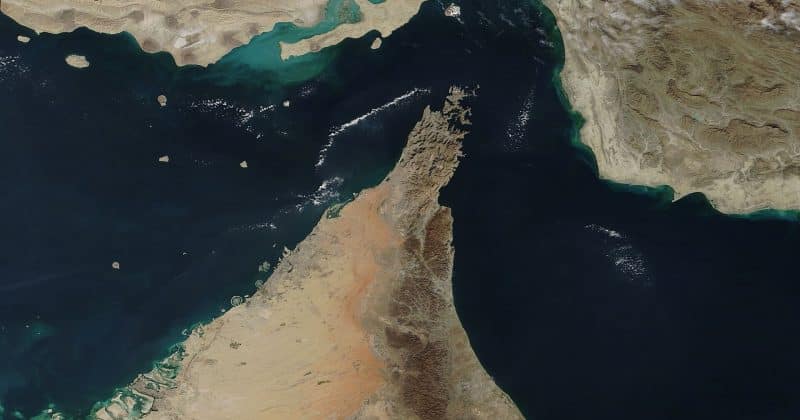
The United States and Iran have signed a 14-point memorandum of understanding that trades American sanctions relief for the reopening of the Strait of Hormuz, the narrow waterway that carried roughly 20% of the world’s oil traffic before the conflict shut it down.
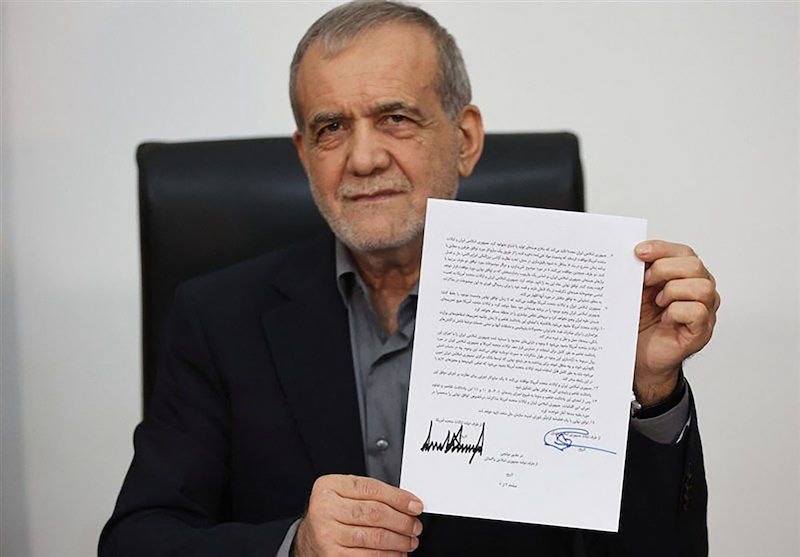
The MOU, signed between June 14 and 18, 2026, by President Donald Trump and Iranian President Masoud Pezeshkian, is not a peace treaty. It is a 60-day arrangement designed to buy time for deeper negotiations on the issues that actually matter: Iran’s nuclear program, billions in frozen Iranian assets, and the regional hostilities that have drawn in Lebanon.
What the deal actually says
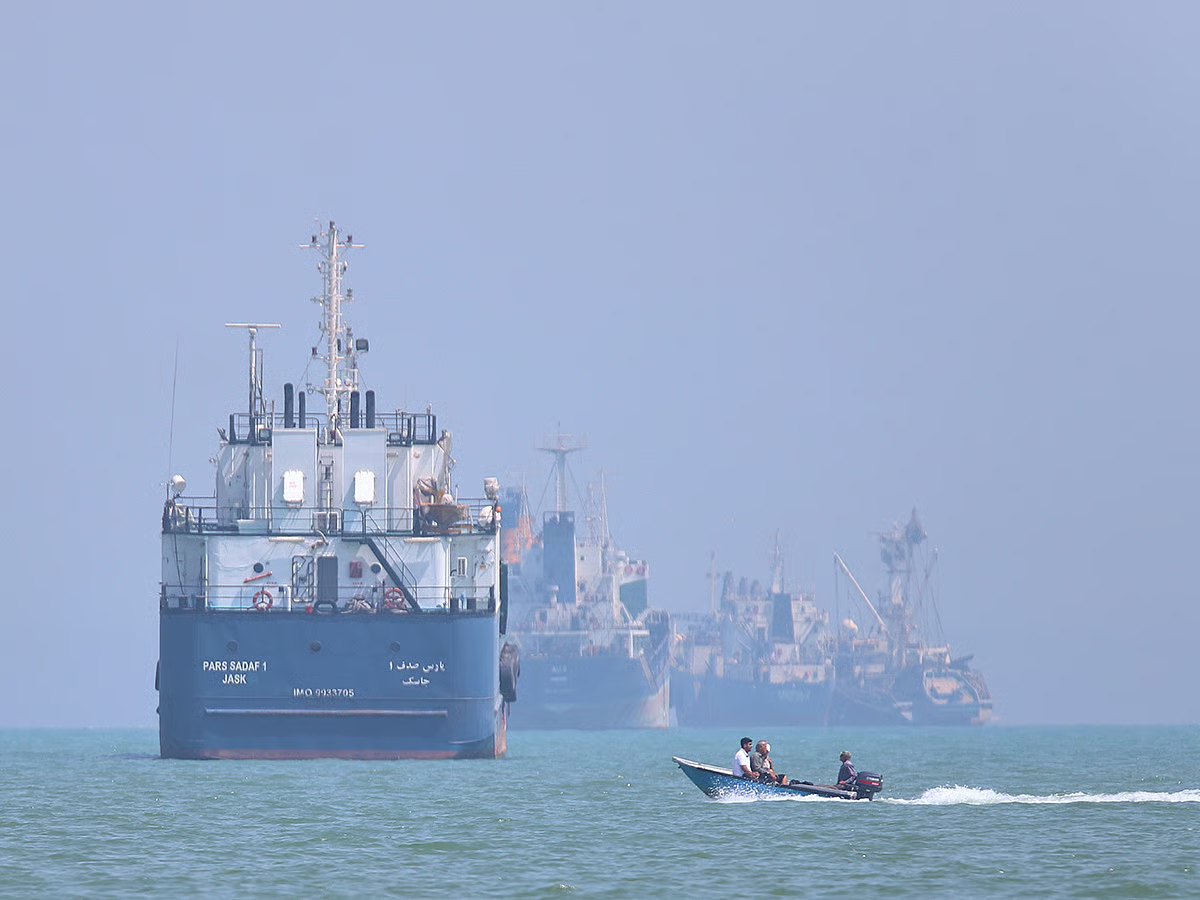
The agreement’s centerpiece is commercial shipping. Iran has committed to allowing vessels toll-free passage through the Strait of Hormuz for 60 days. In return, the US will immediately begin lifting its naval blockade and waiving sanctions on Iranian oil exports.
The MOU outlines a proposed $300 billion US-backed reconstruction fund for Iran. The deal follows a temporary ceasefire announced in April 2026, meaning the two sides have been feeling their way toward this agreement for roughly two months. The 60-day negotiation window now sets a clock ticking on the harder questions: What happens with Iran’s nuclear ambitions? How are frozen assets unwound? What does a lasting arrangement in Lebanon look like?