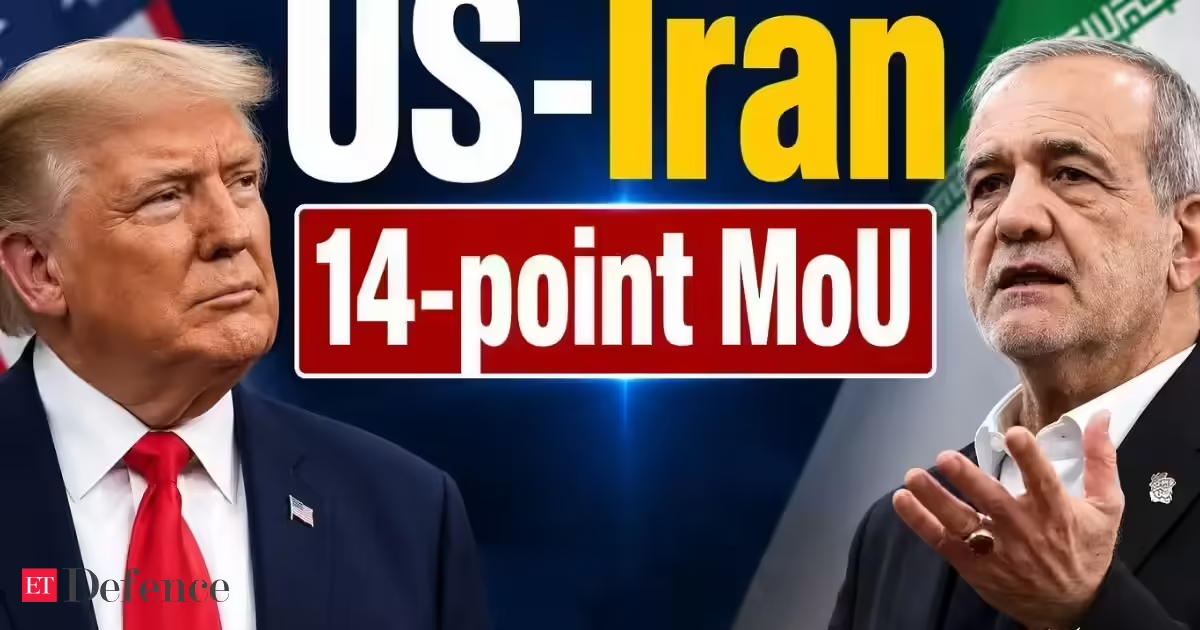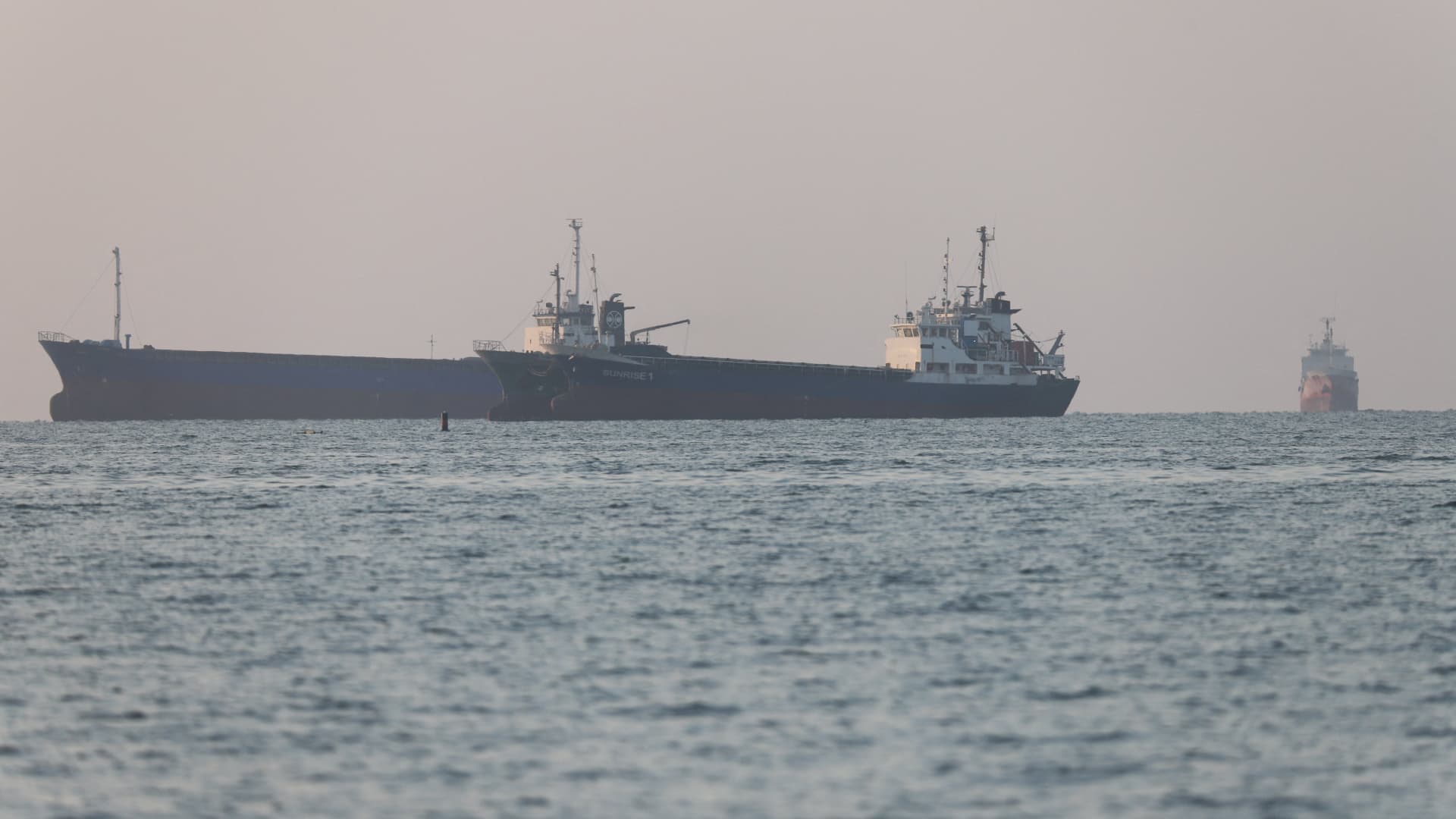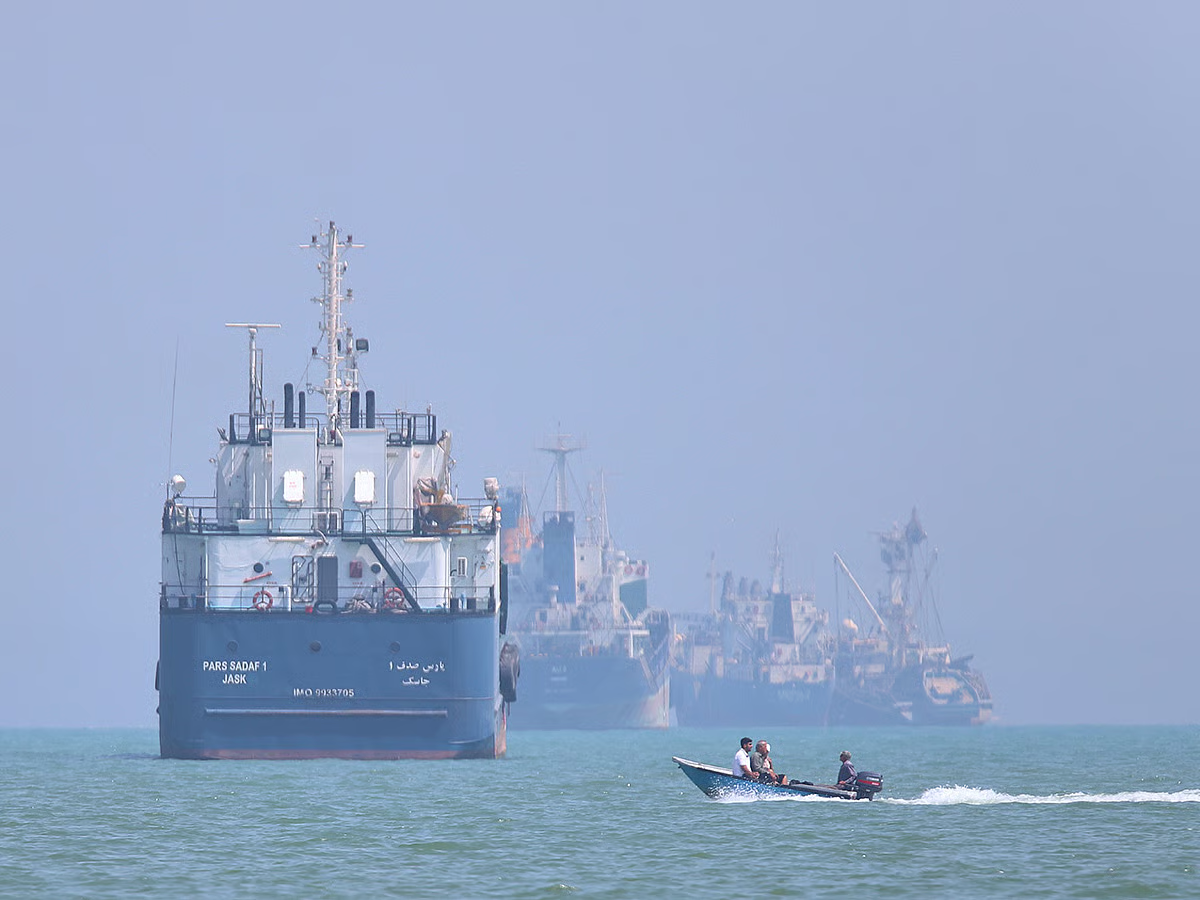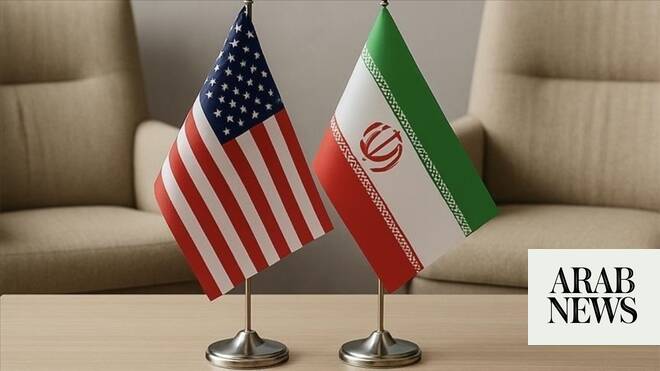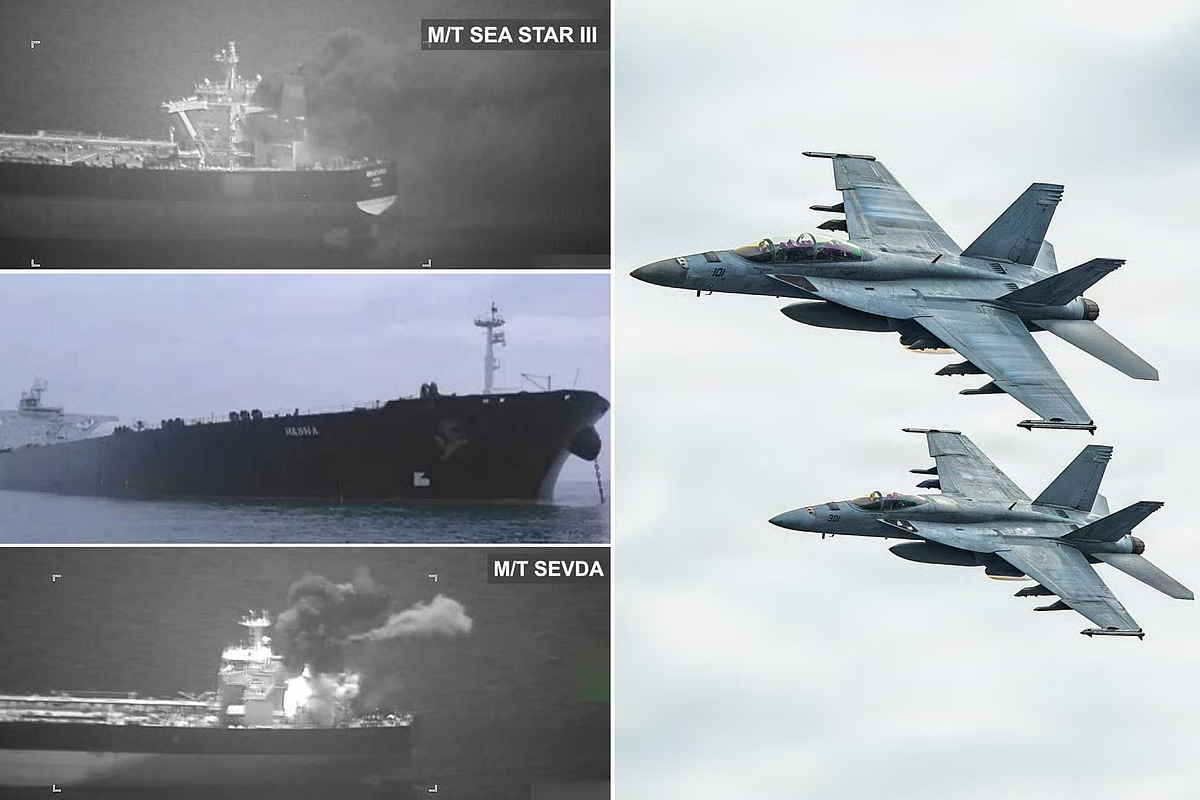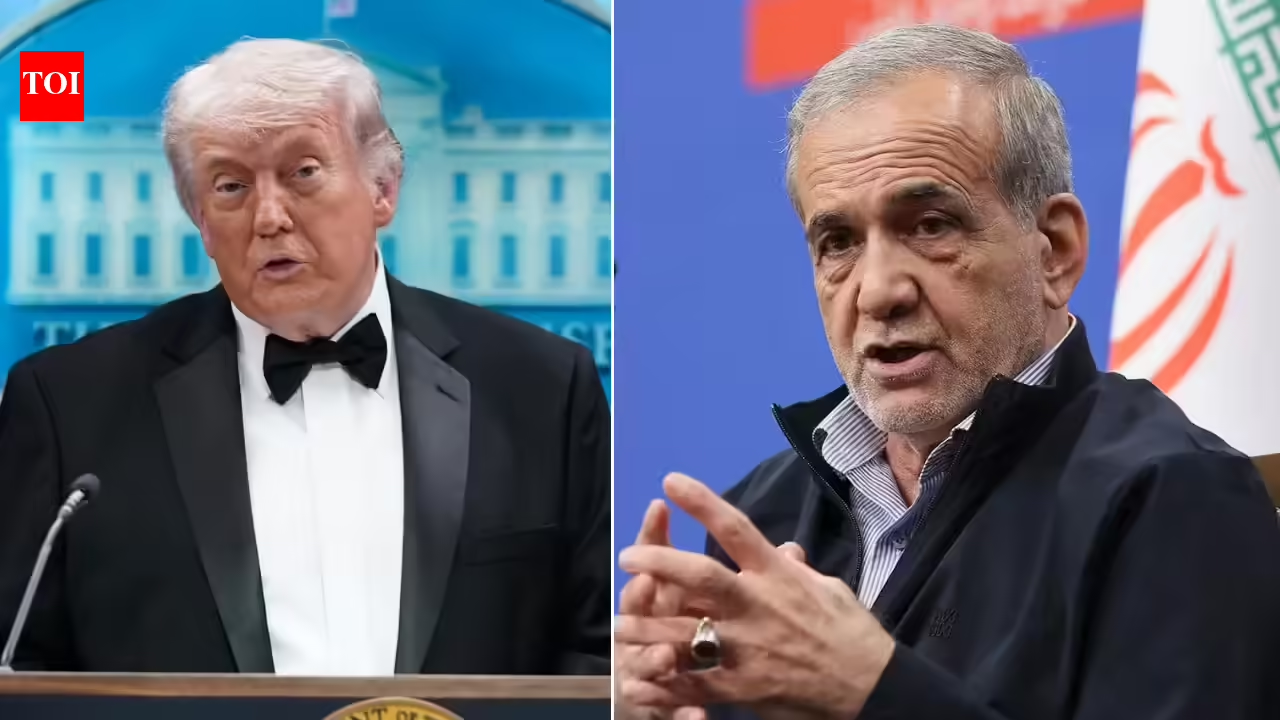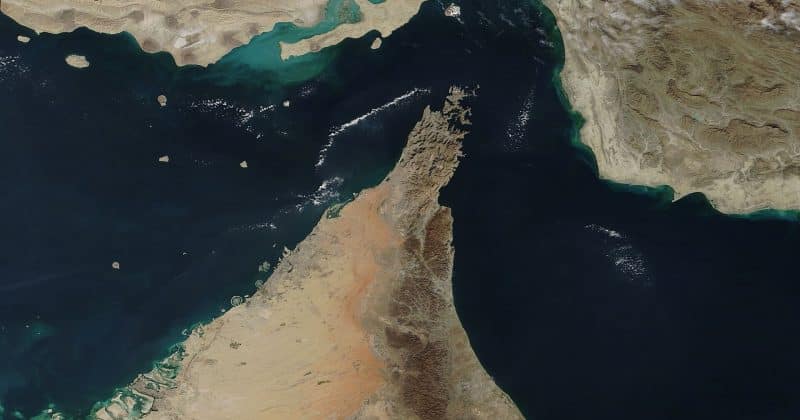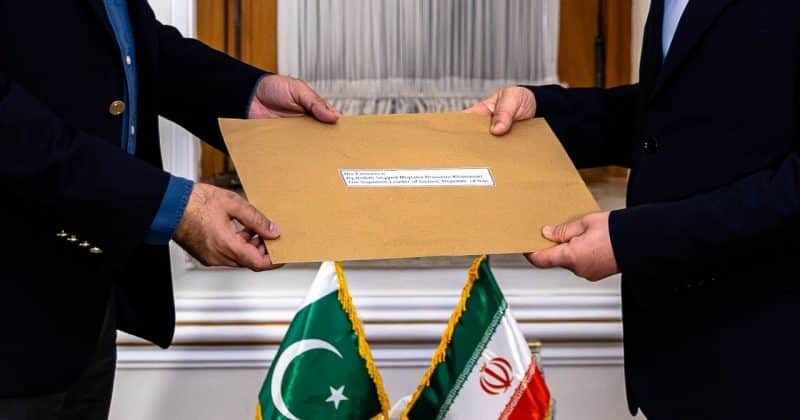
The White House confirmed the US has signed a memorandum of understanding with Iran to reopen the Strait of Hormuz and lift the naval blockade implemented in April 2026. The catch: sanctions relief and frozen assets, estimated between $6B and $25B, won’t be released until Iran demonstrates compliance.
What the MOU actually does
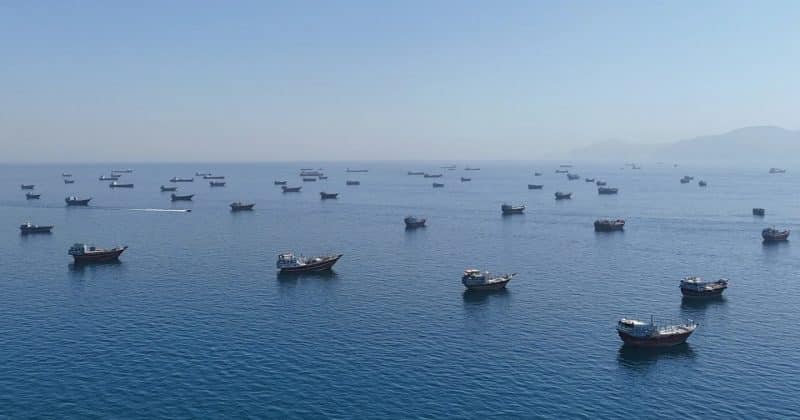
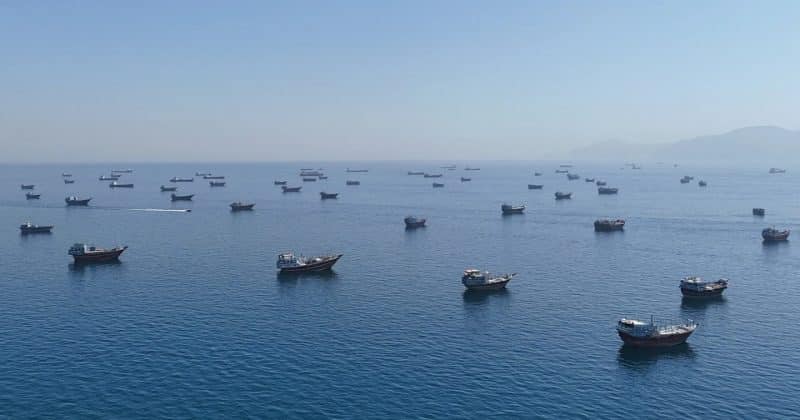
The agreement calls for toll-free reopening of the Strait of Hormuz within 30 days. Roughly 20% of the world’s oil passes through that narrow waterway.
Under the MOU’s terms, Iran will receive temporary oil export waivers based on its behavior during a 60-day negotiation window focused on nuclear issues. The frozen assets stay frozen for now, with no upfront release before Iran meets its benchmarks.
The ceasefire framework also extends to Lebanon and includes discussions around Iran’s enriched uranium stockpile and inspections. Competing drafts from mediating nations like Pakistan and Qatar have added complexity to the negotiations. Iran had previously floated proposals around mining rights and toll collection at the strait, both of which appear to have been rejected in the final framework.