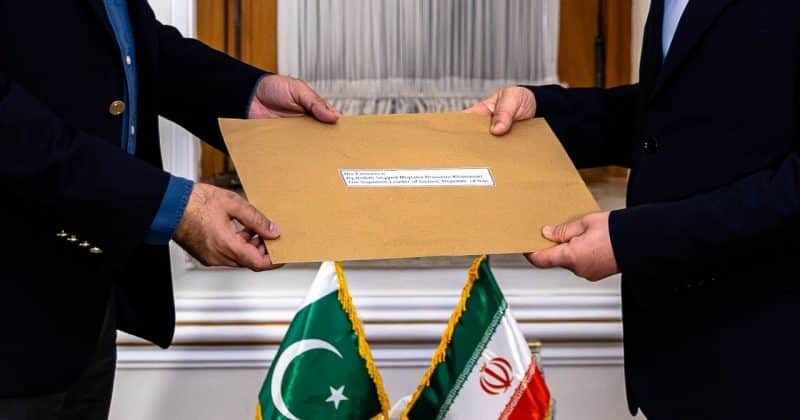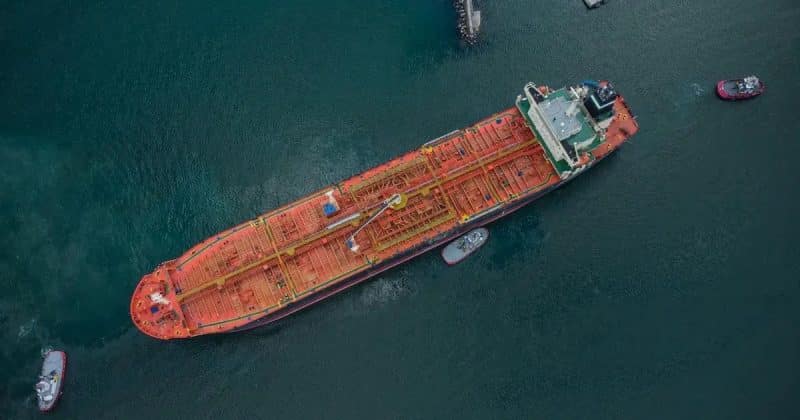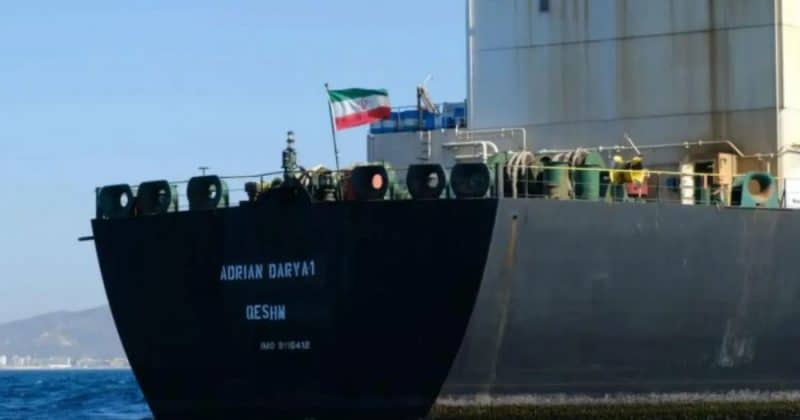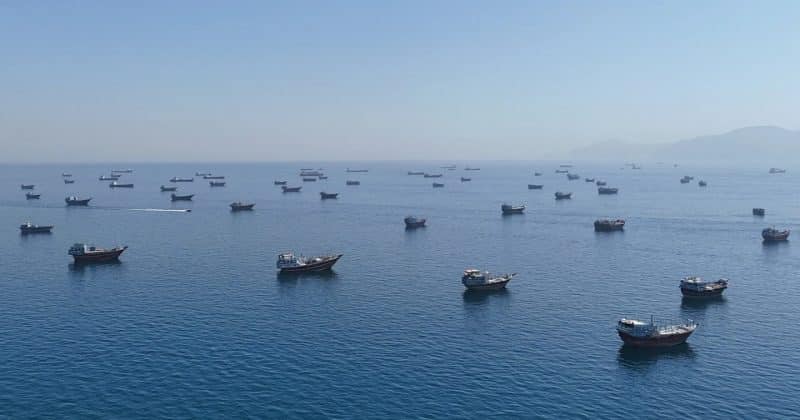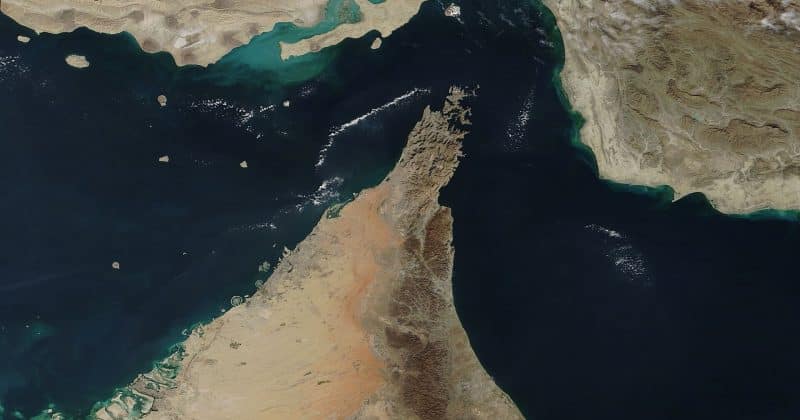
The now-finalized memorandum of understanding (MOU) between the US and Iran to end hostilities and fully reopen the Strait of Hormuz could give a jolt to Iran's moribund oil sector. The MOU is now in effect after being signed by both the US and Iran on Jun. 17. The agreement — which suspends a US blockade on Iranian exports and relieves sanctions on purchases of Iranian oil — paves the way for Iranian volumes to return to the global market. But market watchers warn that the 60 days of sanctions relief spelled out in the MOU will likely be defined more by regulatory uncertainty than by a rapid return of Iranian volumes. The MOU says the US will issue waivers for "the export of Iranian crude oil, petroleum products, and derivatives, all associated services, including banking transactions, insurances, and transportation." That would appear to allow for long-restricted Iranian oil flows to trade freely on mainstream markets, at least temporarily. The key question, however, is whether the waivers are intended simply to facilitate the sale of stranded cargoes or to support a broader reopening of Iranian oil trade. Earlier assessments from former US Treasury officials suggested a framework like the March General License model, which allowed oil already at sea to be sold while leaving broader financial restrictions largely intact. Indications following the MOU's signing point to a potentially wider framework. "This [waiver] framework will be designed to restore broad transactional continuity," Mazhar Pasha, executive director at Hong Kong-based Syndicate Capital, told Energy Intelligence.
Buyers Wary as Iranian Oil Poised for Return to Market
An MOU between the US and Iran ends the US naval blockade and includes relief on oil sanctions, but uncertainty lingers over the durability of sanctions waivers.
253 words~1 min read