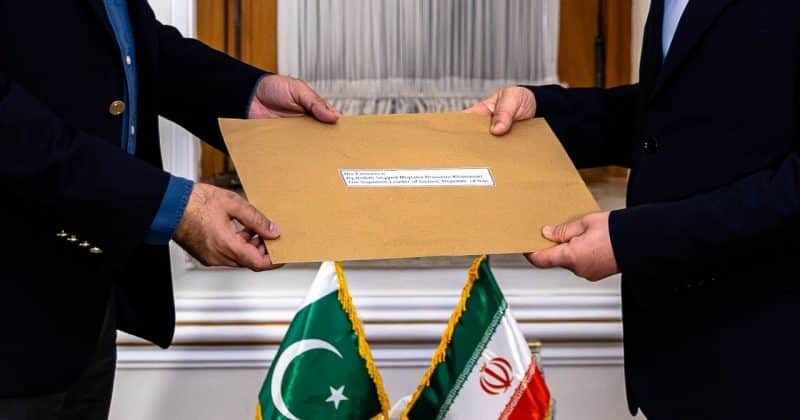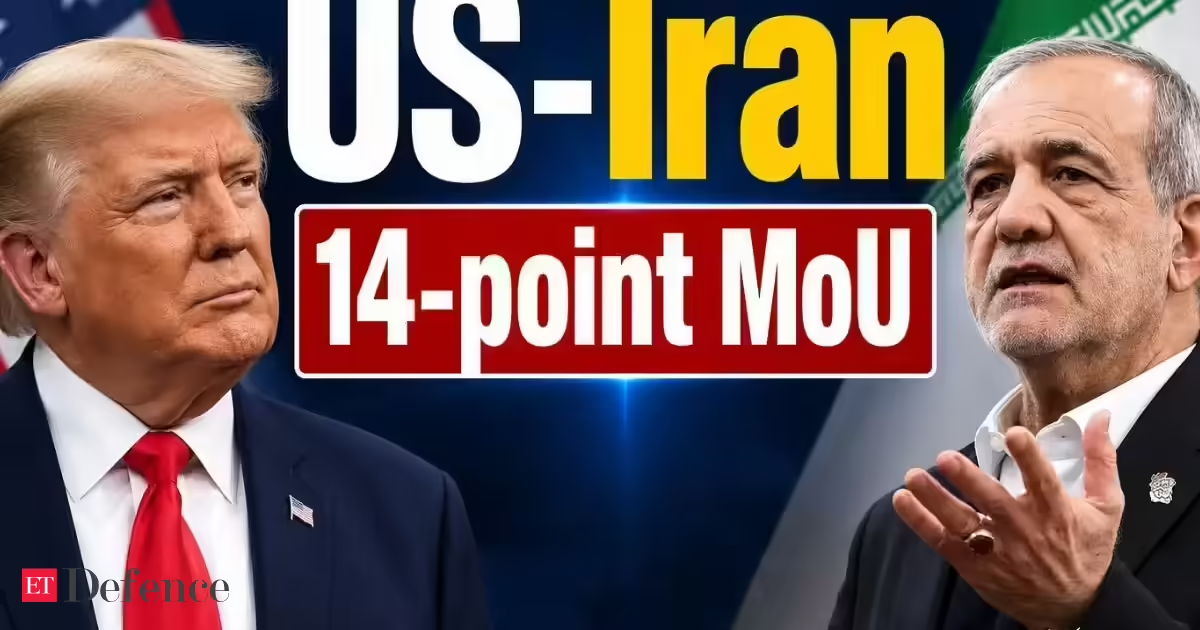
The US and Iran just signed a deal that, on paper, looks like the most consequential geopolitical development for energy markets in years. On June 17, 2026, President Donald Trump and Iranian President Masoud Pezeshkian put their electronic signatures on a 14-point Memorandum of Understanding at the Palace of Versailles in France.
The immediate result: Brent crude dropped to $83.55 per barrel. The broader implication: a potential defusing of one of the world’s most dangerous trade chokepoints.
What the deal actually says
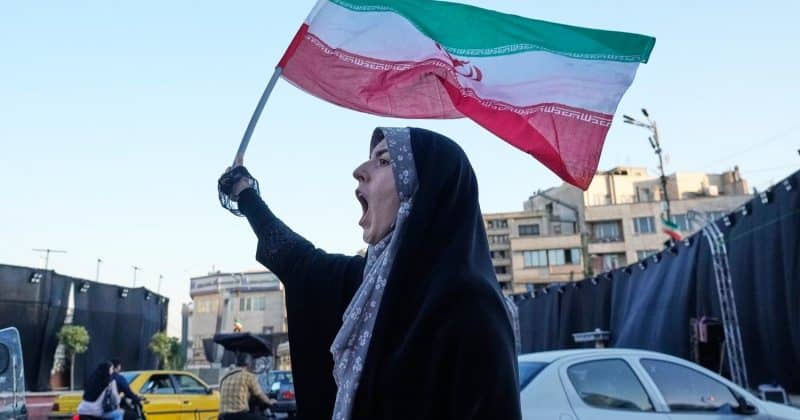
The MoU establishes a permanent cessation of hostilities between the two nations. That alone would be significant, given that military conflict erupted on February 28, 2026, when nearly 900 strikes targeted Iranian sites, triggering retaliatory actions and months of regional instability.
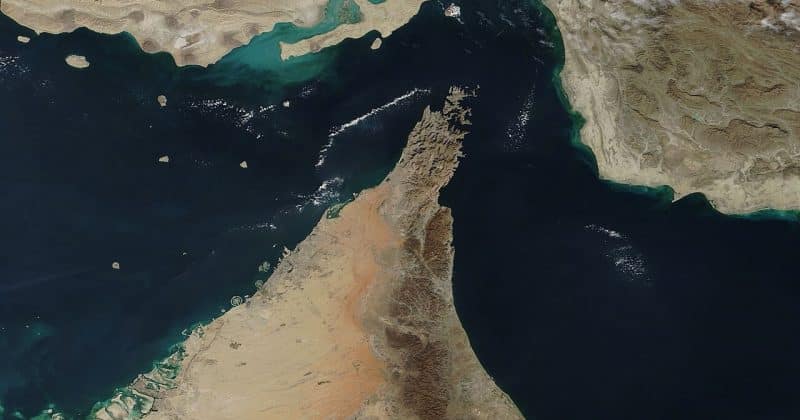
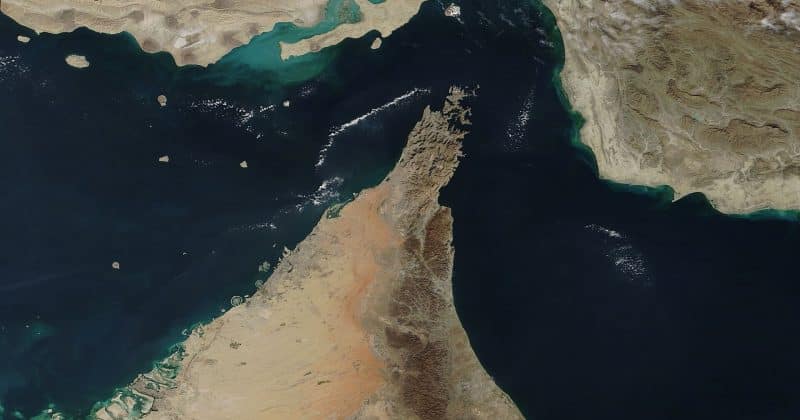
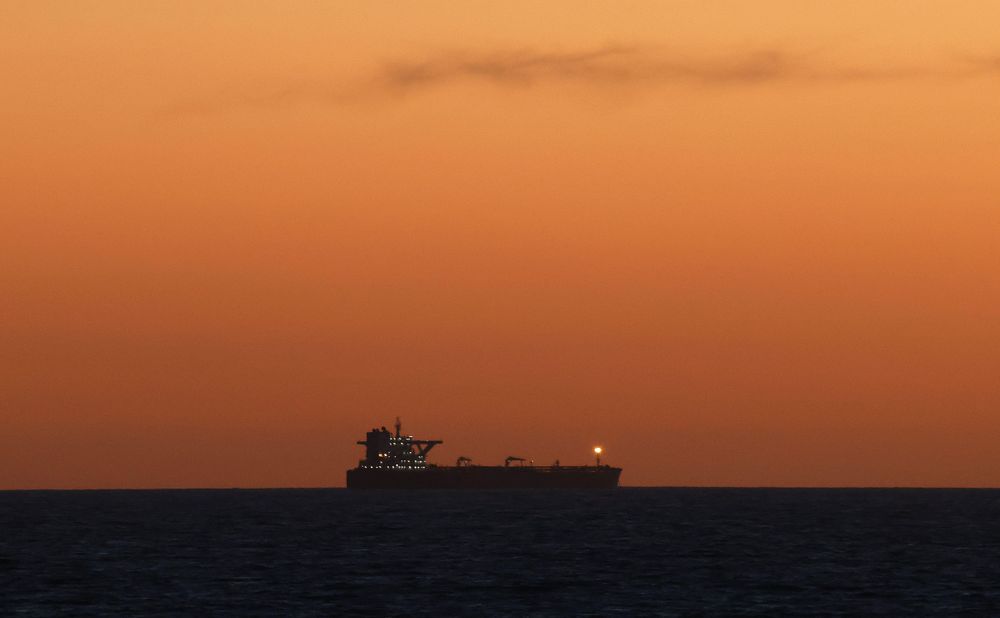
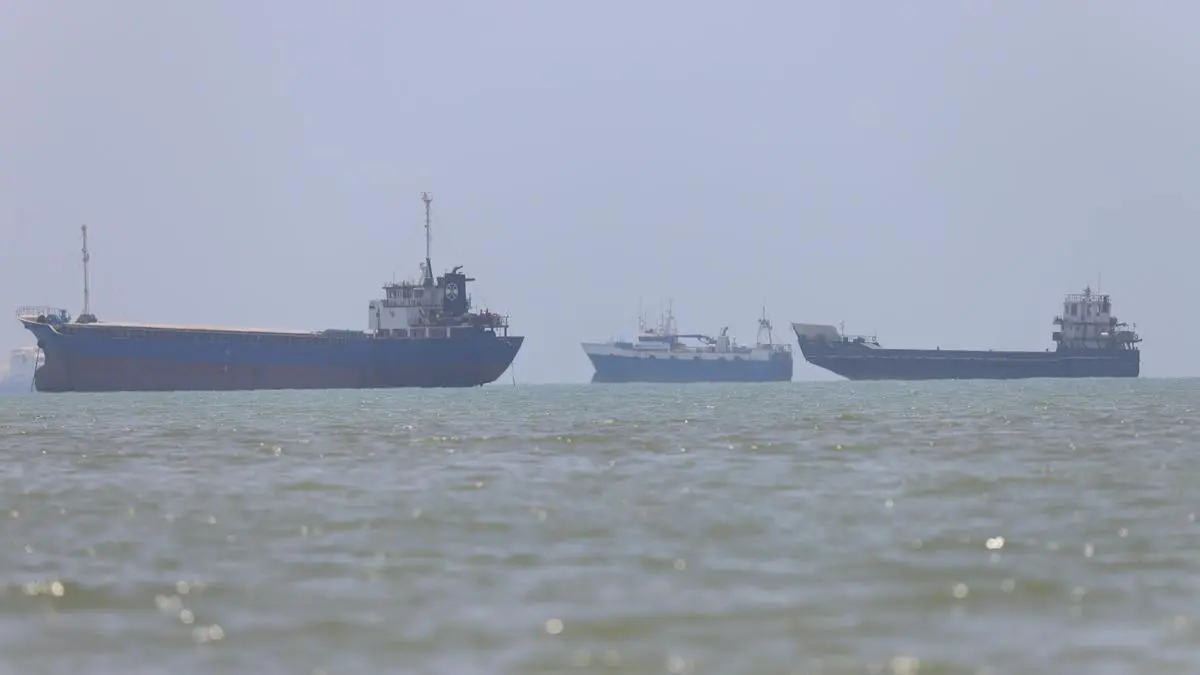
But the deal goes further than a ceasefire. The US naval blockade on Iranian ports gets lifted. Iran commits to restoring free commercial shipping through the Strait of Hormuz, the narrow waterway that handles roughly 20% of the world’s oil traffic.