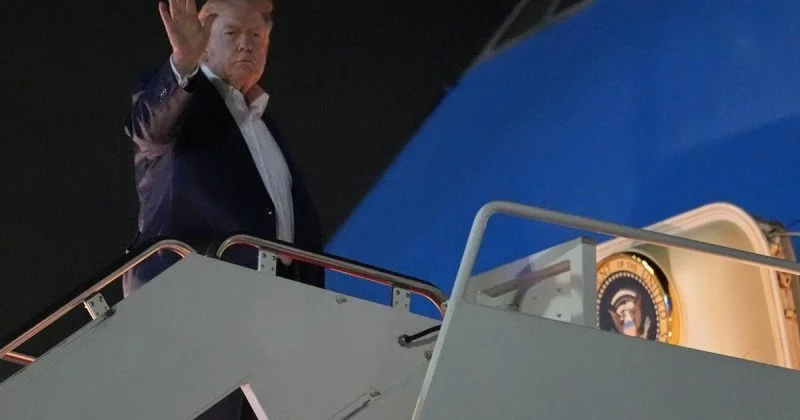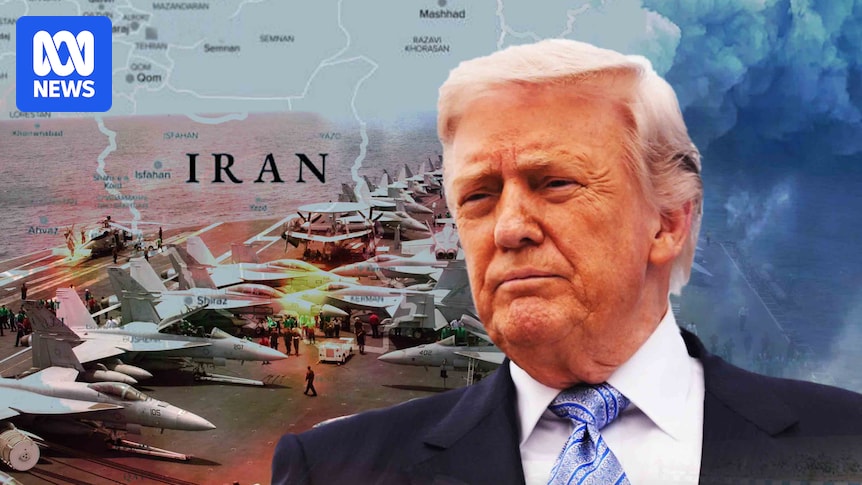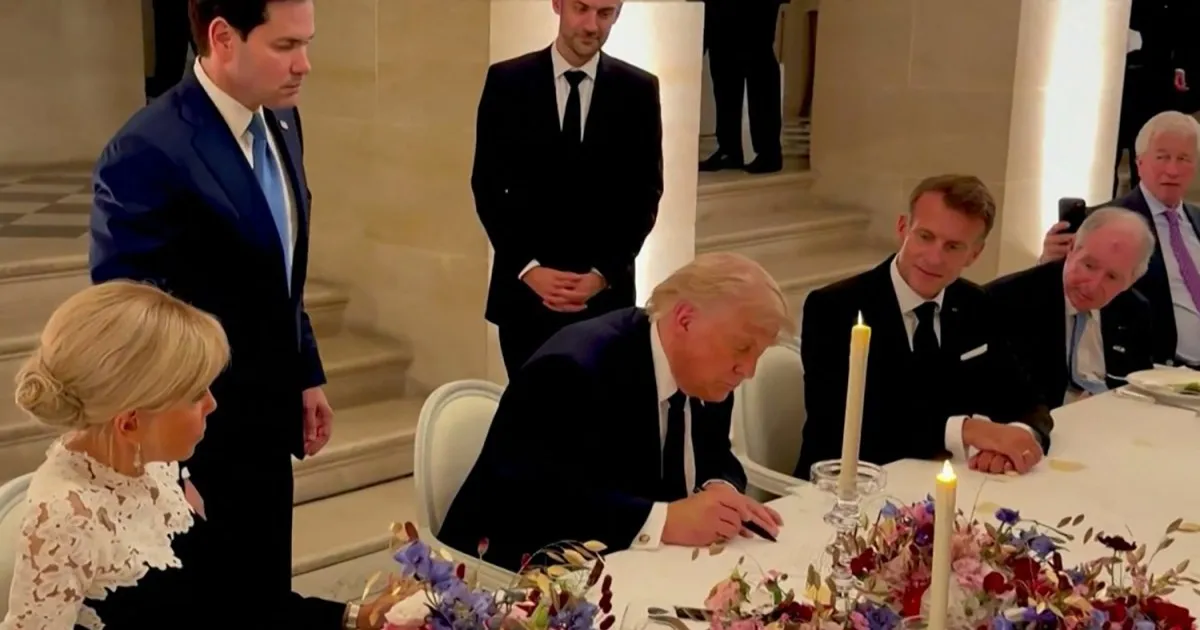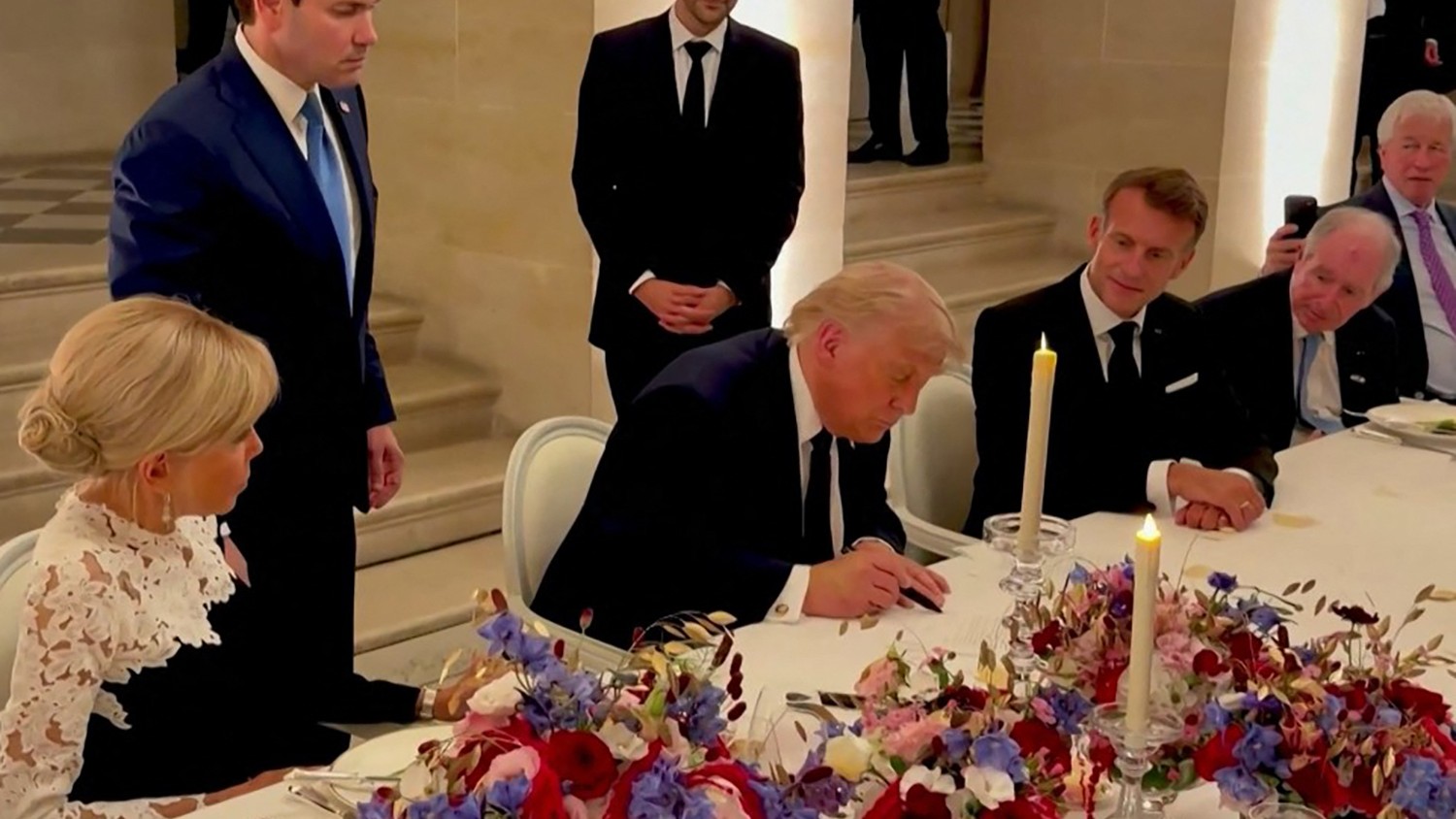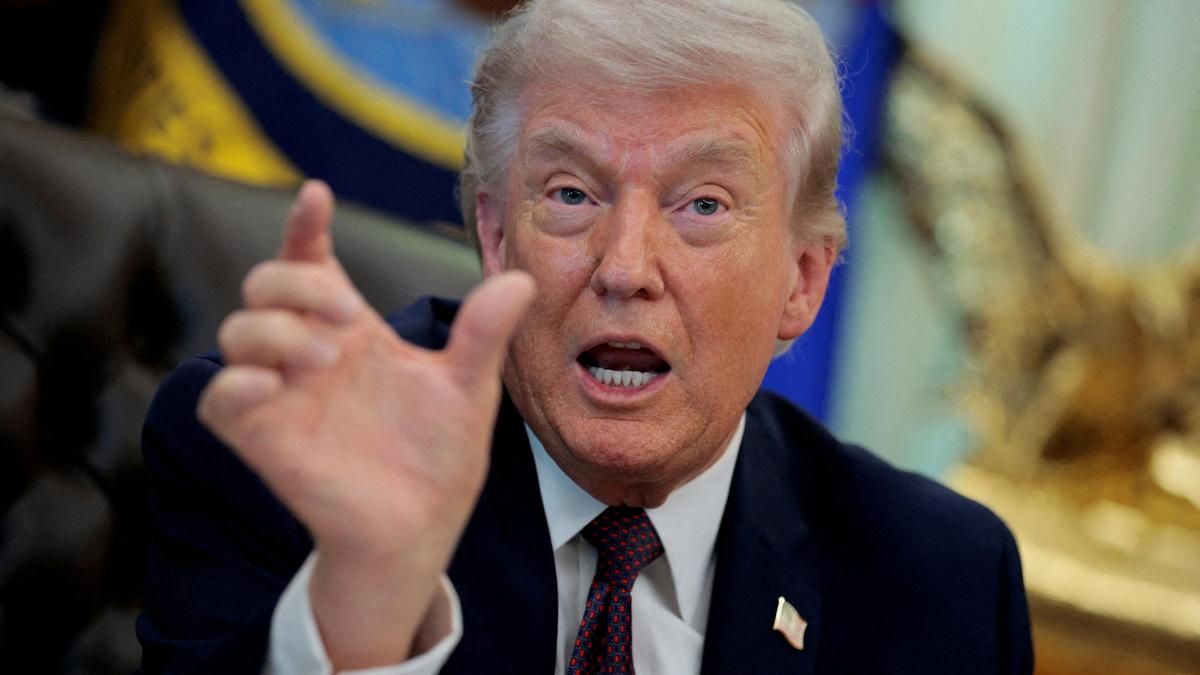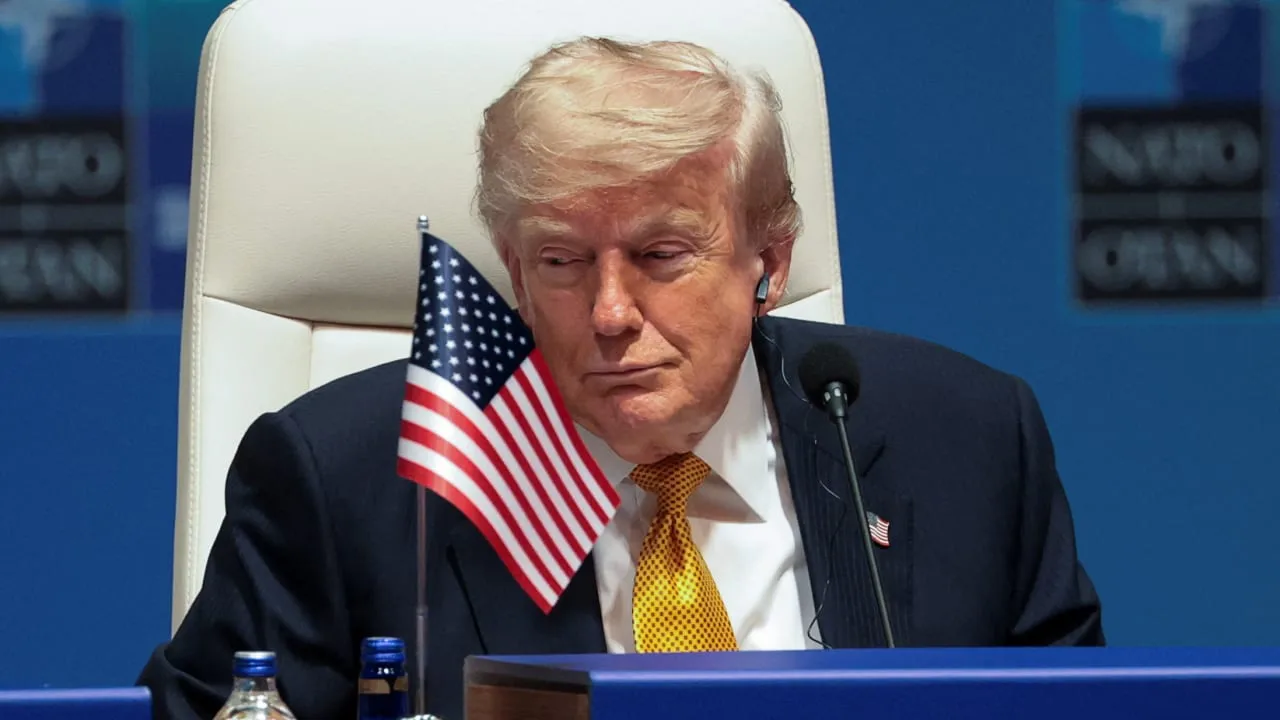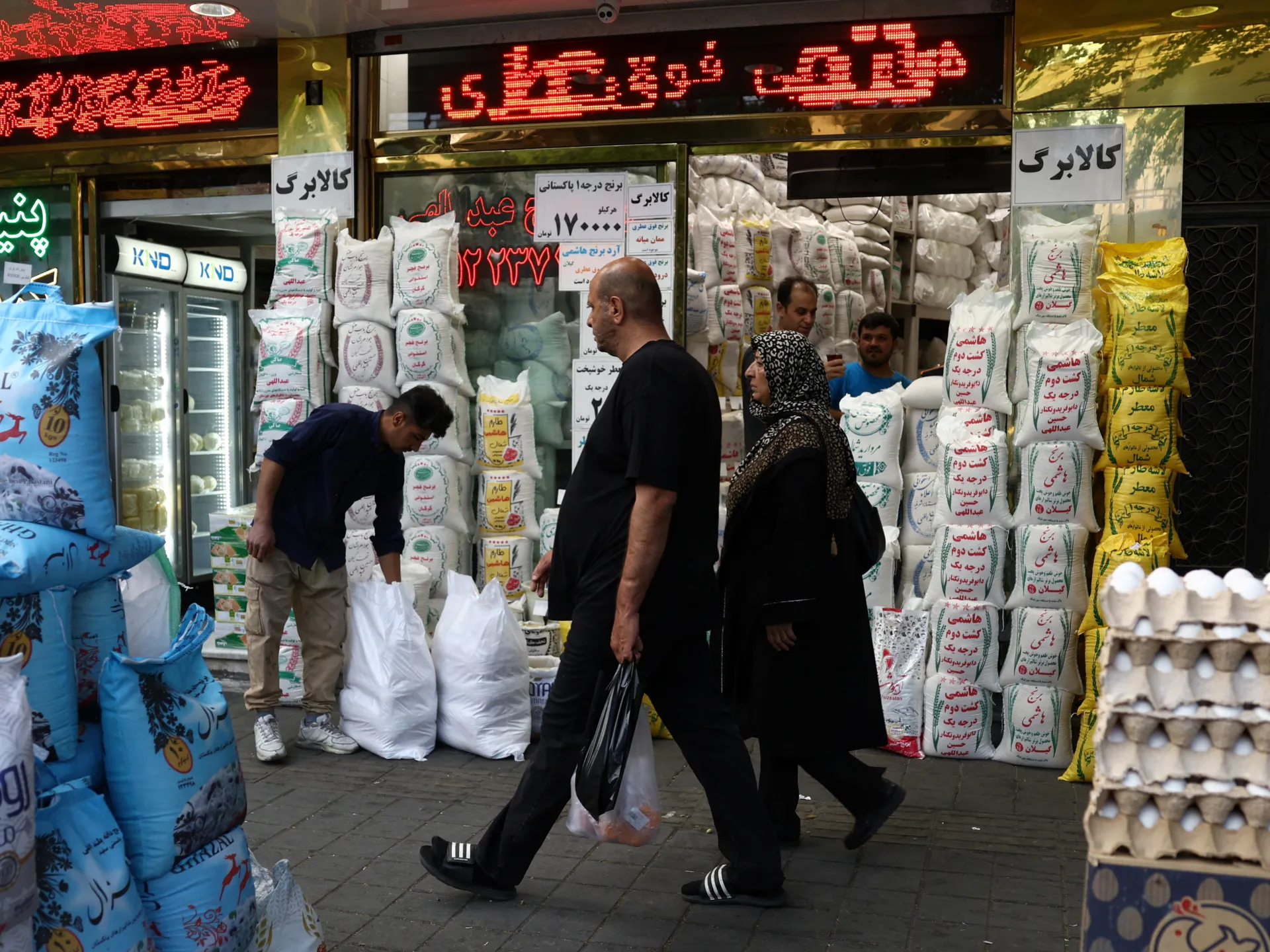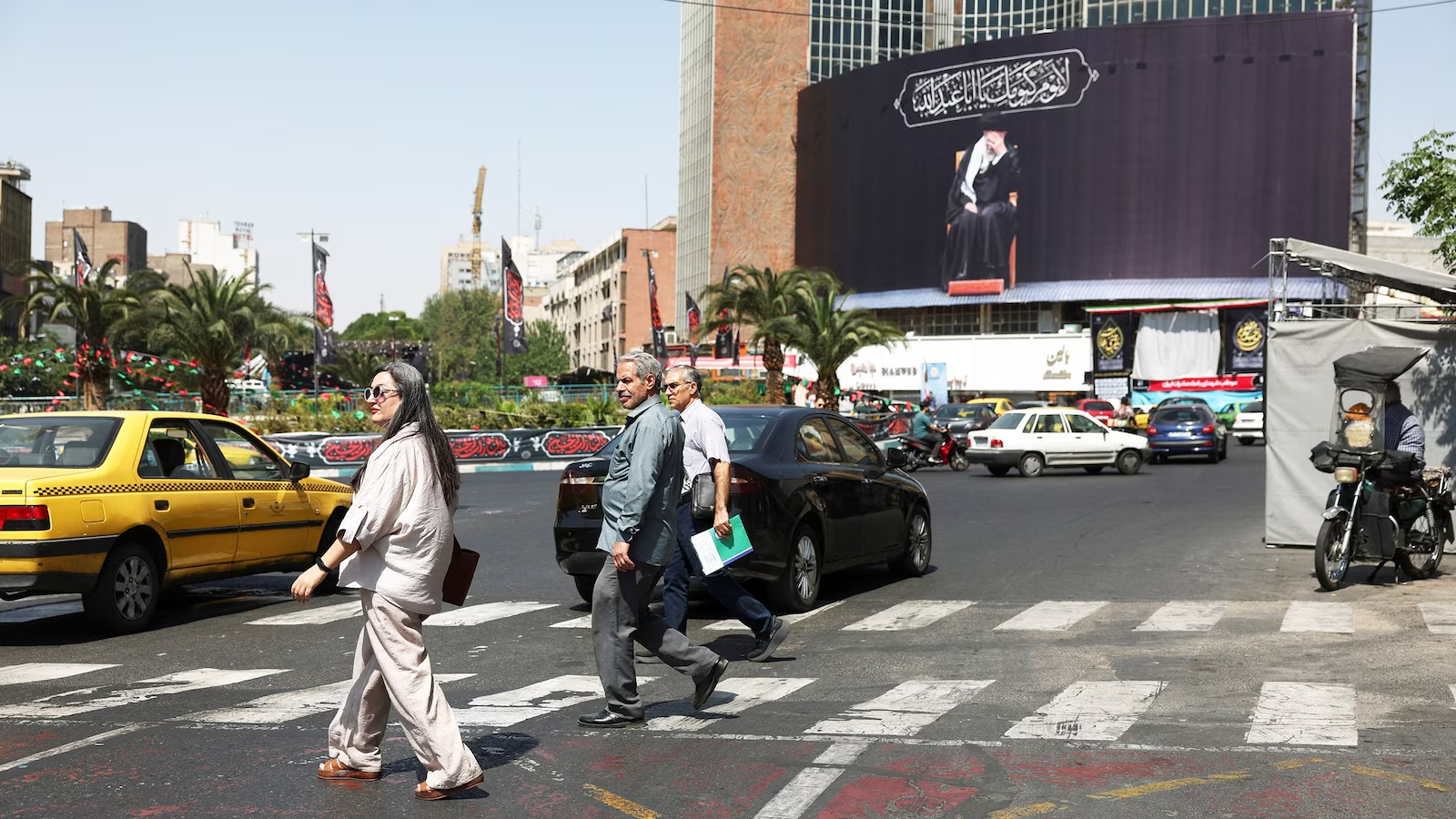
The United States and Iran have signed a memorandum of understanding (MOU) to end all hostilities and prepare for further negotiations. President Donald Trump signed the agreement Wednesday night with French President Emmanuel Macron who was hosting him at the G7 summit.Trump touted the deal as "historic" and "strong," but also left the door open to future bombing of Iran if the regime doesn't properly adhere to the agreement."We're going to bomb the hell out of them if they violate the agreement," he said at a press conference in France.The deal, however, has been received with low-level enthusiasm by many in Iran, several Iranians told ABC News, saying any deal is not likely to fix the country’s deep-rooted problems."I feel numb. I feel suspended. I can't let myself believe anything good can happen," 36-year-old Sohrab told ABC News. Sohrab, whose name has been changed for security reasons, is a fitness instructor who lives in Semnan, a city east of Tehran.President Donald Trump speaks during a media conference at the end of the G7 summit in Evian-les-Bains, France, June 17, 2026.Vadim Ghirda/AP Photo'They kill us. They don't care about us'Sohrab said he was uncertain whether this cessation in hostilities would actually lead to any meaningful improvement in his life. “[Even] if they get it through the MOU and the talks, I am sure they won't fix people's problems,” he said."They will not invest in infrastructure or creating jobs. They kill us. They don't care about us," Sohrab said about the Iranian regime, which is now ostensibly led by Ayatollah Mojtaba Khamenei, son of the late Supreme Leader Ayatollah Ali Khamenei, who U.S. officials say was killed in a joint U.S.-Israeli operation at the start of the conflict.People walk past a billboard with a picture of the Iran's late Supreme Leader Ayatollah Ali Khamenei, in Tehran, Iran, June 17, 2026.Majid Asgaripour/WANA via ReutersThe war, following years of sanctions, has led to a severe cost of living crisis in Iran. Inflation has sky-rocketed, leaving many unable to afford basic necessities."I have borrowed so much money from friends and relatives hoping that I find a job and I pay my debts back. But it is crazy how prices go up literally every day,” Sahar, an unemployed software developer in Tehran who lost her job at the start of the war, told ABC News.“Thank God I don't have to pay rent. I don't know how people with rent and kids are surviving this situation," she said.Many, like Sahar, are struggling with unemployment on top of soaring inflation costs.A man and woman ride their motor bike past a map of Iran with the images of some of those killed in the Israeli-US war against the nation, erected on a wall along the highway in Tehran, on June 17, 2026.Atta Kenare/AFP via Getty Images"I have lost most of my clients; like 80% of them stopped coming to the gym,” Sohrab explained.“Everyone around me struggles with [the] basics of life," he said.Soaring inflation, shrinking economyThe International Monetary Fund forecast that Iran’s inflation will average 68.9% this year, the highest it has been since World War II.The economy is shrinking, and Iran’s currency, the rial, has fallen to a record low.Popular Reads“The pressure of the inflation is so unbearable, and it is like a non-stop marathon of trying not to commit suicide on [a] daily basis,” Ramin, 38, a teacher from Tehran, whose name has also been changed for security reasons, told ABC News. "I think I have not been able to process my feelings properly since January. The killing scenes of the regime were so fresh in my nightmares when the war began and now the sound of airstrikes and fighter jets added to them."He went on, "My only concern at this point is to try to get enough calorie counts and hopefully enough protein for myself and my family members."Ramin said he is the caregiver for his elderly, homebound mother and his unemployed brother, who is in recovery from substance use and experiencing related challenges.Ramin said he bears the scars of the war but also of the bloodshed that occurred before the war.In January, hundreds of thousands of Iranians took to the streets to protest against the regime. The Islamic Republic regime killed thousands in what Iranian experts have described as one of the most brutal crackdowns in the modern history of the country.According to the U.S.-based Human Rights News Agency (HRANA), over 7,000 people – including at least 6,488 demonstrators – were killed in the protests, which had been ignited over the severe economic hardships following the dramatic fall of the country’s currency in the last days of December 2025. ABC News could not independently verify those figures.When the war began, Trump said in a taped message to the Iranian people, "The hour of your freedom is at hand" and encouraged them to rise up against the regime, but after months of conflict, the Iranian Revolutionary Guard Corps [IRGC] remains in place, as do the president and ayatollah.Mojtaba Khamenei was pronounced supreme leader shortly after the missile attack that killed his father. He has not been seen publicly since, leading to speculation that he was badly injured in the attack.Mohammad-Bagher Ghalibaf, the speaker of Iran’s parliament, has come to the forefront as the country’s chief negotiator with the U.S.On Tuesday, the Iranian judiciary announced it had executed two men described as "armed leaders of early 2026 unrest," identifying the defendants as Javad Zamani and Abolfazl Saedi.They were convicted of Moharebeh (waging war against God), corruption on earth, damaging public and private property and crimes against national security.The human rights organization Amnesty International said the Iranian regime has executed 39 people since February."They comprise of 16 protesters, nine dissidents, 10 individuals accused of espionage for the USA and/or Israel, and four accused of 'armed rebellion against the state' (baghi). Scores of others remain at risk," Amnesty said in a recent report on Iran.'Still, I let myself hope'The war, which began in February, has only exacerbated the difficult circumstances many Iranians were living in, they say. While many Iranians were against the war from the beginning, some of them told ABC News at the time they were ready to pay whatever price so the regime would change.However, with the escalation of the war and increasing casualties and damage to the country’s infrastructure, the anti-war voices have been amplified, Iranians have told ABC News."No one here liked the war. Even those who celebrated the bombardment were frustrated with the regime's crimes," Sahar said."We were all disappointed and in pain with the killings and suppression. But now it is like survival has become a priority," she added.Since Monday, as the news of finalizing and signing the MOU by Tehran and Washington emerged, the value of the rial against the dollar has improved by at least 10%, according to the Iranian currency market. A positive sign that Iranians say they appreciate despite the desperation."Still, I let myself hope that this deal can help people at least with the cost of living," Ramin said.
'Survival has become a priority': Iranians react to memorandum of understanding with US
As negotiations continue, some Iranians told ABC News that the details that have emerged so far have been received with low-level enthusiasm by many in the country.
1,172 words~5 min read