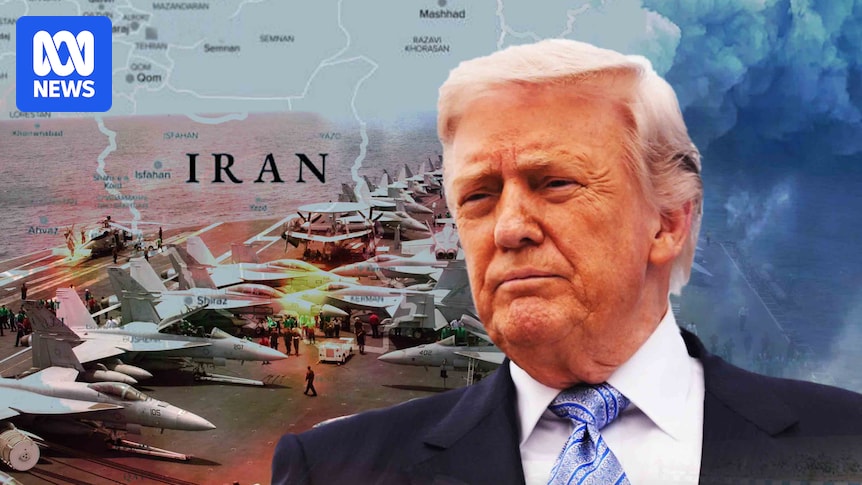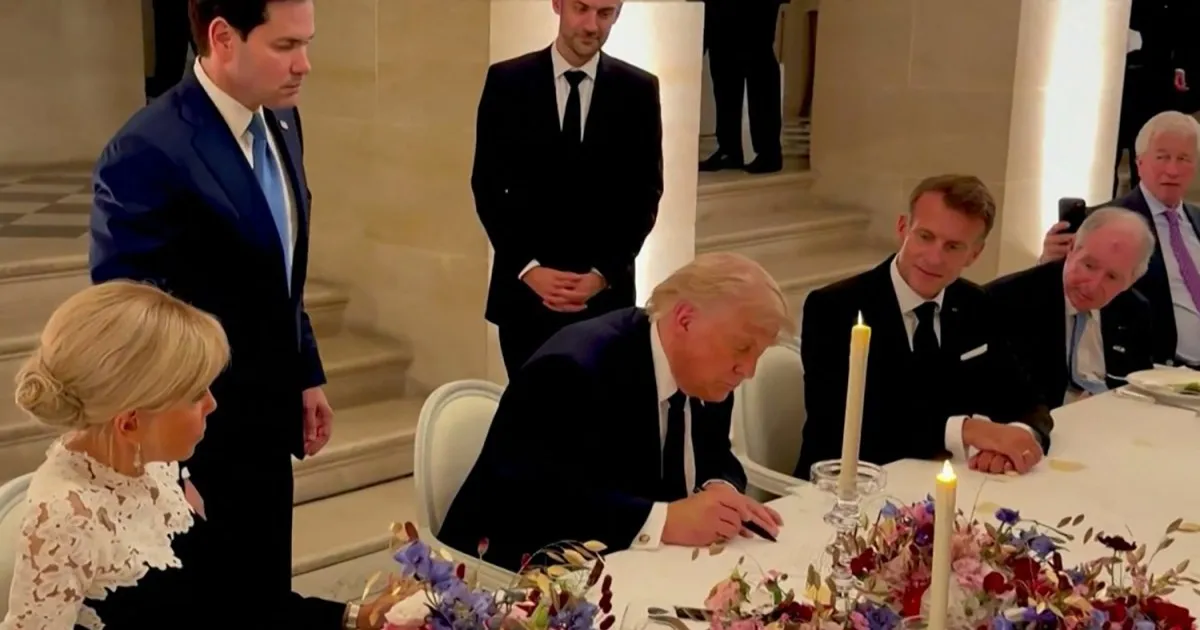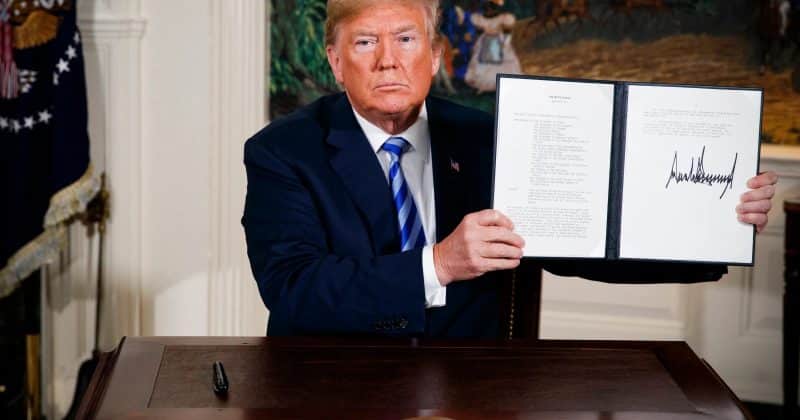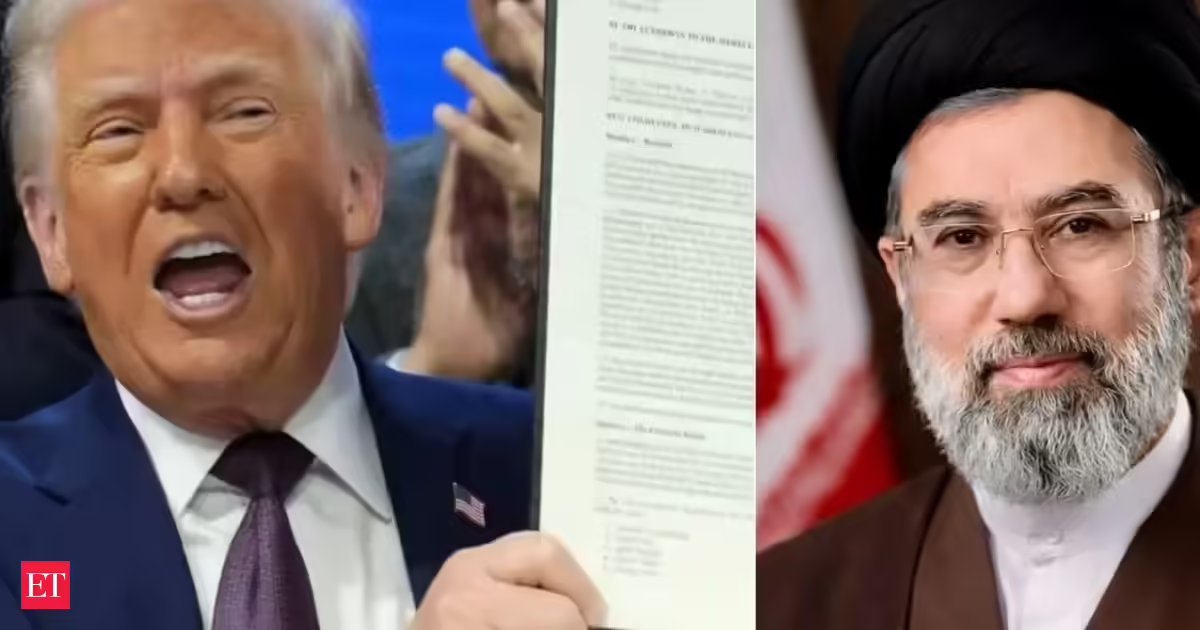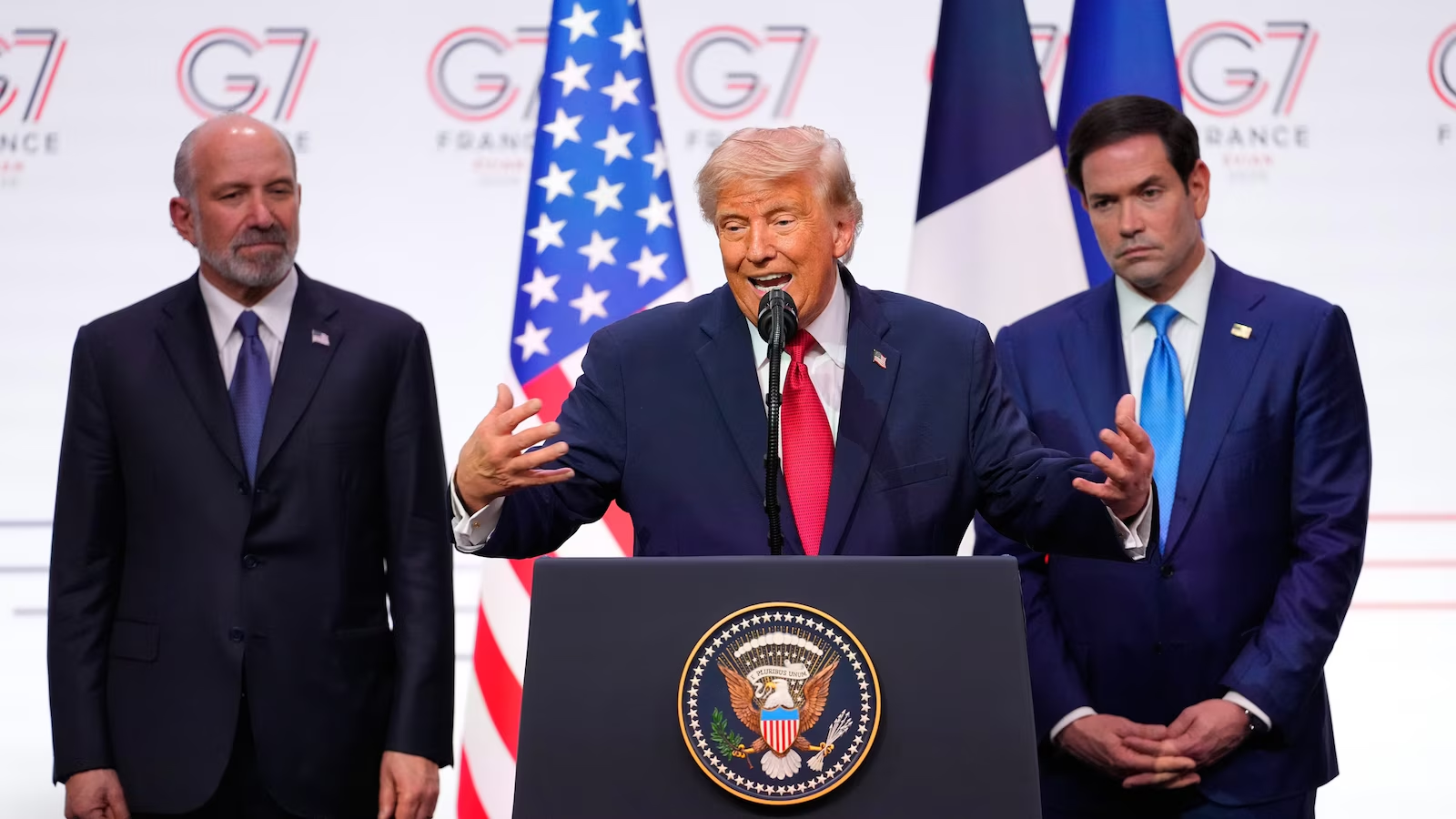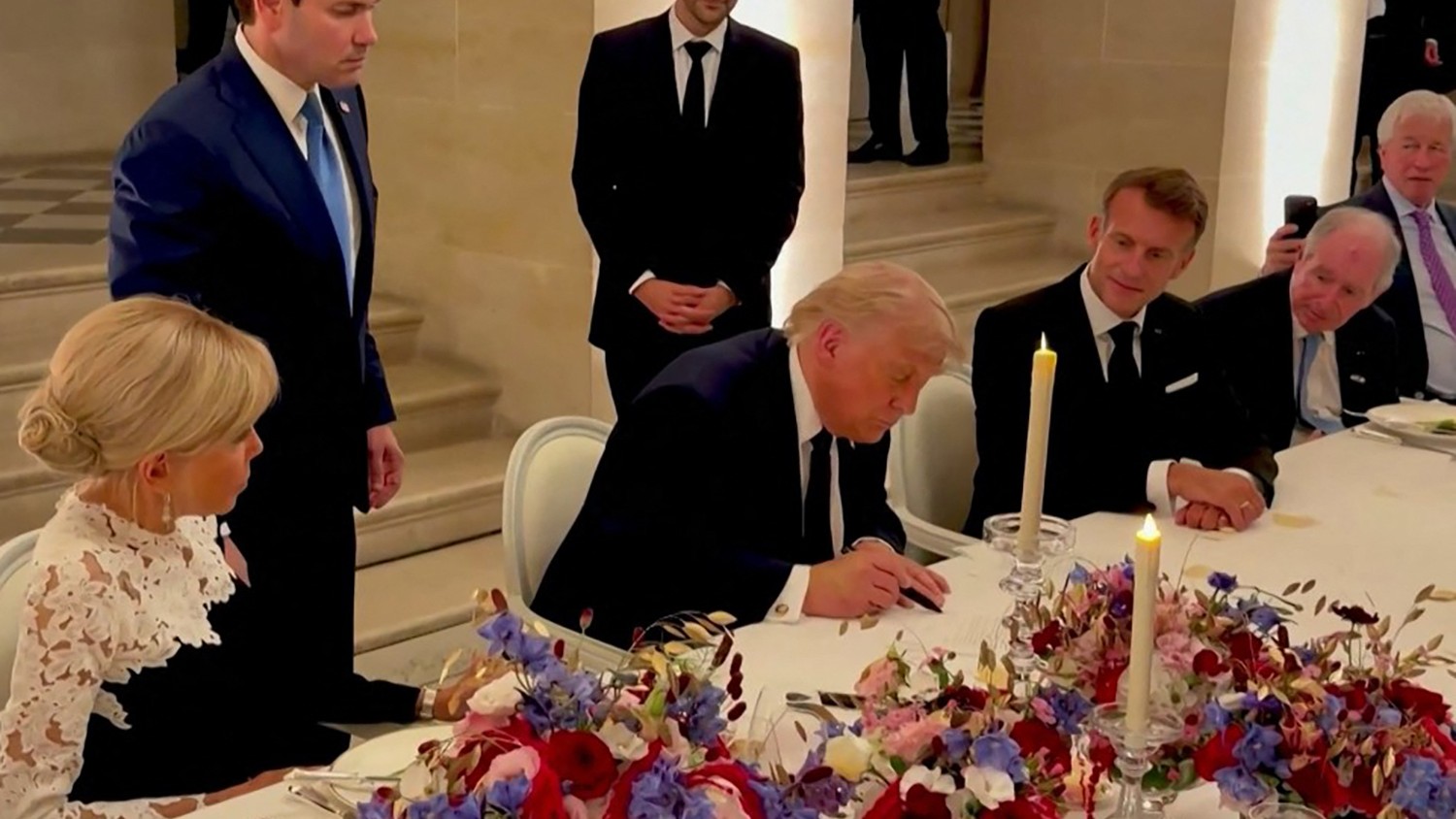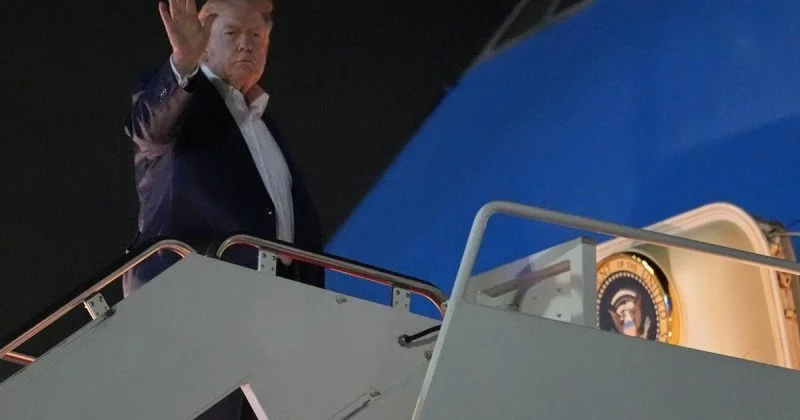
President Donald Trump has publicly endorsed a memorandum of understanding with Iran, calling it “strong and detailed” and signaling that Iranian leadership is ready to close a broader deal. The MOU, electronically signed on June 15 by Trump, Vice President JD Vance, and Iranian parliamentary speaker Mohammad Bagher Ghalibaf, sets the stage for what could be the most significant US-Iran diplomatic breakthrough in decades.
A formal signing ceremony is planned for June 19-20 in Geneva. Between now and then, the document already carries weight: it extends an immediate ceasefire, commits Iran to reopening the Strait of Hormuz toll-free, and establishes a 60-day negotiation window covering sanctions relief and Iran’s nuclear program.
What the MOU actually does
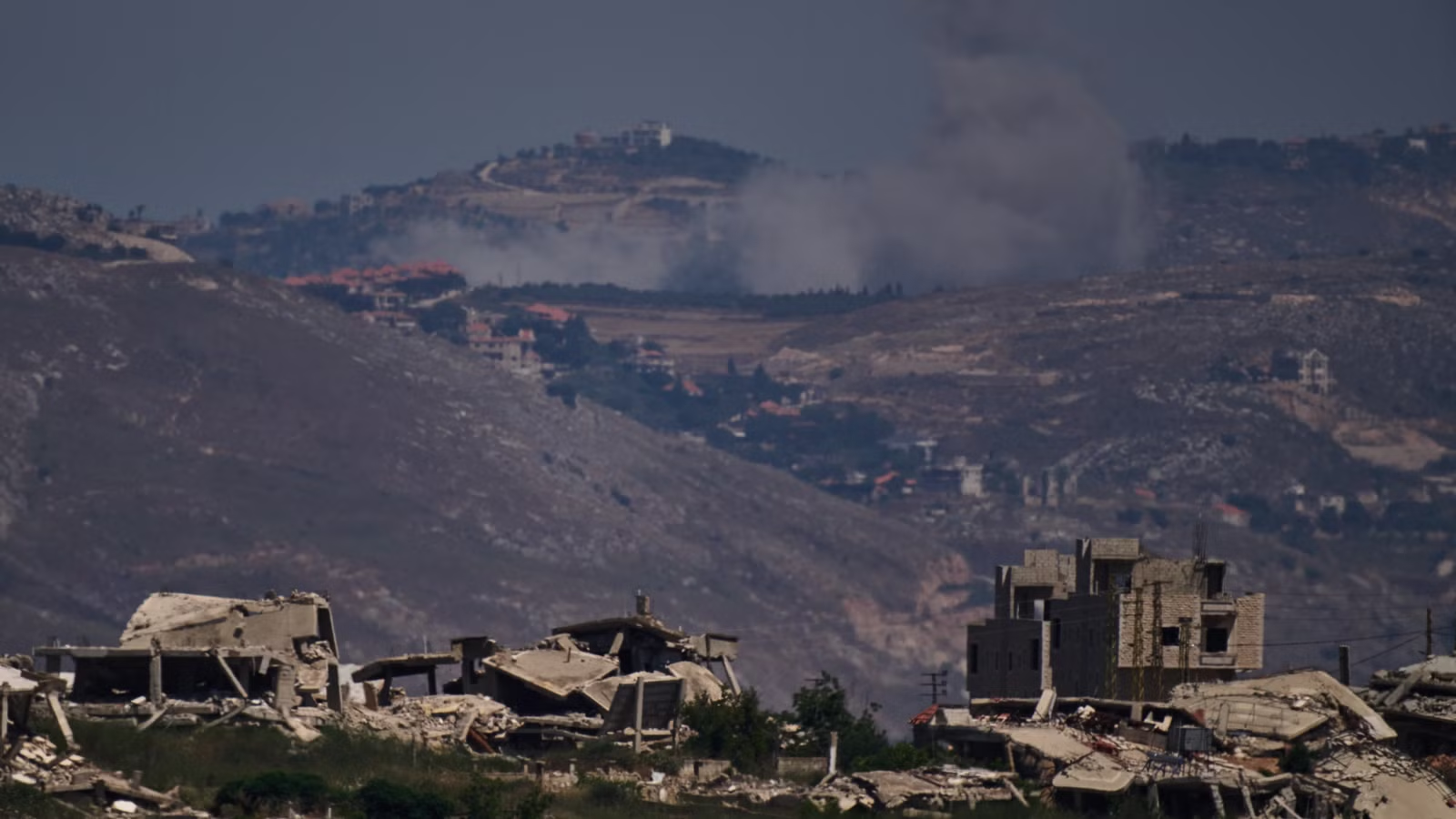
The ceasefire extension halts a military conflict between the US, Israel, and Iran that has dragged on for more than 100 days in 2026. That conflict included significant military strikes from multiple parties and Iran’s closure of the Strait of Hormuz.
The Strait matters because roughly 20% of the world’s oil passes through it. When Iran shut it down earlier this year, global oil supplies took a direct hit. The agreement to reopen it toll-free is not just a diplomatic nicety. It is a pressure valve for the entire global energy market.