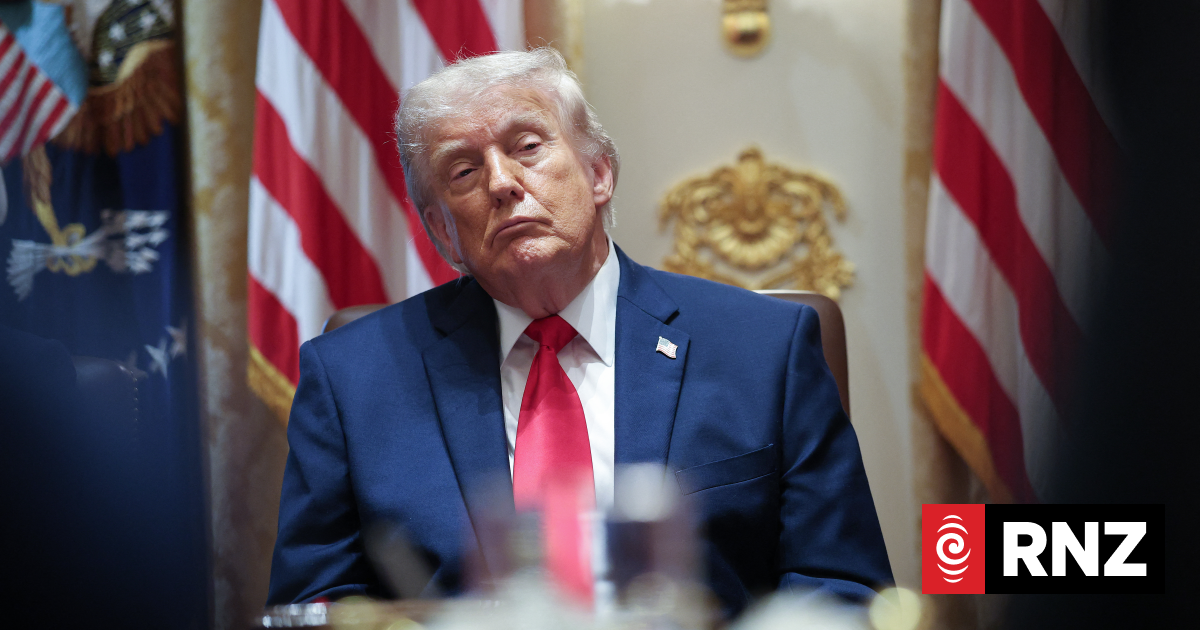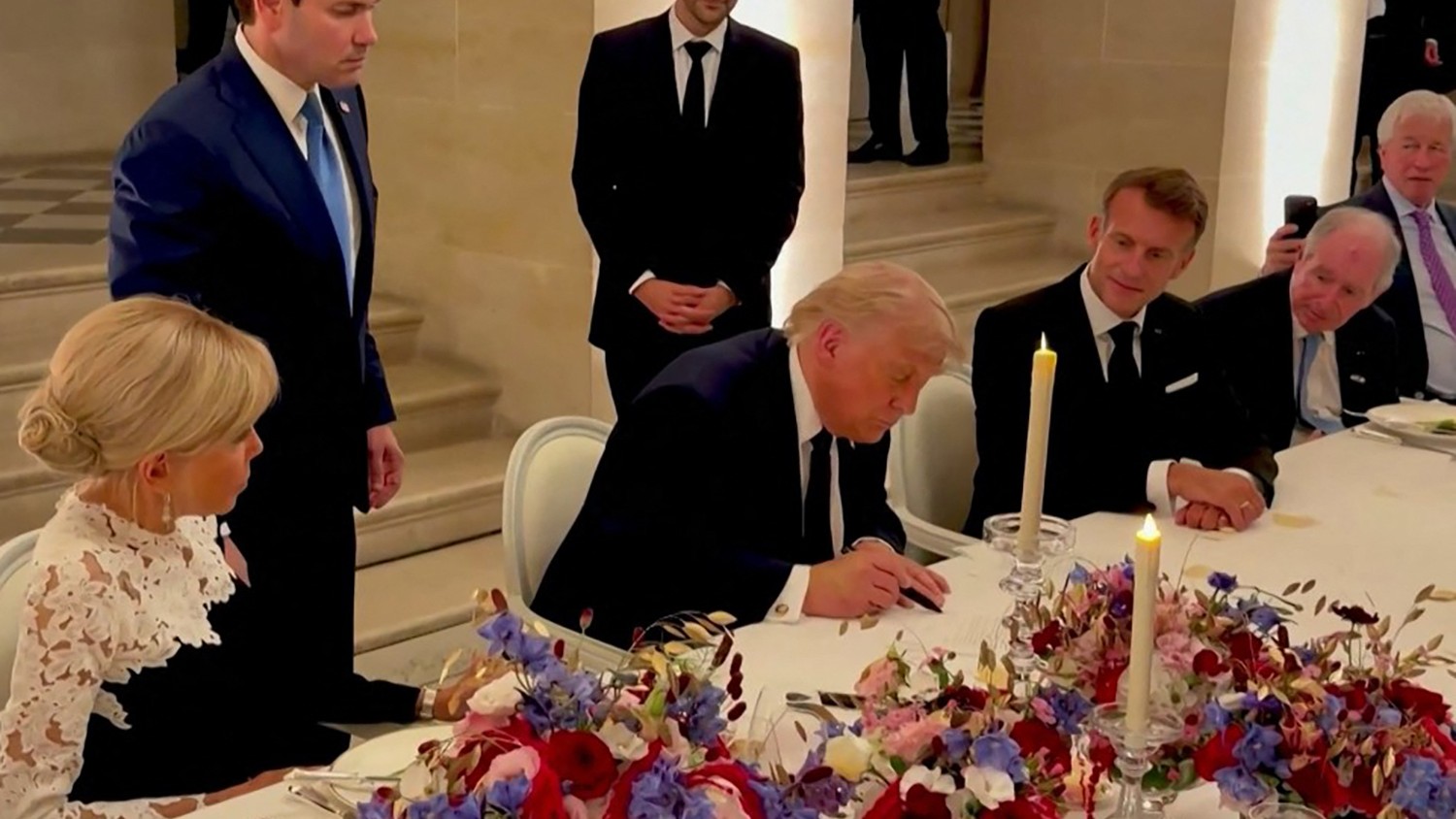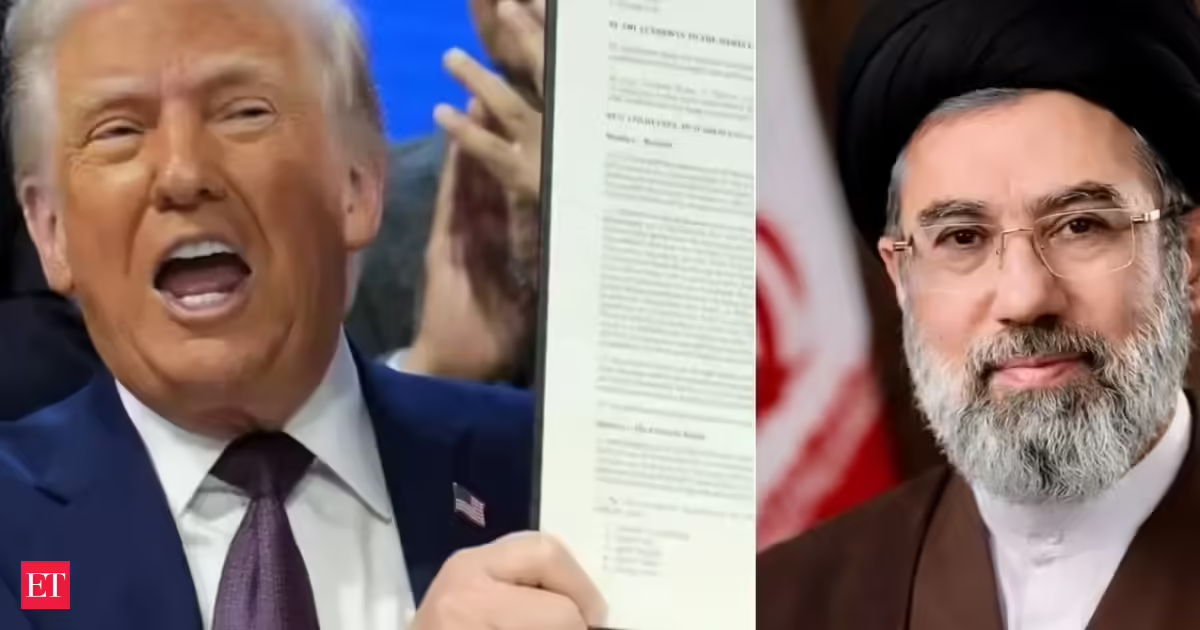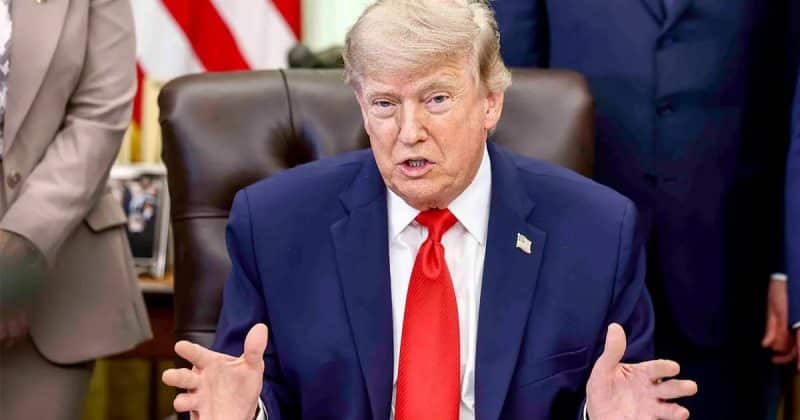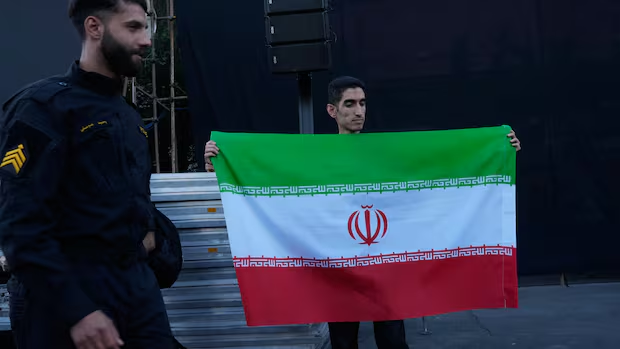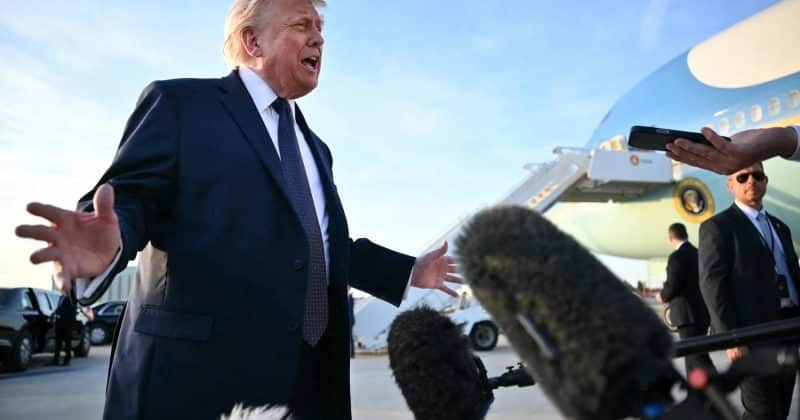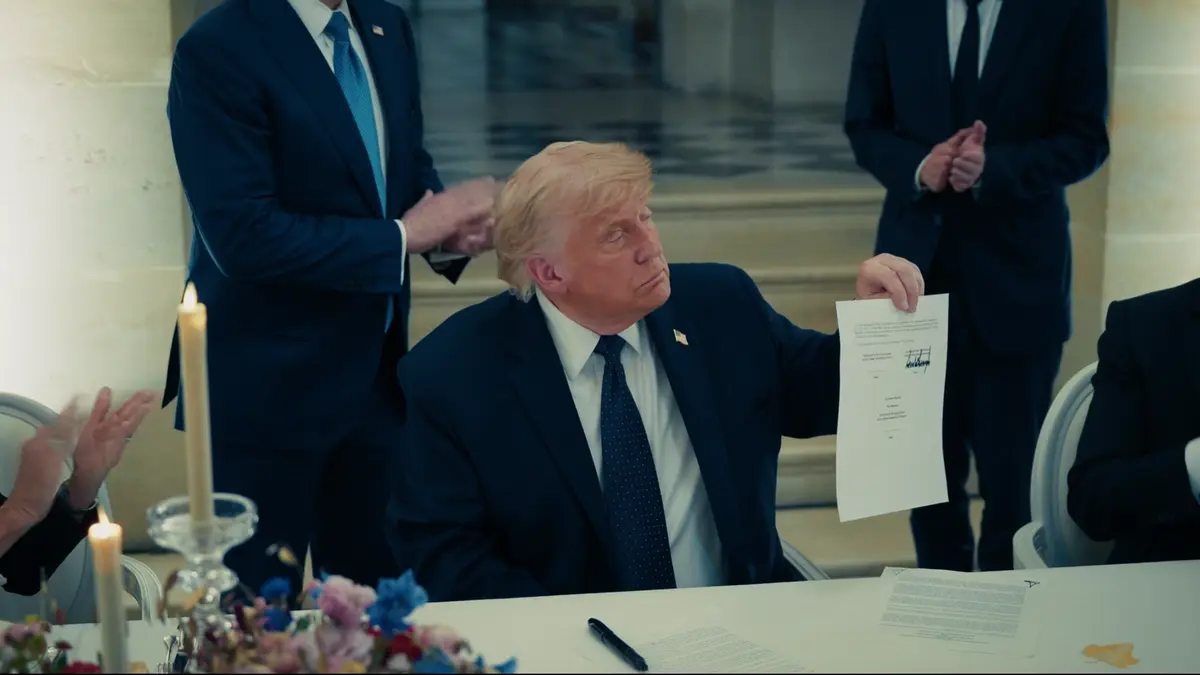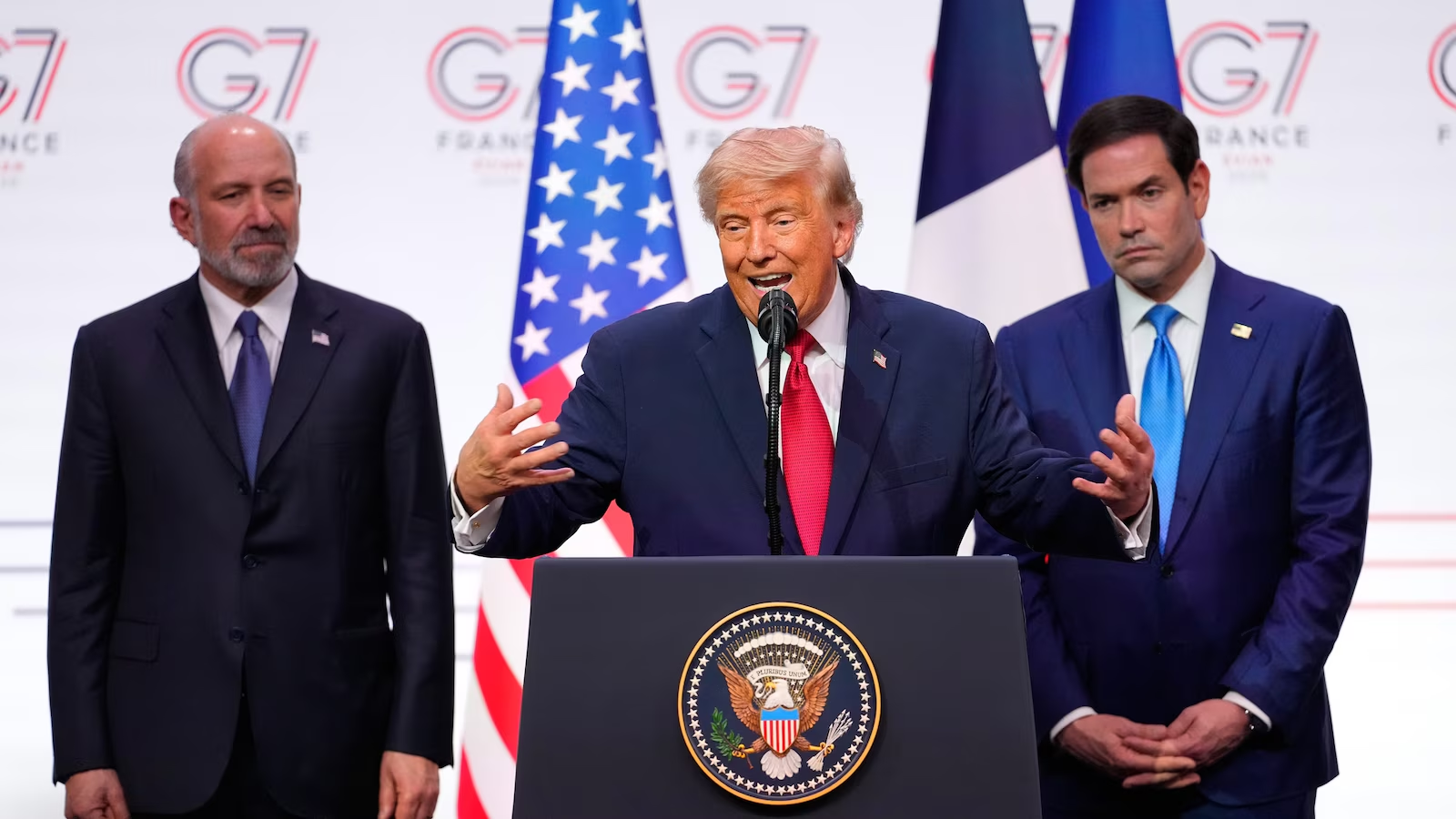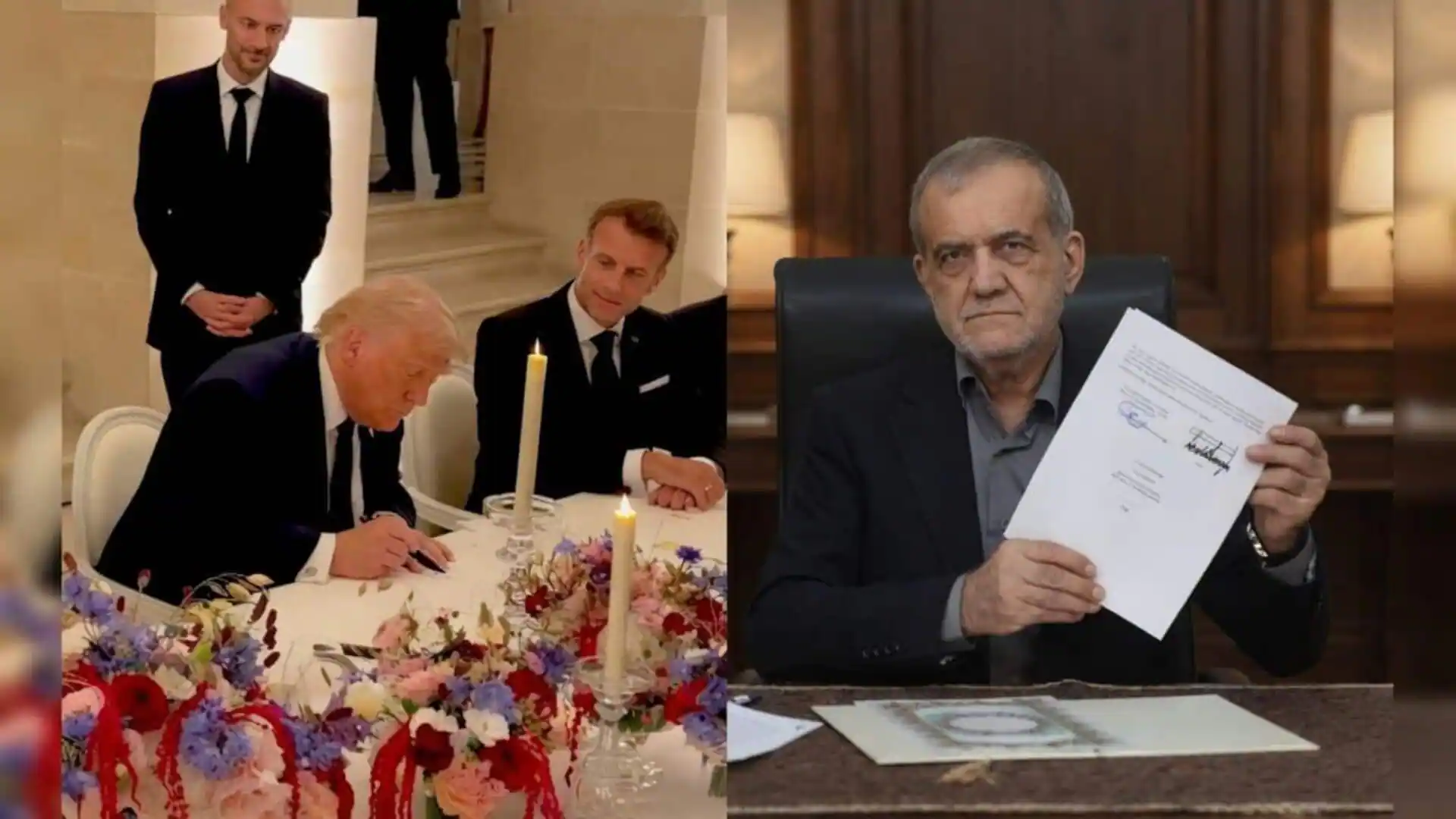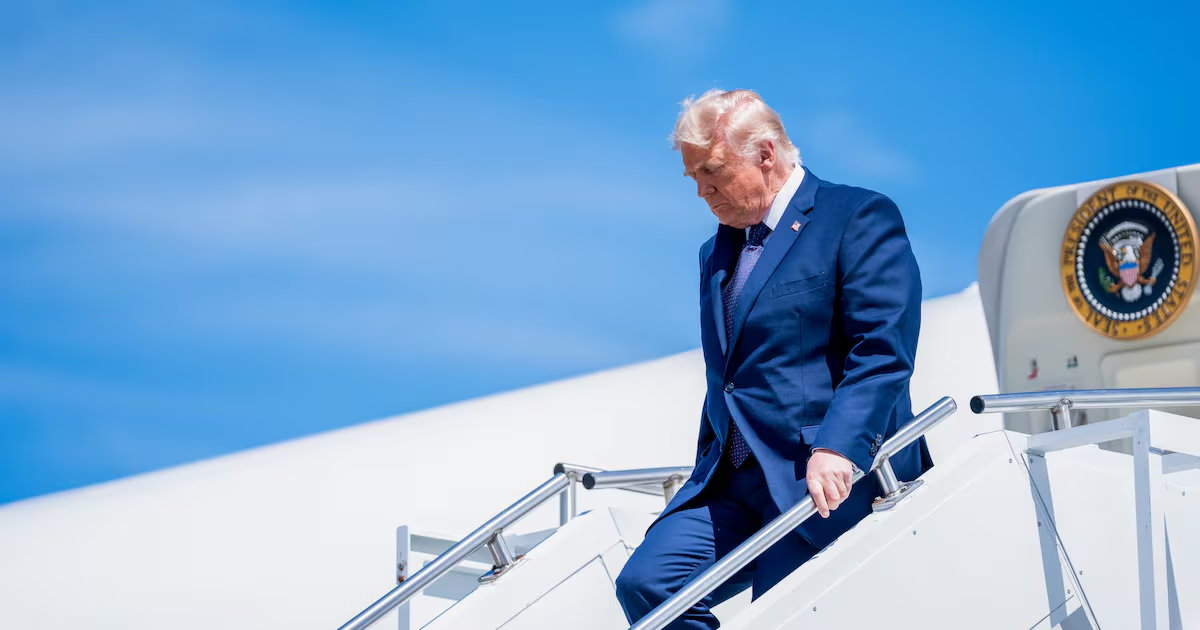
Donald Trump says both he and JD Vance have signed a memorandum of understanding (MOU) to end the war the United States and Israel launched on Iran more than 100 days ago. The US president said he signed a "great deal" with Iran and promised the Strait of Hormuz would soon be opened.The speaker of the Iranian parliament, and former commander of the Islamic Revolutionary Guard Corps (IRGC), Mohammad Baqer Qalibaf is believed to have signed on behalf of the regime.In announcing the deal, Pakistan's Prime Minister Shehbaz Sharif said both sides had declared an immediate and permanent end of all military operations.But what is in the deal and how much has Iran gained in negotiations?Mr Vance has said the details will be released before Friday, when the detail was expected to be formally signed in Geneva, while Mr Trump says the agreement will be released "pretty soon" after Friday.Either way, there is some material being shared now that helps us understand the deal's possible scope. Donald Trump announced as he arrived at the G7 in France, 'the deal is done'.(Reuters: Isabel Infantes)Iranian state media has published a list of 14 points that it says make up the bulk of the deal.A close inspection of those points helps us get a better picture of the final stage of the negotiations and what Iran is trying to gain.For example, in the very last point, Iran says its support of its regional proxies has been definitively removed from the agenda.Mr Vance cast doubt on the leaked proposal, saying he was "seeing a lot of fake information about a potential deal" on the weekend, but since the agreement was announced on Sunday, local time, the vice president has not pushed back on some of the 14 points. In a recent, high-level briefing by senior US officials, Washington pushed back against some of the points while acknowledging others are part of the MOU.Here are the 14 points, annotated with notes about how significant they would be and the likelihood they are part of the deal.Point 1 — Permanent and immediate cessation of hostilities on all fronts, including Lebanon.Iran has been clear throughout negotiations that Israel's actions in Lebanon, against the Iranian proxy group Hezbollah, must stop for a broader ceasefire deal to be possible and Tehran is reiterating that message here.Senior US officials have said Israeli withdrawal from Lebanon was not a condition of the deal and again reiterated that Israel had a right to defend itself against Hezbollah.But the officials did also say, the first point of the MOU sought to include Iran as well as its regional proxies.A temporary ceasefire in Lebanon has been in place since April 16 and then renewed again in June, but strikes between Hezbollah and Israel have continued.And even after this most recent deal was announced, Israel struck what it said were Hezbollah targets in southern Lebanon.Israeli Defense Minister Israel Katz said: "The IDF will remain in the security zones in Lebanon, Syria and Gaza indefinitely … despite all the existing and future pressures."Analysts believe Israel's action in Lebanon is one of the main stumbling blocks of any regional peace deal.It's worth pointing out, Israel, Lebanon and Hezbollah are not parties to this deal.Point 2 — US commitment to non-interference in Iran's internal affairs and respect for the sovereignty of the Islamic Republic of Iran.This language is very different to the dialogue the Trump administration had used when the US and Israel first attacked Iran on February 28. Starting on the first night of the attack, Mr Trump had indicated a key goal was regime change in Iran and told Iranians to rise up.Now, the deal has reportedly been signed by Mr Qalibaf — a former IRGC commander who led crackdowns on dissent in Iran.In a briefing, US officials said it was Washington's belief that Iran was significantly weaker than it had been in decades.Point 3 — Complete lifting of the naval blockade within 30 days.Mr Trump put a blockade on Iranian ports and vessels just after a ceasefire between the US, Israel and Iran came into place in April. US warships in the Gulf of Oman prevented Iranian tankers from leaving the region, crippling the regime's lucrative oil trade.US officials have confirmed the blockade will be lifted, in combination with the Strait of Hormuz being opened, but said a return to normal traffic levels in the waterway would take time.With the US blockade in place, and Iran effectively closing the nearby Strait of Hormuz to commercial traffic at the outbreak of war, traffic levels plunged.While some ships have been going "dark" to make the crossing, or engaging in "negotiations" with Iran, data seen by the ABC shows that traffic is still far below pre-war levels — driving up costs of energy across the globe.Point 4 — US commitment to withdraw forces from around Iran.US officials have said this point is in the final agreement too and the plan is to keep the current US forces there during negotiations.America ramped up forces in the region ahead of the operation, and the officials said the US hoped to draw those down.There has not been much indication of the future of American bases in the region and what "around Iran" means exactly. The US has bases in several Gulf states and they were targeted by Iran during the war.All US officials have said is that the agreement contemplates a reduction in military forces in the region upon a final deal, but that was conditional on Iran making certain concessions including on its nuclear program.Point 5 — Reopening the Strait of Hormuz within 30 days with Iranian arrangements.Putting a condition on 'reopening' that points to Iran having a level of formal control over the Strait of Hormuz would mean the waterway is not returning to its pre-war state.And Iran has been working very hard over the past month to make the arrangements it wants over the strait very clear.Mr Trump says the Strait of Hormuz will be open from Friday and there will not be tolls on the waterway, but that doesn't mean it is completely fee-free.There have been repeated mentions by the IRGC about a new system in the region where Iran and Oman will "regulate" the waterway. The regime told the ABC last month, there would not be a toll, but management of the strait of Hormuz will involve some "costs".Iran's Foreign Ministry spokesperson Esmaeil Baghaei said: "It's only natural that the services we provide, like navigation and the preservation of the ecosystem of the strait, the Persian Gulf and the Sea of Oman will have costs."US officials said they expected the strait would be open, without tolls specifically, for 60 days and for that to become part of the final agreement.There is some indication from those officials that other regional arrangements over the strait are being discussed and that the US would be willing to entertain them during negotiations.They also said the expectation was that traffic would return to normal within 30 days once there was a commitment to clear the area of any mines.Ships have been taking a safe southern route through the strait, effectively hugging the coast of Oman, under the guidance of the US. Before the US and Israeli attacks on Iran, more than 100 commercial ships a day passed through the strait.
What Iran says is in the Donald Trump deal and the item 'removed from the agenda'
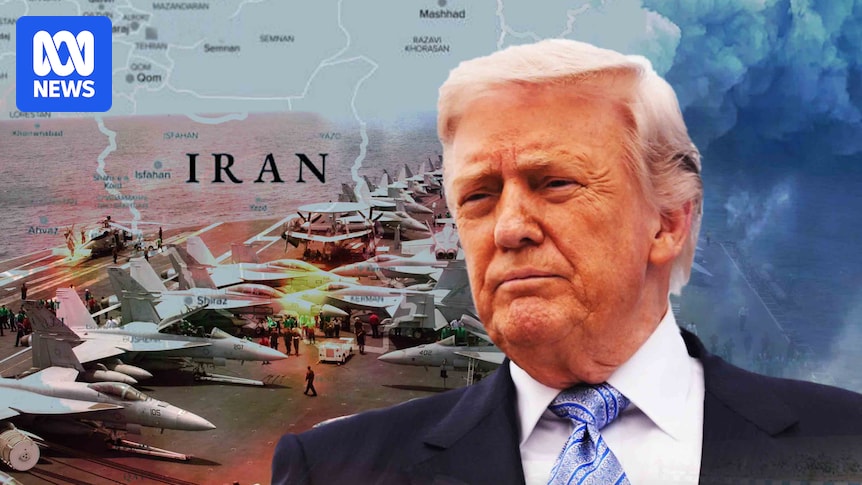
Iran agreeing to a ceasefire deal with the United States tells us Tehran likely had something to gain from signing on. This is what Iran is promoting as the 14-point deal.
2,470 words~11 min read