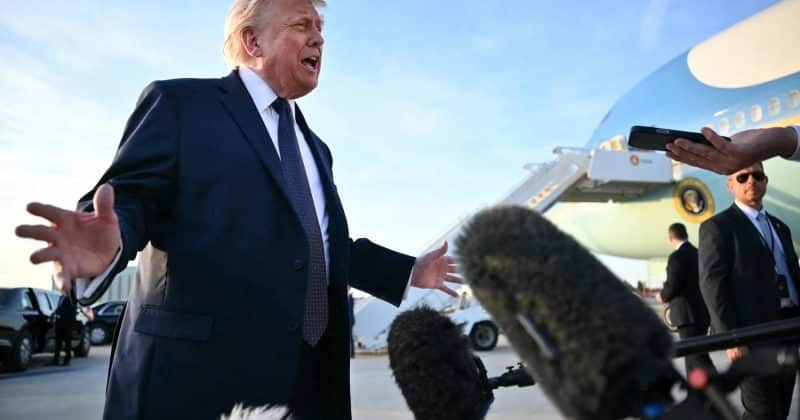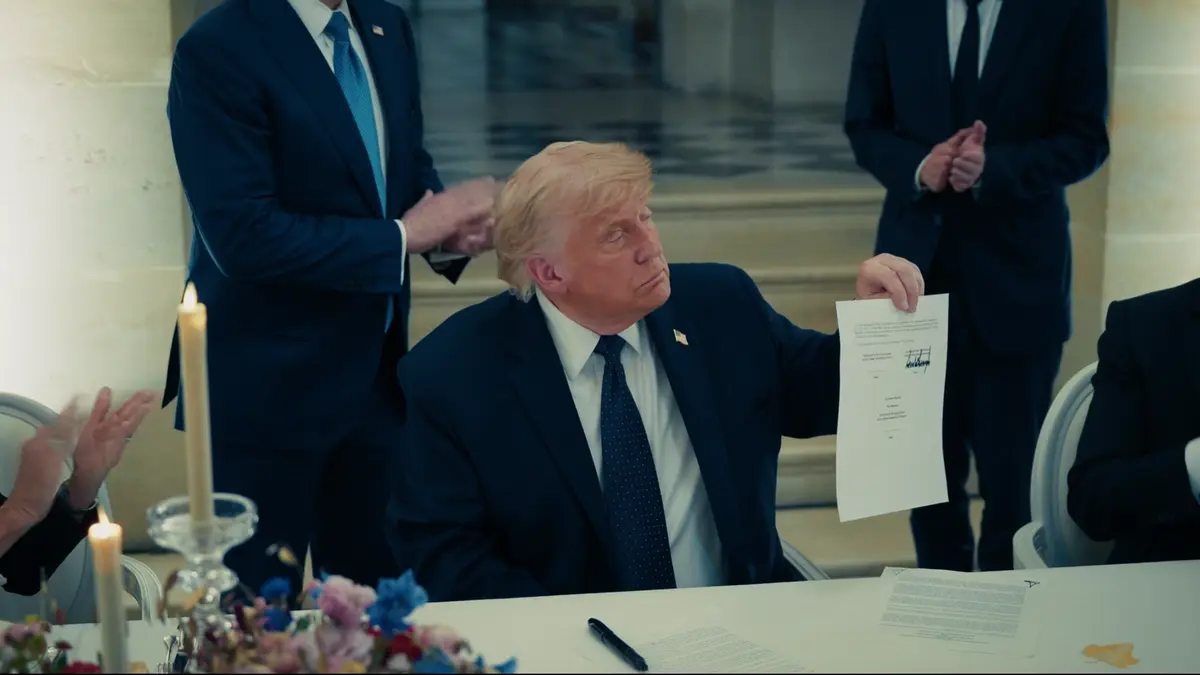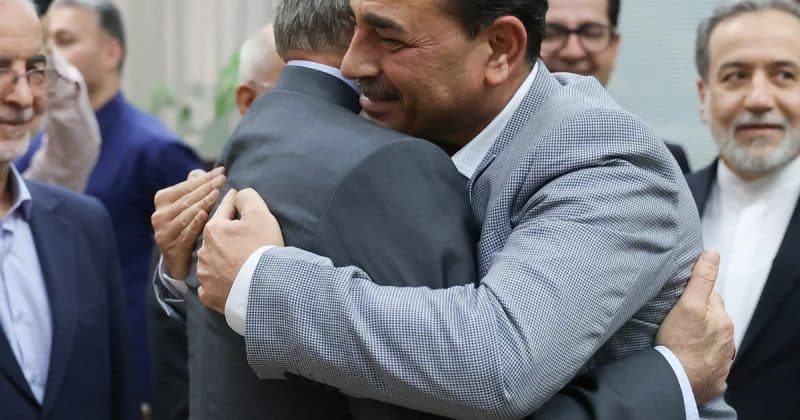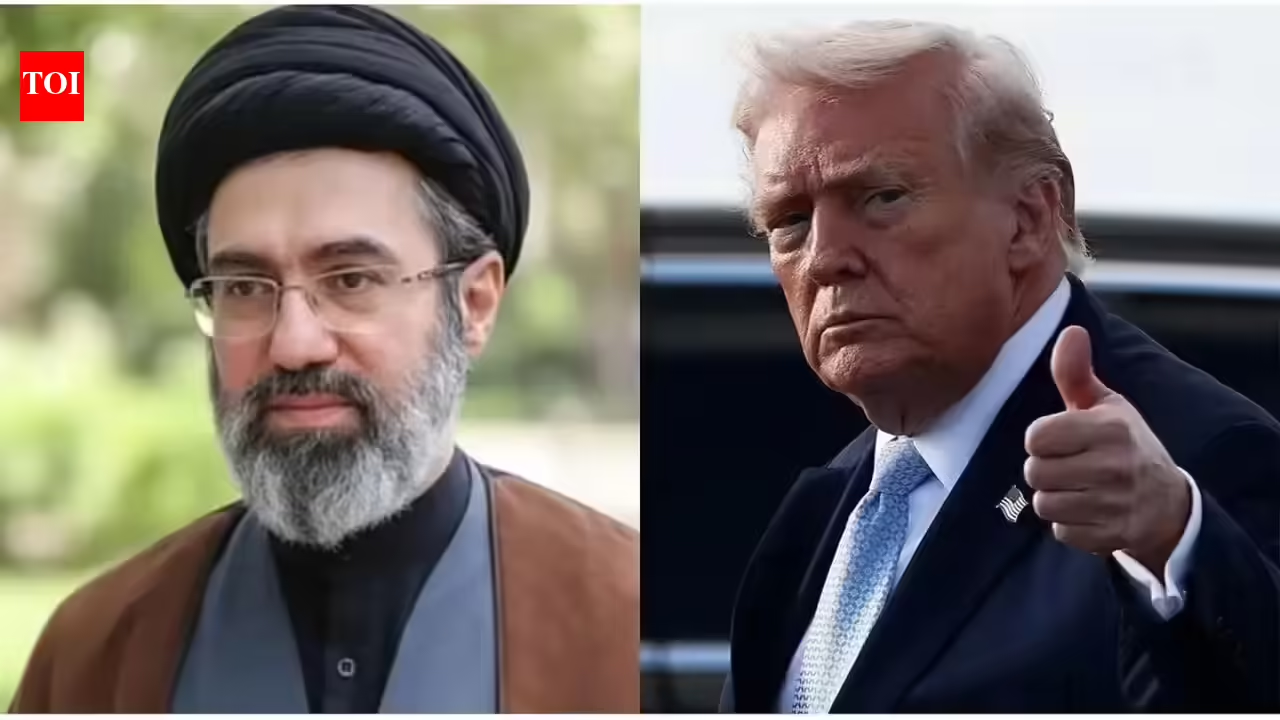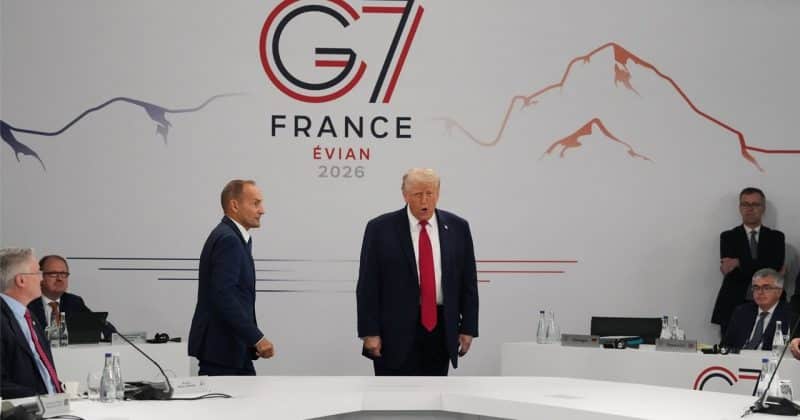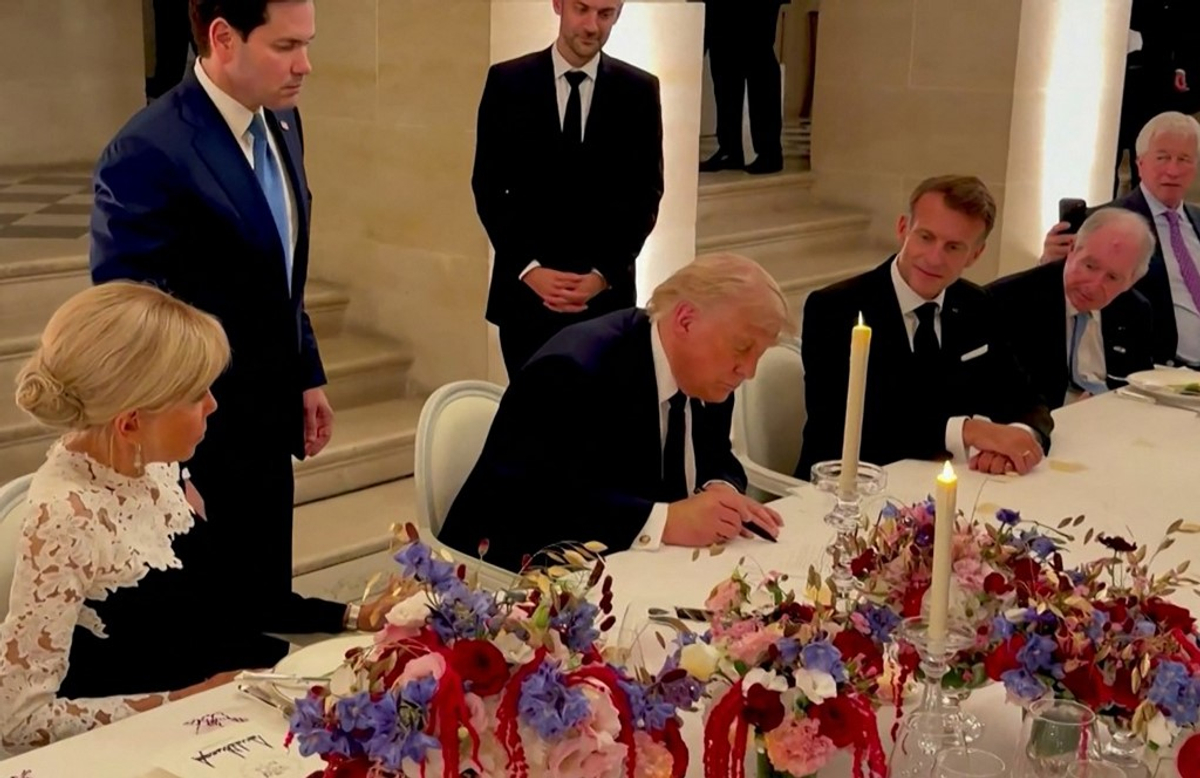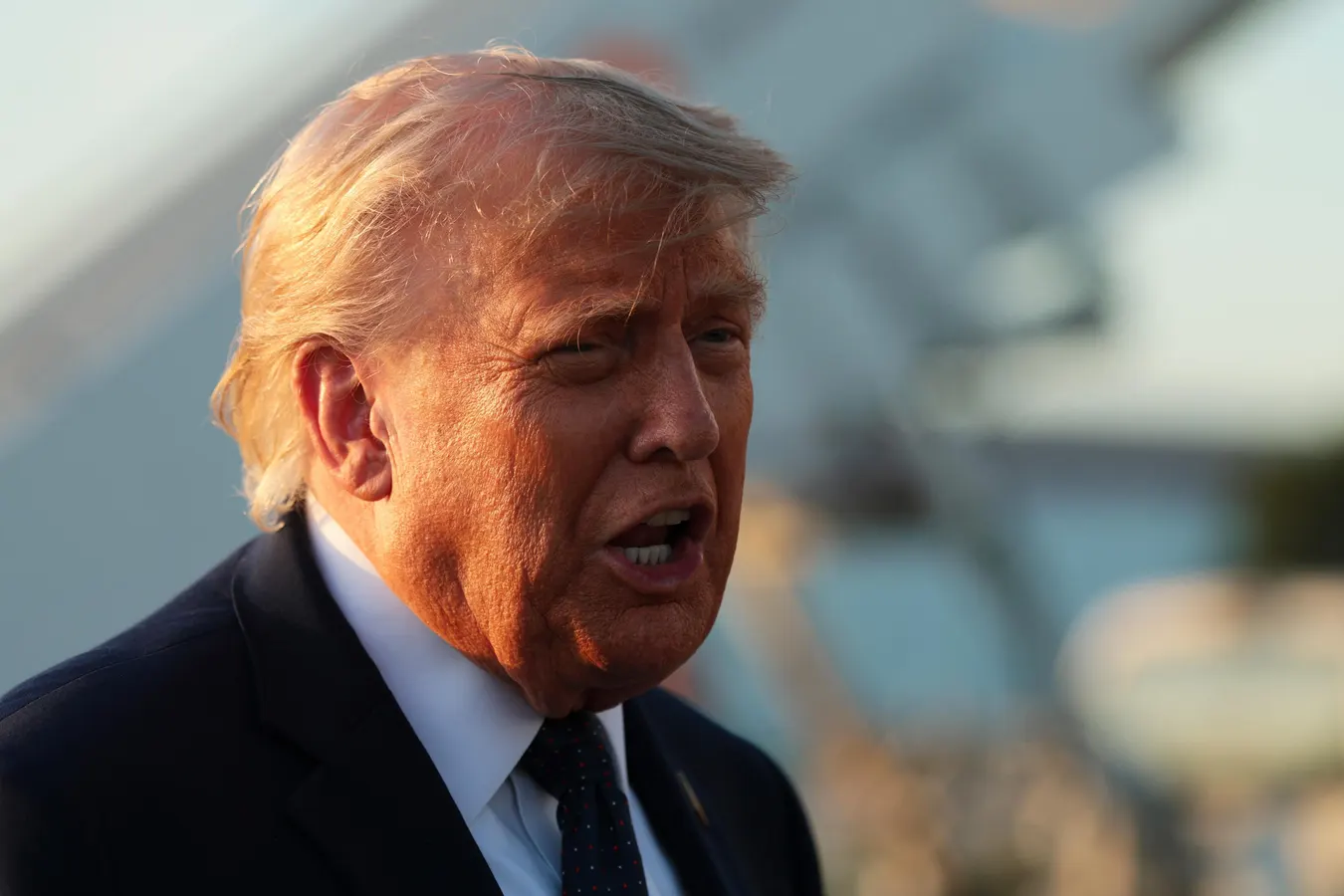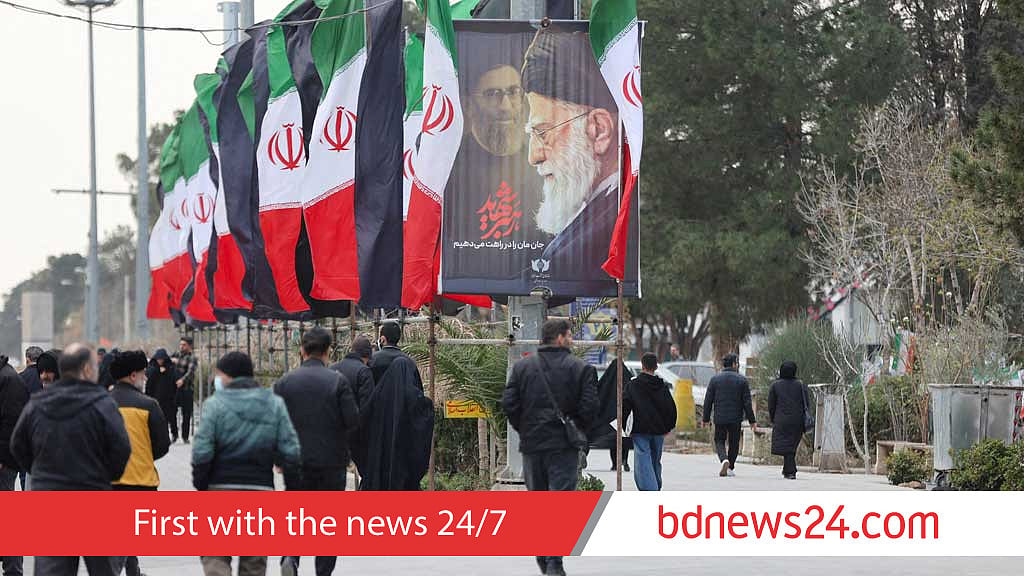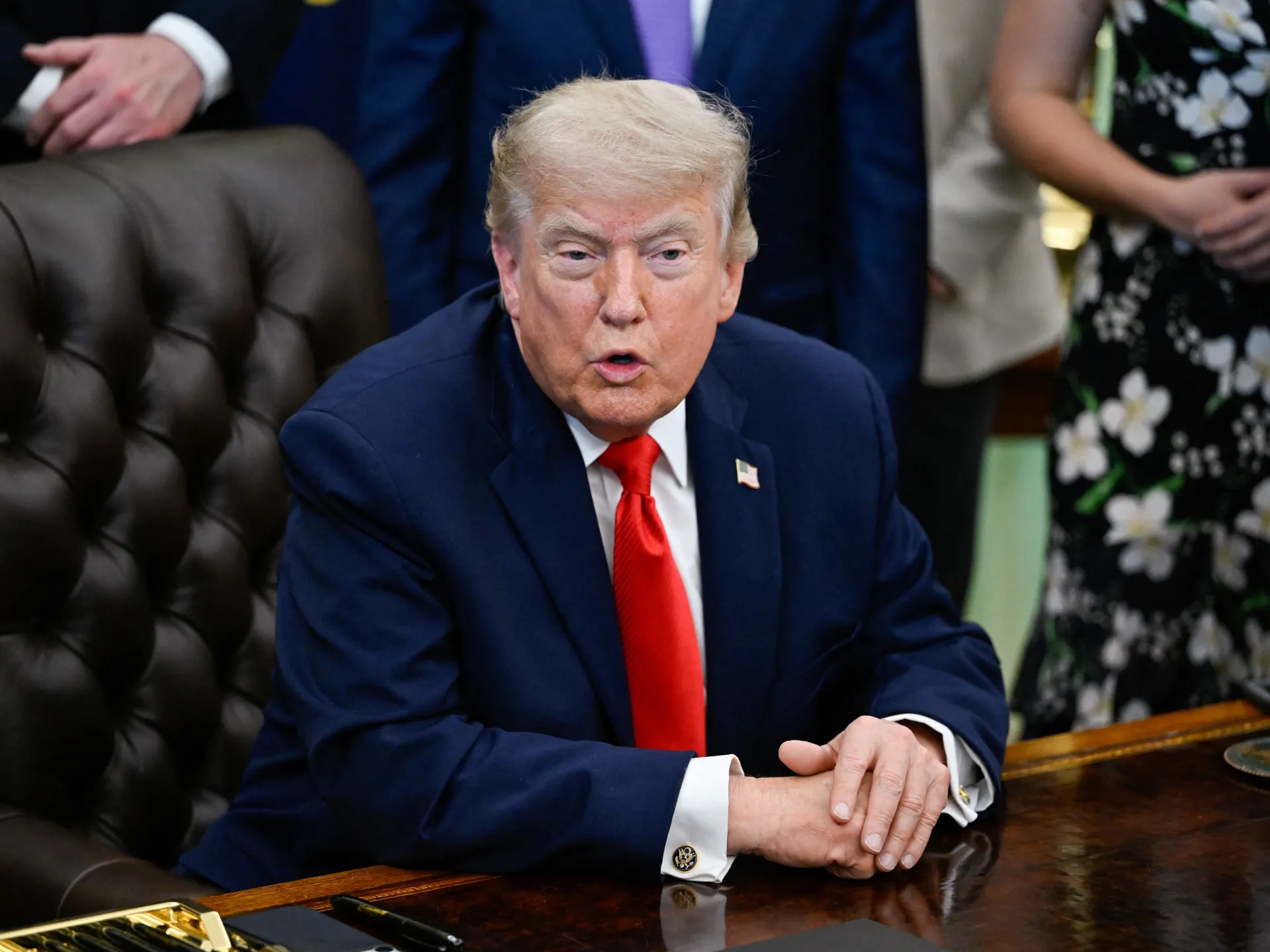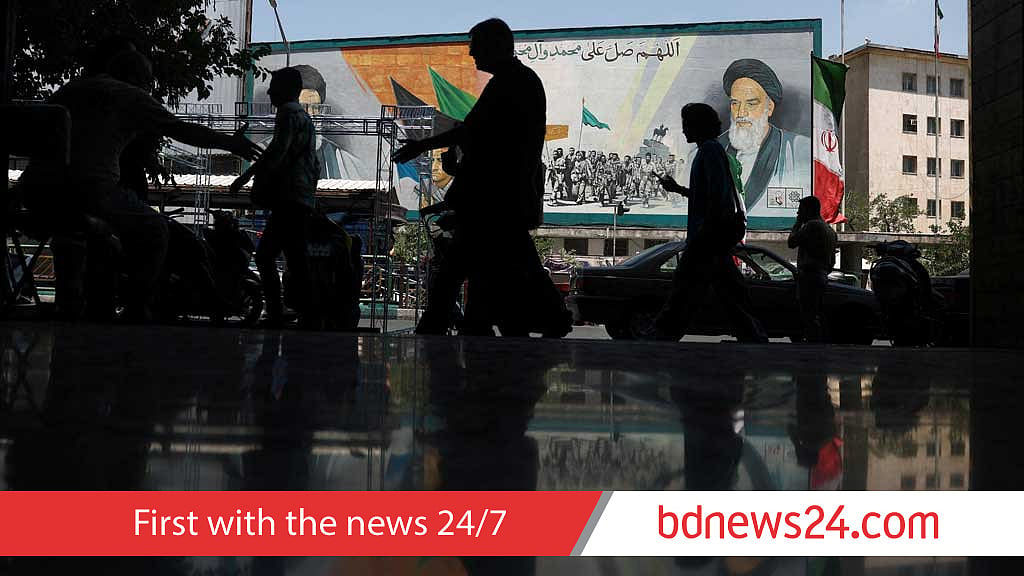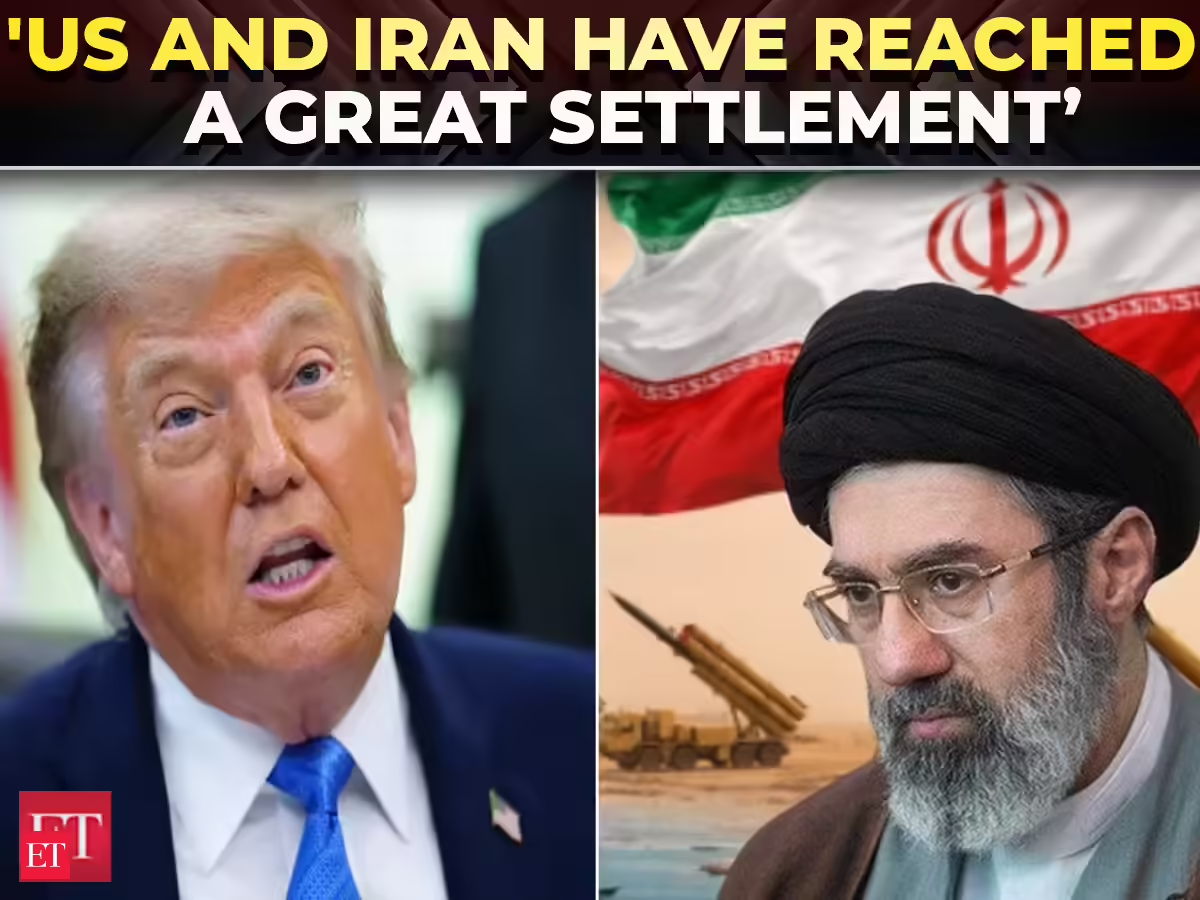
After more than 100 days of conflict, the US and Iran have agreed to stop shooting and start talking. President Donald Trump and Iranian President Masoud Pezeshkian finalized a memorandum of understanding around June 17, establishing a 60-day ceasefire that includes lifting the US naval blockade on Iranian ports and reopening the Strait of Hormuz toll-free.
What the deal actually says
The MOU is an interim agreement, not a permanent peace treaty. Under the terms, the US will immediately remove its blockade of Iranian ports. The Strait of Hormuz, through which roughly a fifth of the world’s oil supply passes on any given day, will reopen without tolls for the full 60-day ceasefire window.
Iran, for its part, is required to make “best efforts” to ensure safe passage of vessels through the strait during this period. The phrasing is deliberately soft. “Best efforts” in diplomatic language means something closer to “we’ll try” than “we guarantee it,” which gives Tehran some wiggle room if incidents occur.
The harder negotiations come next. Discussions on Iran’s nuclear program, uranium enrichment activities, and potential sanctions relief are all slated to follow.