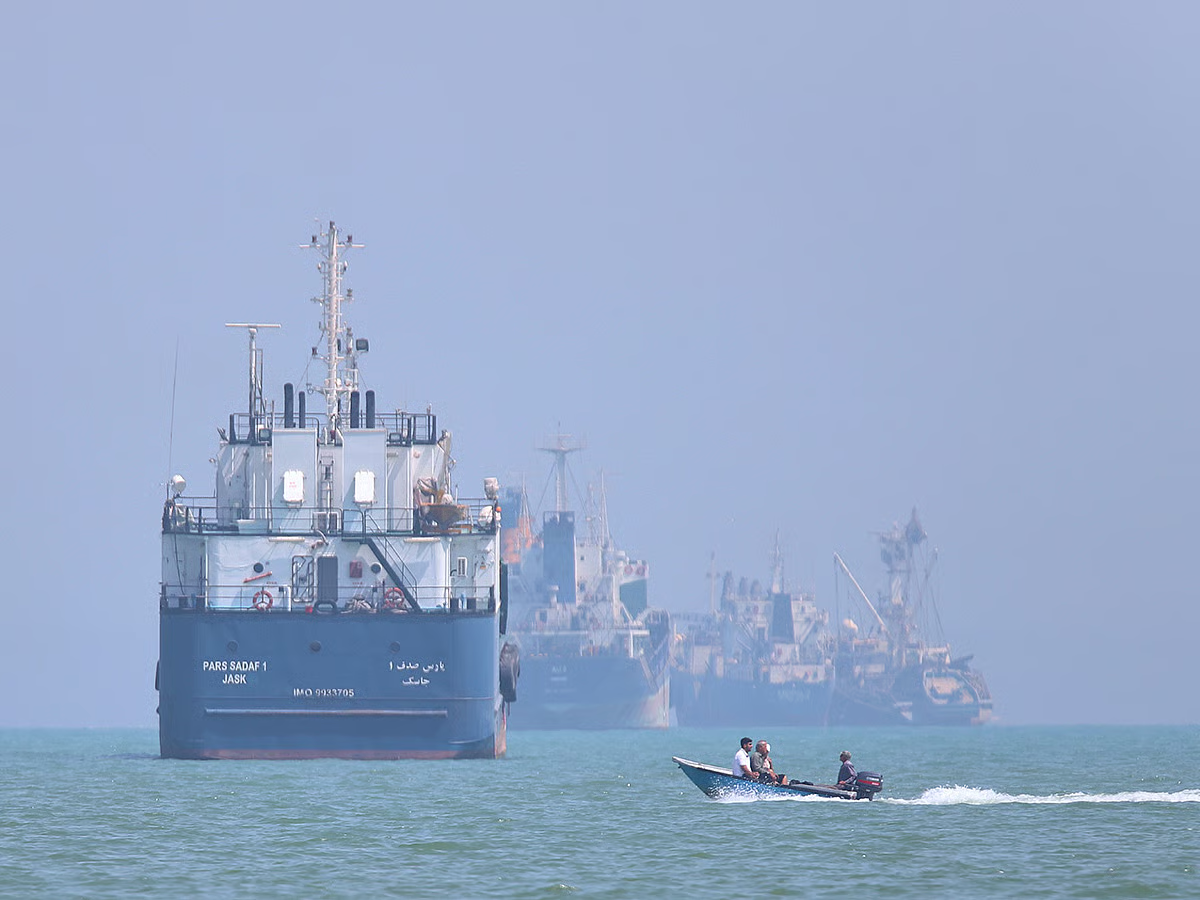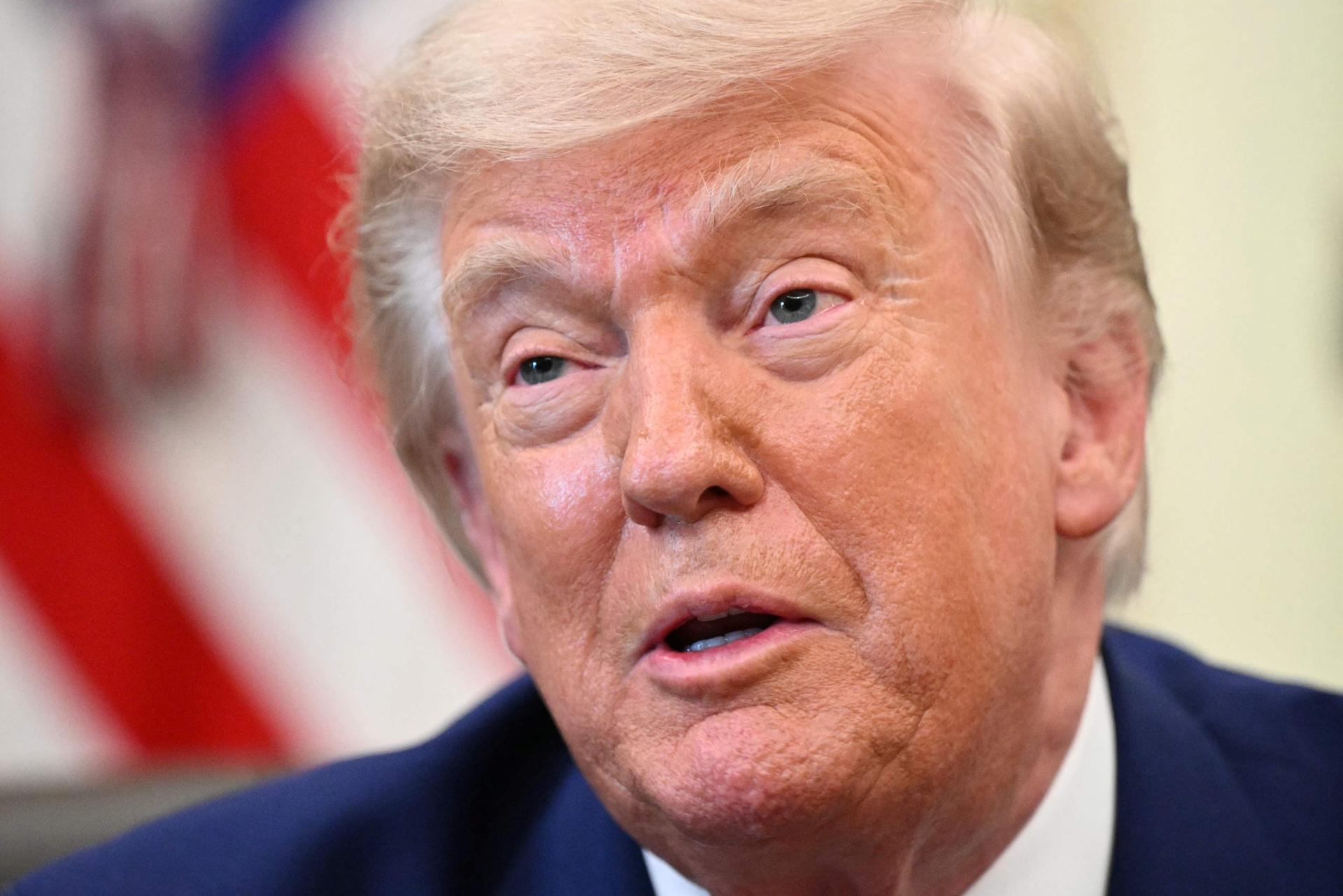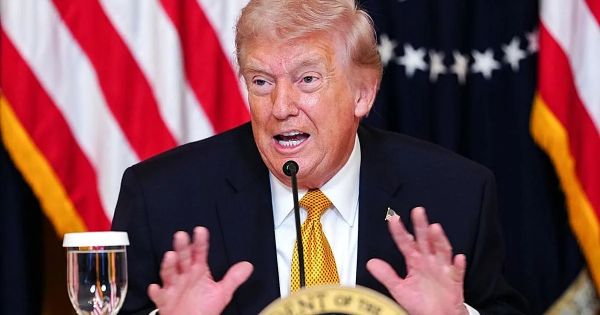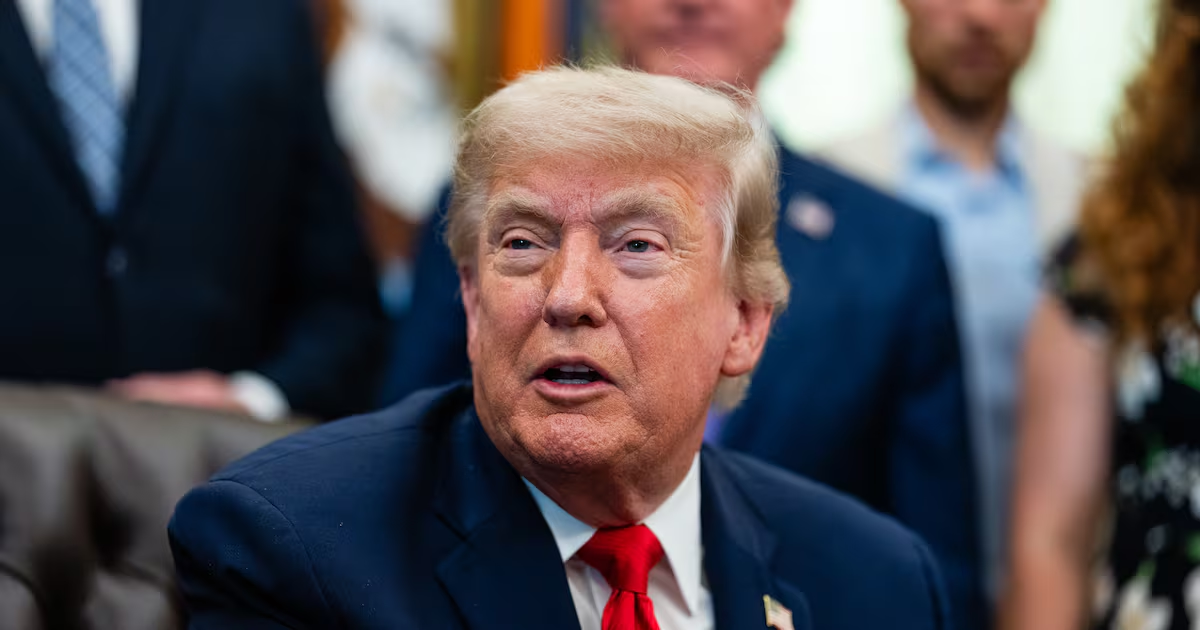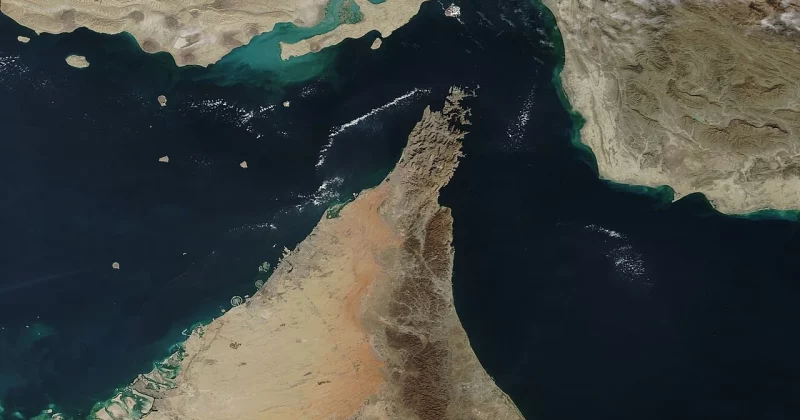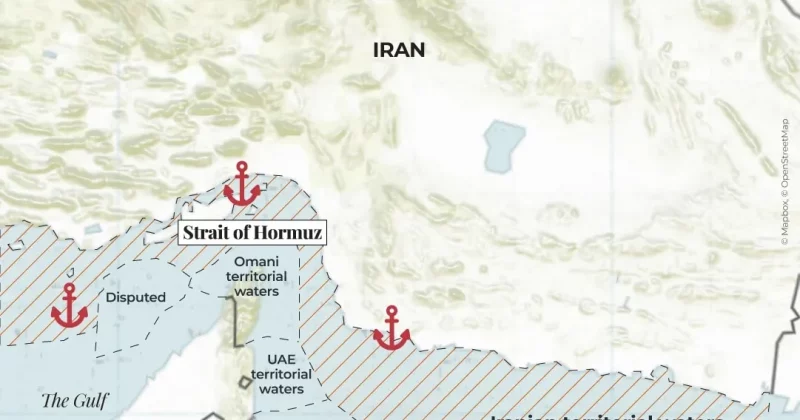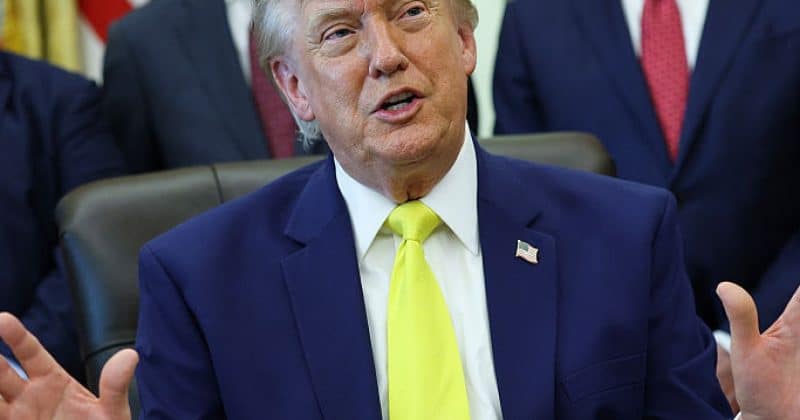
The United States and Iran reached a tentative agreement on June 14 to reopen the Strait of Hormuz, lift the US naval blockade on Iranian ports, and extend a ceasefire that has paused months of military conflict in the region. President Trump confirmed the deal on social media, emphasizing that that shipping through the strait would resume toll-free.
The agreement is structured as a memorandum of understanding, not a comprehensive peace treaty. The US lifts its naval blockade on Iranian ports, the Strait of Hormuz reopens for toll-free commercial shipping, and both sides agree to a 60-day ceasefire extension. Iran’s nuclear ambitions remain unresolved, Iranian governance is unchanged, and no long-term security framework for the region is established.
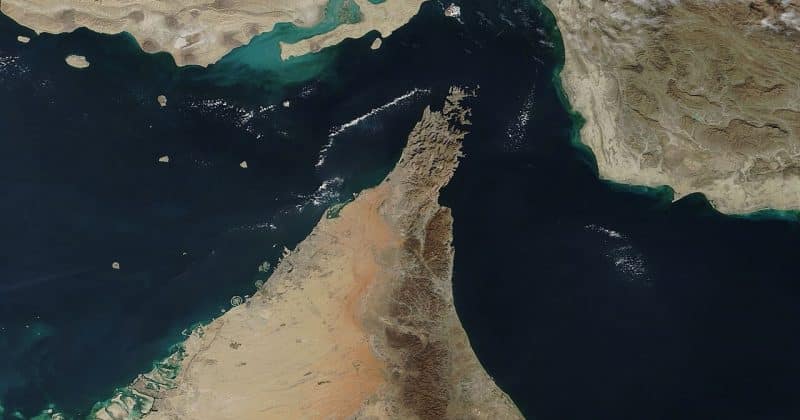
The conflict traces back to US and Israeli military actions against Iran in late 2025 and early 2026. The Strait of Hormuz, a narrow waterway through which roughly one-fifth of the world’s oil supply transits daily, became the central chokepoint. During the conflict, Iran reportedly sought transit payments in cryptocurrency from vessels navigating the strait.
Bitcoin rallied immediately on the news. When the strait was effectively closed, oil supply fears ratcheted up, pushing energy costs higher. The reopening reverses that pressure, at least temporarily. Historical episodes of Strait of Hormuz disruption have correlated with notable price swings in Bitcoin and other major tokens.