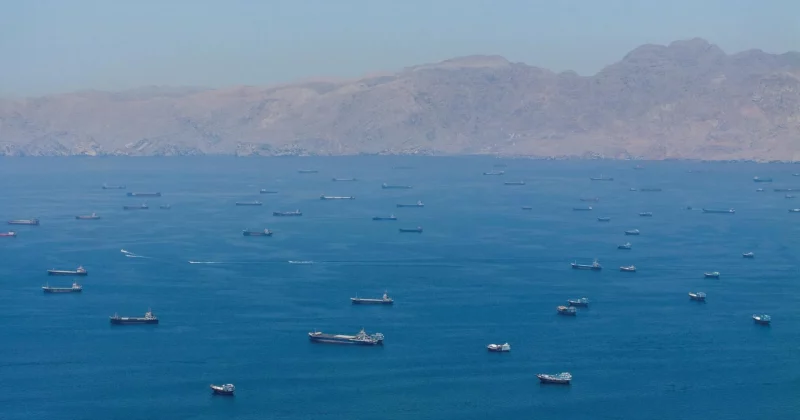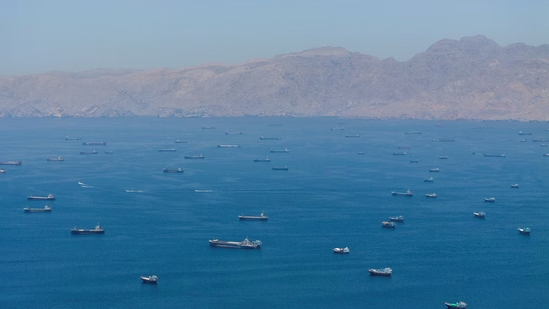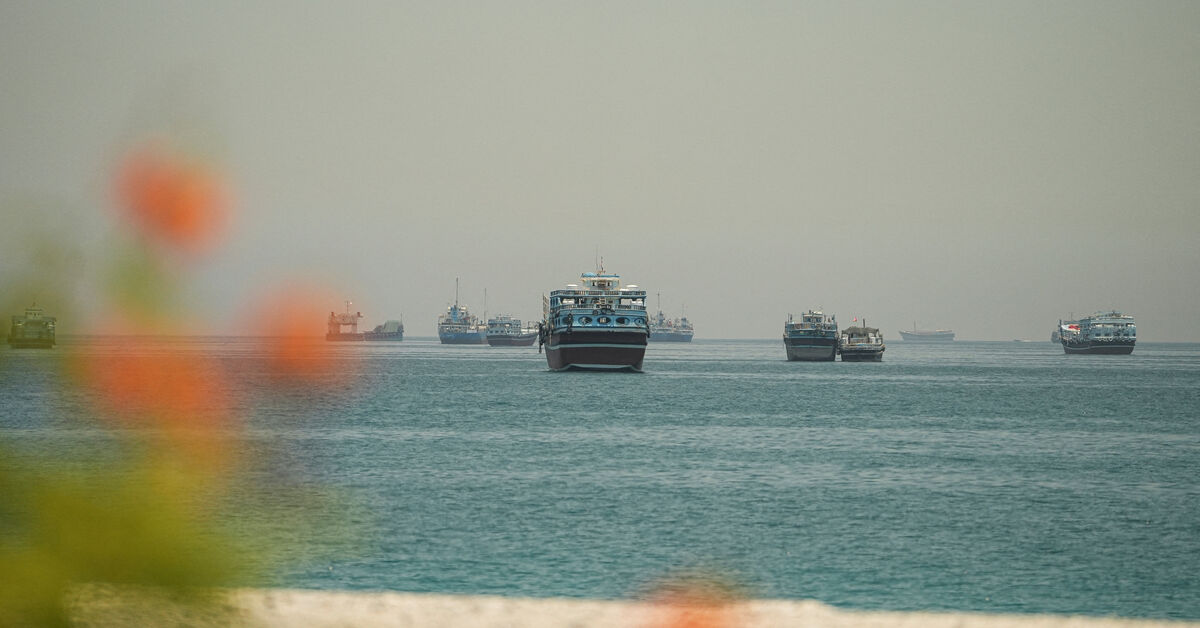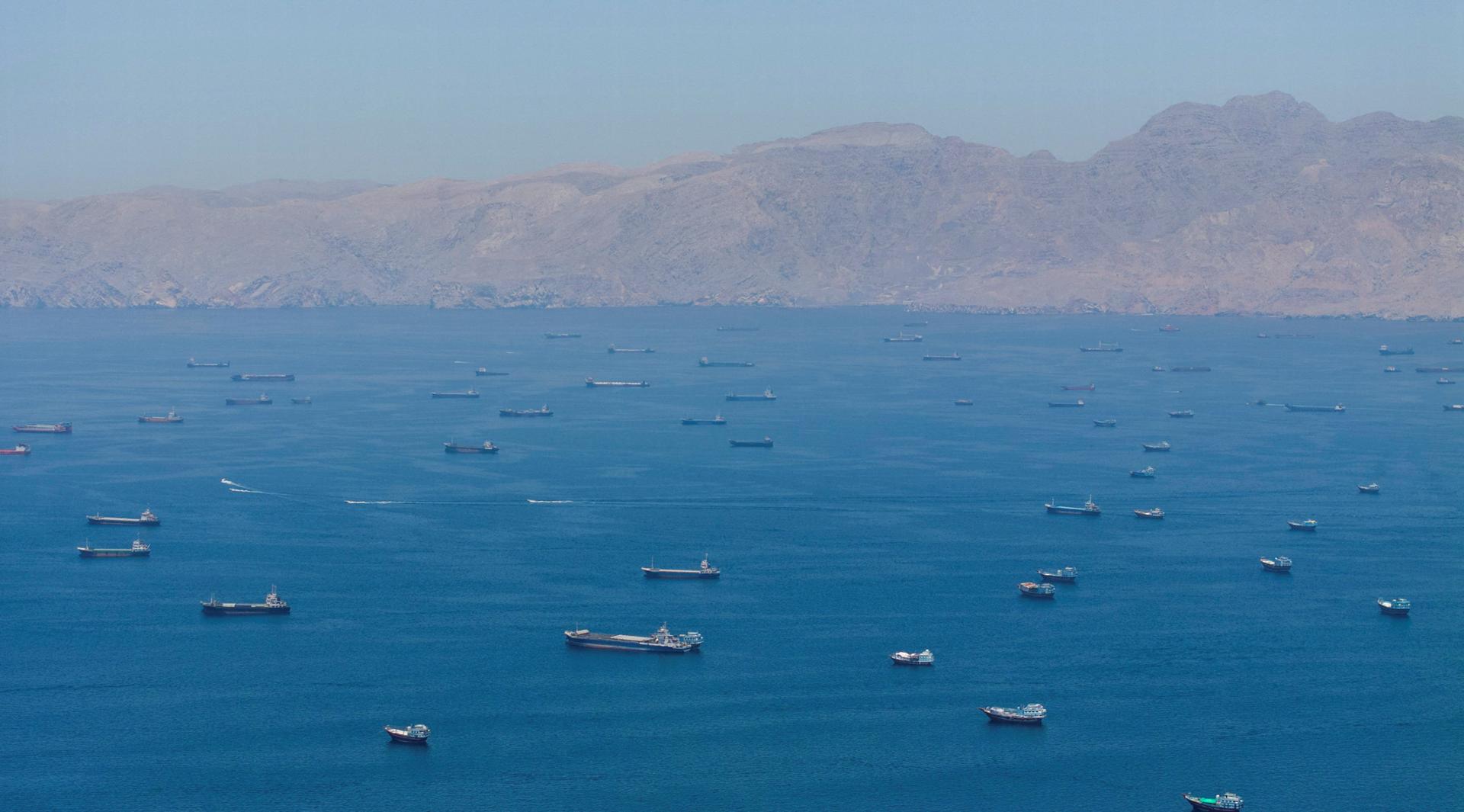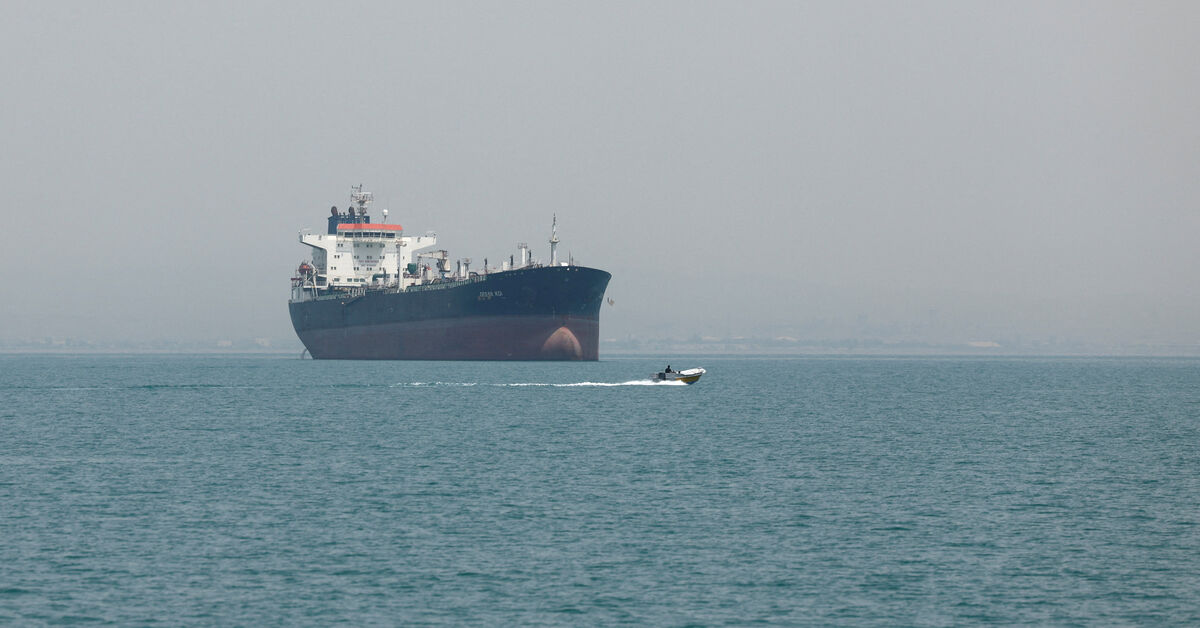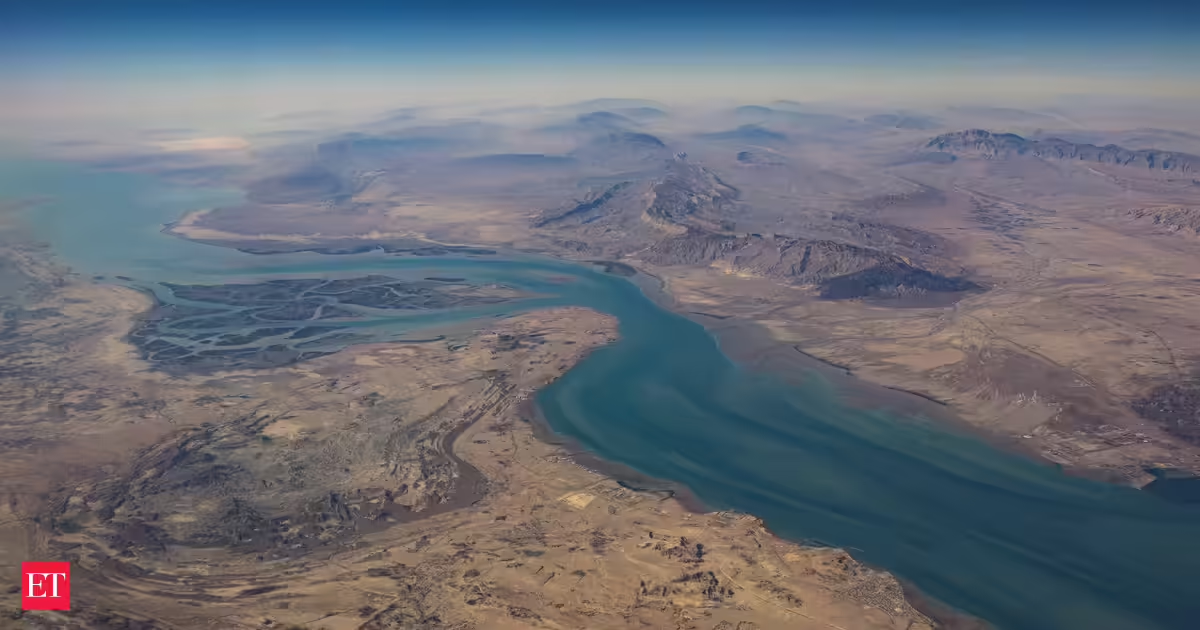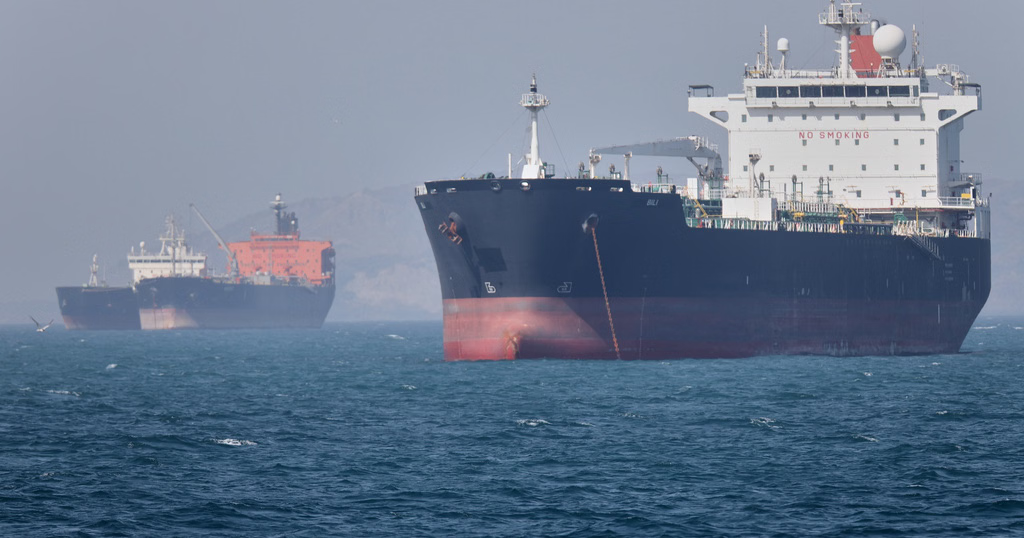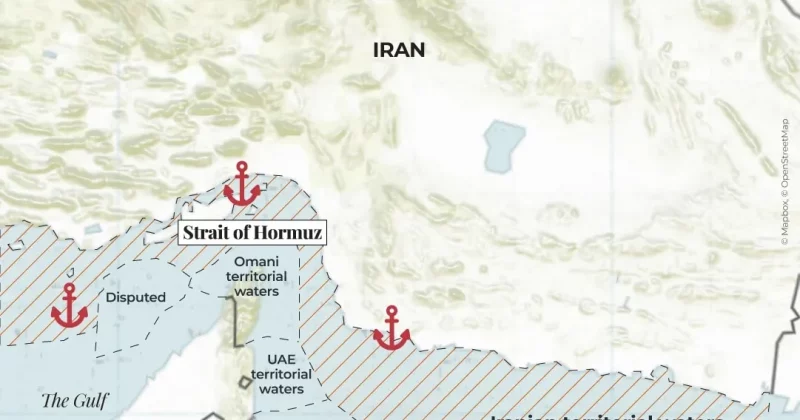
Iran and the US are negotiating a draft agreement to reopen commercial shipping through the Strait of Hormuz, the narrow waterway that handles roughly a fifth of the world’s daily oil supply. On May 23, President Trump said the deal was “largely negotiated.”
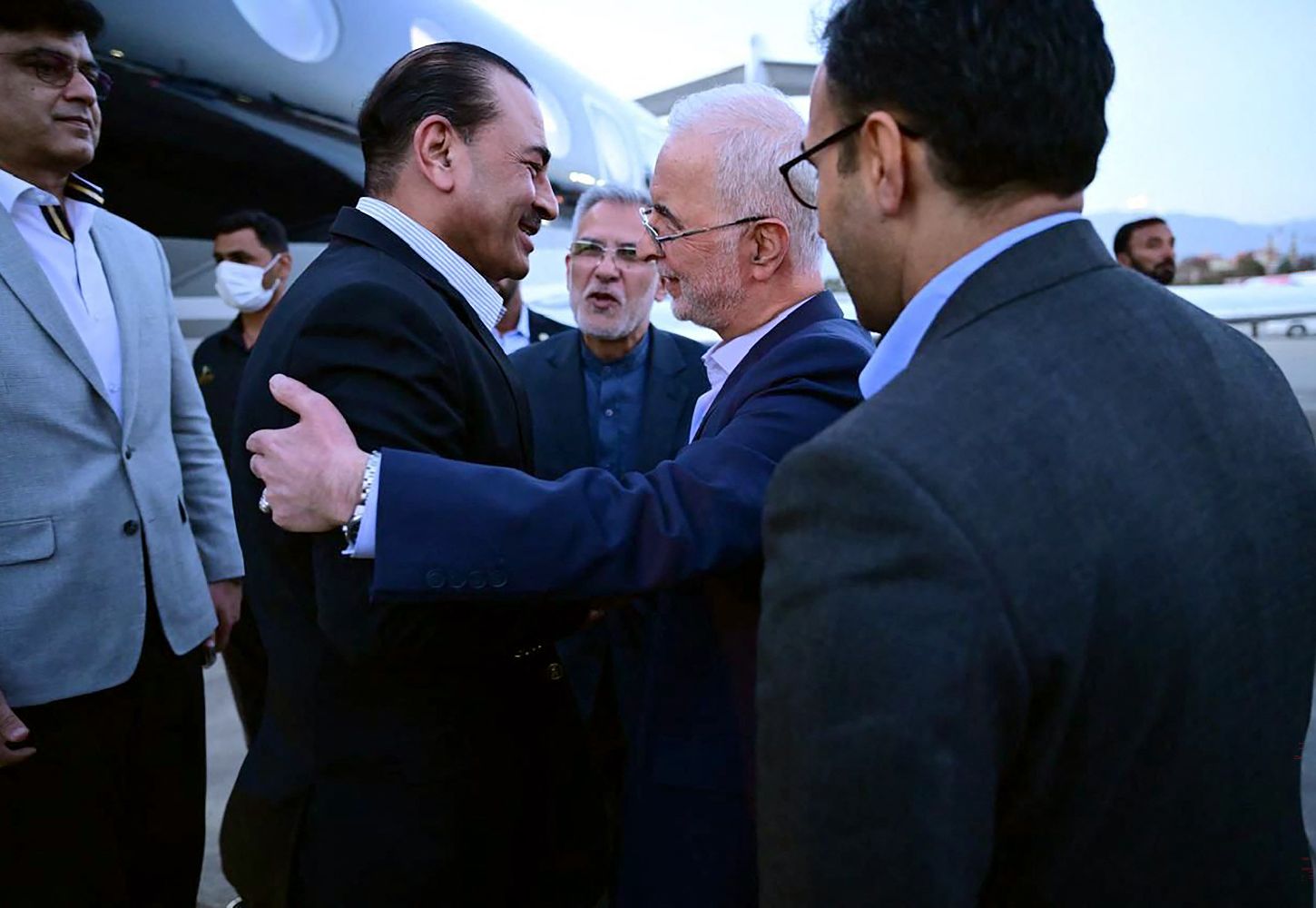
The framework, brokered through Pakistani mediators, would establish a 30-to-60-day memorandum of understanding. During that window, Iran would begin clearing mines from the strait and allow commercial vessels to transit toll-free, while the US would lift its naval blockade of Iranian ports. Nuclear talks, sanctions relief, and frozen assets are all deliberately pushed to later rounds of discussion.
How we got here
The current crisis traces back to February 28, 2026, when Iranian military strikes escalated tensions to a breaking point. Iran subsequently closed the Strait of Hormuz to commercial traffic. The US responded by enforcing a naval blockade of Iranian ports starting in mid-April, creating a standoff that effectively choked one of the most important shipping lanes on the planet.
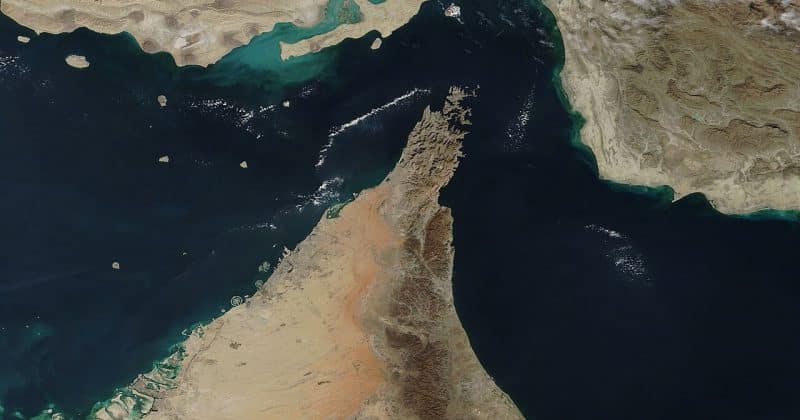
The strait’s closure didn’t just affect oil. Liquefied natural gas, petrochemicals, and containerized cargo all flow through the same 21-mile-wide chokepoint between Iran and Oman.