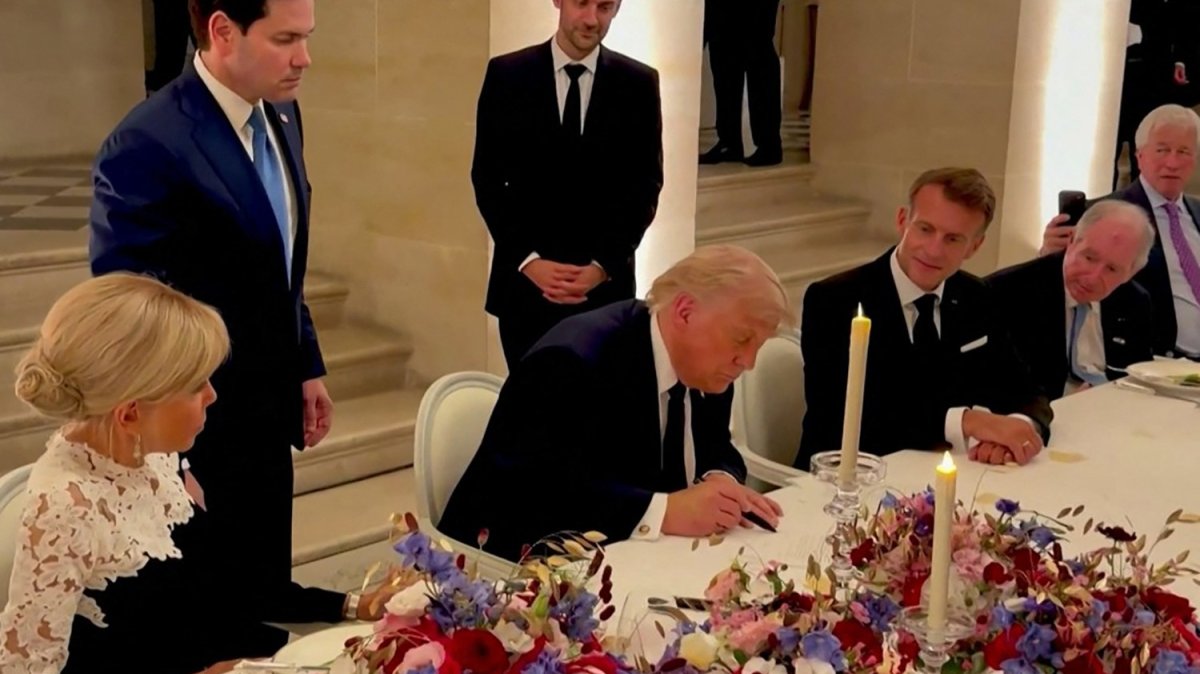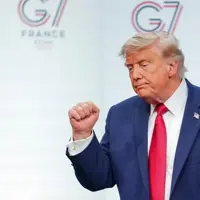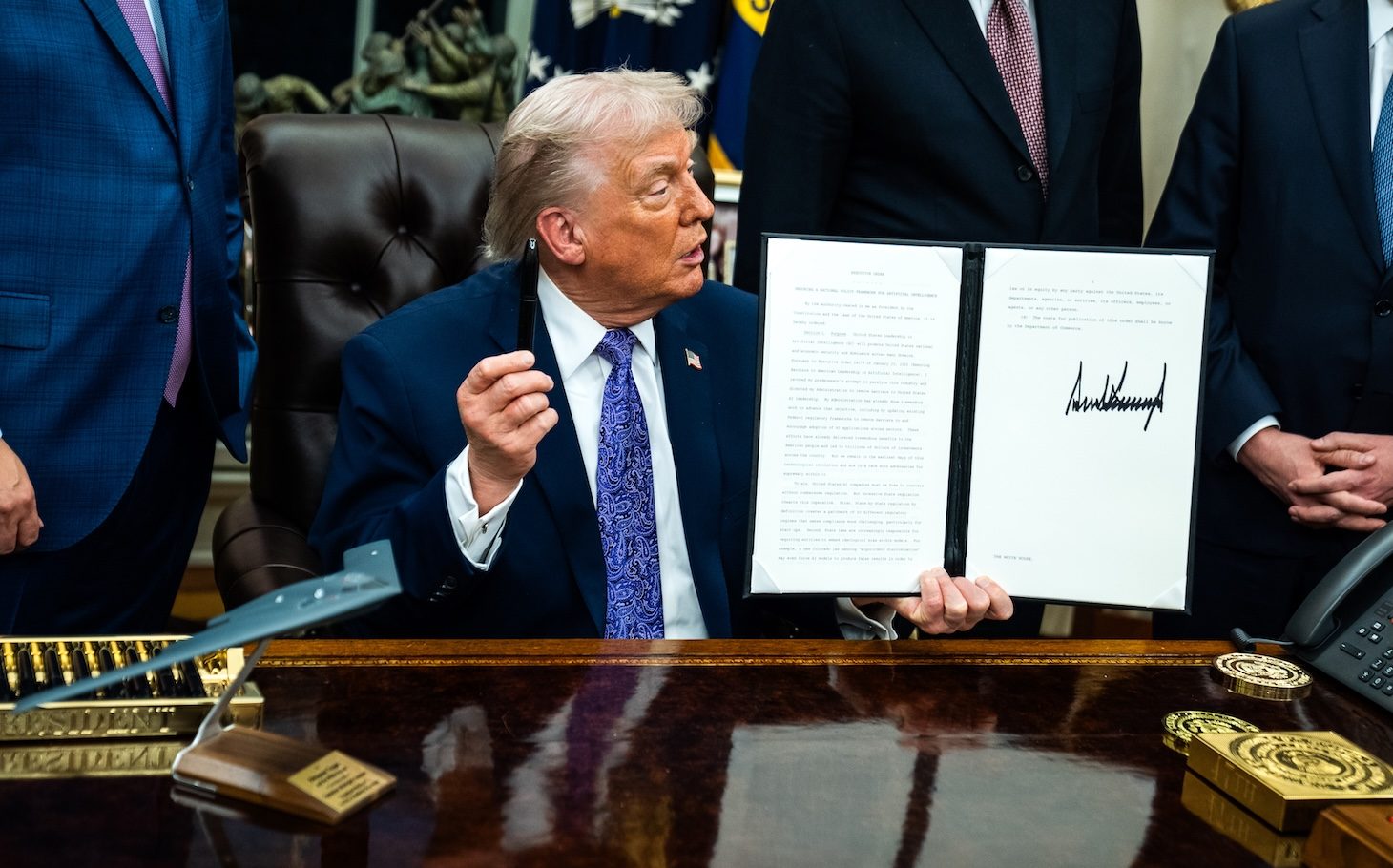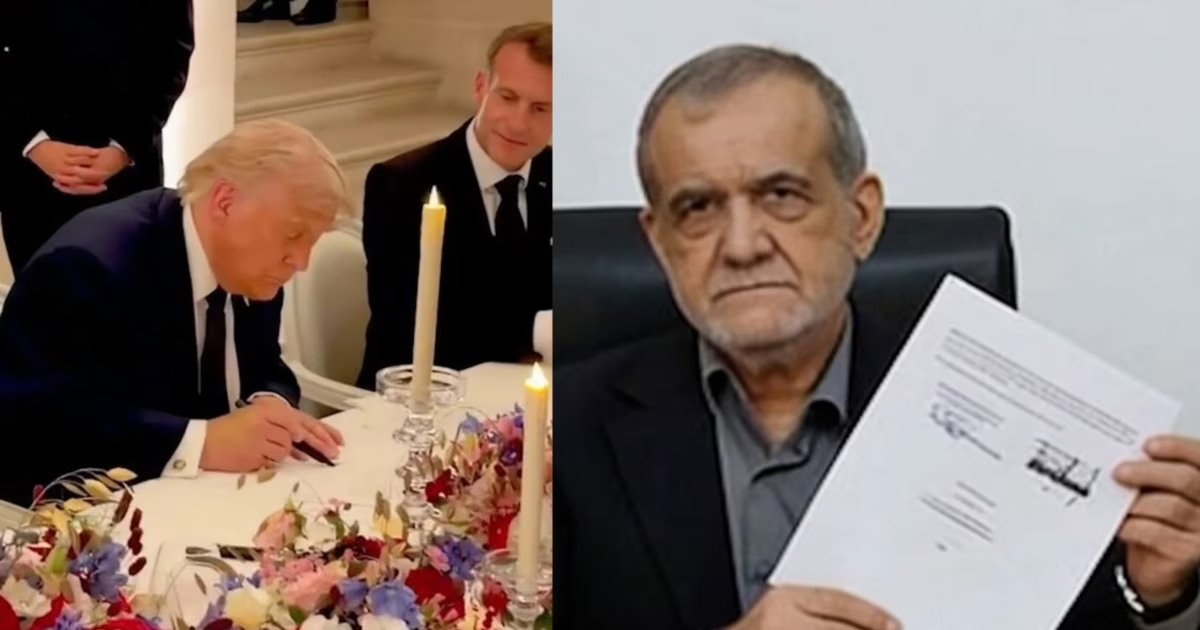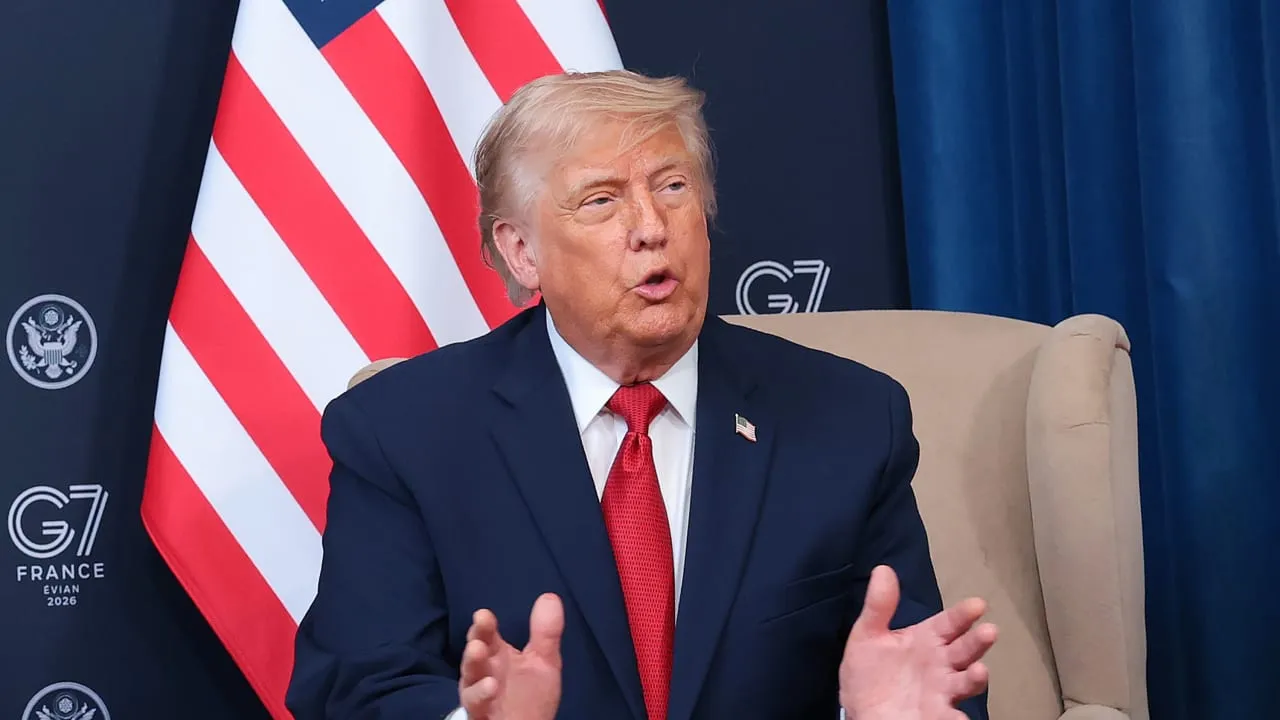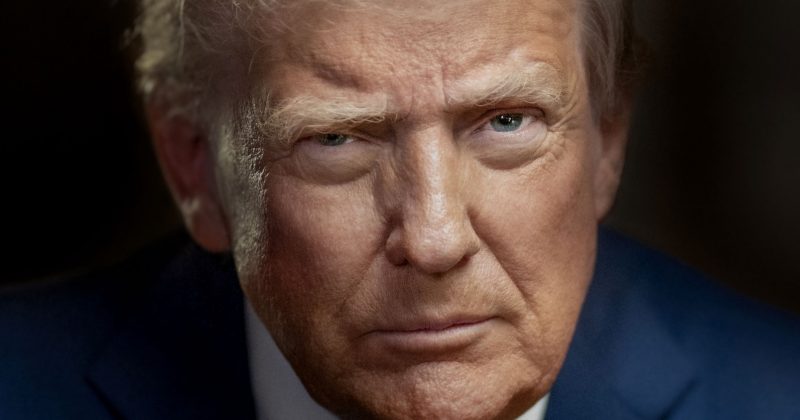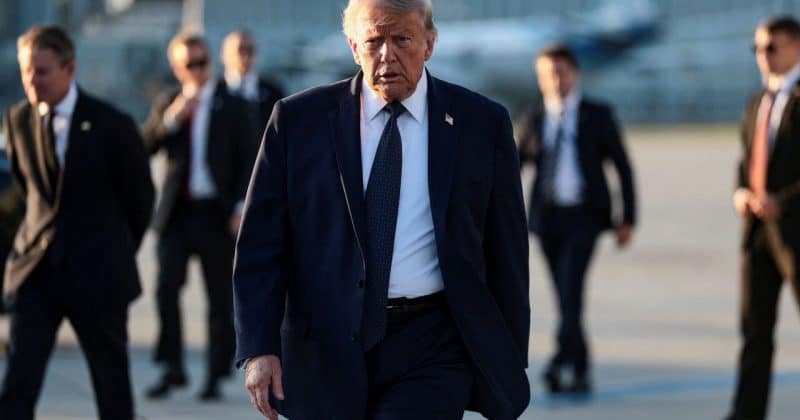
President Donald Trump signed a memorandum of understanding with Iran on June 17, 2026, marking the most significant diplomatic breakthrough between Washington and Tehran in decades. The agreement, inked on the sidelines of the G7 summit in France, lays out a framework for ending hostilities that had been escalating throughout 2026.
Iranian President Masoud Pezeshkian also signed the document, confirming both nations’ commitment to the process. The MOU was executed in both electronic and hard copy formats, a procedural detail that underscores the formality of a moment many thought would never arrive.
What the 14-point agreement actually says
The memorandum contains 14 points centered on peace efforts and strategic negotiations between the two countries. Among the most consequential provisions: the reopening of the Strait of Hormuz, the narrow waterway through which a massive share of the world’s oil supply passes.
The MOU also mandates further negotiations on Iran’s nuclear program and sanctions relief within a 30-to-60-day window following the signing. Trump emphasized that the agreement asserts Iran will not acquire nuclear weapons, a red line his administration had drawn repeatedly in the months leading up to the deal.