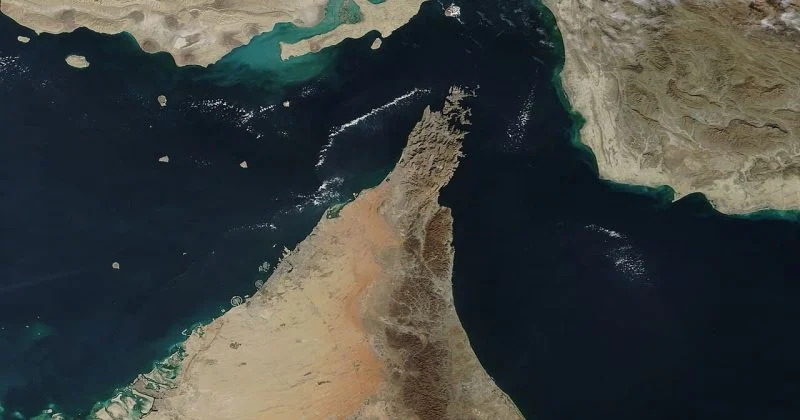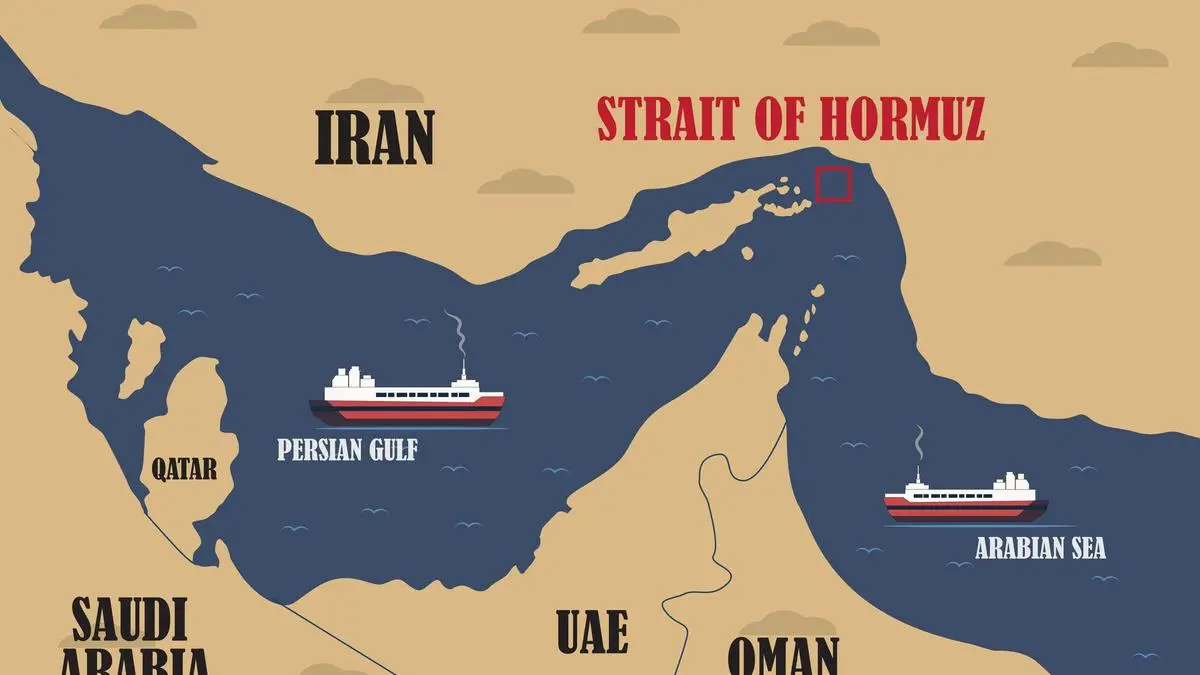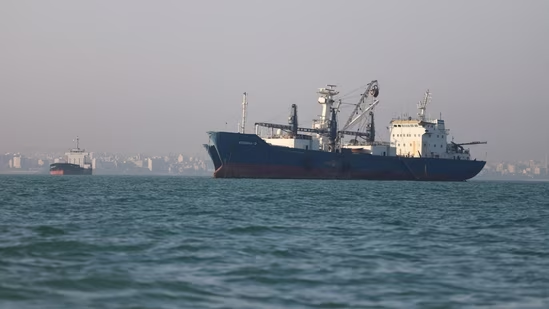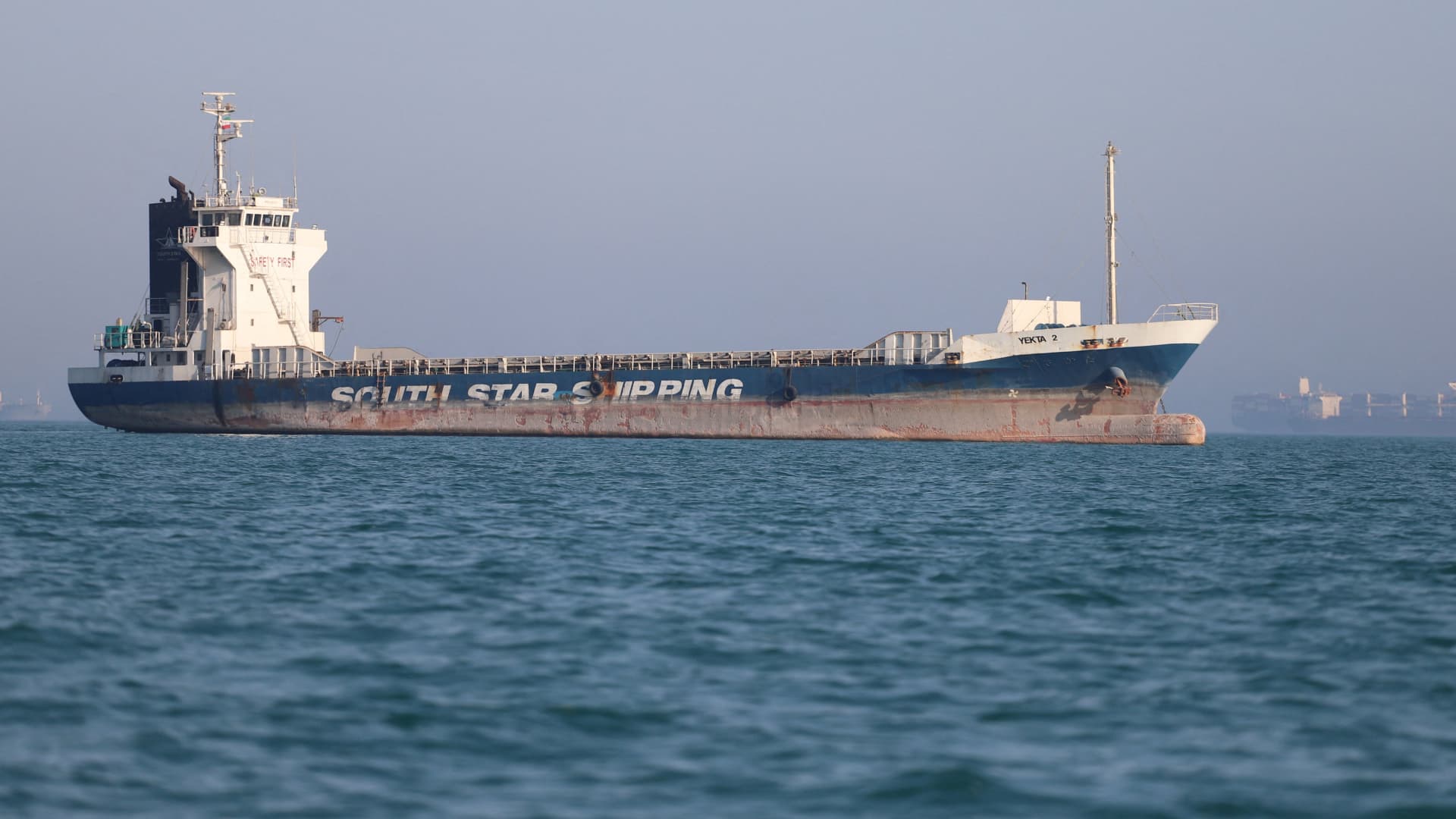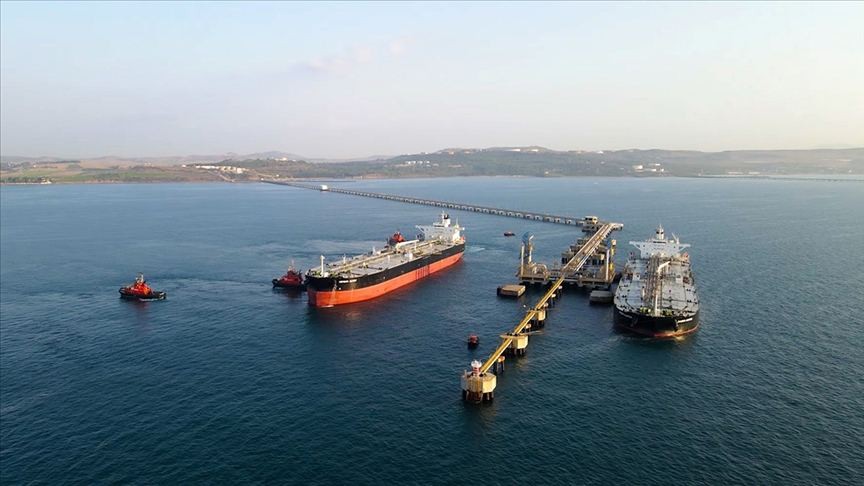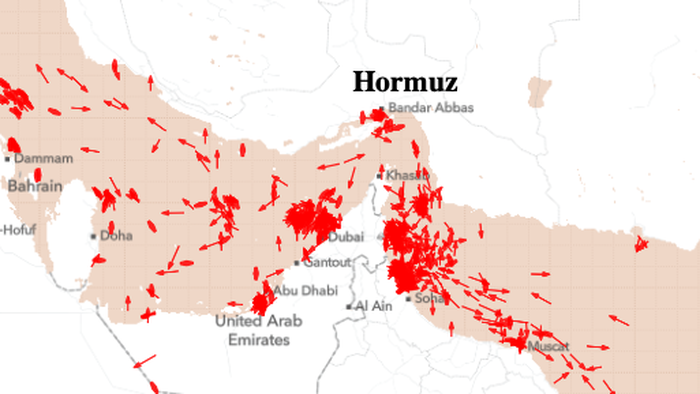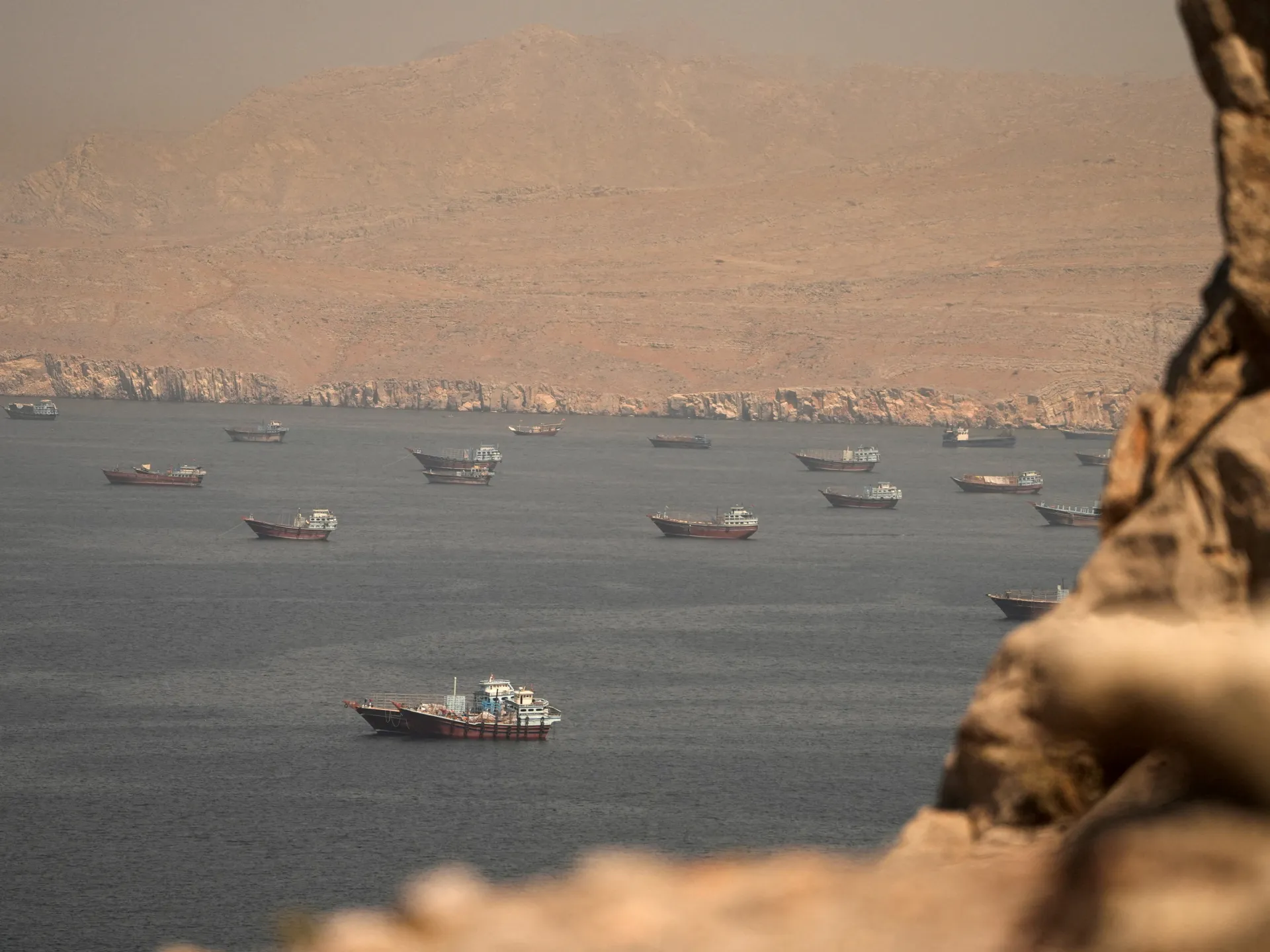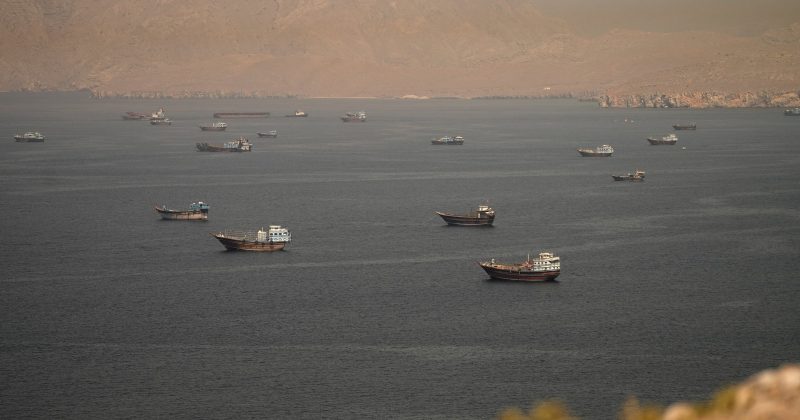
An interim US-Iran deal to end their months-long war and potentially fully reopen the Strait of Hormuz is likely to trigger a rush of grain imports to nations in the Persian Gulf after months of reliance on longer, less efficient routes.A vital conduit for global commodity trade, Hormuz has been effectively closed since the first strikes on Iran at the end of February. The closure has reshaped regional grain flows, forcing importers to use ports outside the strait that are often not equipped to handle grain cargoes. The Gulf is among the world’s most import-dependent food markets, relying on overseas supplies for roughly 90% of its food consumption. Iran alone ranks among the world’s largest buyers of soybean meal and is also a major importer of Brazilian corn. Many of the region’s main grain import hubs — such as Jebel Ali in the United Arab Emirates, Dammam in Saudi Arabia and Iran’s Bandar Imam Khomeini — lie behind the strait. “For grains, you need the specialist equipment to handle it, like silos. They will eventually have to go back to those ports in the Middle East Gulf,” said Alexis Ellender, lead dry bulk analyst at Kpler. There are a few vessels moving in and out of the Gulf, “but you’re looking at maybe three dry bulk carriers a day on average. Normally, it would be above 20.”BloombergThat’s kept the region’s total grain imports well below historical levels. In May, overall grain imports to the region fell to 942,000 tons, down more than 50% from a year ago, Kpler data show, highlighting the extent to which alternative routes have failed to replace pre-war flows through the Strait of Hormuz.Still, while a reopening of the waterway would allow buyers to return to their preferred ports, a large backlog of vessels waiting to transit could create short-term congestion across shipping and port networks.“The region will want to restock,” said Louisa Follis, director of dry cargo analysis at Clarksons. Still, “there’s a lot of logistics to sort out. I think there’s going to be plenty of inefficiency in the market.”
Hormuz reopening seen unleashing pent-up Gulf grain demand
The region relies heavily on imported food. A rush of grain is expected to reach these nations.
346 words~2 min read