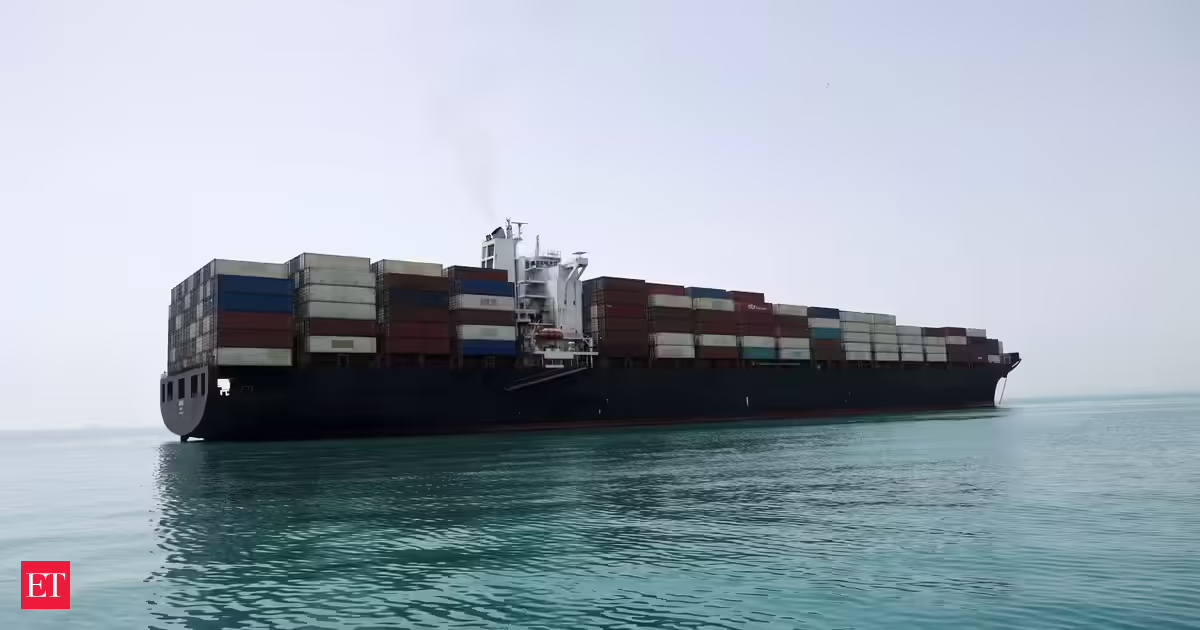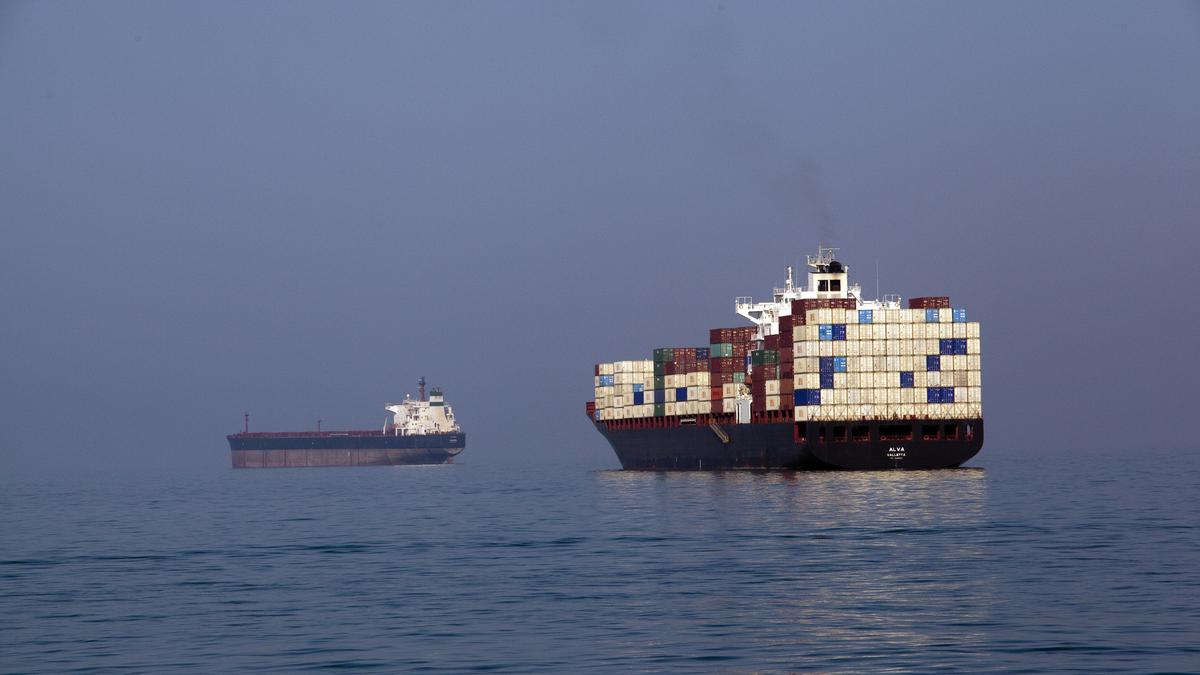
India imports more than 85 per cent of its crude oil needs and has extensive trade links with Gulf countries
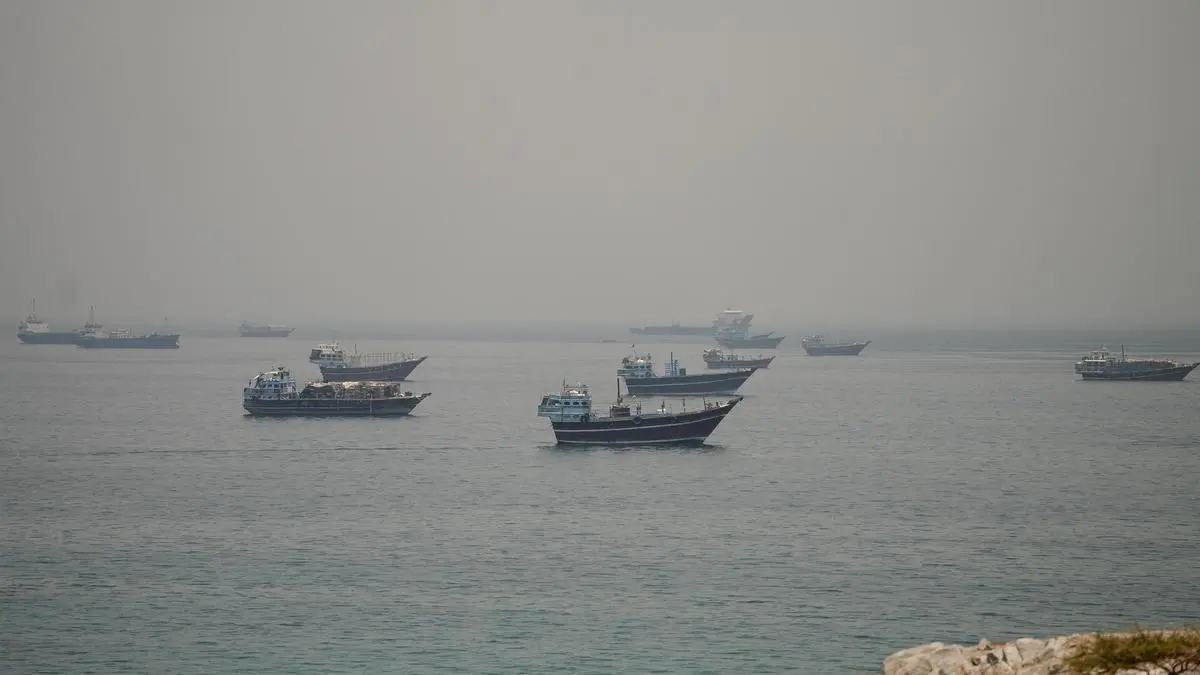
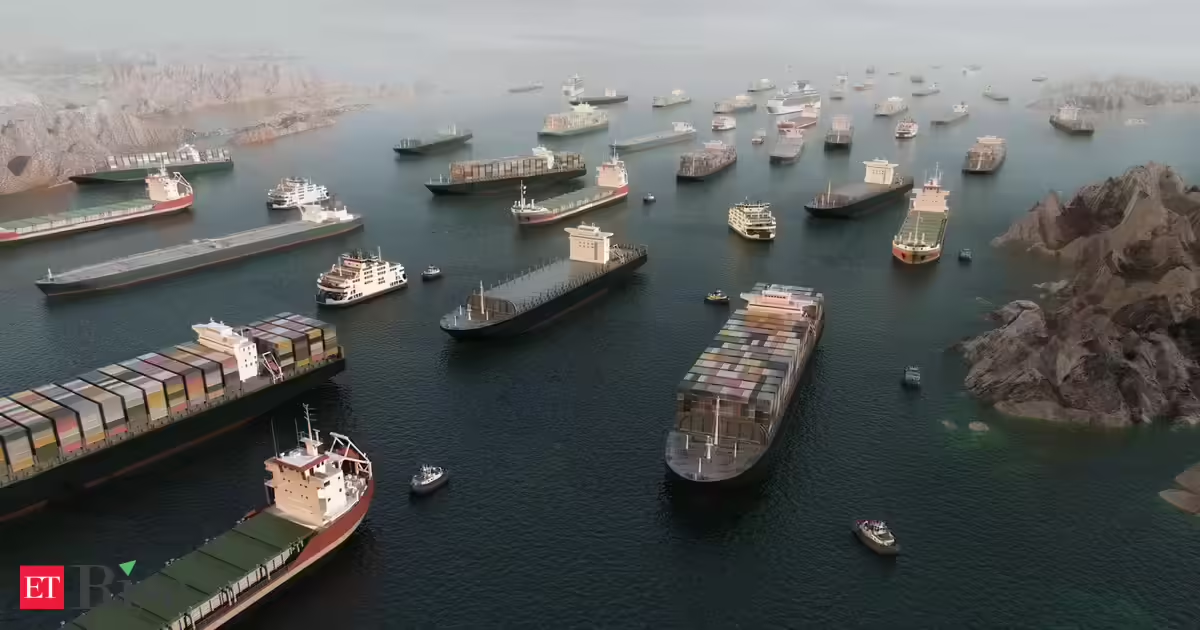
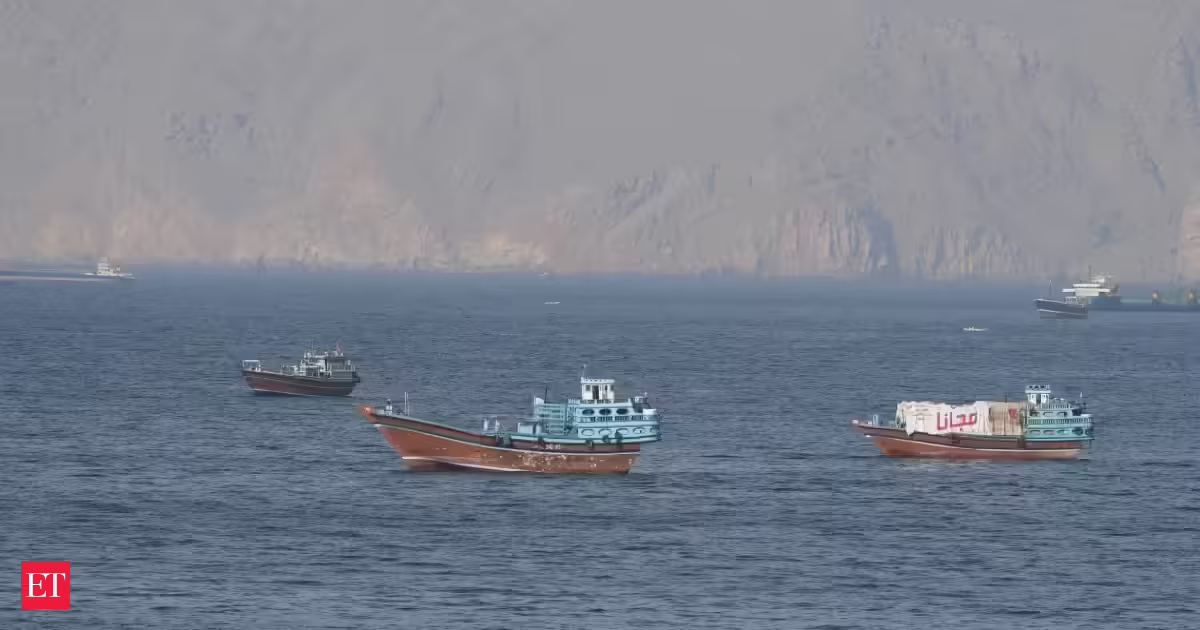
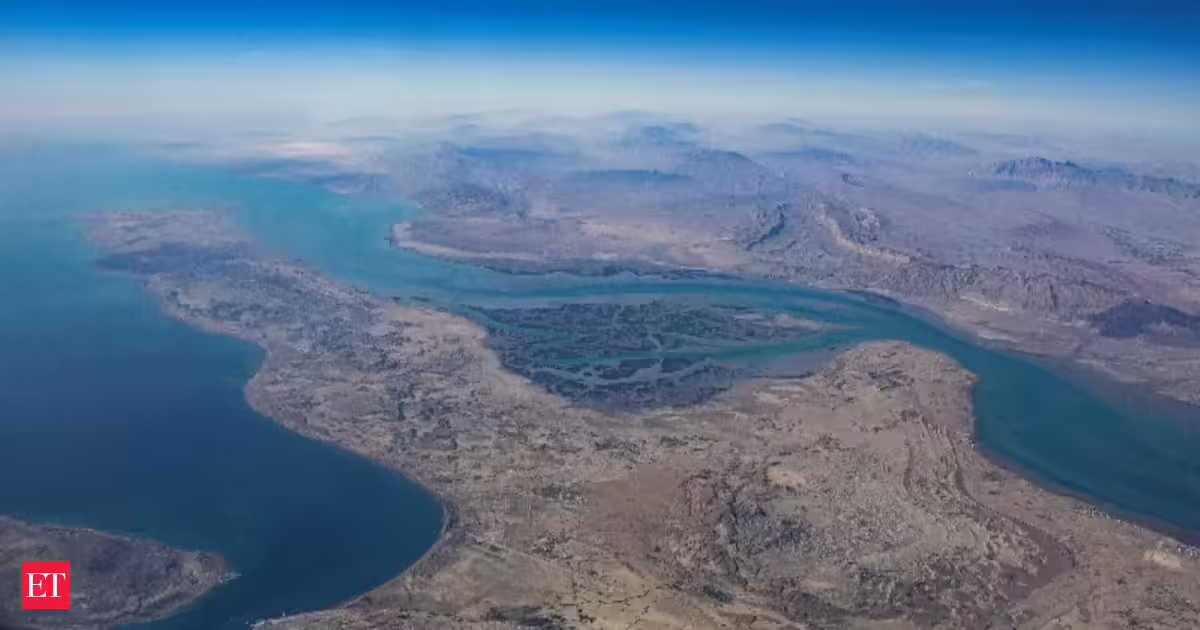
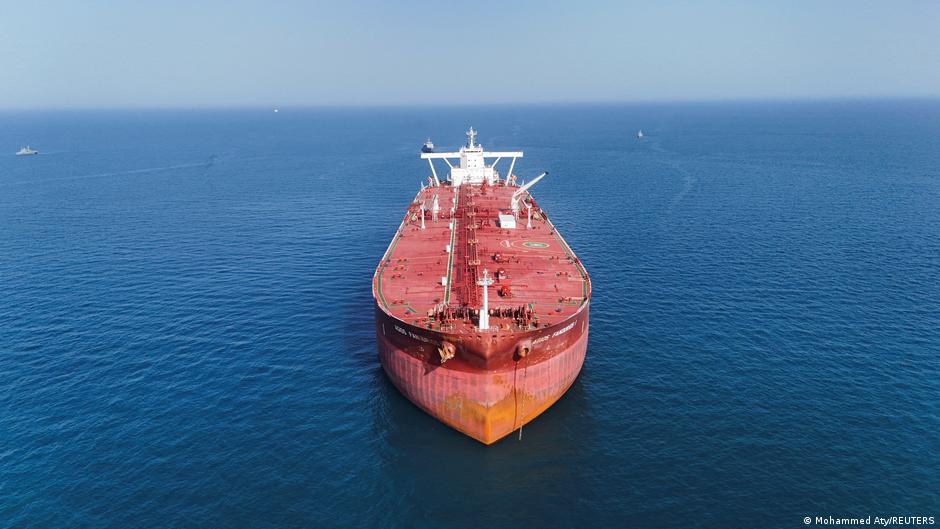
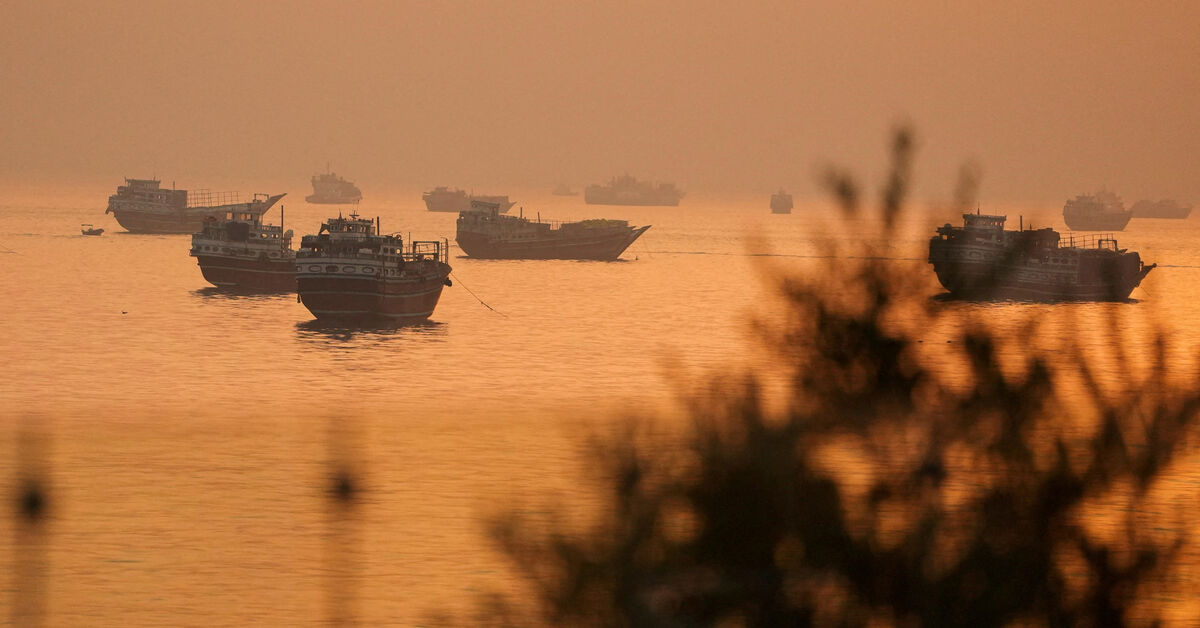
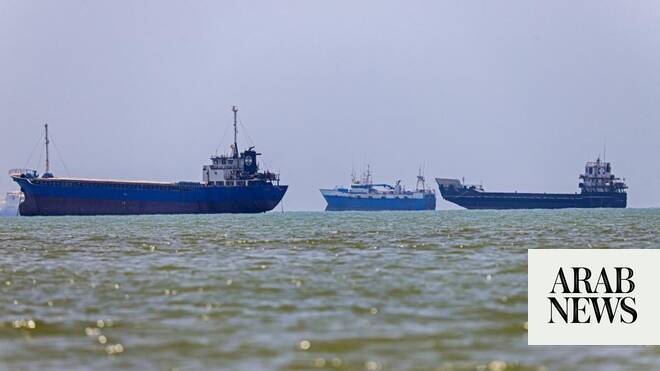
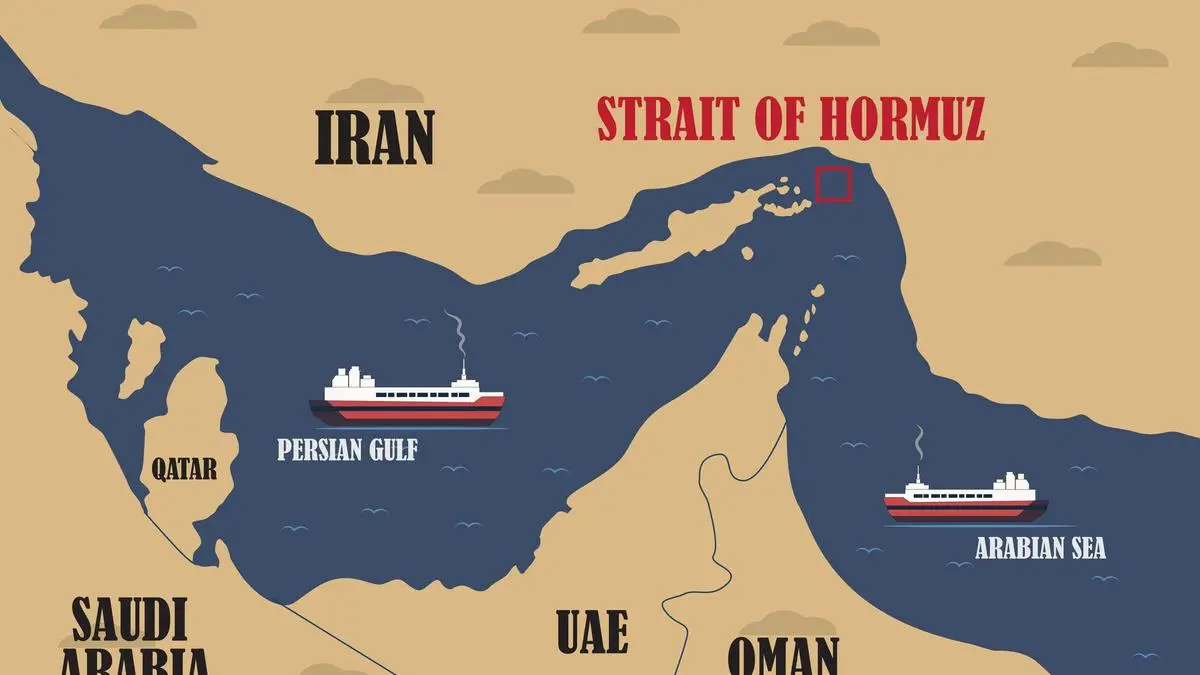
The reopening of the Strait of Hormuz following an initial peace deal between the US and Iran has brought relief to Indian exporters grappling with high freight rates, war-risk insurance premiums and shipment disruptions. However, the industry remains cautious as shipping challenges linked to hidden mines and regional security concerns persist.Exporters said the move could help stabilise logistics costs and restore confidence in global trade flows after weeks of disruption in one of the world’s most important shipping corridors.“The reopening and continued operation of the Strait of Hormuz is a highly reassuring development for Indian industry and exporters,” said Ajay Sahai, Director General of the Federation of Indian Export Organisations. He said the waterway handles nearly 20 per cent of global oil supplies, making disruptions immediately visible in freight rates, insurance costs and energy prices.Impacted GoodsDuring the period of heightened tensions, freight costs on some routes rose 15-25 per cent, while war-risk insurance premiums increased multi-fold. Rising crude oil prices also raised concerns over higher logistics and manufacturing costs.The impact was significant for India, which imports more than 85 per cent of its crude oil needs and has extensive trade links with Gulf countries. Exporters of engineering goods, chemicals, textiles, plastics and gems and jewellery were among those affected, Sahai said.The apparel sector was particularly hit. Shipping lines imposed emergency war-risk surcharges of up to $2,000 per container, while freight rates on some routes jumped 25-50 per cent because of vessel diversions and capacity constraints, said Mithileshwar Thakur, Secretary General of the Apparel Export Promotion Council.Rising CostsMarine insurance costs also rose sharply, while rerouting vessels around the Cape of Good Hope lengthened transit times by up to two weeks. Higher crude prices pushed up polyester and cotton yarn costs, adding to pressure on garment exporters.With traffic resuming through the Strait, exporters expect freight and insurance costs to moderate, shipping schedules to normalise and business confidence to improve. The development could also ease pressure on India’s import bill and inflation.Some industry representatives, however, cautioned that a full normalisation of shipping operations would take time. “It is a big relief for Indian industry that an initial peace deal has been reached, but significant uncertainties remain, including the presence of mines in key waterways and lingering tensions between the parties to the truce,” an industry chamber source said. “Shipping through the Strait of Hormuz will gradually resume, but freight rates, insurance premiums and input costs are unlikely to return to normal immediately.”Published on June 19, 2026