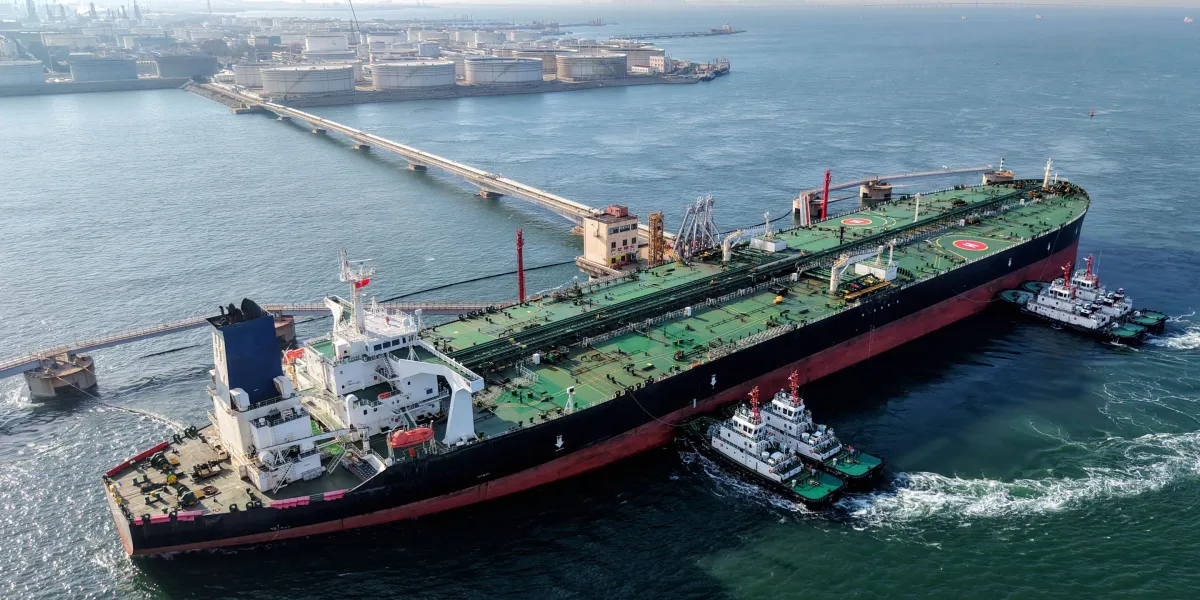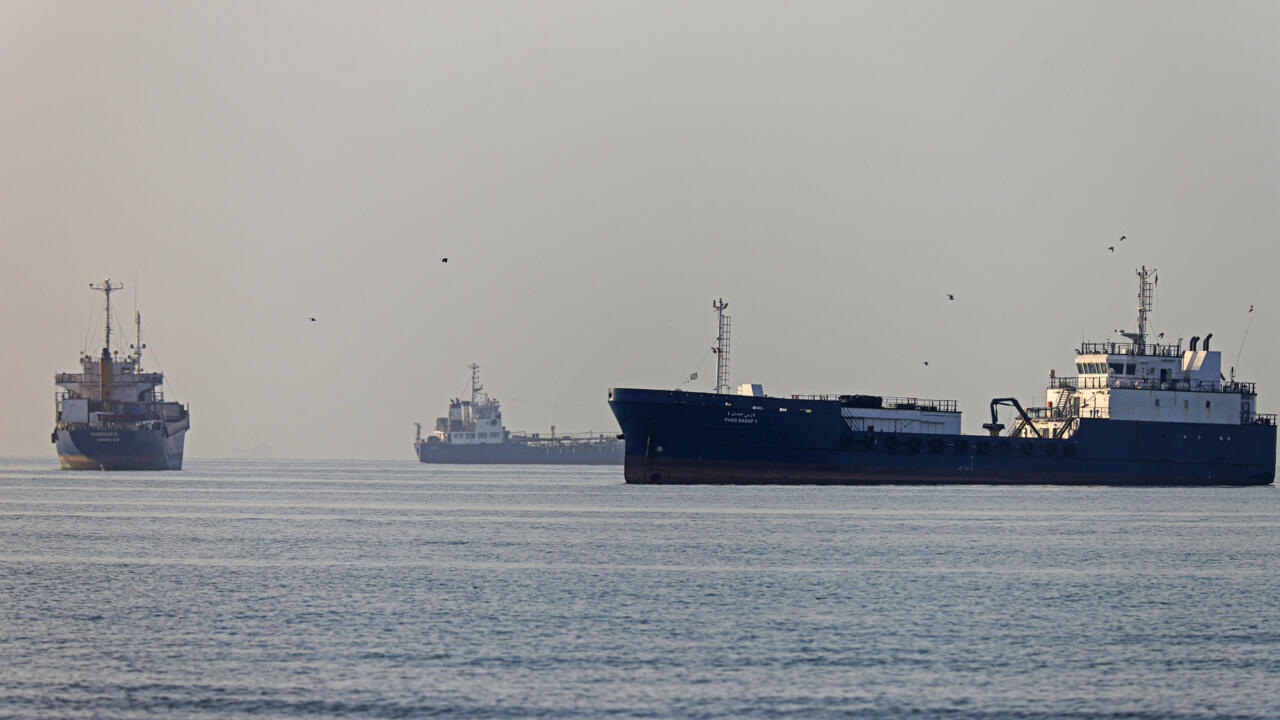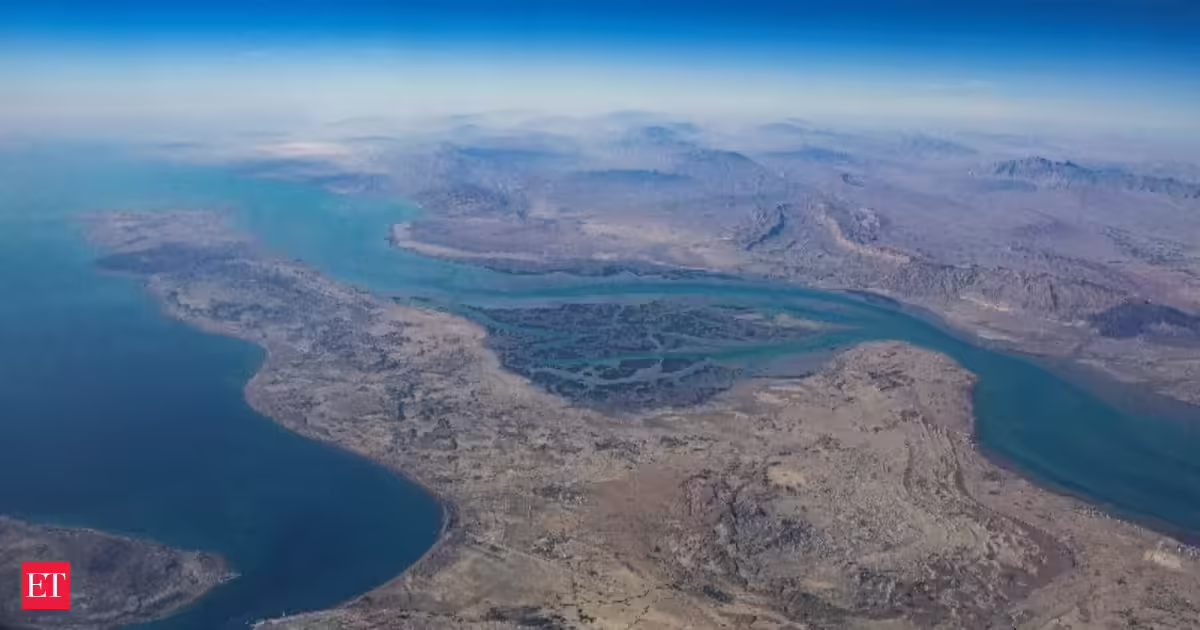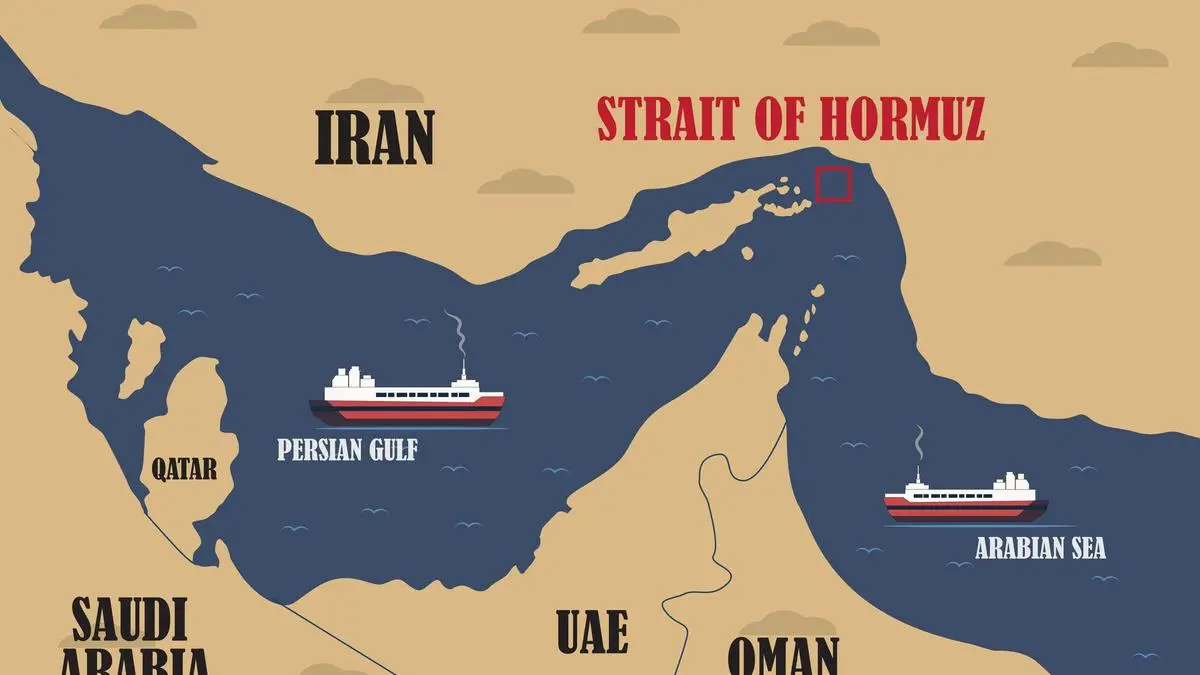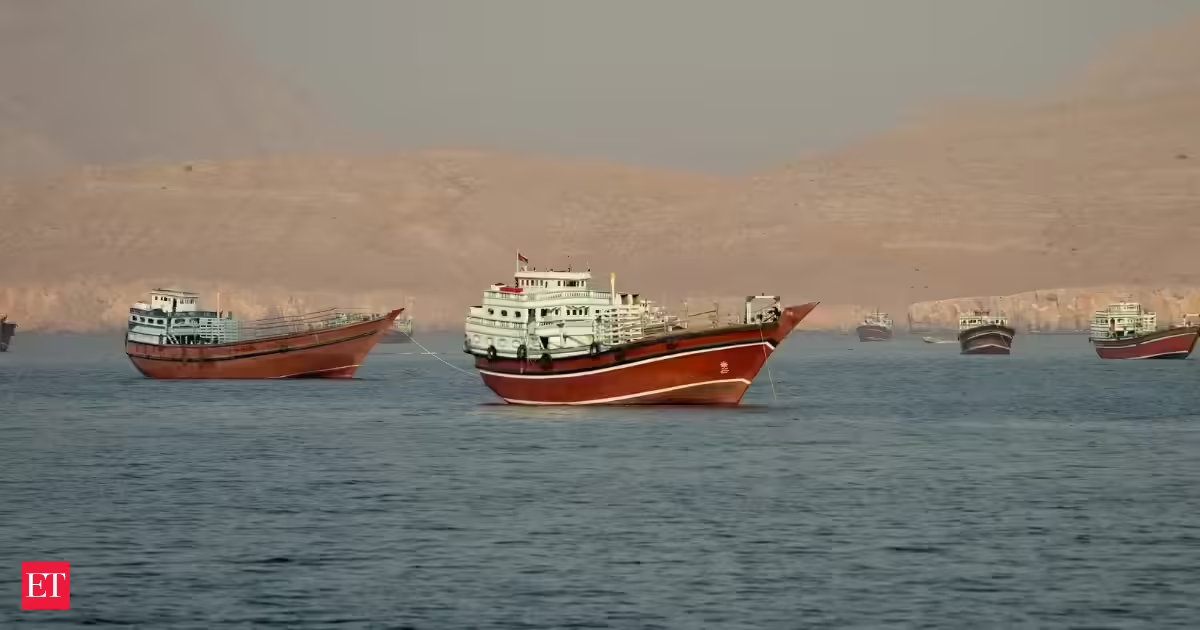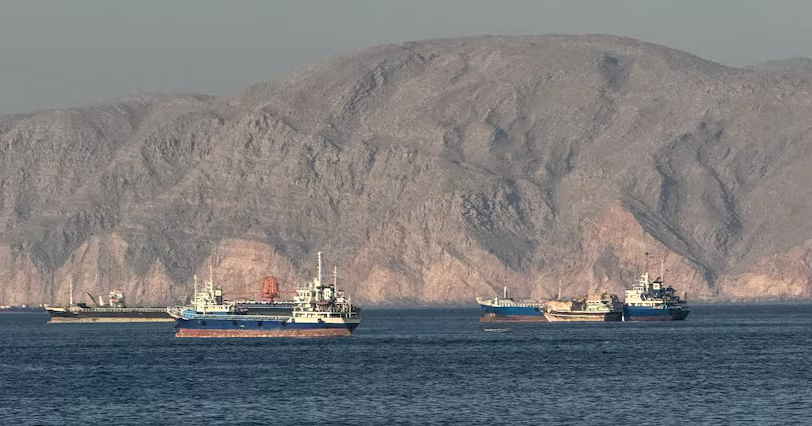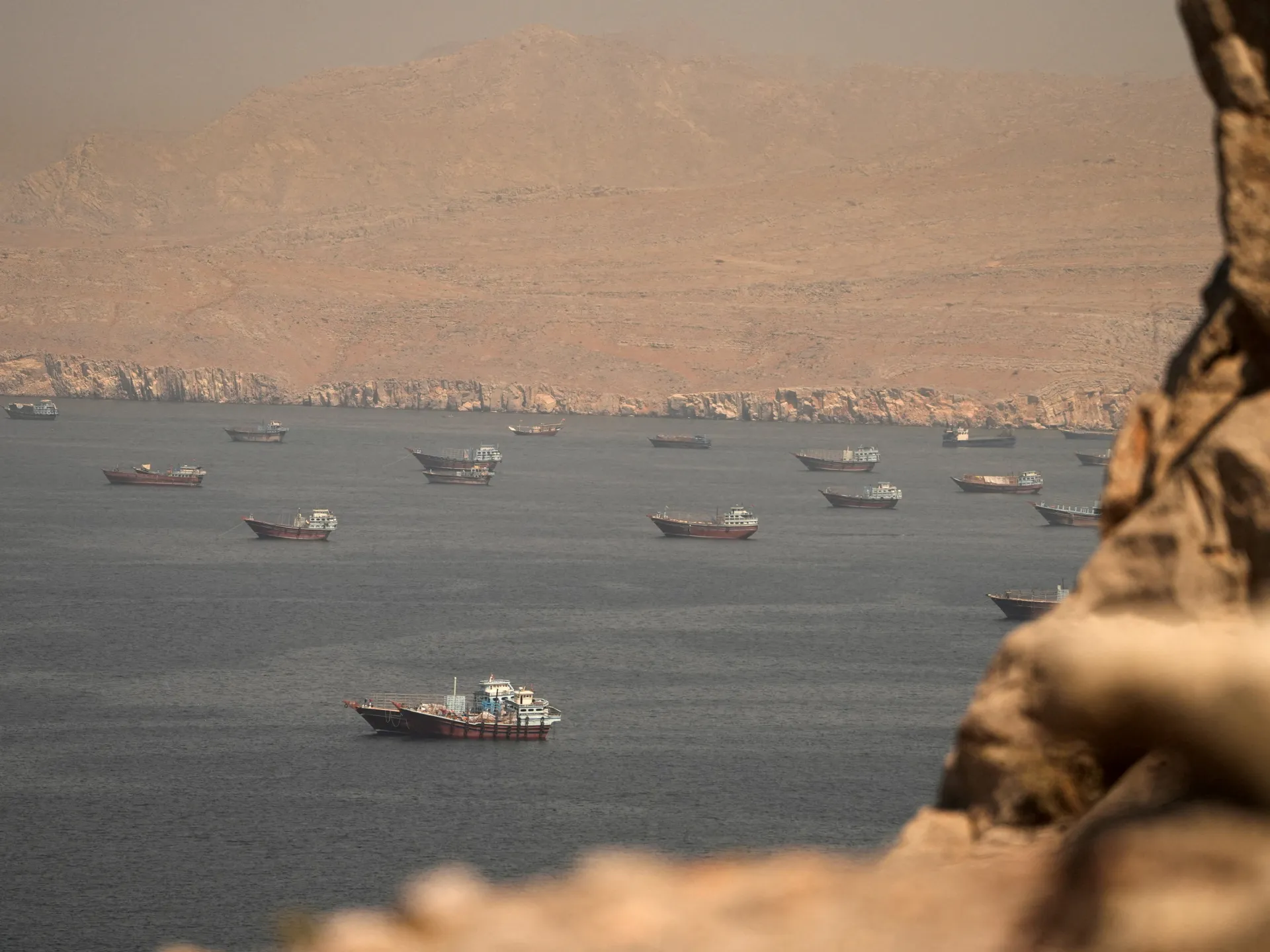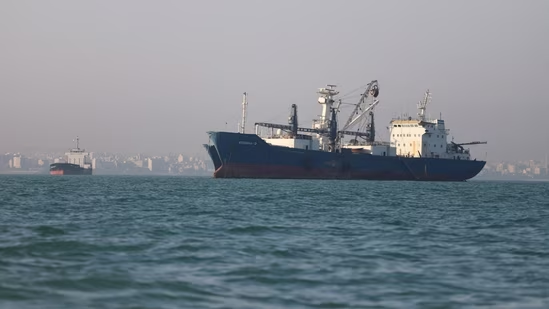
The specter of a prolonged crunch in energy supplies has faded, but the disruption could take months to unwind. With the planned reopening of the Strait of Hormuz, the specter of a prolonged crunch in energy supplies has faded, and with it the risk of a severe downturn in the global economy.The Hormuz crisis highlights growing frictions in the global economy.But the global economy isn’t home free just yet. Though growth proved resilient during the monthslong closure of the strait, the Hormuz squeeze disrupted energy supplies in ways that could take months to unwind.Mines will need to be cleared before ships can navigate freely through the channel. Oil fields and refineries that throttled production or sustained damage during the war will need to be brought back online. Uncertainty will weigh on shipping while Washington and Tehran thrash out details on Iran’s nuclear program and other unresolved issues.“Reopening is undeniably a positive thing, but it doesn’t mean that the global economy avoids the costs of what’s already happened,” said Simon MacAdam, deputy chief global economist at Capital Economics, a consulting firm.The Hormuz crisis highlights growing frictions in the global economy that risk pinching trade and growth.Chart 1Countries that once cooperated to break down barriers to trade are now more focused on economic security and exploiting their economic leverage for political ends. Governments will scramble to rebuild stockpiles depleted by the crisis, and pour resources into domestic energy production and storage to brace for the next one.“The world economy isn’t what it used to be,” said Stefan Angrick, senior economist at Moody’s Analytics in Tokyo. “It’s more fractured now. You can’t count on globalization keeping prices low.”The clearest short-term cost of the shaky peace will be sticky inflation. Central banks including the Federal Reserve and the Bank of England had been expected to cut interest rates this year, but those plans have gone up in smoke as energy costs lurched higher.The ECB already raised rates this month. The Fed under new Chairman Kevin Warsh held short-term interest rates steady Wednesday, but he and his Fed colleagues signaled that rate increases could come down the pike soon.Chart 2Benchmark oil prices have retreated following the peace agreement. Brent crude futures were trading at around $78 a barrel Thursday, compared with a peak above $118 in March when the war was at its height. Gasoline prices have also come down, bringing some immediate relief to consumers.But high energy prices take longer to feed through to other parts of the economy, such as food and electricity. There, the impact of the war is only beginning to show up, and the effect is expected to build in coming months, even if traffic starts moving through the strait.Food prices can take around a year to peak after an energy-price shock. Farmers often lock in prices for commodities like fertilizer in advance. Long supply chains further delay the pass-through of higher costs from the farm to the grocery aisle.Electricity bills also take time to respond to energy shocks because prices in many countries are regulated or fixed through long-term contracts.Chart 3“There’s going to be indirect effects on food, on goods, on services this year and into next year,” Philip Lane, chief economist of the ECB, said this week.The resilience of the global economy during the energy shock means economists aren’t anticipating a boom now that the crisis is receding. Surging exports and investments linked to artificial-intelligence demand have helped to support growth around the world, even as inflation bit into consumer spending. The World Bank last week forecast the global economy will grow 2.5% this year, only a small downgrade from its prewar forecast of 2.6%.Write to Jason Douglas at jason.douglas@wsj.com and Chelsey Dulaney at chelsey.dulaney@wsj.comGet the latest headlines from US news and global updates from Pakistan, Nepal, UK, Bangladesh, Russia, US Iran War News 2026 Live and get all the latest headlines in one place on Hindustan Times.See Less
Hormuz Reopening Brings Relief for Global Economy
The specter of a prolonged crunch in energy supplies has faded, but the disruption could take months to unwind. | World News
TL;DRAI
Strait of Hormuz reopens, but energy disruption and inflation persist for months, constraining rate cuts. Tech managers: expect sustained data-center cost pressures and infrastructure regionalization from geopolitical fragmentation.
651 words~3 min read