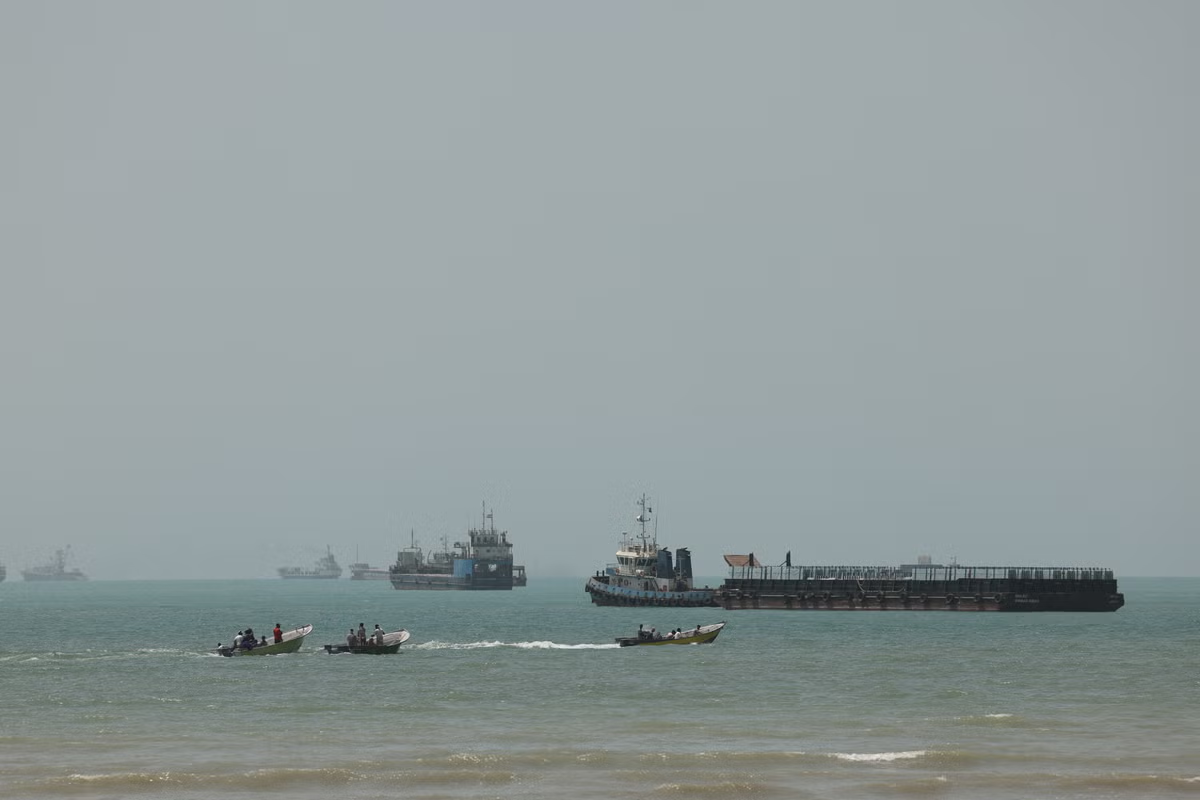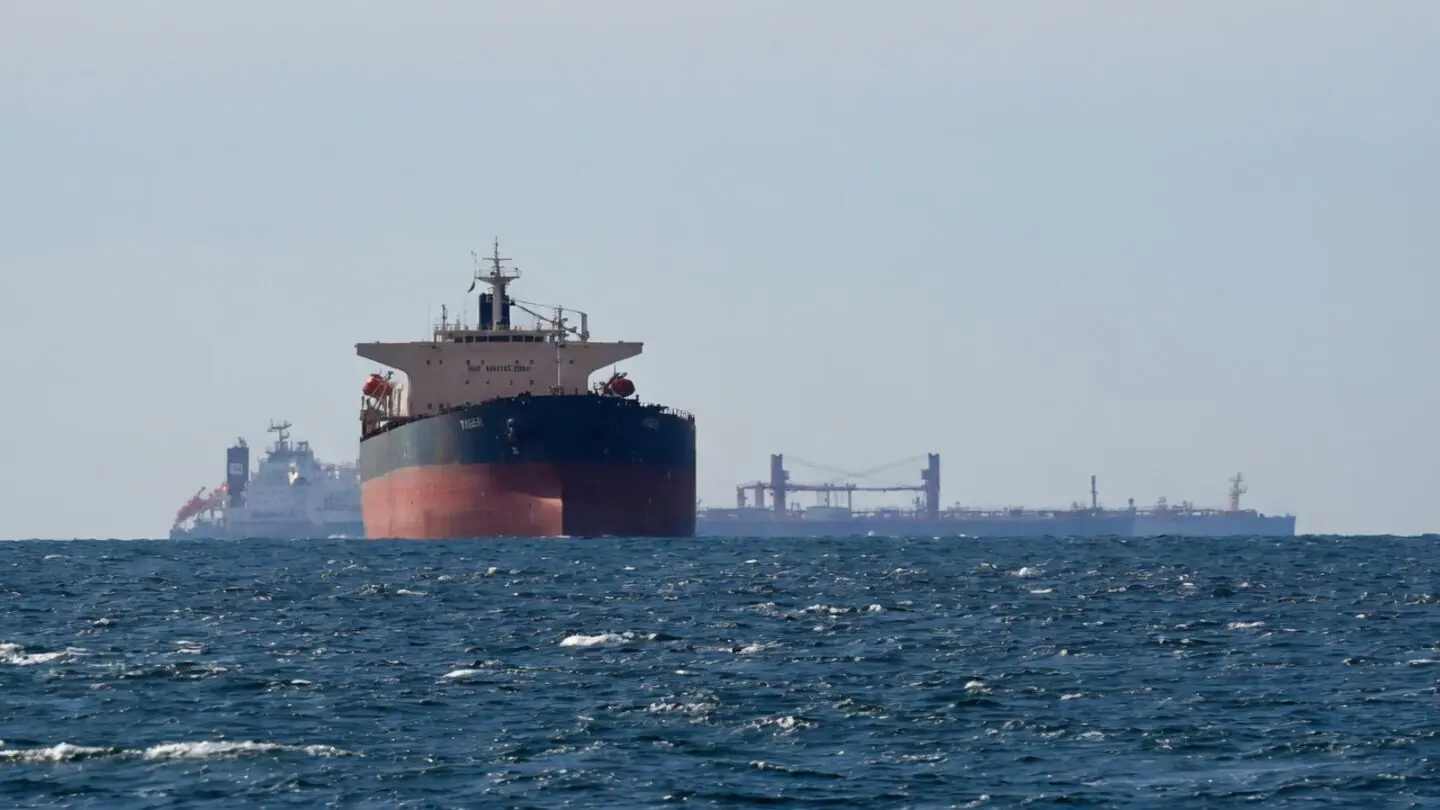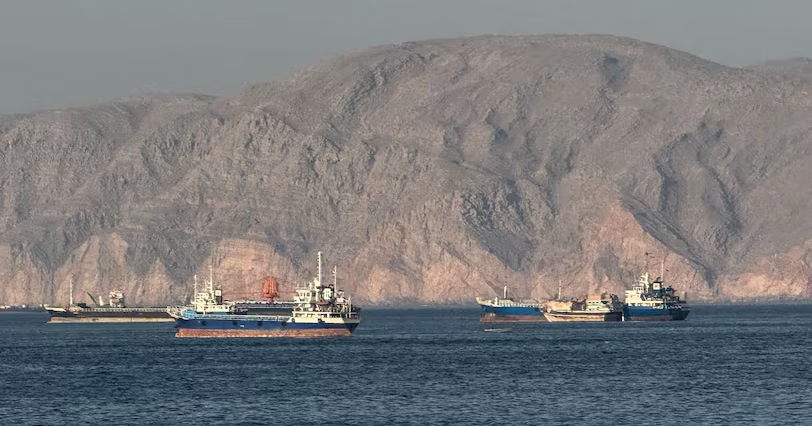
Wood Mackenzie sees lasting oil, LNG and inflation risks despite diplomacy progressLast updated: May 24, 2026 | 15:173 MIN READShips at Anchor in the Strait of Hormuz, off Oman's northern coast.AFPDubai: Diplomatic efforts to reopen the Strait of Hormuz may calm energy markets in the near term, but analysts warn the economic and supply disruptions caused by even a three-month closure could linger well beyond the return of shipping flows.Get updated faster and for FREE: Download the Gulf News app now - simply click here.U.S. President Donald Trump said on Sunday that a deal with Iran had been “largely negotiated” and would include reopening the Strait of Hormuz, one of the world’s most important oil shipping routes.The developments have raised hopes that Gulf crude and liquefied natural gas (LNG) exports could begin normalising before the end of the summer. Yet analysts say reopening the waterway may not immediately reverse the damage already caused to energy markets, trade flows and inflation expectations.Supply losses mountWood Mackenzie warned in a new report that a prolonged closure of the Strait could trigger the biggest global energy supply shock in decades.The consultancy estimates more than 11 million barrels per day (bpd) of Gulf crude and condensate production remains curtailed, while over 80 million tonnes per annum of LNG supply — roughly 20% of global LNG supply — remains inaccessible to markets.“The Strait of Hormuz is the most critical chokepoint in global energy markets, and a prolonged closure would become far more than an energy crisis,” Peter Martin, head of economics at Wood Mackenzie, said. “The longer disruption persists, the greater the impact on energy prices, industrial activity, trade flows and global economic growth.”Wood Mackenzie outlined three possible outcomes in its report, ranging from a rapid diplomatic settlement to an extended disruption lasting through the end of 2026.Recovery takes monthsIts “Quick Peace” scenario assumes the Strait reopens by June following a workable peace agreement, allowing the global economy to broadly return to its pre-conflict trajectory by the fourth quarter of 2026.Even under that scenario, Wood Mackenzie expects LNG markets to remain tight through summer 2027 as Gulf export facilities gradually recover and project delays slow new supply growth from the region.The consultancy expects Brent crude prices to ease to around $80 per barrel by the end of 2026 before declining further to $65 in 2027 as global oil markets return to oversupply.Still, analysts say the market impact from a three-month disruption may outlast the physical reopening itself, particularly if buyers and governments continue reassessing energy security risks tied to Gulf supply routes.Inflation fears persistAhmad Assiri, research strategist at Pepperstone, said oil markets are increasingly being driven by physical supply stress rather than speculative futures positioning.“Oil markets are increasingly reflecting stress in the physical market far more than just futures positioning, with some crude brent reportedly changing hands in the $130 to $140 per barrel range amid the continued geopolitical and supply concerns,” Assiri said.He said investors are also reassessing inflation and interest rate expectations as higher energy costs feed into logistics and transport markets.“The move higher in front-end Treasury yields, especially across the 2-year and 5-year maturities, suggests markets are becoming seriously cautious about the risk of price pressures tied to energy and logistics disruptions,” Assiri said.“What matters now is that markets are treating the energy shock beyond the temporary headline risk,” he added. “Pricing behaviour increasingly points to concern around a sustained repricing of global energy costs and its broader impact on inflation expectations and policy outlooks.”Long-term shifts Wood Mackenzie said even if the Strait reopens soon, the disruption could accelerate structural shifts across global energy markets.The consultancy expects countries across Europe and Asia to intensify efforts to reduce hydrocarbon dependence through electrification and renewable energy investment if geopolitical risks around Gulf exports persist.“The long-term outlook points to structurally weaker oil prices than in our pre-conflict base case if importing countries accelerate efforts to reduce oil dependence,” said Alan Gelder, senior vice president for refining, chemicals and oil markets at Wood Mackenzie.Wood Mackenzie also warned that prolonged uncertainty could permanently reshape LNG markets, with some Gulf supply potentially lost and major new projects facing multi-year delays.“Persistent supply uncertainty would accelerate efforts to diversify away from imported LNG, supporting coal resilience and faster growth in renewables and electrification across Asia and Europe,” said Massimo Di Odoardo, vice president of gas and LNG research at Wood Mackenzie.Justin is a personal finance author and seasoned business journalist with over a decade of experience. He makes it his mission to break down complex financial topics and make them clear, relatable, and relevant—helping everyday readers navigate today’s economy with confidence.
Will reopening Hormuz quickly reverse damage from near three-month closure?
Will reopening the Strait of Hormuz quickly ease oil, LNG and inflation pressures, or will the economic fallout from the three-month closure linger for years?
813 words~4 min read