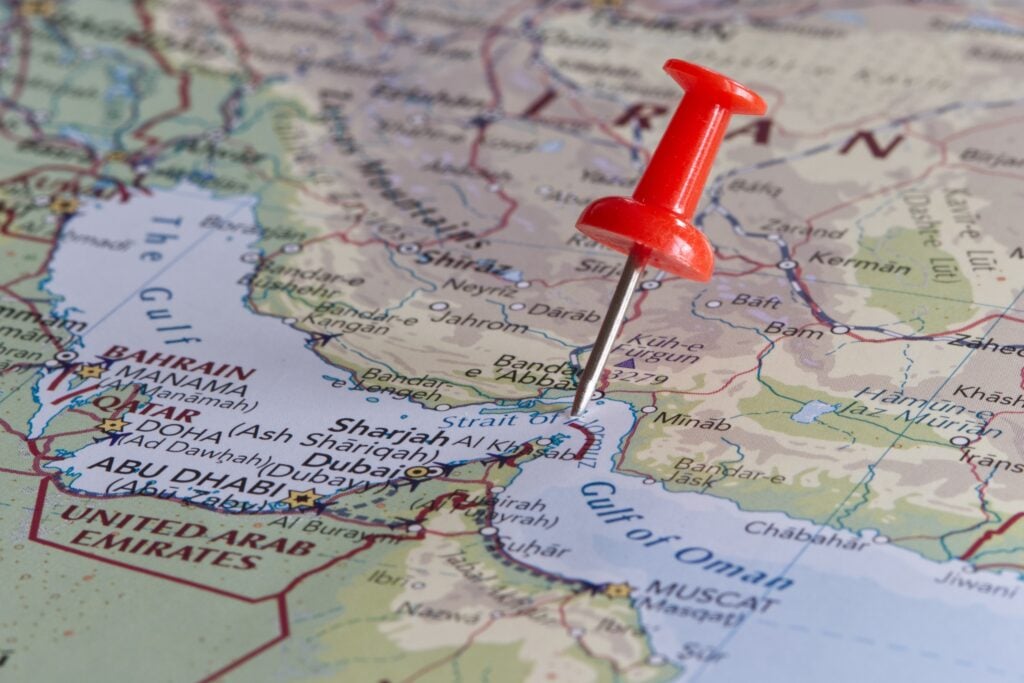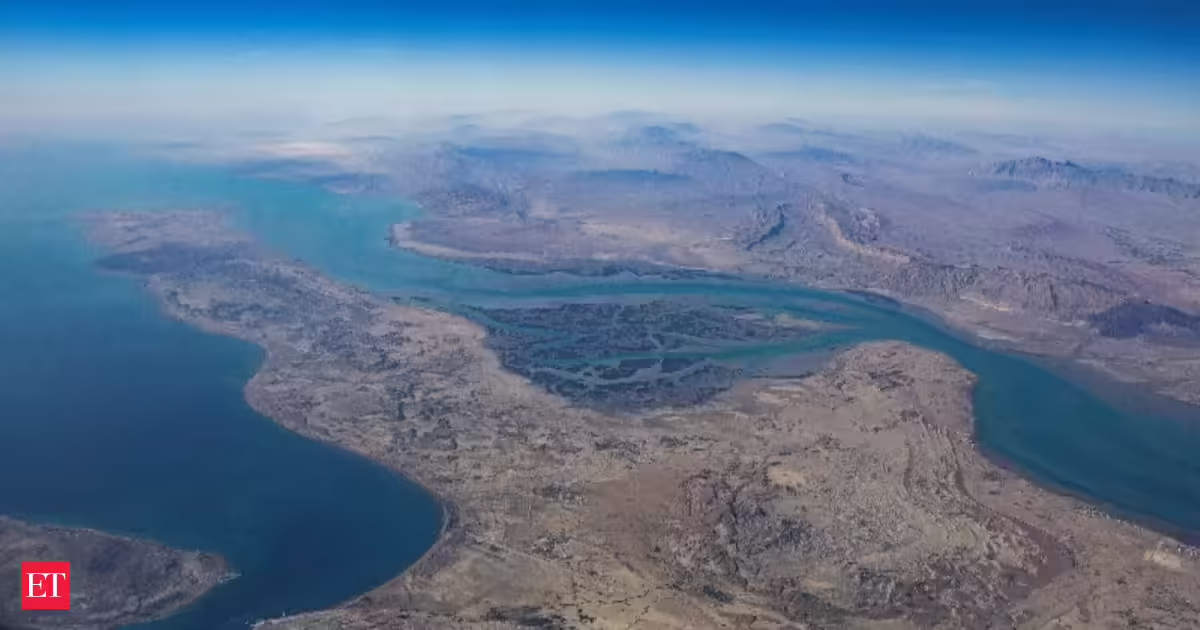
The Hormuz shock is not hitting everyone in the same way. After the fragile cease-fire in April, rising tensions around the Strait of Hormuz had entered a much more dangerous phase. Iran’s announcement that it would close the Strait changed the nature of the crisis once again. Yet as of today, the wind seems to be changing.
With the temporary understanding reached between the U.S. and Iran to reopen Hormuz, open confrontation is giving way, at least for now, to diplomatic bargaining. The issue was no longer only whether tankers could pass through the strait, but whether energy infrastructure in the region could operate safely at all.
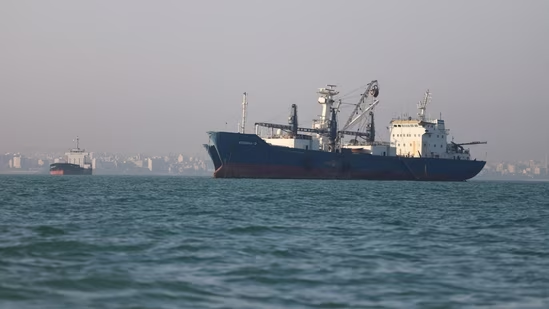
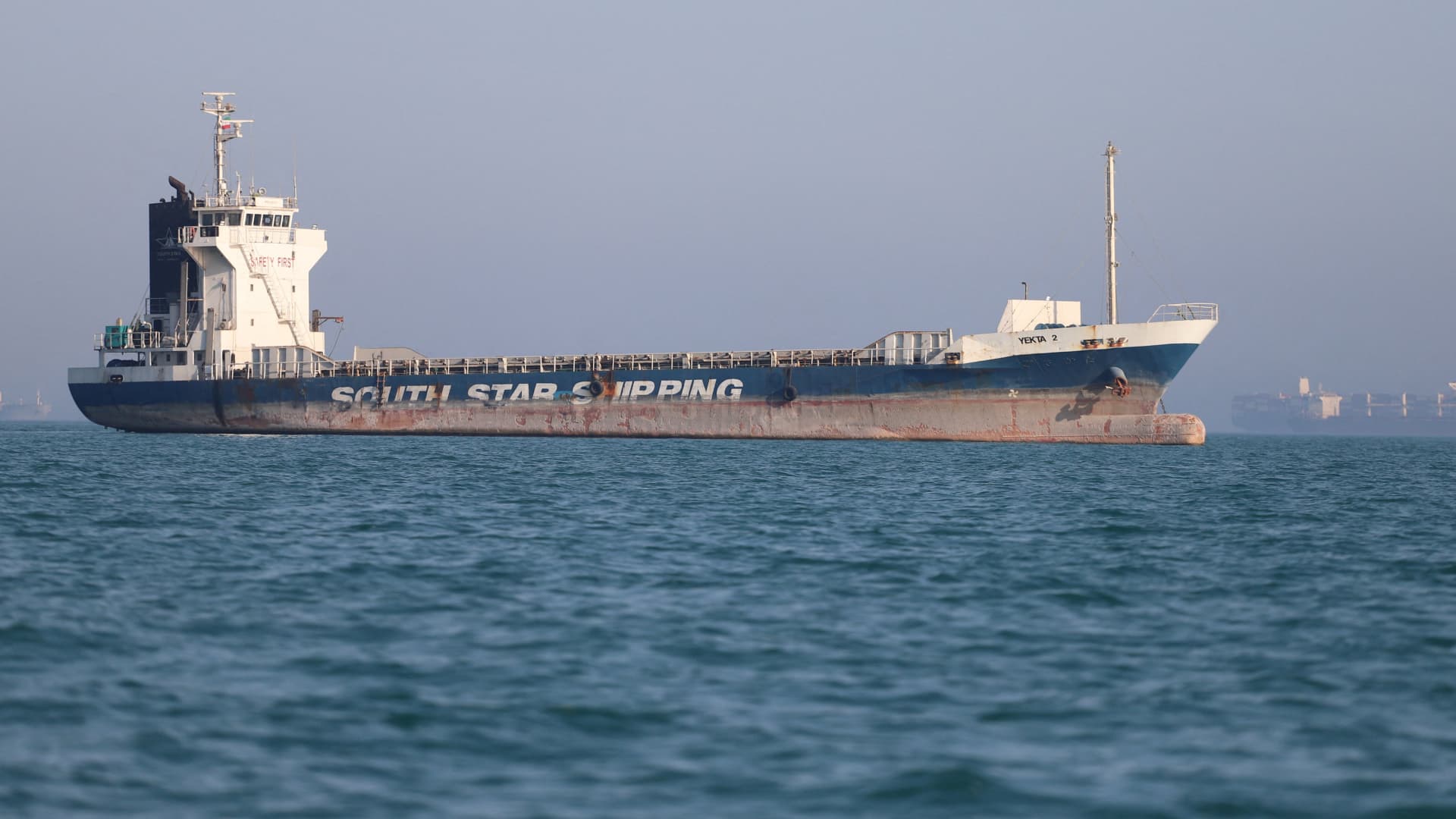
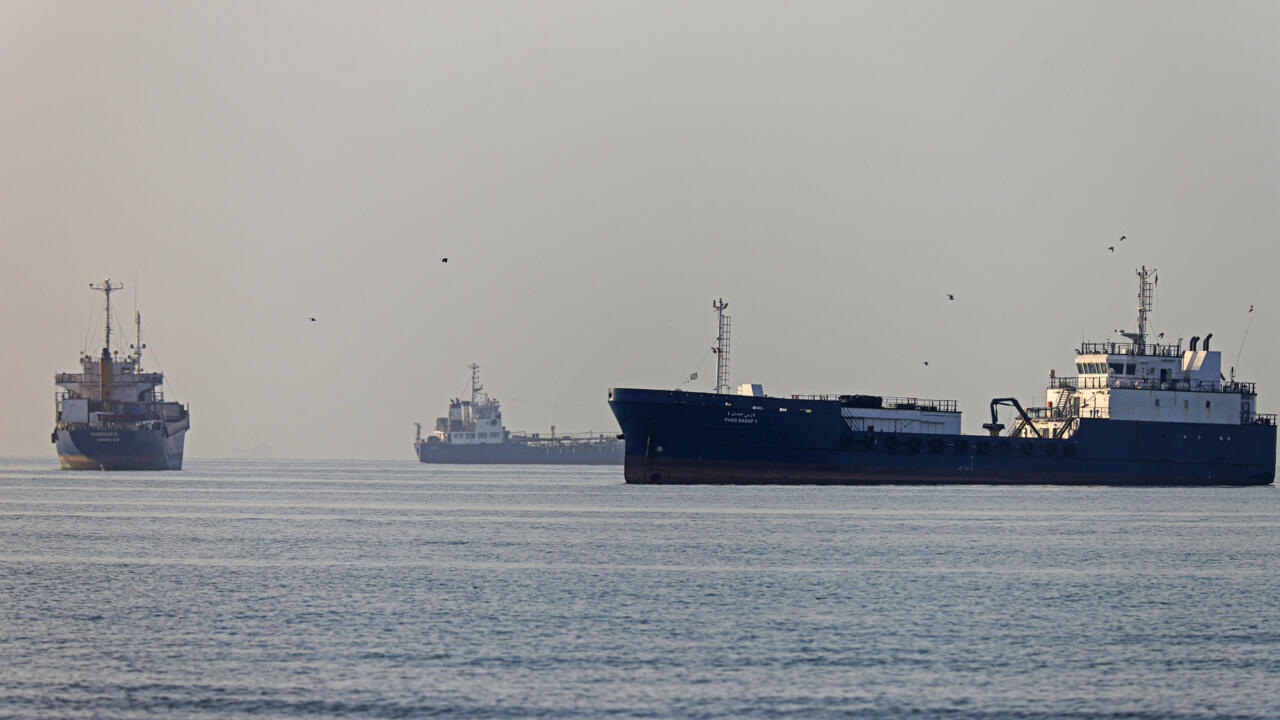
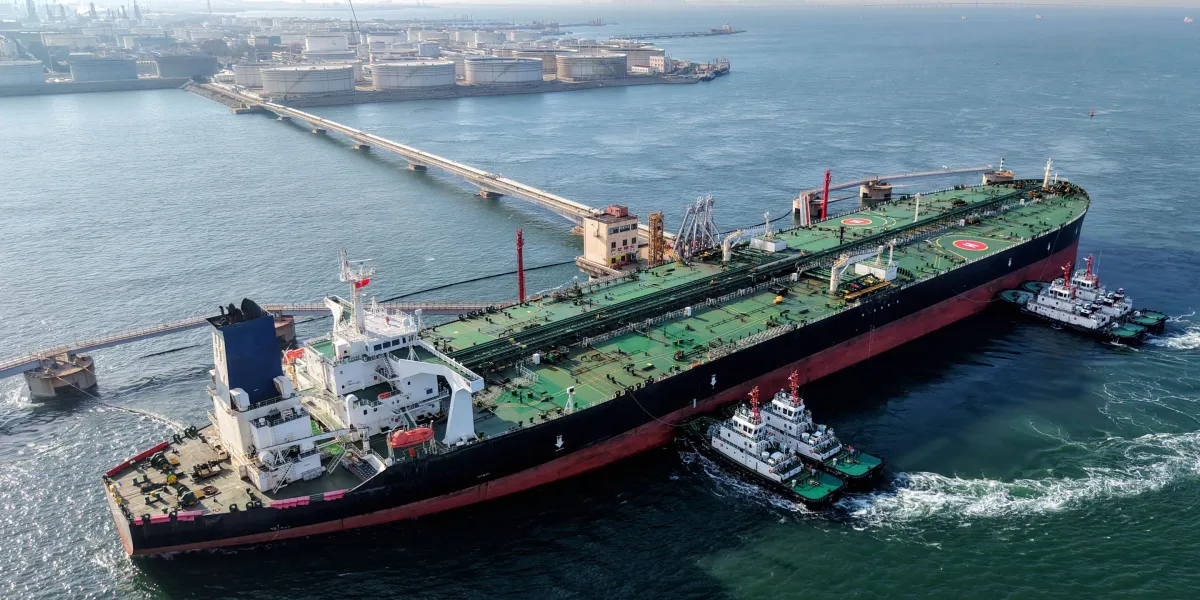
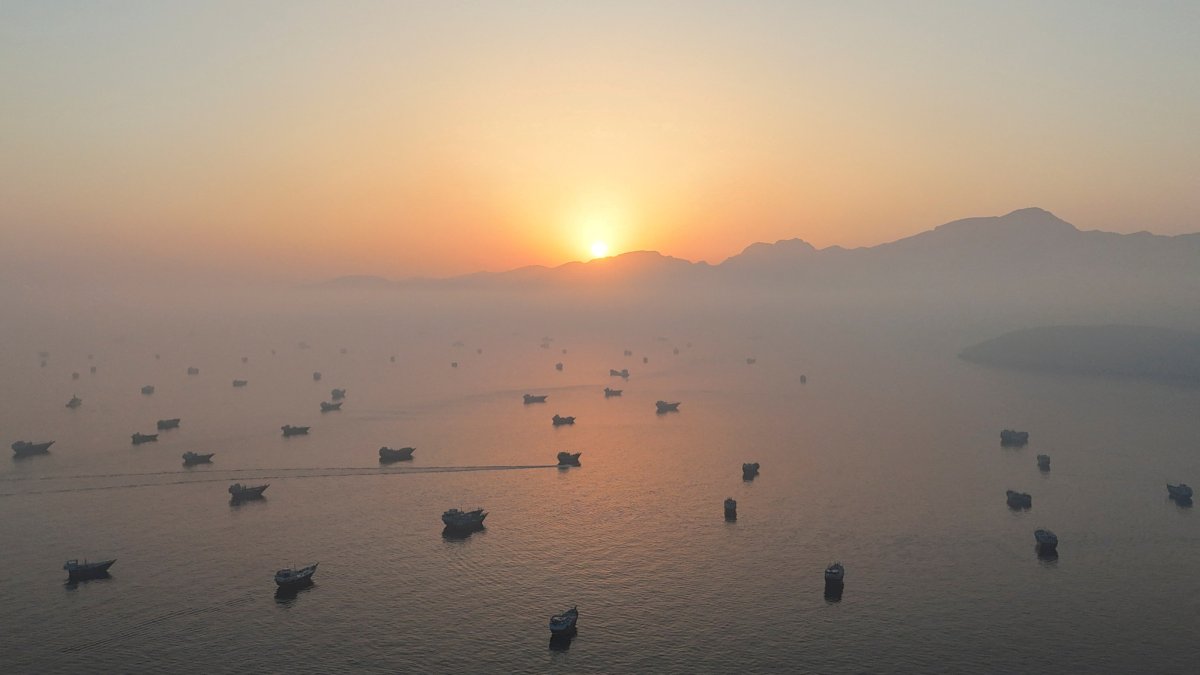
With news of the temporary deal, Brent crude quickly fell below $83 per barrel. Yet the abnormality in vessel movements and the logistical paralysis have not disappeared. There is now a huge gap between the paper market and the physical market. At present, 98 crude oil tankers and 88 oil product tankers are waiting only inside the strait to exit. Together with other commercial vessels waiting at both ends of the passage, the number reaches around 600. This is not merely a queue. It is a logistical knot in global supply chains that may take weeks to untangle.