Seismic changes are underway in the global energy landscape.
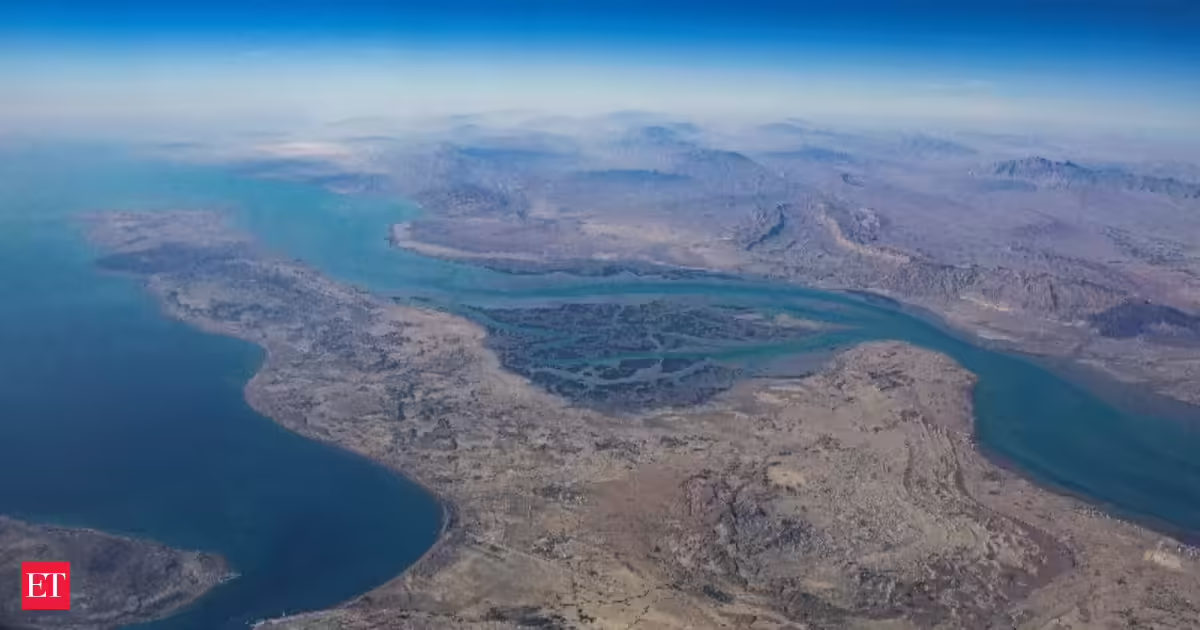
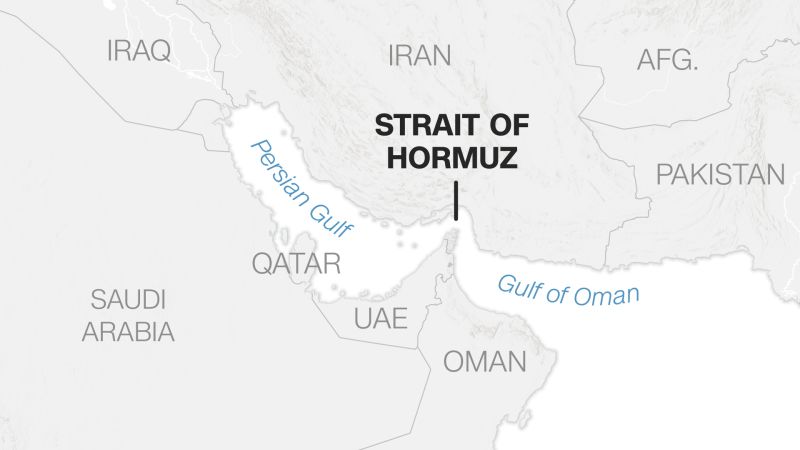
After months of oil and gas market turmoil, the recent agreement between the United States and Iran aimed to reopen the Strait of Hormuz and provide the foundation for a lasting peace. There were signs of oil and gas exports through the strait increasing considerably in the weeks since the deal was agreed, bringing much-needed relief to strained markets.
Seismic changes are underway in the global energy landscape.
After months of oil and gas market turmoil, the recent agreement between the United States and Iran aimed to reopen the Strait of Hormuz and provide the foundation for a lasting peace. There were signs of oil and gas exports through the strait increasing considerably in the weeks since the deal was agreed, bringing much-needed relief to strained markets.
These are welcome and encouraging developments, although the renewed exchanges of fire this week underscore the high level of uncertainty over what will happen in the coming weeks and months—and the risks for global energy supplies. Whether the conflict continues to escalate again or is brought to a permanent end, it won’t stop the larger changes already taking place in the energy world following two major international supply shocks in the space of five years.