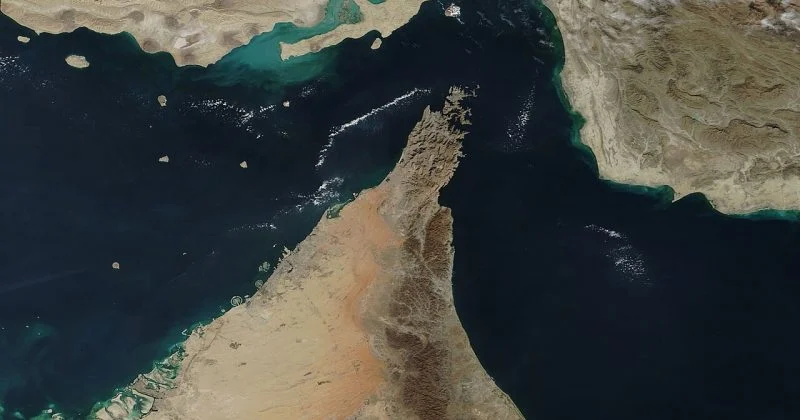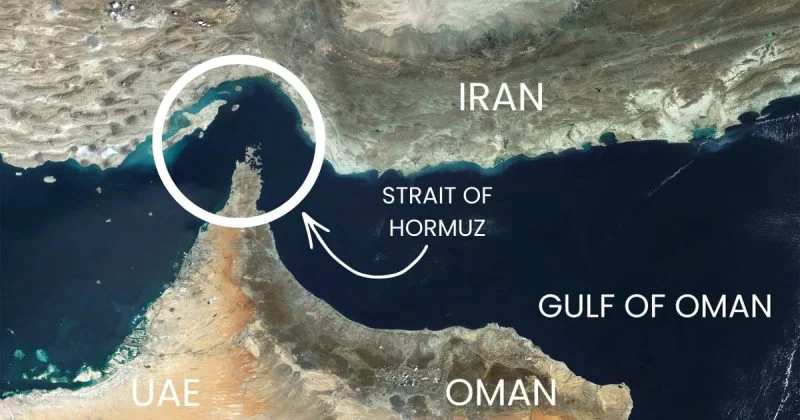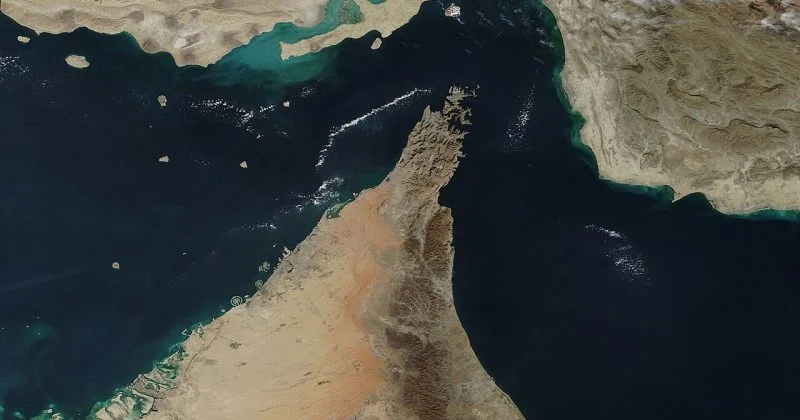
The Strait of Hormuz continues to pose significant challenges for global energy flows, as recent instability in the region hampers recovery efforts. Bloomberg Markets reports that the strait, a critical passageway for approximately 20% of global crude oil and LNG, remains unstable despite a recent U.S.-Iran memorandum of understanding. The situation has been exacerbated by the U.S. revoking Iran’s oil-sale waiver and recent vessel strikes, leading to increased geopolitical tensions. This ongoing instability suggests that global energy supplies remain at risk, with potential implications for oil prices and market dynamics.
Key Takeaways
Bloomberg’s report suggests that the instability of the Strait of Hormuz could lead to disruptions in energy supplies, impacting global oil markets.
Market pricing indicates an increased likelihood of WTI crude oil reaching higher price thresholds, with the probability of hitting $130 in July 2026 still relatively low but rising.
The uncertainty surrounding the strait’s reopening appears reflected in market sentiment, with decreased confidence in a normalization of traffic by August 31.