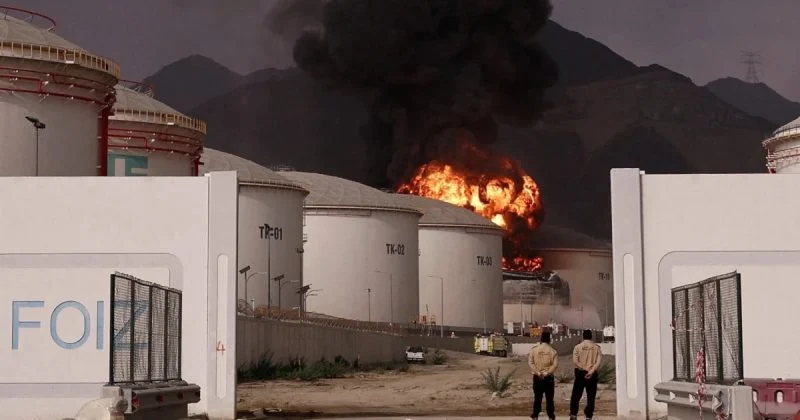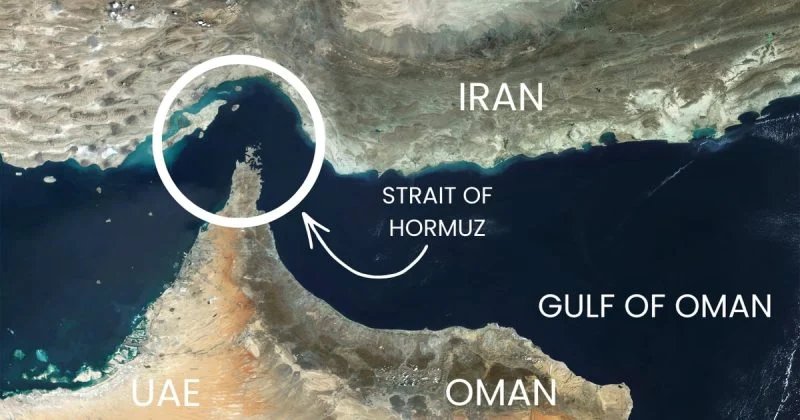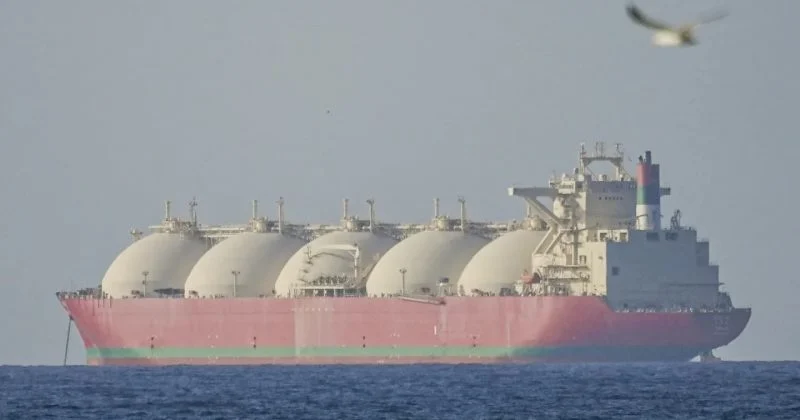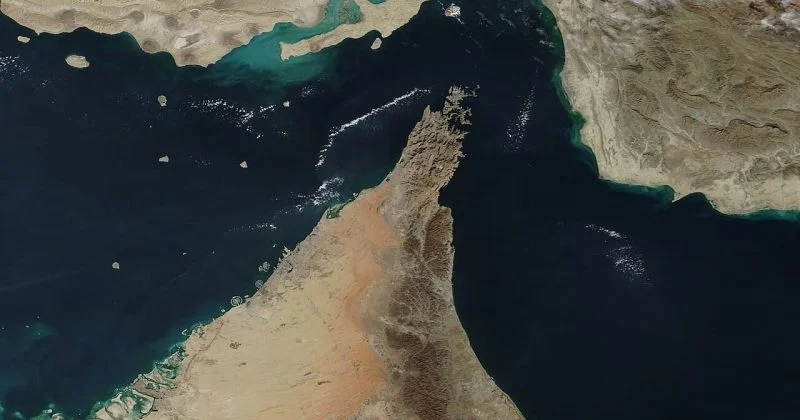
The ongoing Iran conflict, coupled with the prolonged closure of the Strait of Hormuz, is reshaping the discourse around energy security. Historically, fossil fuels have been perceived as more reliable due to their consistent availability, but the current geopolitical tensions highlight vulnerabilities in global oil supply chains. The Strait of Hormuz, a pivotal channel for global petroleum and LNG trade, remains blocked following Iranian retaliatory measures. This disruption has raised concerns about potential global energy shortages and price volatility, prompting some analysts to reconsider the role of renewable energy sources as potentially more stable alternatives during geopolitical crises.
Key Takeaways
The protracted closure of the Strait of Hormuz appears to support higher oil price scenarios, with market pricing suggesting increased WTI crude oil prices.
Market participants seem to interpret the ongoing disruption as consistent with scenarios where Strait of Hormuz traffic does not return to normal by the mid-June deadline.
The incident underscores a shift in narrative, suggesting renewables might offer a more secure energy alternative during geopolitical disruptions.