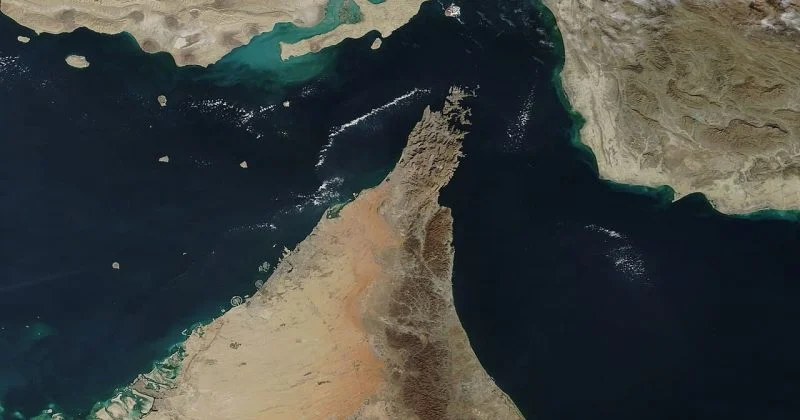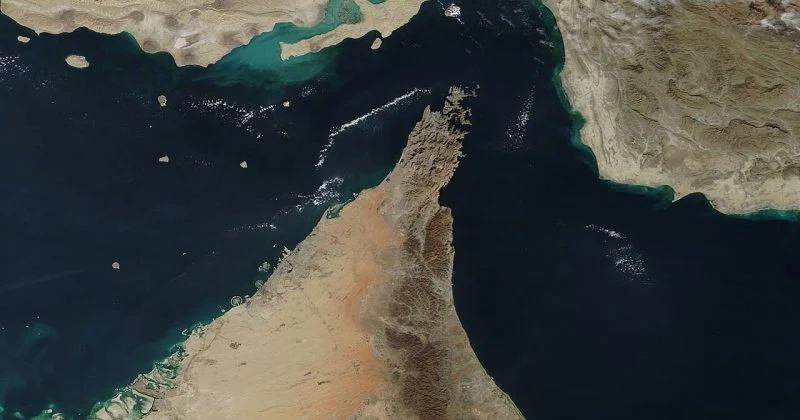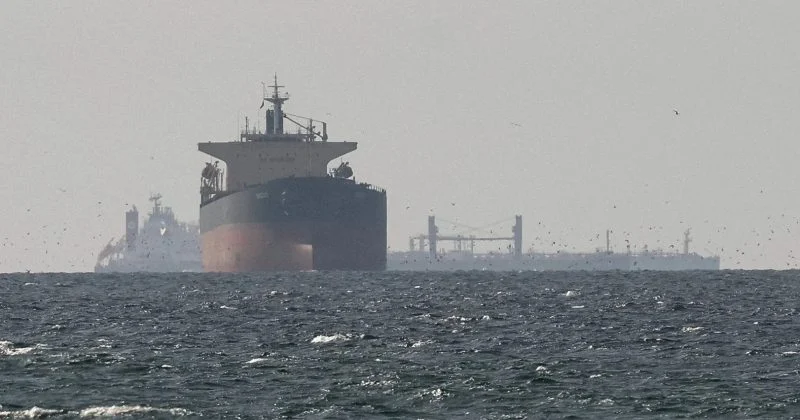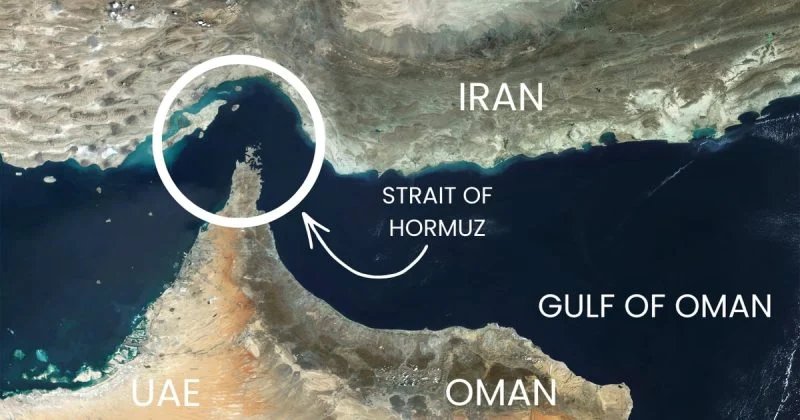
On the first day of the 2026 Iran war, a speaker declared intentions to seize Iran’s oil reserves and prevent Iran from controlling the Strait of Hormuz. These statements have significant implications for global oil markets, as the strait is a vital passage for global energy trade, handling about 25% of the world’s seaborne oil. The conflict has already severely disrupted oil flows, with significant implications for crude oil prices. The suggestion of further military actions to control oil exports from Iran could exacerbate these disruptions, affecting global supply and potentially driving oil prices higher.
Markets have reacted to these developments, as evidenced by significant movements in prediction markets for WTI crude oil prices. The expectation of a substantial increase in oil prices is reflected in market pricing for July 2026, where the likelihood of WTI reaching higher price targets has increased notably. This comes amid ongoing concerns about potential supply shortages and geopolitical tensions in the region.
The current situation is under close observation by market participants, with the focus on whether these geopolitical tensions will result in further escalations. Any confirmed military actions or blockades could have immediate and significant impacts on global oil prices, as markets adjust to potential supply constraints.